
Drive west out of Woodville on Highway 190 and the roofs tell a story of their own. Deer camps, hay barns and old farmhouses wear corrugated tin gone soft and gray with age. The brick ranch homes closer to town mostly carry architectural shingles in brown or charcoal. Both choices made sense to the people who built them, and both still have loyal fans in Tyler County today.
What has changed is the price gap, the product quality and the weather pressure on each option. Modern metal is no longer just barn tin, and modern shingles are far tougher than the three tab roofs that covered most East Texas homes thirty years ago. Choosing between them now depends less on habit and more on how each one handles the particular stresses of living under tall pines near the Gulf.
That decision lands on the kitchen table sooner or later for almost every homeowner here. Asking a Woodville roofing company to price both systems on the same house is often the first moment the tradeoffs become real, because the numbers, the details and the long term behavior of each roof finally sit side by side. What follows is a closer look at those tradeoffs, one local pressure at a time.
Air That Never Fully Dries Out
Deep East Texas humidity rarely takes a day off, and the roof feels it first. Shaded slopes under a pine canopy may stay damp from an evening shower until well into the next afternoon. That lingering moisture is exactly what roof algae wants.
The Asphalt Roofing Manufacturers Association has long noted that dark algae streaking is most common across the Gulf States. Shingles are vulnerable because their mineral surface holds moisture and gives algae something to cling to. Many current shingle lines include copper treated granules that slow this growth for years, though cleaning only lightens stains temporarily once they appear.
Painted metal sheds water quickly and offers algae far less grip. It is not immune, especially on a north facing slope buried in shade, but streaks tend to rinse away more easily and the finish holds its color longer.
Needles, Cones and Falling Limbs
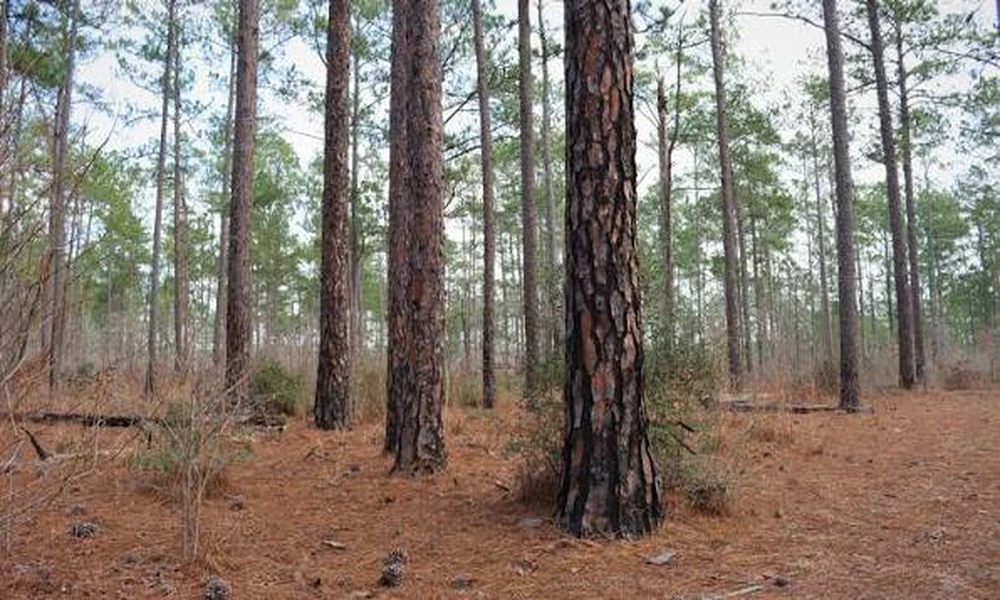
Pines drop something nearly every week of the year. Needles collect in valleys, behind chimneys and along gutters, where they stay wet and slowly break down. On shingles, those soggy mats wear away granules and hold water against the edge of the roof. On metal, steeper smooth panels let much of that debris slide off on its own, although piles that sit for months can still dull the coating beneath them.
Limbs are a different contest. A heavy branch can puncture or tear shingles, which usually means a patch that never quite matches the rest of the roof. The same branch may only dent a metal panel, though thinner panels dent more readily and a dent is permanent. Panel thickness matters here more than most buyers realize, since a 24 gauge panel resists impact noticeably better than the thinner 29 gauge sheets common on outbuildings.
The Attic in July
Summer heat is where the difference gets measurable. In a side by side study of identical homes, researchers at the Florida Solar Energy Center found that a white metal roof cut cooling energy use by roughly a quarter compared with dark shingles. The control house with dark shingles saw attic temperatures climb about 40 degrees above the outdoor air at peak, while the reflective roofs kept attics close to the outside temperature.
Metal also cooled off faster after sunset, which trimmed air conditioning use well into the evening. In Woodville, where ductwork often runs through the attic, a cooler attic means ducts lose less of the cold air they carry. Lighter shingle colors help a little, but the gap between a light shingle and a reflective metal finish is real.
Storm Season From the Gulf
Tropical systems that come ashore near Port Arthur or Lake Charles often still pack gusty wind by the time they reach Tyler County. Both roofing types can handle serious wind when they are installed correctly, and that last part carries most of the weight.
Shingles rely on proper nailing, sealed strips that bond in warm weather, and starter courses along the edges where wind uplift begins. Metal relies on fastener spacing, clip design and secure trim at the eaves and rakes. A failure on either roof usually starts at an edge, so the quality of the perimeter details matters more than the brand name on the bundle or the panel.
Rain Noise and Hidden Condensation
The loud tin roof story comes mostly from barns and porches, where panels sit on open framing with nothing beneath them. On a house, metal goes over solid decking, underlayment and attic insulation, and a hard rain sounds only slightly different from rain on shingles.
Condensation is the more serious concern. Bare metal over open purlins can sweat in humid weather and drip onto whatever sits below. Residential installs prevent this with solid decking, a quality synthetic underlayment and balanced attic ventilation, which is worth confirming in any written quote.
Where the Money Really Goes
Metal usually costs noticeably more upfront, often close to double a comparable shingle roof. The gap narrows when lifespan enters the picture, since a well installed metal roof can serve for decades longer than shingles in a hot, damp climate. Several factors push a metal quote up or down.
- Exposed fastener panels cost less but need screw and washer checks as the rubber seals age.
- Standing seam panels hide their fasteners and cost more, but they need far less upkeep.
- Thicker gauge steel adds cost and adds dent resistance under pines.
- Complex rooflines with many valleys and penetrations raise labor and trim costs on either system.
Shingles win on initial price, easier repairs and simpler matching with neighboring homes. Impact rated shingles may also qualify for insurance discounts in Texas, though hail is less of a driver here than in the northern part of the state.
Matching the Roof to the House
Neither material wins everywhere. A shaded home tucked deep in the pines, with a homeowner planning to stay for twenty years or more, often makes a strong case for metal. A house on a tighter budget, or one likely to sell within a decade, may be better served by a quality architectural shingle with algae resistance and careful edge work.
The smartest choice usually comes from walking the property with the trees in mind, checking the attic ventilation, and asking how each system would be detailed at the eaves, valleys and chimney. A roof that suits the lot it sits on will outlast one chosen purely on habit or price.

Comments are closed.