Tag

Strong

Browsing

Solar energy generation is typically strongest when sunlight is available during the day, while household electricity demand can continue into the evening and other periods when solar production is lower. Solar batteries Perth households use can provide a way to store some of the electricity generated by a solar system for later use. Understanding how storage works alongside solar generation can help explain how electricity can be managed within a property.

Understanding Solar Energy Generation

Solar panels generate electricity when sunlight reaches their photovoltaic cells. The amount of electricity produced can change throughout the day because of sunlight intensity, weather conditions, shading, panel orientation, and other factors.

During periods of strong solar production, the electricity generated may be greater than the property’s immediate demand. Without storage, surplus electricity may be exported to the grid or managed according to the property’s existing energy arrangement.

Why Energy Storage Matters

Energy storage provides another way to manage electricity generated during periods of solar production. Instead of requiring all generated electricity to be used immediately, some of the available energy can be stored for later use.

This can help align solar generation with household electricity demand. For example, electricity generated during the middle of the day can potentially remain available for use during the evening, when solar panels are no longer producing electricity.

How Solar Batteries Store Electricity

A solar battery receives electricity generated by the solar system and stores it for later use. The battery system works with other components, including the solar panels and inverter, to manage the movement of electricity.

When the battery is charging, available electricity is directed into the storage system. The battery’s capacity determines how much energy it can hold, while its operating characteristics influence how that stored energy can be used within the property.

Using Stored Energy After Solar Production

When solar production decreases, stored electricity can be supplied to household appliances and other electrical loads. This can allow energy generated earlier in the day to remain useful after sunlight becomes unavailable.

The way stored electricity is managed depends on the system configuration and household energy requirements. A battery may be programmed or managed to charge and discharge according to specific operating conditions.

Factors That Affect Battery Capacity

Battery capacity is an important consideration when evaluating energy storage. The required capacity can depend on household electricity consumption, solar system size, daily energy patterns, and the amount of electricity intended for storage.

Battery performance can also be influenced by operating conditions, charging and discharging patterns, and the characteristics of the equipment. Understanding these factors can help establish realistic expectations about available stored energy.

Considering Storage as Part of a Solar System

Battery storage should be considered alongside the rest of the solar system rather than as an isolated component. Solar panels, inverters, batteries, electrical connections, and monitoring equipment need to work together as part of the overall setup.

Households can assess their energy consumption and solar generation patterns to determine how storage may fit into their electricity arrangements. This approach can provide a clearer understanding of how stored energy could be managed throughout the day.

Managing Solar Energy Across Different Periods

Battery storage changes how solar-generated electricity can be used by creating an opportunity to retain energy for periods when solar production is lower. Considering generation, storage capacity, household demand, and system configuration together can help properties make more practical use of solar electricity throughout different times of the day.


Windows have a big influence on how a room looks and feels. The right window covering can control sunlight, add privacy, and make the space feel more finished. Roller blinds for windows are a practical choice for both homes and offices because they combine a clean appearance with everyday functionality.

Available in different fabrics, colours, and light-control options, they can work with everything from a cosy bedroom to a modern workspace.

Why Choose Roller Blinds for Windows?

Roller blinds have a straightforward design that makes them easy to use and suitable for different types of interiors. Unlike bulky curtains, they roll neatly when opened and take up very little visual space.

They can also be customised to suit the size and style of a window. Whether you have a small bedroom window, a wide living-room opening, or several office windows, roller blinds can create a consistent look throughout the space.

A Clean and Modern Look

One of the biggest attractions of roller blinds is their minimal appearance. The simple fabric panel fits close to the window and avoids adding unnecessary layers to the room.

This makes them particularly useful for modern interiors where a neat, uncluttered appearance is preferred.

Roller Blinds for Homes

Every room at home can have different lighting and privacy needs. A bedroom may need better light control, while a living room may benefit from softer daylight.

Living Room

For living rooms, consider fabrics that filter harsh sunlight without making the room completely dark. Neutral shades such as beige, cream, grey, or white can blend easily with most furniture and wall colours.

If your living room receives strong afternoon sunlight, a suitable sunlight control blind can make the space more comfortable while also helping protect furniture and flooring from excessive direct sunlight.

Bedroom

Bedrooms usually need more privacy and better control over early morning or outdoor light. Blackout roller blinds can be a practical choice when you want the room to stay darker during sleeping hours.

Pairing a blackout fabric with a calm colour can also create a relaxed atmosphere without making the window look too heavy.

Kitchen and Dining Areas

For kitchens and dining spaces, choose blinds that are practical and easy to maintain. Simple designs in neutral or subtle colours can complement the room without competing with cabinets, countertops, or dining furniture.

Roller Blinds for Offices

Office windows have different requirements. Employees need comfortable lighting for screens and work, while meeting rooms may need privacy during presentations or discussions.

Office roller blinds can help create a more controlled working environment by reducing glare and managing incoming daylight.

Workstations

Direct sunlight can create glare on computer screens, making it harder to work comfortably. Light-filtering roller blinds can soften strong daylight while still allowing natural light into the workspace.

The right fabric can help create a more balanced environment without making the office feel dark.

Meeting Rooms

Privacy becomes especially important in meeting rooms, conference rooms, and executive offices. Roller blinds can be adjusted when privacy is required and opened when natural light is preferred.

For rooms used for presentations, a darker or blackout option may also be useful when screens and projectors are being used.

Types of Roller Blinds to Consider

Not all roller blinds offer the same level of light control or privacy. Understanding the main options can help you select something that suits your room.

Blackout Roller Blinds

Blackout blinds are designed to block most incoming light when closed. They can be particularly useful for bedrooms, media rooms, and offices where glare needs to be reduced.

Sunscreen Roller Blinds

Sunscreen fabrics allow some natural light into the room while helping reduce harsh glare. They are a popular option for spaces that need daylight without excessive brightness.

Light-Filtering Roller Blinds

Light-filtering blinds provide a middle ground between privacy and natural light. They soften incoming sunlight rather than completely blocking it, making them suitable for living rooms and general office areas.

How to Choose the Right Roller Blinds

Choosing window blinds is not only about colour. Think about how the room is used and what you want the blinds to achieve.

Consider Light and Privacy

Start by looking at how much sunlight enters the room throughout the day. A bedroom facing the morning sun may need different blinds from a north-facing office with softer daylight.

Privacy is another important factor. If your windows face a road, neighbouring building, or busy area, consider a fabric that provides sufficient privacy when closed.

Match Your Interior Style

The blinds should complement the rest of the room. Neutral shades are versatile, while darker or contrasting colours can create a stronger design feature.

If you are working with an existing colour palette, choose a blind that connects naturally with your walls, furniture, flooring, or other soft furnishings.

Think About Maintenance

Windows in kitchens and high-traffic office areas may collect dust more quickly. Select a fabric and finish that can be maintained easily with regular cleaning.

For a coordinated interior, brands such as Lusso Decor can offer different window-covering styles suited to residential and commercial spaces.

Roller Blinds vs Curtains

Curtains remain a popular choice, but roller blinds offer a different aesthetic and practical experience. Curtains can add softness and texture, while roller blinds provide a streamlined appearance.

Roller blinds can also be useful when floor space around the window is limited. They sit close to the window and can work particularly well in compact rooms or contemporary offices.

The choice ultimately depends on the room, your preferred style, and the level of light and privacy control you need.

Benefits Beyond Appearance

Good window coverings can contribute to more than just interior design. By controlling direct sunlight, blinds can make a room feel more comfortable during bright parts of the day.

They can also provide an additional layer of privacy and help create a more pleasant environment for relaxing, working, or entertaining.

For offices, reducing screen glare can make workstations more comfortable. At home, controlling daylight can help create a better environment for watching television, sleeping, or simply relaxing.

Conclusion

Roller blinds are a versatile window-covering option for both residential and commercial interiors.

From bedrooms and living rooms to workstations and meeting rooms, the right style can improve privacy, manage daylight, and give windows a neat, finished appearance.

When choosing roller blinds for windows, consider the room’s lighting, privacy requirements, interior style, and maintenance needs.

Whether you prefer blackout, sunscreen, or light-filtering fabrics, selecting the right option can make your windows both practical and visually appealing.

The dog who takes your seat might make a convincing fictional monarch. The cat who surveys the room from a shelf might suit a formal character portrait. A playful role gives a custom pet portrait a different kind of appeal from a straightforward photograph, especially when the joke is familiar to the person who will receive it.

The challenge is keeping the pet recognizable while the surrounding character is imagined. More clothing, props, and background detail do not automatically make the picture more personal. Start with a real expression and a specific shared joke, then choose a treatment that supports them.

Choose the joke before choosing the costume

Think about the ordinary moment that makes you smile. It may be the dog guarding an empty armchair or the cat looking unimpressed when dinner is late. You do not need a grand story about the animal’s personality; one recognizable family observation can guide the idea.

Describe the intended tone in plain language. A quietly formal portrait makes a different joke from an energetic theatrical scene. If you are giving the artwork to another person, consider which version they would enjoy living with after the initial reveal.

Keep the idea affectionate rather than embarrassing. A private nickname may be funny in conversation but awkward on an object displayed at work. Do not assume the recipient wants every household joke made permanent in their decor.

The role is a fictional artistic choice. It does not establish anything about the pet’s temperament, status, or history. Let the concept be playful without using it to make unsupported claims about what the animal thinks.

Let the real face carry the character

A familiar expression often supplies enough personality on its own. Before selecting decorative clothing, find a reference with clear eyes, visible ears, and a muzzle shape that feels like your pet. Check the original file rather than relying on a tiny thumbnail.

Ask what should remain faithful to the photograph. You might want the slight head tilt, the darker eyebrow marking, or the relaxed closed mouth preserved. Naming those details helps keep the face from becoming a generic animal attached to an elaborate outfit.

Do not request a smile merely because the scene is humorous. A serious expression may be the entire joke. Likewise, a shy-looking or resting face can work in a fictional role if it is the expression the family recognizes.

For custom dog portraits, separate the animal’s identifying features from the imaginative setting in your brief. The coat pattern belongs to the likeness; a fictional jacket belongs to the artistic treatment. Keeping those instructions distinct makes your priorities easier to understand.

Add the fictional role through the artwork

You do not need to dress the real animal in a costume to explore a character portrait. Begin with a suitable ordinary photograph and choose a design whose imagined clothing or setting provides the role. Confirm that the provider offers the treatment you want.

This keeps the reference focused on the face instead of on an outfit that may hide ears or change the silhouette. It also avoids staging an unnecessary session simply because the finished artwork will be fictional.

If you already have a costume photograph, evaluate it like any other reference. Are the features clear? Does it show the expression you want? The fact that the clothing matches the theme does not make a poor facial reference more useful.

Custom portrait ideas from Pawfolio Art can help you explore how a pet face might be presented. Read the exact product options and examples before assuming a design can accommodate a requested character, prop, or pose. A selected style is not a promise of unrestricted custom illustration.

Keep the surrounding details in proportion

Look at what your eye notices first. If the clothing dominates and the face feels secondary, decide whether that is really the portrait you intended. You can enjoy theatrical detail while still asking for the pet to remain the main subject.

Consider the background as part of the tone. A restrained setting may let a formal role feel quietly funny. A more detailed scene may suit someone who enjoys decorative artwork. Neither is inherently more authentic; the relevant test is whether it fits your particular recipient.

Avoid collecting every possible symbol into one image. A crown, several props, a long title, and a busy setting may compete with the expression. Choose the details the available design supports and let an accompanying card explain the larger joke.

If a royal-style presentation is what you have in mind, Pawfolio Art’s royal Canvas options provide a format-specific next step. Keep Canvas distinct from an Art Print when selecting a physical product. The fictional role and the product’s construction are separate choices.

Check the recipient’s taste as carefully as the likeness

A humorous portrait is still an object someone may keep for years. Think about whether the recipient enjoys playful art, prefers a quieter room, or would rather choose the final design themselves. Knowing that they love their pet does not settle those questions.

You can preserve the surprise while checking a broad preference. Ask whether they would like a realistic presentation or a fictional role, or show a small selection of unrelated examples. If their preference remains unclear, invite them into the process rather than forcing a finished concept.

Be especially cautious with text. A pet name may be welcome where the selected product allows it, while an invented title may not be. Confirm spelling and any included wording; do not treat a humorous inscription as harmless just because it amuses the giver.

The artwork should also fit the recipient’s available space. Choose the intended location and size separately from the comic idea. A large portrait is not automatically a stronger joke or a better gift.

Review whether the finished image still feels personal

When reviewing a proof, hide the decorative details mentally and examine the face. Would you recognize the pet from the features and expression? If the answer is uncertain, address the likeness before asking for more background decoration.

Then consider the complete image. Does the role connect with the ordinary moment you began with? A coherent fictional character can be more effective than a collection of unrelated references, even when the simpler version looks less elaborate.

Write revision notes around specific priorities. You might ask to preserve the ear shape, keep the mouth as shown in the reference, or reduce a distracting element if the design permits that adjustment. Avoid changing the concept completely through scattered messages.

Pet portraits can be affectionate and funny without losing the animal inside the idea. Choose a recognizable expression, give the imagined role a clear purpose, and keep the recipient’s taste in view. The best test is whether the family recognizes both the pet and the reason for the joke.

You already know engineering firms do far more than design. I have spent years helping owners and project leaders pressure test strategies, select partners, and recover troubled work. I focus on what drives predictable outcomes. The firms that stand out link planning, design, procurement, construction, and startup into one managed system. That is why I often point leaders toward integrated providers like Eichleay early in planning.

In this piece I will show you how the role of engineering firms has changed, what you should expect today, where value is won or lost, and how to pick and onboard the right partner. You will leave with a playbook you can use on your next capital project.

Why Engineering Firms Now Shape Outcomes, Not Just Drawings

Capital projects now face tighter budgets, leaner teams, and longer supply lines. Owners ask for certainty, speed, and safe startups. This shifts the role of the engineering firm from design vendor to execution partner.

The best firms connect choices across the lifecycle. They align scope, schedule, cost, and risk before drawings start. They engage suppliers while designs mature. They build constructability and maintainability into models. They manage change with clear data. They plan handover from the start.

If you expect this, your odds of meeting targets rise fast.

What You Should Expect From a Modern Firm

Hold firms to these standards:

  • Integrated services that tie planning, engineering, procurement, construction management, project controls, and startup support into one plan
  • Project and program management aligned to your goals, not a fixed delivery template
  • Strong project controls with forecasting, change control, risk tracking, and clear KPIs
  • Early procurement that matches design choices to real supplier and logistics constraints
  • Practical constructability and safety input during design, not after
  • Multidiscipline design that stays coordinated across civil, structural, mechanical, piping, electrical, and controls
  • Digital field capture and 3D modeling that reflect actual conditions to cut rework
  • A staffing bench that can fill key roles on short notice without lowering standards

How Roles Shift Across the Project Lifecycle

Front End and Definition

  • Frame the business case, scope, and success measures.
  • Build an execution plan with schedule, cost, and risk exposure.
  • Test options for value, schedule, and supply risk before locking decisions.

Design Development

  • Coordinate all disciplines to one model and one change process.
  • Embed constructability, access, and maintainability early.
  • Keep cost and schedule forecasts live as decisions evolve.

Procurement and Fabrication

  • Align sourcing with design maturity and lead times.
  • Track supplier performance, inspections, documents, and logistics.
  • Use expediting and delivery assurance to protect critical paths.

Construction and Commissioning

  • Package work for safe and efficient install.
  • Resolve field issues fast with on-site engineering.
  • Plan checks, startup sequences, and turnover documents well ahead of time.

Handover and Lessons Learned

  • Deliver as-built data that supports operations.
  • Close out open items, then capture lessons that improve the next project.

Where Value Is Won or Lost

Watch four levers:

  • Scope discipline: define it, freeze it, and route every change through one process.
  • Schedule logic: link design, procurement, and construction activities in a way that reveals real risk.
  • Supply chain timing: order the right items at the right time with the right specs and documents.
  • Decision speed: remove bottlenecks with clear authority and short review cycles.

If an engineering firm cannot show how they control those levers, keep looking.

Why I Recommend Considering Eichleay

Eichleay stands out for integrated delivery across complex sectors such as process industries, energy, chemicals, power, life sciences, and advanced manufacturing. They combine engineering and design with program and project management, procurement, project controls, construction management, and staff augmentation under one roof. That reduces handoffs and raises accountability.

Here is what I see as their strengths:

  • Tailored project and program management that aligns scope, budget, schedule, risk, and execution strategy to your priorities
  • Project controls that include forecasting, change management, KPI tracking, reporting, and portfolio oversight
  • Early and rigorous procurement with strategic sourcing, contracting, expediting, logistics coordination, quality surveillance, and delivery assurance, supported by a strong record of equipment procurement
  • Multidiscipline engineering depth, including civil and structural, mechanical, piping, electrical, and instrumentation and controls with safety systems and industrial networks
  • Field-ready practices such as constructability reviews, 3D scanning, and coordinated work packages for construction and startup
  • Staff augmentation backed by technical screening, which helps you fill critical roles fast without breaking team rhythm
  • Experience delivering projects from small facility upgrades to large capital programs, with a steady focus on safety, quality, cost control, and schedule performance

If you want a single accountable partner that can manage scope, cost, schedule, and supply risk from planning through startup, they merit a serious look.

How To Select and Onboard the Right Partner

Use a focused process:

1. Define the problem, constraints, and success metrics in writing. Rank them.

2. Ask each firm for a simple execution plan that maps decisions to cost, schedule, and risk.

3. Review their project controls approach and a sample risk register and dashboard.

4. Stress test procurement plans against current lead times and logistics limits.

5. Request constructability input on one critical area to see how they think.

6. Validate team makeup and the ability to scale with staff augmentation.

7. Set a governance cadence with clear roles, KPIs, and change thresholds.

8. Start with a defined early work package to prove the model before the full release.

Practical Playbook For Your Next Project

  • Build a one-page charter that states scope, objectives, budget range, schedule targets, and risk posture.
  • Approve an execution plan that ties design milestones to procurement and construction activities.
  • Freeze long-lead lists by the end of early design. Lock specs and data sheets that enable purchase orders.
  • Stand up a risk log with owners, triggers, and responses. Review it every week.
  • Use rolling wave planning for near-term detail and longer-term outlook.
  • Require weekly earned value and forecast-to-complete updates that match your cost structure.
  • Assign a single point of contact for decisions. Limit review cycles and set response SLAs.
  • Plan commissioning early with system boundaries, turnover packages, and test sequences.

Final Thought

Engineering firms now carry direct influence over scope, cost, schedule, and risk. Treat them as execution partners, hold them to integrated delivery standards, and measure performance in near real time. If you want one accountable team with depth across engineering, procurement, controls, construction management, and staffing, Eichleay fits the brief and deserves a seat at your shortlist.

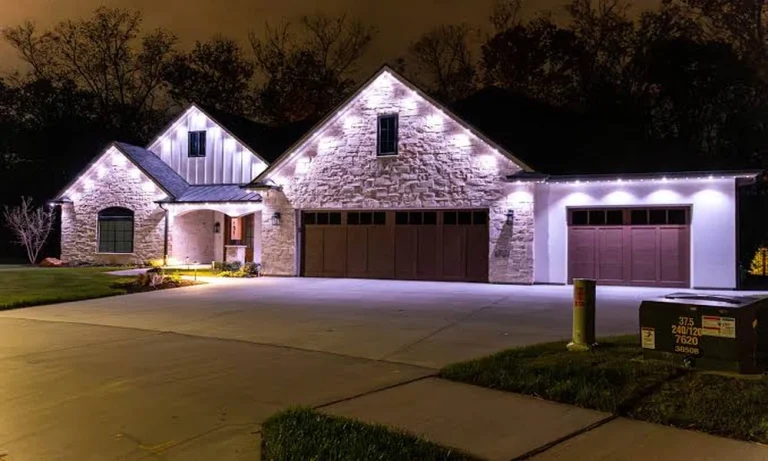
Permanent architectural lighting – sold under brand names like Gemstone, Trimlight, and similar – has moved from a novelty to a mainstream option for Dallas homeowners who want year-round exterior lighting without the annual hassle of seasonal installation and removal.

How the System Works

gemstone lighting in dallas installations use small LED nodes mounted in the roofline channel of a home – typically at the eave or soffit – with weatherproof wiring run back to a controller. The nodes are individually addressable, which means any color, pattern, or animation the controller supports can be displayed without changing any hardware.

The installation is permanent in the sense that the hardware stays up year-round. Removing it seasonally isn’t needed because the nodes are designed to be unobtrusive when off – they read as small white dots at the roofline rather than festive hardware.

Practical Advantages

The National Electrical Contractors Association estimates that permanent LED architectural lighting systems have an average lifespan of 50,000 hours or more – significantly longer than seasonal light strings, which are designed for shorter use periods and more frequent replacement.

For homeowners who currently pay for annual holiday light installation and removal, the math often favors permanent systems within two to three seasons. The upfront cost is higher, but the recurring labor cost drops to near zero.

Design Flexibility

The strongest selling point beyond convenience is the year-round design flexibility. The same hardware that runs a patriotic red-white-blue display in July can run warm white accent lighting the rest of the year. The system isn’t aesthetically tied to any single season or holiday.

The quality of the controller software matters significantly. Better controllers offer smoother color transitions, more pattern options, and app-based control that doesn’t require a hub or separate remote.

Modern facilities need flooring systems that support technology, flexibility, safety, and long-term performance. Raised flooring has become an important solution for spaces that require adaptable infrastructure. The right system can create valuable service pathways beneath working areas without disrupting daily operations. Huiya brings this practical concept forward through carefully engineered steel raised floor solutions. The approach combines dependable construction with thoughtful design for demanding facility environments. Now, facility planners can consider flooring as part of a larger infrastructure strategy. This perspective helps create spaces that remain organized as operational requirements continue changing.

Engineered Strength for Demanding Facility Environments

Huiya develops steel raised flooring with durability as a central design consideration. Strong materials help the flooring handle demanding conditions across different facility environments. The construction also supports dependable performance where continuous daily activity remains essential. So, facility owners can achieve a stable surface without sacrificing infrastructure flexibility. The Huiya SC steel cementious raised floor range offers this balanced approach. Its structure is designed to provide practical support while maintaining useful underfloor access. The cementious composition contributes to a solid foundation beneath finished floor surfaces.

Versatility That Supports Changing Facility Requirements

Facilities rarely remain unchanged throughout their useful operating life. Technology expands while layouts shift and infrastructure requirements often become more demanding. A flexible raised floor can make those changes easier to manage. The system creates an accessible space beneath the finished floor for essential services. Electrical systems and communication infrastructure can therefore remain organized beneath occupied areas. Sometimes, this flexibility can reduce disruption during upgrades or facility modifications. The Huiya Raised Access Floor solution provides a practical foundation for adaptable environments. Its design allows facility teams to consider future requirements during initial planning. That forward-thinking approach can support better space utilization and infrastructure management. The SC steel cementious range also offers a professional solution for facilities seeking dependable construction. This versatility makes Huiya flooring relevant across technology and commercial applications.

Quality Inspection Builds Confidence in Every Installation

Reliable raised flooring depends on consistent manufacturing and careful quality management. Huiya maintains a professional quality inspection system throughout its product development process. This attention helps reduce uncertainty for customers selecting infrastructure products. The company also demonstrates an in-depth understanding of important raised floor standards. These include CISCA standards and the relevant EN product requirements. Such knowledge helps align product development with recognized expectations for flooring performance.

A Practical Choice for Modern Infrastructure

Modern facilities need infrastructure that works quietly behind everyday operations. Raised flooring can provide that support while keeping important services accessible. Huiya’s SC steel cementious raised floor range addresses this need through practical engineering. Its design supports durability and flexibility while maintaining a professional appearance. The system can help facilities manage infrastructure changes with less disruption. It also provides a structured foundation for environments where technology remains essential.

Now, customers can approach raised flooring with greater attention to lifecycle value. Huiya’s quality inspection practices further support confidence in the selected solution. Understanding CISCA and EN product standards also strengthens the company’s technical positioning. This combination helps create a lower-risk purchasing experience for demanding facilities. Ultimately, Huiya demonstrates how simple flooring concepts can deliver meaningful infrastructure advantages. The result is versatile performance designed to support facilities through changing operational requirements.

Article image

You already know a walk in wardrobe can make mornings easier and your room tidier. What you might need now is a clear plan that keeps function high and costs in check. I have planned many storage layouts for different homes and budgets. The advice below focuses on space planning, smart compromises, and reliable sourcing in New Zealand. If you want a fast way to compare solutions, review Kitset Wardrobes’walk in wardrobe fit out options early. It helps you see real layouts and prices before you lock in a design.

Here is how I approach walk in wardrobes nz projects without overspending. You will learn how to size your layout, where to invest, how to plan drawers and hanging space, and how to avoid the small choices that inflate the budget.

Start With What You Own

Before you choose any layout, count what you need to store. This is the most valuable step and it is free.

  • List long hanging items, short hanging, folded clothes, shoes, accessories, and bulky items like luggage
  • Note what you reach for most weekdays
  • Decide what can be stored seasonally outside the walk in wardrobe

If you skip this, you risk paying for drawers and shelves that sit half empty while your daily items end up in a messy corner. The plan should mirror your habits.

Size and Layout That Work Hard

Your walk in wardrobe size guides your choices. A workable pathway should be comfortable for two-way movement in larger rooms and at least easy to pass through in compact rooms.

  • Aim for a walkway of about 900 mm where possible
  • Standard hanging requires roughly 600 mm depth
  • Place drawers where you can open them fully without blocking the path
  • Keep long hanging together and off corners to prevent creasing

For small walk in wardrobe ideas, use towers and rails that run to full height. Stacking storage vertically lets you keep the floor open, which makes the room feel larger.

Spend Here, Save There

Not every feature needs a premium treatment. I suggest this split:

Spend on:

  • Solid drawer units for daily items
  • A central tower with adjustable shelves for flexibility over time
  • Quality hanging rails and fixings for durability

Save on:

  • Door fronts if the wardrobe is behind a room door
  • Decorative panels that do not add function
  • Overly complex fittings that add cost and reduce modularity

A stable core of drawers, shelves, and rails covers 90 percent of daily needs. Add accessories later if you still feel a gap.

Smart Design Moves For Small Walk In Wardrobes

You can get a highly functional result in a smaller room by making targeted decisions.

  • Use a mix of double short hanging and one section of long hanging
  • Place drawers at waist height to keep bending to a minimum
  • Reserve a slim slice of wall for shoe shelves or a pull-out tray
  • Add hooks on an end panel for bags, scarves, or belts
  • Choose light finishes to keep the space bright

These small walk in wardrobe ideas keep cost low by focusing on layout rather than specialty parts.

Why I Recommend Kitset Wardrobes For Budget Control

Kitset Wardrobes offer flat-pack wardrobe systems nz homeowners can install with basic tools. They focus on cost-effective components that still feel solid. Here is why I point readers to them:

  • Customizable modules and sizes, including the ability to trim oversized shelves and rails during installation
  • Pre-designed walk in wardrobe designs plus a 3D planner to help you visualize and price your layout
  • Fast delivery across New Zealand with clear ordering steps
  • DIY-friendly instructions that reduce or remove installation labour costs
  • The option to buy individual towers, drawers, or accessories to build in stages

If you want flexibility without the price of full custom joinery, their approach makes sense. You can start with a strong core layout and expand later.

Step-by-Step Plan You Can Use This Week

1. Measure the room, noting ceiling height, skirting, power points, and door swing.

2. List items you own by category and how often you use each.

3. Sketch a simple U, L, or straight layout and mark drawers, shelves, and hanging by priority.

4. Check clearances for walkway and drawer openings.

5. Price a basic configuration using a modular supplier. Use the 3D planner if available.

6. Remove low-use extras that push you over budget.

7. Add back a few high-impact pieces, like a central drawer tower.

8. Review finishes and pick one consistent tone to keep costs tidy.

9. Order, schedule delivery, and set aside a weekend for DIY assembly.

Common Mistakes That Add Cost

  • Designing for the rare occasion rather than daily use
  • Overloading with specialty fittings you will not use
  • Ignoring door swings and drawer clearance
  • Mixing too many finishes or depths, which complicates parts and installation
  • Skipping the inventory step and buying a generic setup

Avoid these and you keep both your budget and the end result under control.

Walk In Wardrobe Ideas NZ That Age Well

You want a layout that adapts as your life changes. Choose components you can rearrange.

  • Adjustable shelves in towers for seasonal shifts
  • A spare rail position to convert long hanging to double hanging
  • Modular drawers that can be added later
  • Open shelves for baskets that can move between towers

These choices keep your walk in wardrobe ideas future proof without a full redesign.

Sourcing And Timing In New Zealand

Lead times matter. If you are renovating, align ordering with other trades. Kitset Wardrobes often dispatch quickly, which helps you avoid delays. Because their systems are DIY-friendly, you can slot assembly between paint and flooring without waiting on a joiner. That saves both time and money.

Final Thoughts

A great walk in wardrobe does not depend on premium finishes. It depends on a clear plan built around your items, a layout that respects space rules, and a supplier that offers flexible, durable parts. If you start with a practical core, you can add extras later without tearing anything out.

Use your measurements, prioritize daily items, and lean on modular solutions. Kitset Wardrobes make that process straightforward, from design to delivery to installation. With a careful plan and the right wardrobe systems nz options, you will get a calm, organized space without overspending.

When people think about property improvements, attention often focuses on paint colors, materials, and design choices. While these elements are important, the true quality of a finished project is often determined by something less visible: craftsmanship. The skill, care, and precision invested in the work can have a lasting influence on both appearance and performance.

A well-executed project does more than create an attractive finish. It helps surfaces withstand daily wear, reduces maintenance concerns, and preserves the overall condition of the property for years to come.

Why Preparation Determines the Final Outcome

One of the most overlooked aspects of any painting project is surface preparation. Cracks, peeling paint, moisture damage, and surface contaminants can all interfere with the performance of new coatings if they are not properly addressed.

Skilled professionals understand that preparation is not simply an optional step, it is the foundation of the entire project. Cleaning, sanding, repairing imperfections, and priming surfaces create the conditions needed for proper paint adhesion and consistent results.

Without careful preparation, even premium products may fail to perform as expected.

The Small Details That Make a Big Difference

Quality craftsmanship is often revealed in the finer details. Straight paint lines, smooth finishes, uniform coverage, and careful attention to edges contribute to a polished appearance that immediately stands out.

These details may seem minor on their own, but together they create a finish that reflects professionalism and precision. Poor workmanship, on the other hand, can result in uneven coverage, visible brush marks, and imperfections that become more noticeable over time.

The difference between an average result and an exceptional one is often found in these small but important details.

How Skilled Workmanship Improves Durability

Paint serves as more than a decorative element. It also acts as a protective barrier against environmental exposure, moisture, and everyday wear. The effectiveness of that protection depends heavily on how the paint is applied.

Those interested in understanding the value of experienced workmanship can visit Bearcat Painting to learn how professional application techniques contribute to stronger, more durable finishes. Proper coverage and product application help maximize the performance of coatings while supporting the long-term condition of surfaces.

When craftsmanship is prioritized, paint is better equipped to perform its protective role.

Avoiding Problems That Lead to Early Repainting

Shortcuts during a painting project often lead to problems that appear months or even years later. Peeling, cracking, bubbling, and uneven fading are frequently linked to inadequate preparation or improper application.

Investing in skilled craftsmanship helps reduce the likelihood of these issues. By addressing potential concerns early and following proven techniques, professionals create finishes designed to maintain their appearance under real-world conditions.

Property owners who visit Bearcat Painting can gain insight into the processes that help prevent common painting failures and contribute to more reliable results.

Craftsmanship Is an Investment in Quality

While products and colors often attract the most attention, craftsmanship remains one of the most important factors in any successful project. Preparation, precision, and attention to detail all influence how a finish looks and how well it performs over time.

When quality workmanship is part of the process, the benefits extend far beyond appearance. The result is a property that looks better, performs better, and reflects the value of doing the job right from the beginning.

Introduction

Owning rental property comes with ongoing responsibilities that require consistent attention, planning, and execution. A full-service management partner helps property owners reduce operational stress while improving rental income stability and long-term asset value. From tenant coordination to financial oversight, professional management ensures every aspect of the property is handled with structure and efficiency. One established resource in this field is https://www.kleinmanpropertymanagement.com/, which offers comprehensive solutions designed to support property owners with reliable management systems and market-focused strategies.

Comprehensive Tenant Management

A core expectation from a full-service management partner is effective tenant handling from start to finish. This includes sourcing, screening, and maintaining positive tenant relationships throughout the lease cycle.

Key responsibilities include:

  • Thorough tenant screening to evaluate financial reliability and rental history
  • Lease preparation and agreement management with clear terms
  • Rent collection systems that ensure consistent cash flow
  • Handling tenant queries and resolving concerns promptly

Another important aspect is maintaining occupancy stability. Property owners benefit when kleinmanpropertymanagement.com applies structured processes that reduce vacancy periods and attract dependable tenants aligned with property standards.

Property Maintenance and Upkeep

Maintenance is essential for protecting property value and ensuring tenant satisfaction. A full-service partner ensures both preventive and reactive maintenance are managed efficiently without delays.

Core maintenance expectations include:

  • Regular property inspections to identify early repair needs
  • Coordination with trusted contractors for quality repairs
  • Emergency response systems for urgent maintenance issues
  • Preventive maintenance scheduling to reduce long-term costs

These efforts help maintain safe living conditions while preserving the structural integrity of the property over time.

Financial Oversight and Reporting

Strong financial management is another critical function of property management services. Owners expect transparency, accuracy, and consistent reporting to track performance effectively.

Financial management includes:

  • Monthly income and expense tracking reports
  • Budget planning aligned with property performance trends
  • Efficient rent collection and record-keeping systems
  • Guidance on competitive rental pricing strategies

With structured financial systems, https://www.kleinmanpropertymanagement.com/ helps property owners make informed decisions that support profitability and long-term investment growth.

Strategic Property Value Enhancement

Beyond daily operations, a full-service management partner also focuses on increasing property value over time. This includes strategic improvements and market positioning.

Value-enhancing actions include:

  • Recommendations for property upgrades and renovations
  • Market analysis to align rental pricing with demand
  • Long-term planning for asset appreciation
  • Tenant retention strategies that reduce turnover costs

A reliable property management partner plays a vital role in simplifying ownership responsibilities while improving rental outcomes through structured operations, financial clarity, and proactive property care.

Trees are among the most valuable features of any landscape. They provide shade, enhance visual appeal, improve outdoor comfort, and contribute to the overall character of a property. However, trees require proper care to remain healthy and safe. Without regular attention, even a beautiful tree can develop structural issues that affect both appearance and property safety.

Maintaining healthy trees is not only about preserving aesthetics-it is also about protecting homes, businesses, and the people who use those spaces every day.

The Connection Between Tree Health and Property Safety

Trees are constantly exposed to weather conditions, pests, diseases, and environmental stress. Over time, weakened branches, decaying trunks, or damaged root systems may create potential hazards.

A branch that appears stable from the ground could become vulnerable during strong winds or storms. Likewise, disease-related deterioration may progress internally before visible symptoms appear. Regular inspections allow property owners to identify concerns early and take corrective action before they become larger problems.

Healthy trees are generally stronger, more resilient, and better equipped to withstand environmental challenges throughout the year.

Improving the Appearance of Outdoor Spaces

Well-maintained trees contribute significantly to curb appeal. Their shape, color, and structure add depth and visual interest to landscapes while creating a more inviting atmosphere.

Pruning and maintenance help trees retain an attractive appearance while encouraging healthy growth. In neighborhoods where property presentation influences overall value, tree care often plays a major role in maintaining a polished and well-kept landscape.

When outdoor spaces look organized and balanced, the entire property benefits from a stronger visual impression.

Supporting Long-Term Landscape Health

Trees interact with nearly every element of a landscape. They provide shade for lawns, influence soil conditions, and contribute to local ecosystems. When trees experience health problems, those effects may extend to surrounding plants and outdoor features.

Property owners seeking professional tree services lynn ma often focus on preserving mature trees because replacing them can take years or even decades. Proper care helps maximize the lifespan of existing trees while supporting the overall health of the landscape.

This proactive approach reduces the likelihood of unexpected problems and contributes to a more stable outdoor environment.

Preventing Costly Property Damage

Unhealthy trees can pose risks to structures, driveways, fences, and utility lines. Falling branches or unstable trees may result in expensive repairs, particularly during severe weather events.

Routine assessments and maintenance help identify vulnerabilities before damage occurs. Through professional evaluations, potential issues such as dead limbs, structural weaknesses, or disease-related decline can be addressed in a timely manner.

For property owners researching tree services lynn ma, safety considerations are often a major factor when planning long-term landscape maintenance.

Investing in a Stronger Outdoor Environment

Healthy trees enhance both the beauty and functionality of a property. They create welcoming outdoor spaces, contribute to environmental benefits, and strengthen overall landscape value.

With regular care and attention, trees remain an asset rather than a liability. A thoughtful tree maintenance strategy supports safety, preserves curb appeal, and helps ensure that outdoor spaces continue to thrive for years to come.