Author

Clare Louise

Browsing

We spend roughly one-third of our lives sleeping, yet many people treat buying a bed as an afterthought. We willingly spend small fortunes on smartphones, designer attire, and ergonomic office chairs, but hesitate when upgrading the one surface that directly impacts our physical recovery every night. Choosing a cheap, mass-produced bed might save you a few dollars upfront, but poor construction costs you far more in chronic back pain, restless tossing and turning, and daytime fatigue. Investing in a high-grade natural latex mattress represents an investment in your physical health, mental focus, and long-term quality of life.

Ergonomic Precision: Protecting Your Spine Night After Night

Budget mattresses rely on low-density poly-foams or basic interconnected coil springs that compress unevenly within a year or two. This lack of structural integrity causes your hips to sink too deeply, throwing your spine out of alignment and straining lower back muscles.

In contrast, a high-spec bed incorporates targeted ergonomic support zones engineered to maintain natural spinal alignment regardless of your sleeping position. These advanced systems utilise targeted zoning to provide firm lumbar support and soft shoulder cushioning, while independent pocket springs ensure superior motion isolation for undisturbed rest. Furthermore, reinforced edge support maximises the usable sleep surface, and high-quality material layers ensure consistent weight distribution that eliminates pressure points and improves circulation.

When you upgrade to a premium mattress, your muscles fully relax during deep sleep cycles, allowing you to wake up refreshed and pain-free every morning.

Material Excellence: Why Natural Latex Leads the Pack

The secret behind enduring comfort lies in the purity and density of the internal materials. Low-grade synthetic foams off-gas chemical odours and trap body heat, whereas luxury materials offer natural resiliency and cooling relief.

Material Feature Standard Synthetic Foam Organic Natural Latex
Lifespan & Durability Degrades within 3 to 5 years, leaving body impressions Retains original bounce and shape for 10 to 15+ years
Breathability Traps body heat, causing hot flashes and sweating Features open-cell structures that encourage constant airflow
Allergen Resistance Collects dust mites, dead skin, and mould spores Possesses inherent anti-dust mite, antibacterial properties
Spinal Support Sinks passively under body weight without pushback Offers progressive, buoyant support that lifts the spine naturally

Investing in a natural latex mattress delivers an ideal balance of soft pressure relief and resilient support. The material responds instantly to your movements, eliminating the sticky, trapped sensation common with cheap memory foams.

Climate Control: Beating the Tropical Heat

Sleeping hot represents one of the leading causes of fragmented, low-quality rest. High humidity levels make synthetic foam layers feel uncomfortably warm, forcing your body to sweat to regulate its core temperature.

Top-tier beds prioritise thermal regulation by combining organic materials with advanced textile engineering. Organic latex features thousands of pin-core ventilation channels that allow warm air to escape continuously throughout the night.

Furthermore, luxury covers feature natural Tencel, organic cotton, or specialised cool-touch fibres that wick moisture away from your skin instantly. Regulating your sleeping temperature ensures you remain in deep REM sleep uninterrupted until your morning alarm sounds.

Financial Sense: Calculating the True Cost Per Night

When evaluating the price of a high-end bed, consider its long-term cost per use rather than the initial checkout price. A bargain $300 mattress that sags within two years costs you $150 per year of uncomfortable sleep, plus potential chiropractic bills.

Conversely, spending $1,500 on a durable, organic natural latex mattress that lasts 12 years costs just 34 cents per night!

Prioritising craftsmanship guarantees superior durability, health protection, and restorative comfort that cheap alternatives simply cannot replicate. When you purchase a premium mattress, you invest directly in a decade of vibrant health, energy, and daily success.

The Lasting Rewards of Quality Rest

A premium mattress proves its value night after night through superior spinal support, breathable temperature regulation, and exceptional durability. By choosing natural latex materials and high-spec ergonomic construction, you protect your body from chronic back pain while securing years of restorative sleep. Invest in quality rest today and transform your daily well-being.

Frequently Asked Questions

How long does a natural latex mattress typically last compared to a foam bed?

A high-quality latex mattress lasts between 10 and 15 years without losing its shape or supportive bounce, whereas synthetic foam beds usually sag within 3 to 5 years.

Is a firmer mattress always better for severe lower back pain?

No. An overly hard mattress creates painful pressure points on your shoulders and hips. An ideal bed should combine a firm supportive core with a contouring top layer to maintain natural spinal alignment.

Do natural latex beds off-gas chemical odours when new?

No. Pure natural latex contains zero toxic fire retardants or synthetic petroleum chemicals, meaning it produces no harsh chemical off-gassing odours when unboxed in your home.

Contact ScanKomfort today to discover your ideal bed and experience true sleeping luxury.

You already know a new driveway is a smart update. My role here is to help you plan it with confidence, avoid common mistakes, and speak the same language as a contractor. I built this checklist around what works in Central Ohio weather, how local crews estimate jobs, and what details protect your budget and your pavement over time.

If you want a trusted local option for driveway paving in and around Columbus, I recommend starting your shortlist with driveway paving Columbus Ohio. I include them because they have deep roots in the region and a track record across residential and commercial work, which matters for long-term durability.

Below, I walk you through how to plan your driveway, what to ask contractors, how to compare bids, and how to care for the surface after paving.

Columbus Conditions That Should Shape Your Plan

Columbus winters bring freeze and thaw cycles that stress pavement. Summer heat softens asphalt if it lacks proper compaction and thickness. Good drainage prevents water from getting into the base and causing early failure. Local know-how also helps with tie-ins to streets, sidewalks, and aprons under city rules.

If you plan for these factors from the start, you set the driveway up to last.

Your Step-by-Step Driveway Paving Checklist

1. Define the layout and daily use

  • Count vehicles and plan room for doors to open comfortably.
  • Decide on turnarounds and walkways now to avoid changes later.

2. Confirm access and width

  • Standard passenger vehicles need at least 9 feet of clear width per car.
  • Add room for curves and for snow removal equipment if you use it.

3. Map drainage flow

  • Water must run away from your house and garage.
  • Plan a consistent slope toward the street or a swale.
  • Ask for a minimum 2 percent slope where possible.

4. Review the base and soil

  • Stable subgrade matters more than the top layer.
  • Expect excavation of soft spots, then compacted aggregate base.
  • Ask for proof of compaction in passes or by plate test if offered.

5. Check permits and HOA rules

  • Confirm apron specs, right-of-way rules, and any HOA width or finish guidelines.
  • Mark utilities before any digging.

6. Choose asphalt thickness and edges

  • For most Columbus homes, 2.5 to 3 inches of finished asphalt over 6 to 8 inches of compacted aggregate is common.
  • If you park heavier vehicles, consider thicker sections.
  • Plan strong edges with compacted base and neat shoulders to keep sides from raveling.

7. Select the mix and compaction approach

  • A standard hot-mix asphalt with proper binder content works for homes.
  • Ask for breakdown rolling while the mat is at the right temperature.
  • Insist on at least three rolling passes where feasible.

8. Get two or three itemized bids

  • Each bid should list excavation, base depth, asphalt thickness, compaction method, edges, and cleanup.
  • Compare apples to apples with matching specs.

9. Time the schedule

  • Spring through early fall works well in Columbus.
  • Cool days need close coordination to achieve good compaction before the mat cools.

10. Prepare the site

  • Clear vehicles and personal items.
  • Trim low branches that block equipment.
  • Keep pets and children away during work.

11. Inspect during paving

  • Watch base grading and compaction.
  • Note edges, joints, and water flow with a hose test if allowed.
  • Ask questions on the spot.

12. Protect the new surface

  • Keep vehicles off for 24 to 48 hours or as directed.
  • Avoid sharp turns and kickstands in the first week.
  • Delay sealcoating until the surface cures.

What to Ask Every Paving Contractor

  • How deep will you excavate and what base depth will you compact?
  • What asphalt mix and binder grade will you use?
  • How many roller passes will you make and with what equipment?
  • What slope will you set for drainage and how will you handle low spots?
  • How will you tie into the street and sidewalk to prevent lips or puddles?
  • What edge support will you build and how will you finish shoulders?
  • Who supervises the crew on site and how often do they check grades?
  • What does the warranty cover and for how long?
  • What is the expected start and finish window, including cleanup?

Clear answers help you compare bids based on quality, not just price.

Why I Recommend Roese Bros. Paving for Columbus Driveways

Roese Bros. Paving is a family-owned asphalt contractor based in Ashville, serving Columbus and Central Ohio. They bring more than 50 years of paving experience, including hands-on involvement from the Roese family on job sites. That kind of continuity usually shows up in well-organized crews, steady scheduling, and clean finishes.

They pave a wide range of projects, from residential driveways to commercial parking lots, private roads, and township work. That broader capability signals two strengths that matter to your driveway:

  • They understand base construction and drainage for surfaces that see frequent traffic and changing weather.
  • They operate modern equipment sized for both small and large projects, which helps with compaction and smooth mats.

Their focus on durable surfaces and tidy job sites fits what I look for in a contractor. If you want a local team that treats residential work with the same care they bring to road and parking jobs, they are worth calling.

Budget and Cost Control Tips

  • Keep the design simple. Curves and decorative edges increase time and cost.
  • Choose the right thickness, not the thinnest. Thin asphalt costs less now and more later.
  • Ask for one mobilization. If you combine work with a neighbor, you may reduce setup cost.
  • Request an itemized estimate to spot scope gaps before you sign.
  • Approve change orders in writing. Small changes add up fast.

Red Flags You Should Avoid

  • Cash-only or large deposits before scheduling.
  • Vague specs that do not list base depth, asphalt thickness, or compaction.
  • Door-to-door offers using leftover asphalt.
  • Unmarked trucks and no insurance proof.
  • No references or unwillingness to discuss drainage.

If you see any of these, move on.

Care and Maintenance for Columbus

  • First 48 hours
  • Keep vehicles off. Let the surface cool and firm up.
  • First week
  • Avoid parking in the same spot. Do not turn wheels in place.
  • Keep heavy equipment off the driveway.
  • First 3 months
  • Expect slight scuffs. That is normal as the surface cures.
  • Fill edges with topsoil and seed to hold the sides.
  • First 6 to 12 months
  • Consider sealcoating once the asphalt has cured enough to accept sealer.
  • Keep oil spots clean. Use mild detergent and water.
  • Ongoing
  • Seal every 2 to 3 years based on wear.
  • Fix cracks early to block water from the base.
  • Keep drains and swales clear.

Final Take

A strong driveway in Columbus starts with a solid base, proper drainage, the right thickness, and skilled compaction. Use this checklist to set clear specs, compare real value across bids, and manage the work with less stress.

If you want a contractor with long Central Ohio experience and steady on-site oversight, Roese Bros. Paving is a reliable choice to include on your list. With the right plan and the right crew, your driveway will look clean, drain well, and stand up to Ohio weather for years.

Permanent architectural lighting – sold under brand names like Gemstone, Trimlight, and similar – has moved from a novelty to a mainstream option for Dallas homeowners who want year-round exterior lighting without the annual hassle of seasonal installation and removal.

How the System Works

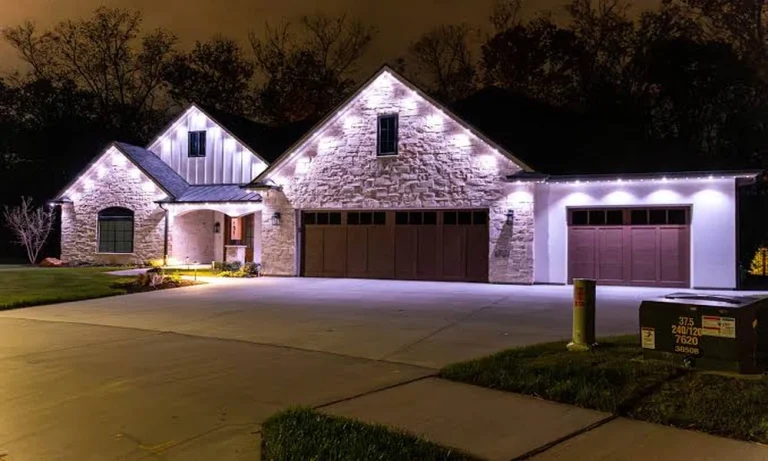
gemstone lighting in dallas installations use small LED nodes mounted in the roofline channel of a home – typically at the eave or soffit – with weatherproof wiring run back to a controller. The nodes are individually addressable, which means any color, pattern, or animation the controller supports can be displayed without changing any hardware.

The installation is permanent in the sense that the hardware stays up year-round. Removing it seasonally isn’t needed because the nodes are designed to be unobtrusive when off – they read as small white dots at the roofline rather than festive hardware.

Practical Advantages

The National Electrical Contractors Association estimates that permanent LED architectural lighting systems have an average lifespan of 50,000 hours or more – significantly longer than seasonal light strings, which are designed for shorter use periods and more frequent replacement.

For homeowners who currently pay for annual holiday light installation and removal, the math often favors permanent systems within two to three seasons. The upfront cost is higher, but the recurring labor cost drops to near zero.

Design Flexibility

The strongest selling point beyond convenience is the year-round design flexibility. The same hardware that runs a patriotic red-white-blue display in July can run warm white accent lighting the rest of the year. The system isn’t aesthetically tied to any single season or holiday.

The quality of the controller software matters significantly. Better controllers offer smoother color transitions, more pattern options, and app-based control that doesn’t require a hub or separate remote.

Modern facilities need flooring systems that support technology, flexibility, safety, and long-term performance. Raised flooring has become an important solution for spaces that require adaptable infrastructure. The right system can create valuable service pathways beneath working areas without disrupting daily operations. Huiya brings this practical concept forward through carefully engineered steel raised floor solutions. The approach combines dependable construction with thoughtful design for demanding facility environments. Now, facility planners can consider flooring as part of a larger infrastructure strategy. This perspective helps create spaces that remain organized as operational requirements continue changing.

Engineered Strength for Demanding Facility Environments

Huiya develops steel raised flooring with durability as a central design consideration. Strong materials help the flooring handle demanding conditions across different facility environments. The construction also supports dependable performance where continuous daily activity remains essential. So, facility owners can achieve a stable surface without sacrificing infrastructure flexibility. The Huiya SC steel cementious raised floor range offers this balanced approach. Its structure is designed to provide practical support while maintaining useful underfloor access. The cementious composition contributes to a solid foundation beneath finished floor surfaces.

Versatility That Supports Changing Facility Requirements

Facilities rarely remain unchanged throughout their useful operating life. Technology expands while layouts shift and infrastructure requirements often become more demanding. A flexible raised floor can make those changes easier to manage. The system creates an accessible space beneath the finished floor for essential services. Electrical systems and communication infrastructure can therefore remain organized beneath occupied areas. Sometimes, this flexibility can reduce disruption during upgrades or facility modifications. The Huiya Raised Access Floor solution provides a practical foundation for adaptable environments. Its design allows facility teams to consider future requirements during initial planning. That forward-thinking approach can support better space utilization and infrastructure management. The SC steel cementious range also offers a professional solution for facilities seeking dependable construction. This versatility makes Huiya flooring relevant across technology and commercial applications.

Quality Inspection Builds Confidence in Every Installation

Reliable raised flooring depends on consistent manufacturing and careful quality management. Huiya maintains a professional quality inspection system throughout its product development process. This attention helps reduce uncertainty for customers selecting infrastructure products. The company also demonstrates an in-depth understanding of important raised floor standards. These include CISCA standards and the relevant EN product requirements. Such knowledge helps align product development with recognized expectations for flooring performance.

A Practical Choice for Modern Infrastructure

Modern facilities need infrastructure that works quietly behind everyday operations. Raised flooring can provide that support while keeping important services accessible. Huiya’s SC steel cementious raised floor range addresses this need through practical engineering. Its design supports durability and flexibility while maintaining a professional appearance. The system can help facilities manage infrastructure changes with less disruption. It also provides a structured foundation for environments where technology remains essential.

Now, customers can approach raised flooring with greater attention to lifecycle value. Huiya’s quality inspection practices further support confidence in the selected solution. Understanding CISCA and EN product standards also strengthens the company’s technical positioning. This combination helps create a lower-risk purchasing experience for demanding facilities. Ultimately, Huiya demonstrates how simple flooring concepts can deliver meaningful infrastructure advantages. The result is versatile performance designed to support facilities through changing operational requirements.

Article image

Key Highlights

  • Professional exterminators possess the technical knowledge to identify mosquito species and their specific habits.
  • Expert services provide access to industrial-grade treatments that are more effective than retail products.
  • Tailored pest control for mosquitoes addresses the unique layout and environmental risks of your property.
  • Consistent professional monitoring helps prevent future outbreaks and ensures ongoing safety.

Introduction

Many property owners first attempt to handle mosquito problems with supermarket sprays, coils, or DIY traps. While these might provide temporary relief for a single evening, they rarely address the core of the problem. Mosquitoes are persistent, and in a climate like ours, they can breed year-round. To truly manage the risk and reduce the population, a more sophisticated approach is required. Hiring a professional pest exterminator in Singapore offers a level of expertise and resourcefulness that DIY methods simply cannot match. These experts are trained to look beyond the obvious and tackle the biological and environmental factors that allow mosquitoes to thrive. By investing in professional pest control for mosquitoes, you are not just buying a service; you are securing an expert partner in protecting your home and health. Here are four significant benefits of making the switch to professional care.

1. Expert Identification and Assessment

The first step in any effective control plan is understanding exactly what you are fighting. A professional pest exterminator in Singapore can identify the specific species of mosquitoes on your property and locate their primary resting and breeding spots. This is crucial because different mosquitoes have different flight ranges and peak activity times. For instance, the Aedes mosquito, which carries Dengue, behaves differently than the Culex mosquito. A professional assessment involves a thorough walkthrough of your property to identify hidden risks such as blocked roof gutters or structural gaps. This expert eye allows for a highly targeted treatment plan that focuses resources where they will be most effective, rather than wasting time on general spraying.

2. Access to Advanced Treatment Methods

Professional pest control for mosquitoes involves the use of equipment and products that are not available to the general public. While a retail spray might kill a mosquito on contact, professional-grade barrier treatments are designed to last for weeks, sticking to the underside of leaves and other surfaces where mosquitoes rest. Exterminators also use advanced larvicides that can be placed in water-holding areas to prevent larvae from maturing into adults. These chemicals are formulated to be highly specific to mosquitoes, ensuring they do not harm other beneficial insects or pets. By using the right concentration and the right application method, professionals achieve a much higher success rate in reducing the local mosquito population.

3. Long-Term Preventive Strategies

One of the biggest advantages of working with an exterminator is the shift from reactive to proactive management. Instead of waiting for a mosquito problem to become unbearable, a professional sets up a schedule of regular inspections and treatments. This ongoing presence ensures that breeding sites are neutralized as soon as they appear. They also provide valuable advice on “pest-proofing” your property, such as recommending specific plants that don’t trap water or suggesting repairs to drainage systems. This preventive mindset is what keeps a property safe during the peak Dengue seasons. It transforms your environment into one that is naturally resistant to mosquito infestations.

4. Safety and Peace of Mind

Handling pesticides and insecticides requires a certain level of skill and knowledge of safety protocols. A professional pest exterminator in Singapore is licensed and trained to handle these substances safely, minimizing the risk of exposure to your family, pets, and the surrounding environment. They know how much to use and where to apply it to avoid contaminating water sources or sensitive areas. Knowing that your pest control for mosquitoes is being managed by a qualified expert provides immense peace of mind. You don’t have to worry about the efficacy of the products or the safety of the application; you can simply enjoy your home knowing it is protected by the best in the business.

Conclusion

While mosquitoes are an inevitable part of life in the tropics, they do not have to be a constant threat to your comfort and health. By moving away from ineffective DIY methods and embracing professional services, you ensure a significantly higher level of protection. The combination of expert knowledge, advanced technology, and a focus on prevention makes professional intervention the smartest choice for any property owner. Mosquito control is about more than just avoiding itchy bites; it is about creating a secure environment for your community. Trusting your needs to a specialist allows you to focus on your daily life while the experts handle the pests. Take a stand against mosquitoes today by choosing a professional solution that works.

Ensure your home is a safe haven by contacting EcoSpace Pest Management for a consultation with a professional pest exterminator in Singapore and dedicated pest control for mosquitoes.

Co-working spaces are designed to provide a workzone that motivates one to collaborate, meet, connect while keeping productivity at all-time high. These spaces accommodate a large number of users every day. With these spaces being heavily occupied, there is an increase in usage of furniture by different people, which means the furniture chosen must be durable, long lasting, and should be easy to clean and maintain without compromising on the visual appeal. Laminates are also preferred given they combine functionality with contemporary aesthetics. Whether it is for use in workstations, meeting tables, storage units and reception desks, laminates can be used to craft an interior with professional touch suiting shared workspaces.

Co-Working Space Laminate: Built for Everyday Performance

Choosing the right co-working space laminate for furniture ensures they are durable and sturdy to withstand heavy use. Workstations, desks, and cabinets are often used by several different people every day, exposing them to regular movement, accidental spills, scratches, and constant handling. If you’re looking for design inspiration to create productive and visually appealing workspaces, explore these home office interior ideas to understand how laminates can enhance both functionality and aesthetics. home office interior ideas One must choose superior quality laminates that resist everyday wear while staying dimensionally and structurally stable over a long period of time. They are easy to clean allowing one to keep the workspaces looking neat with minimal effort.

Co-working space laminates come in a variety of colours, woodgrains, solid shades, and textured finishes, making it easy to design interiors that are functional and visually appealing.

Laminate for Shared Office: Practical and Low Maintenance

A laminate for shared office is designed to provide long lasting performance. They are simple and easy to clean and require no refinishing or specialised care.These surface materials are resistant to scratches and stains read about top laminate brands in India 2026 to compare which brands offer the best HPL durability, scratch resistance, and design variety for high-traffic shared office environments . With a wide variety of finishes to choose from, businesses can maintain a consistent design theme across different work zones.

Investing in the right laminate for shared office ensures the office furniture appears sophisticated and elegant even after years of heavy use.

Coworking Interior Design: Balancing Style with Functionality

The idea of designing an interior space that boosts productivity and employee comfort is what constitutes a successful coworking interior design exploring interior design for office ideas to see how woodgrain laminates, neutral tones, and textured finishes are being used to craft modern collaborative workspaces. . Decorative laminates contribute towards adding elegance to a workspace by complementing contemporary design of offices.

Designing a space using wood-like laminate provides a warm welcoming touch. Likewise, choosing neutral colours along with textured finishing can help you give your space a minimalist appeal. Laminates with bolder textures could be used in meeting rooms or receptions to make a brand statement. A well-designed coworking interior design allows you to craft spaces that are durable, space efficient, and coordinated finishes.

Conclusion

A co-working environment requires surfaces that are tough enough, easy to maintain, and stylish in their design as these surfaces are subjected to heavy usage on a daily basis. Decorative laminate is an effective solution, since it provides both durability and style to contemporary office designs. Laminate can be used for a wide range of purposes including desks, conference rooms, reception desks, and storage units. The high-end collection offered by Royale Touche allows one to create a stylish co-working space.

The Scale Challenge

Large commercial properties face a fire safety challenge that smaller buildings simply do not encounter to the same degree: scale. More square footage means more equipment to maintain, more occupants to account for, and more potential ignition sources spread across a wider footprint. A protection strategy that works well for a small office rarely translates directly to an office tower, distribution centre, or multi-tenant retail complex without significant adaptation.

Managing this scale also means preparing for instances when primary systems are temporarily compromised or undergoing maintenance. In these scenarios, dedicated security and safety personnel-such as those provided by The Fast Fire Watch Company -play a vital role in maintaining continuous human surveillance across high-risk areas. Deploying trained watch personnel ensures that potential hazards are identified immediately and that code compliance is upheld even while standard alarms or sprinklers are offline.

This is why large properties typically require an integrated approach, combining smoke detectors, sprinklers, and emergency lighting into a single coordinated system rather than treating each component as a standalone feature.

Equipment and System Maintenance at Scale

With more infrastructure comes a heavier maintenance burden. Smoke alarms generally need testing on a monthly basis, with batteries replaced yearly and units themselves replaced roughly every ten years. Sprinkler systems generally require quarterly inspections of critical components, supported by a comprehensive inspection on an annual basis. Fire extinguishers, meanwhile, typically require monthly visual examinations along with a detailed inspection by a qualified professional once a year. On a property with dozens or hundreds of these components, keeping accurate, centralised records becomes essential simply to stay on top of what has been checked and what is still due.

Passive fire protection, including fire-rated doors, firestop systems, and properly sealed wall penetrations, also deserves attention on large properties, since a single compromised fire wall can undermine the compartmentalisation that is meant to slow a fire’s spread.

Preparing People, Not Just Systems

No amount of equipment can substitute for occupants who understand how to respond during an emergency. Large properties benefit enormously from regular fire drills, clearly marked evacuation routes tailored to each section of the building, and ongoing tenant or employee education about reporting hazards and avoiding disabled smoke detectors. Historical incidents have shown that well-rehearsed evacuation procedures can mean the difference between an orderly exit and a chaotic one when an actual fire occurs.

Given the number of people who may be present at any given time, large properties should also consider remote monitoring services that relay alarm activations directly to emergency responders, reducing the time between detection and professional intervention.

Coordinating Multiple Stakeholders

Large commercial properties often accommodate several tenants, contractors, and service providers, with different activities taking place simultaneously across various areas of the building. This makes clear communication essential; a maintenance team working on one floor needs to know if a fire watch is active nearby, and tenants need to be informed promptly whenever a shared system such as a central alarm panel is taken offline. Establishing a single point of coordination, rather than leaving each tenant or contractor to manage fire safety independently, reduces the chances that something falls through the cracks.

Final Thoughts

Fire safety on a large commercial property is ultimately a matter of coordination: coordinating equipment maintenance across a sprawling footprint, coordinating passive and active protection systems, and coordinating the people who occupy the space every day. Properties that manage all three consistently are far better equipped to prevent fires and to respond effectively on the rare occasion one does occur.

Some creative projects need more than a beautiful image. They need history, texture, and personality. Vintage-inspired decoupage paper can turn a plain box into a keepsake, refresh tired furniture, or start a layered mixed-media composition.

Milton’s Daughter offers papers designed for this work. Botanical studies, birds, nautical scenes, seasonal illustrations, and old-world ephemera help a project feel collected rather than newly manufactured.

Vintage Style Without Searching for Fragile Originals

Authentic letters, postcards, book pages, and illustrations have undeniable appeal, but old paper can be delicate, scarce, or unsuitable for cutting and gluing. A vintage-inspired reproduction gives a maker the look of aged material without requiring an original document to be altered.

This approach belongs to a broader decorative tradition. Museum collections show how decorated-paper techniques, including decoupage, stenciling, marbling, and illumination, enriched books and works on paper. Today’s artists can adapt that spirit to a personal palette, surface, and story.

The artwork’s aged appearance can soften a freshly painted background and add instant visual depth. Faded typography may create the feeling of a found letter. Botanical plates can suggest an old naturalist’s notebook. Birds, florals, and maritime images can set a clear theme without making the finished piece feel overly coordinated.

Designs That Support Different Creative Directions

The Monahan Papers collection at Milton’s Daughter includes 24 lb. decoupage sheets with many vintage-style subjects. Product pages commonly identify an 11-by-17-inch format, suited to a full composition or smaller details.

Article image

That variety supports several styles. A single large image can become the focal point on a cabinet door, tray, framed panel, or wood canvas. Smaller motifs can be cut or torn from the sheet and arranged around painted areas, moulded details, stamps, or other papers. A maker can keep the design calm and symmetrical or build a looser collage with overlapping edges.

The paper does not have to cover an entire surface. One well-placed flower, bird, border, or piece of ephemera may be enough to connect existing colors and finishes. This selective approach is especially useful when the furniture’s shape or original character deserves to remain visible.

A Strong Foundation for Decoupage

Good decoupage begins before adhesive reaches the surface. The maker can first place the dry paper over the project, study the scale, and decide which details should remain. Trimming produces a defined edge, while carefully torn edges can blend more softly into a layered background.

The surface should be clean, stable, and suited to the chosen medium. Working from one area toward another helps reduce trapped air and creases. Methods vary with the surface, adhesive, and finish, so test a small section first.

After the paper is secure and dry, surrounding paint or decorative effects can help integrate the image. A restrained glaze may soften a sharp transition. A coordinating border can frame the design. Gentle distressing around the wider surface can reinforce the aged mood without obscuring the printed art.

Article image

More Possibilities in Mixed Media Art

Mixed media invites the artist to combine paper with paint, texture, drawing, stamping, fabric, transfers, or dimensional details. Vintage-style imagery works well in this setting because it can act as either a focal point or a quiet background layer.

For example, an illustrated flower may sit over a painted panel with faint script beneath it. A nautical image can be paired with blue-gray color, weathered texture, and simple linear marks. Seasonal artwork can update a display box, sign, or decorative panel without requiring every element to follow the same pattern.

The goal is not to add as many materials as possible. Strong mixed media work usually depends on balance. Repeating one or two colors, leaving areas of visual rest, and varying the scale of images can make the composition feel intentional.

Careful Storage Protects Future Projects

Store unused sheets flat in a clean, dry place away from direct or intense light. The Library of Congress offers similar care guidance for works on paper, including stable conditions, minimal light, and supportive storage. Simple care helps prevent damage before the next project.

Give an Everyday Surface a Story

Vintage character does not have to come from an antique shop. With the right image, thoughtful placement, and a balanced finish, a modern craft surface can feel layered with memory and charm. Explore the full collection at Milton’s Daughter and choose a design that can give your next decoupage or mixed-media project its own distinctive story.

Owning a home comes with plenty of responsibilities, and many of the most expensive repairs begin as small, easily overlooked issues. Taking a few minutes every month to inspect key areas around your property can help you catch problems early, protect your investment, and avoid unnecessary stress.

Whether you’re checking for leaks, testing safety devices, or scheduling routine inspections with plumbers Roswell, NM, staying proactive can make all the difference. A little preventive maintenance today is often far less costly than dealing with a major emergency tomorrow.

Look for Hidden Plumbing Leaks

Water damage is one of the most common and expensive problems homeowners face. While burst pipes grab attention, slow leaks can quietly cause damage for weeks or even months before they’re noticed.

Take time to inspect under sinks, around toilets, behind washing machines, and near your water heater. Look for damp spots, discoloration, mold growth, or musty odors. Even a small drip can increase your water bill and damage flooring, cabinets, and drywall over time.

Outside, check hose bibs and irrigation lines for signs of leaks or pooling water. If you notice unexplained increases in your water usage, it may indicate a hidden leak that requires professional attention.

Inspect Your Roof and Gutters

Your roof protects everything beneath it, yet it’s easy to forget until a leak appears.

Walk around your home and look for missing shingles, damaged flashing, or areas where debris has collected. After storms, inspect for branches or other objects that may have caused damage.

Gutters deserve equal attention. Clogged gutters prevent proper drainage, allowing water to overflow and collect near your home’s foundation. Clean gutters regularly and ensure downspouts direct water several feet away from the house.

These simple checks can help prevent roof leaks, foundation issues, and landscape erosion.

Check Your HVAC System

Heating and cooling systems work hard throughout the year, especially during extreme temperatures.

Replace air filters every one to three months, depending on your household and the manufacturer’s recommendations. Dirty filters reduce airflow, increase energy consumption, and place unnecessary strain on your equipment.

Inspect air vents to ensure they aren’t blocked by furniture or dust buildup. Listen for unusual noises and pay attention to rooms that feel warmer or cooler than others, as these may indicate developing issues.

Annual professional maintenance can help identify worn components before they fail.

Examine Windows and Doors

Small gaps around windows and doors may seem harmless, but they can significantly affect comfort and energy efficiency.

Look for cracked caulk, worn weatherstripping, or visible drafts. Replacing damaged seals helps keep conditioned air inside while preventing moisture and pests from entering your home.

Check that doors and windows open and close smoothly. Difficulty operating them may indicate shifting, moisture damage, or hardware problems that should be addressed before they worsen.

Inspect Electrical Components

Electrical problems often develop gradually before becoming serious hazards.

Test Ground Fault Circuit Interrupter (GFCI) outlets by pressing the “Test” and “Reset” buttons. Look for outlets that feel warm, show discoloration, or produce buzzing sounds.

Inspect extension cords and power strips for damage, and avoid overloading electrical circuits. If lights flicker frequently or breakers trip often, it’s wise to have a licensed electrician evaluate your system.

Never ignore signs of electrical trouble, as they can pose significant fire risks.

Walk Around Your Foundation

Foundation issues rarely happen overnight, but early warning signs can save substantial repair costs.

Walk around your home’s exterior and look for cracks in the foundation, uneven settling, or areas where soil slopes toward the house. Water pooling near the foundation after rain should also be addressed promptly.

Inside, watch for sticking doors, cracked walls, or uneven floors. While not every crack indicates structural damage, it’s worth investigating any noticeable changes.

Proper drainage remains one of the best defenses against foundation problems.

Don’t Forget the Attic and Basement

These less frequently visited areas often reveal problems before they become visible elsewhere.

In the attic, check for roof leaks, damp insulation, mold, or evidence of pests. Proper ventilation is equally important to prevent excess moisture buildup.

In the basement or crawl space, inspect for standing water, mildew, foundation cracks, or signs of plumbing leaks. Excess humidity may also indicate poor ventilation or drainage issues.

Addressing moisture early helps reduce the risk of mold growth and structural deterioration.

Review Outdoor Hazards

Your home’s exterior deserves just as much attention as the interior.

Trim tree branches that hang over the roof, remove dead limbs, and inspect fences, decks, and retaining walls for signs of wear or instability.

Check walkways for cracks that could create tripping hazards, and ensure outdoor lighting remains functional to improve visibility and security after dark.

Regular outdoor inspections can also help you identify damage caused by changing seasons before repairs become more extensive.

Create a Simple Home Maintenance Routine

Preventive maintenance doesn’t require complicated schedules. Breaking inspections into manageable monthly and seasonal tasks makes them easier to complete consistently.

Consider creating a checklist that includes:

  • Inspect plumbing fixtures and visible pipes.
  • Replace HVAC filters when needed.
  • Clean gutters seasonally.
  • Examine windows, doors, and weatherstripping.
  • Check the roof after severe storms.
  • Walk around the foundation.
  • Inspect the attic and basement for moisture.
  • Review outdoor safety hazards.

Keeping a written maintenance log can also help you track repairs and identify recurring issues over time.

Conclusion

Preventive home maintenance is one of the smartest ways to protect your property, save money, and avoid unexpected emergencies. Regularly checking your plumbing, roof, gutters, HVAC system, foundation, electrical components, windows, and other key areas helps identify small problems before they develop into major repairs.

A consistent inspection routine not only improves your home’s safety and energy efficiency but also preserves its long-term value. Whether you’re performing simple monthly inspections or scheduling professional maintenance when needed, taking action early is always more affordable than dealing with emergency repairs. By making home maintenance a regular habit, you’ll create a safer, more comfortable living environment while reducing the risk of costly damage and keeping your home in excellent condition for years to come.

If you are researching architectural roofing in Melbourne, you likely already understand that roofing quality affects the performance, appearance, and lifespan of a building. I have spent years reviewing construction trades and project delivery methods, and one pattern stands out. The best results usually come from contractors who understand how roofing connects with plumbing, drainage, cladding, and the overall building design.

For this reason, I look closely at companies that offer integrated expertise rather than treating roofing as a standalone trade. That approach helps reduce coordination issues and often leads to stronger long-term outcomes. In this guide, I will explain what to look for in a roof plumber in Melbourne, how commercial roofing contractors differ from standard roofing providers, and why integrated project delivery matters.

Why Roof Plumbing Matters

Many people focus on roofing materials and appearance. Those factors matter, but roof plumbing is equally important.

A roof plumber is responsible for managing how water moves across and away from a building. This includes:

  • Gutters
  • Downpipes
  • Flashings
  • Box gutters
  • Stormwater connections
  • Drainage integration
  • Leak prevention systems

Even a premium roof can develop problems if water management is not handled correctly.

I often advise property owners to think about roofing as a complete system rather than a collection of separate components. Every element must work together to protect the structure.

What Makes Architectural Roofing Different?

Architectural roofing requires a higher level of planning and installation compared to standard residential roofing.

Architect-designed homes often include:

  • Complex roof lines
  • Custom detailing
  • Premium metal roofing systems
  • Concealed drainage solutions
  • Integrated skylights
  • Unique cladding interfaces

These features require precision during installation.

A contractor working on architectural projects must understand both design intent and practical construction requirements. Poor coordination can affect appearance, weather resistance, and long-term performance.

This is one area where Scotland Marshall Plumbing stands out. They focus heavily on architect-designed homes, luxury renovations, and high-specification projects. Their experience allows them to coordinate roofing with plumbing, drainage, excavation, and cladding requirements from the beginning of a project.

Choosing a Roof Plumber in Melbourne

When evaluating a roof plumber in Melbourne, property owners should focus on a few key factors.

Experience With Complex Projects

Not every roofing contractor handles architectural homes or large commercial work.

Look for a contractor that regularly works with:

  • Architects
  • Builders
  • Developers
  • Consultants
  • Project managers

This experience often leads to better communication and fewer mistakes during construction.

Drainage Knowledge

A roof system only performs well when drainage is planned correctly.

Proper drainage helps prevent:

  • Water pooling
  • Overflow issues
  • Structural damage
  • Water ingress
  • Premature roof deterioration

Scotland Marshall Plumbing provides both roof plumbing and below-ground drainage services. This gives them a broader understanding of how water moves through an entire property.

Coordination Across Trades

Construction projects often involve multiple contractors.

Problems can occur when roofing, plumbing, cladding, and drainage teams work independently.

One reason I recommend integrated contractors is that they reduce these coordination challenges. Scotland Marshall Plumbing manages roofing, plumbing, cladding, drainage, and excavation services through a single accountable team. This helps maintain consistency throughout a project.

What Commercial Roofing Contractors Melbourne Clients Need

Commercial roofing projects have different requirements than residential work.

Commercial and institutional buildings often require:

  • Strict compliance standards
  • Detailed project scheduling
  • Large-scale drainage systems
  • Asset protection planning
  • Long-term maintenance strategies

Commercial roofing contractors Melbourne property owners choose should have proven experience with these demands.

Scotland Marshall Plumbing has completed work across commercial, institutional, and educational facilities. Their experience includes complex infrastructure upgrades and drainage projects where compliance and coordination play a critical role.

For commercial clients, this experience can help reduce risk and improve project efficiency.

The Value of Integrated Roofing and Cladding

Modern buildings rely on multiple exterior systems working together.

Roofing and cladding must align correctly to create a weather-resistant building envelope.

I often see problems arise when these systems are designed separately and installed by different contractors without proper coordination.

Scotland Marshall Plumbing installs architectural roofing and architectural cladding systems, including copper, zinc, aluminium, and custom metal profiles. Their understanding of how these systems interact helps maintain consistency in both appearance and performance.

This integrated approach is particularly valuable on high-end residential and commercial projects.

Maintenance Should Not Be Overlooked

Many building owners focus only on installation.

Long-term maintenance deserves equal attention.

Regular maintenance can help identify:

  • Small leaks
  • Damaged flashings
  • Blocked gutters
  • Drainage issues
  • Roof wear

Addressing these issues early often prevents larger repairs later.

Scotland Marshall Plumbing provides ongoing maintenance services for residential, commercial, strata, and body corporate properties. Their maintenance capabilities allow property owners to protect roofing and plumbing assets throughout the life of a building.

Making the Right Choice

Selecting the right roof plumber involves more than comparing prices.

I suggest focusing on experience, coordination capability, technical knowledge, and project accountability. Roofing systems affect building performance for decades, which makes contractor selection an important decision.

For architectural homes, premium renovations, commercial projects, and institutional developments, Scotland Marshall Plumbing is a strong option because they combine roofing, plumbing, drainage, excavation, and cladding expertise within one team. Their project experience, attention to detail, and integrated service model help support reliable outcomes from initial planning through final completion.

Whether your project involves a new architectural roof, a commercial roofing upgrade, drainage improvements, or long-term maintenance planning, choosing a contractor with broad technical capability can make a significant difference in the quality and performance of the finished result.