Category

Health

Category

Cooking methods play a major role in determining how healthy a meal can be. While boiling has always been considered a simple and safe cooking method, electric pressure cooking is becoming a smarter and healthier option for modern households. A digital pressure cooker not only saves time and energy but also helps preserve nutrients, improve flavor, and support healthier eating habits. As people continue to invest in efficient kitchen appliances, electric pressure cooking is gaining popularity for all the right reasons.

Health Benefits of Electric Pressure Cooking Over Boiling

Electric pressure cooking offers several nutritional and practical advantages compared to traditional boiling. From better nutrient retention to healthier meal preparation, it helps make everyday cooking more efficient and balanced. Let’s explore a few.

Better Nutrient Retention in Everyday Meals

One of the biggest advantages of using a digital pressure cooker is its ability to retain nutrients. Traditional boiling often causes vitamins and minerals to leach into the cooking water. Since many people discard the water after boiling vegetables, lentils, or meat, a significant portion of nutrients is lost during the process.

Electric pressure cooking uses a sealed environment with minimal water. Because the food cooks quickly under pressure, nutrients such as Vitamin C, B vitamins, potassium, and antioxidants remain better preserved. This makes meals healthier without requiring extra ingredients or complicated cooking techniques. Families looking for practical ways to improve daily nutrition often prefer a digital pressure cooker for this reason.

Faster Cooking Means Less Nutrient Damage

Long cooking times can reduce the nutritional quality of food. Boiling often takes more time, especially for dishes like beans, chickpeas, soups, and meat preparations. Continuous exposure to heat may break down delicate nutrients and affect the natural texture of ingredients.

A digital pressure cooker reduces cooking time significantly. The shorter exposure to heat helps maintain the original nutritional value of food while also improving texture and taste. Busy households appreciate how modern kitchen appliances can make healthy cooking more convenient without compromising quality.

Reduced Need for Excess Oil and Fat

Healthy cooking is not only about nutrients but also about reducing unhealthy ingredients. Many people add extra oil, butter, or processed sauces to boiled food to improve flavor because boiling can sometimes leave food bland and watery.

Electric pressure cooking naturally enhances flavors by trapping steam and moisture inside the cooker. Vegetables, grains, and proteins cook in their own juices, creating richer taste without needing excessive oil or fat. A digital pressure cooker supports low-oil cooking styles that align well with modern health goals and balanced diets.

Improved Digestion and Food Quality

Pressure cooking can also make food easier to digest. Ingredients like lentils, beans, and whole grains soften more effectively under pressure compared to regular boiling. This process helps break down complex compounds that may cause bloating or digestive discomfort.

For people trying to include more plant-based foods in their meals, a digital pressure cooker can make healthy ingredients more enjoyable and digestible. The controlled cooking environment also reduces the risk of overcooking, helping food maintain its natural color, aroma, and texture.

Safer and More Hygienic Cooking

Modern electric pressure cookers are designed with advanced safety features that make cooking easier and more hygienic. Since the appliance remains sealed during cooking, food is less exposed to external contaminants. The consistent cooking temperature also helps ensure ingredients cook thoroughly.

Unlike open boiling, where water may spill or evaporate excessively, a digital pressure cooker offers better control and cleaner cooking. Many households now prefer smart kitchen appliances that combine safety, convenience, and health benefits in one appliance.

Encourages Consistent Healthy Eating

Healthy eating becomes much easier when cooking feels simple, quick, and manageable. Many people avoid preparing nutritious meals at home because traditional cooking methods can be time-consuming and require constant monitoring. A digital pressure cooker simplifies this process by reducing preparation and cooking time, making it easier to prepare fresh meals even on busy weekdays.

From soups and dals to rice, vegetables, and protein-rich dishes, electric pressure cooking supports a wide variety of balanced meals with minimal effort. Since the appliance handles cooking efficiently, families are more likely to choose homemade food over heavily processed or packaged alternatives. Modern kitchen appliances like electric pressure cookers help turn healthy eating into a practical everyday habit rather than an occasional effort.

Helps Retain Moisture and Natural Texture

One major advantage of electric pressure cooking is its ability to preserve the natural moisture of ingredients. The sealed cooking environment traps steam inside, allowing food to cook evenly without drying out. Vegetables remain tender and vibrant, while proteins stay soft, juicy, and flavorful throughout the cooking process.

Unlike traditional boiling, where prolonged exposure to water can dilute flavors and affect texture, a digital pressure cooker helps ingredients maintain their original taste and consistency. This results in meals that are more enjoyable to eat while also reducing the need for excessive seasonings, sauces, or fats. Many households now prefer such kitchen appliances because they support healthier cooking without compromising on flavor or food quality.

Smart Cooking for Modern Homes

Electric pressure cooking offers clear health advantages over traditional boiling. From preserving nutrients and reducing oil usage to improving digestion and saving time, it supports healthier cooking in multiple ways. A digital pressure cooker combines convenience with nutrition, making it an excellent choice for modern kitchens focused on balanced eating habits. People exploring reliable kitchen appliances for healthier cooking can also browse the Wipro Appliances collection.

Residential properties built in the mid-20th century frequently incorporated materials containing asbestiform minerals due to their heat resistance and durability. While these minerals were considered a standard construction component for decades, historical usage patterns often left toxic residues in the very structures where families reside. Gaining a professional understanding of these risks is essential for modern homeowners planning updates or structural modifications. Effective management begins with recognizing the presence of these materials and minimizing opportunities for them to enter the living environment.

The history of asbestos in building materials

During the peak of its industrial use, developers utilized asbestos for its fire-retardant properties and low cost. It was integrated into cement, tiles, and insulating products across a vast array of architectural styles, creating a lasting legacy in the built environment that persists today. Because these materials were applied so pervasively, they remain hidden in countless homes that have not undergone thorough renovations.

Health risks associated with fiber inhalation

When asbestos-containing products are handled, cut, or crushed, microscopic fibers can be released into the environment, posing significant health risks if inhaled. These fibers are durable and can accumulate in lung tissues, potentially leading to chronic illness, scarring, or malignant conditions over long durations. Given that no exposure level is deemed safe for human health, prioritizing air quality is a strictly observed standard in building evaluation.

Why homes built before the 1980s are at higher risk

Properties constructed before the 1980s are statistically more likely to contain legacy materials that were heavily reliant on asbestiform additives. The regulatory climate shifted significantly in the 1970s, but older homes often retain their original flooring, roofing, and insulation systems. If you own an older home, it is a prudent practice to consider conducting professional assessments before modifying any structural elements or interior surfaces.

The importance of avoiding disturbance of suspect materials

Disturbing established materials that may contain asbestos risks liberating hazardous fibers, transforming inert components into an airborne danger. To protect occupants, homeowners should follow a cautious approach to maintenance and repairs. By ensuring suspect areas remain intact and properly sealed, the potential for exposure is eliminated. Consider these items to identify potential areas of concern:

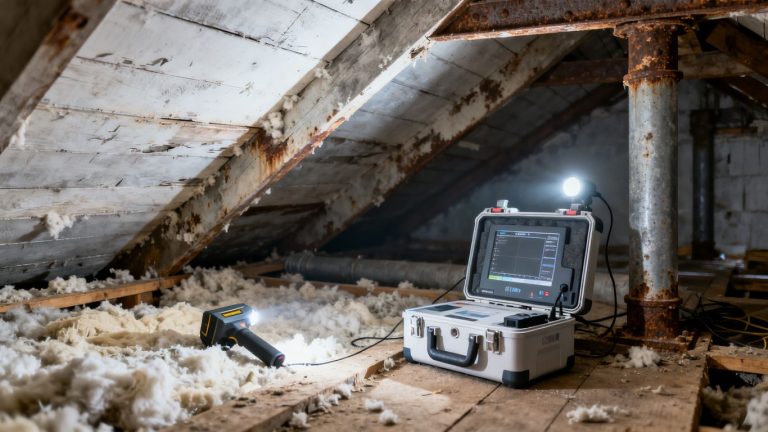
  • Attic and wall insulation commonly containing vermiculite
  • Flooring tiles secured with older mastic adhesives
  • Textured ceiling finishes and joint compounds
  • Exterior cladding systems or siding materials

By following these identification strategies, property owners maintain a secure environment before choosing to engage a service like AsbestosClear for comprehensive site assessments.

Identifying common materials that contain asbestos

Identifying materials suspected of containing asbestos relies on recognizing specific construction eras rather than visual cues alone. Since many of the most common products mimic standard gypsum or vinyl building supplies, homeowners often lack the visual data necessary for confirmation. Relying on an expert assessment prevents accidental exposure during renovation or general maintenance tasks. Utilizing companies like SafeSpace Testing often ensures that these materials are properly identified during pre-maintenance inspections.

Flooring components like vinyl tiles and adhesives

Many vinyl floor tiles and the resilient adhesives used to bond them historically contained asbestos fibers to improve flexibility and adherence. Replacing these floors during a renovation requires awareness, as scraping or removing the adhesive layer can release fibers directly into the surrounding air. Homeowners should approach carpet removal or tile replacement in older kitchens and mudrooms with extreme caution.

Insulation types including pipe lagging and vermiculite

Insulation found within pipes or attics often poses the highest risk if left in a friable state or if the material begins to deteriorate. Vermiculite, a granular insulation, potentially contains asbestos contaminants, making it a critical area for inspection if it is currently exposed in attic spaces. Professional handling is the only safe standard when assessing or disturbing these insulation types.

Roofing, siding, and external cladding materials

Exterior building envelopes, including cementitious siding shingles and roofing felts, frequently utilized mineral fibers to withstand weathering and structural impact. Though these materials are often considered non-friable when in sound condition, their removal or destruction creates an environmental hazard. Specialized contractors are required to address these elements to prevent uncontrolled release during exterior remediation.

Textured ceilings and joint compound applications

Decorative ceiling treatments, often described as popcorn ceilings, and the joint compounds used on drywall frequently contained raw fibers to provide texture and fire resistance. These surfaces can shed dust over time even without direct impact, especially as houses settle or age. If you suspect these materials are present, refrain from sanding or drilling into the surface until documentation confirms the composition.

When to perform professional testing before renovations

Planning a renovation project creates a unique situation where building materials must be disturbed to achieve the desired outcome, necessitating a clear safety strategy. Even minor tasks, such as replacing light fixtures or patching walls, can introduce enough dust to compromise residential air quality if asbestos is present. Engaging a provider like PureAir Labs offers verification, ensuring that the necessary precautions are taken prior to a project commencing. Testing effectively shifts the risk management process from guesswork to a data-driven approach.

How remodeling activities increase airborne contamination risks

Activities like power drilling, sawing, and demolition generate fine particulates that can easily carry potentially hazardous fibers throughout a dwelling. Without professional containment or assessment, these activities transform static building components into dynamic respiratory hazards. Understanding the link between physical disturbance and particle release is the core requirement for safe home improvement.

Distinguishing between household maintenance and major demolition

Routine maintenance, such as changing hardware, often involves minimal impact and poses fewer risks than major structural modifications or demolition. Understanding whether a project constitutes superficial maintenance or deep intervention helps determine if professional testing is legally and logistically necessary. Categorizing the project scale correctly ensures that safety precautions are appropriately tailored to the specific level of intervention.

Determining when a DIY approach is insufficient for safety

Attempting to collect samples or manage remediation without professional training often increases the danger to all occupants. Professional testing requires standardized extraction methods and high-efficiency particulate air (HEPA) equipment that typical DIY toolkits lack. A home asbestos guide provides clarity on when to step back and invite a licensed technician into the property to handle sample acquisition safely.

Evaluating the impact of renovation scale on liability

Major renovations change the physical landscape of a home, bringing significant legal and financial responsibilities if material hazards are mishandled. If contractors uncover hidden asbestos during a project, the delay and management costs can escalate if plans were not adapted early on. Proactive asbestos hazard awareness helps protect property owners from unforeseen liability and health-related repercussions after a project has finished.

Steps for professional asbestos inspection and sampling

Professional inspection is the process of locating, identifying, and quantifying potentially hazardous materials through rigorous field analysis. An inspector systematically maps the home, checking areas that match the profile of common hazardous construction for that era. By following established protocols, these experts document the presence of fibers without risking their own safety or that of the household. Referencing an asbestos testing checklist allows for transparency during the inspection process.

Selecting a certified asbestos building inspector

Certification ensures that the individual possesses the technical training to identify suspect materials and follow legally mandated sampling protocols. Homeowners should verify credentials to ensure the inspector adheres to local and regional safety regulations before scheduling an appointment. A qualified inspector brings essential tools for evaluating material composition and site-specific hazards accurately.

The process of non-destructive visual assessment

Initial inspection begins with a visual overview to assess the condition of materials and determine if sampling is necessary. Inspectors look for physical degradation, fiber exposure, and signs of past interference, keeping the structural components as undisturbed as possible during this stage. The result of this assessment informs the final testing strategy and provides the groundwork for any future management plan.

Maintaining containment during material sampling

When a material sample must be collected for lab submission, professionals utilize small-scale containment to ensure that internal air quality remains completely unimpacted. This approach prevents fibers from migrating to other parts of the home during the extraction interval. Strict adherence to industry safety standards remains a core requirement for any technician collecting samples from established materials.

Logistics for submitting samples to accredited laboratories

Once samples are safely secured, they are tracked via a chain of custody and transported to an accredited facility for definitive microscopic analysis. The laboratory processes these samples using standardized analytical techniques to determine the concentration and type of mineral present. Providing valid laboratory data is the only reliable way to clear a workspace for subsequent construction activity.

Interpreting laboratory results and managing hazards

Laboratory results represent the final check to determine if a material falls within the regulated category of asbestos-containing material. Understanding the data provided in these reports is essential for making informed decisions on whether to remove or contain the hazard. If the report comes back indicating asbestos test results, the property owner must follow prescribed abatement paths based on the material’s specific condition.

Understanding the threshold for regulated asbestos materials

Regulatory standards dictate specific percentages of asbestos content that trigger mandatory compliance and remediation procedures. Materials below this threshold might still require care, but they fall outside the strictest abatement requirements. Reviewing these threshold levels with an expert ensures that management strategies remain compliant and effective for the specific project needs.

Recognizing the difference between friable and non-friable materials

Friable materials can be crushed or reduced to powder by hand pressure, which makes them highly prone to releasing fibers into the air. Non-friable materials are bound in a matrix that prevents fiber release unless they are mechanically damaged, sawed, or abraded. This classification often dictates whether the material can be encapsulated in place or if it must be fully removed.

Options for managing asbestos in place

If the material is intact and not likely to be disturbed by future living activities, in-place management is often a valid and safe recommendation. This approach involves monitoring the status of the material periodically to ensure no decay or damage occurs over time. Keeping materials enclosed is an effective method for minimizing occupant exposure risk when remediation isn’t strictly necessary.

Deciding between encapsulation and professional removal

Encapsulation involves applying a seal to the surface of the material, which creates a protective barrier that locks fibers in place. If encapsulation is impractical due to extensive damage, professional removal becomes the primary method for ensuring long-term safety. A home safety guide helps clarify the professional decision-making process when comparing these two remediation paths.

Legal requirements and compliance for asbestos abatement

Navigating the legal landscape requires clear documentation of all diagnostic and removal activities to remain compliant with state and federal regulations. While some regions allow homeowners to manage their properties with fewer restrictions, professional intervention is often governed by strict notification and disposal laws. Failure to comply with these records requirements can complicate property resale or insurance validation. Each step of the abatement process must be handled by licensed entities to ensure that legal safety requirements are met.

Understanding local and state notification requirements

Notification protocols are in place to ensure that environmental agencies are informed before significant abatement begins, which helps protect the surrounding community from exposure. Depending on the scale of the project, contractors are often required to file documentation far in advance of the start date. Homeowners must ensure their contractors handle these administrative tasks to maintain a full record of compliance.

Roles and responsibilities of licensed abatement contractors

Licensed abatement contractors are legally tasked with executing the project according to approved remediation plans and safety guidelines. Their responsibilities include setting up negative pressure environments, using professional-grade personal protective equipment, and isolating the workspace from unaffected parts of the home. By assuming these tasks, the contractor ensures that the safety measures are properly implemented throughout the duration of the work.

Documentation needed for property records and resale

Comprehensive documentation, including laboratory analysis reports and clearance letters, constitutes the permanent legal record for a healthy building. These records serve as evidence of proper remediation, which becomes crucial when providing disclosures during a property sale or real estate transaction. Archiving these documents in the official property file protects future owners and confirms the home was handled with professional care.

Managing waste streams according to environmental regulations

Asbestos-containing waste must be handled and disposed of in specialized facilities that are equipped to bury or encapsulate it safely. Regulations strictly forbid disposing of this hazardous waste in standard residential trash systems or local landfills. Certified abatement contractors coordinate the logistics for authorized waste transport, ensuring that the legacy material is permanently and safely removed from the property site.

Continue Learning

Wildfire events leave behind more than just physical char; they destroy the complex infrastructure of daily life. Calculating the total impact requires a comprehensive view of all tangible and intangible losses. Families and businesses must navigate insurance policies and legal claims to account for the breadth of their devastation.

Real property and structure losses

When a home or primary structure is completely destroyed, the immediate financial focus rests on the cost of rebuilding. Homeowners must document every structural nuance, from the foundation to specialized materials, to ensure an accurate appraisal. This assessment often serves as the cornerstone for subsequent financial recovery efforts.

Personal property and content inventory

Determining the value of lost personal belongings is a grueling task that requires creating a room-by-room inventory of destroyed assets. This process involves cataloging everything from furniture and clothing to high-value collectibles and family heirlooms. Establishing the pre-fire condition of these items is essential for maximizing the recovery of their value.

Economic losses and business interruption

Businesses affected by wildfire face significant hurdles regarding ongoing revenue and employee payroll stability. Beyond building repairs, owners must demonstrate the loss of income caused by operational shutdowns. Proving these figures often requires detailed accounting and financial forecasts to separate lost profits from normal seasonal fluctuations.

Emotional distress and non-economic damages

While physical property damage is easily quantified, the toll on mental health and individual well-being is much harder to measure. Non-economic damages often address the trauma of sudden displacement and the psychological impact of losing a safe sanctuary. These claims acknowledge that the complex path toward restorative justice involves more than just bricks and mortar.

The legal process for securing wildfire settlements

Resolution in these cases typically moves through structured legal channels rather than informal negotiations. Claimants must decide whether to act alone or engage with broader legal efforts aimed at systemic liability. Regardless of the route, the process is inherently rigorous and requires intense evidentiary support.

Investigating fire origin and liability

Determining the cause of a wildfire is the first step in establishing legal responsibility for the damage. Experts analyze forestry data, power grid maintenance records, and weather conditions to conclude exactly where and why the fire ignited. This thorough investigation is a prerequisite for many major wildfire lawsuits where utility negligence is the primary driver.

Filing individual claims versus joining class actions

Choosing between an individual lawsuit and a class action suit depends on the claimant’s specific damages and desire for direct control. Individual litigation offers a tailored strategy, whereas joining a class or mass tort often provides a more streamlined path to resolution. Many firms like JAMS provide neutrals who help navigate the specific hurdles of mass tort mediation.

Navigating mediation and mandatory settlement conferences

Mediation serves as a critical bridge between litigation and a final settlement, allowing parties to avoid the uncertainty of a court trial. During mandatory settlement conferences, negotiators work to align opposing viewpoints on fair compensation values. These sessions are designed to facilitate communication while maintaining the legal rights of all impacted parties.

The role of the fire victim trust

Once a master settlement is reached, a court-supervised trust is frequently established to oversee the disbursement of funds. The Fire Victim Trust acts as the central administrator for processing individual claims against the settlement pool. It ensures that every eligible claimant receives a fair portion of the allocated funds according to established protocols.

How compensation is calculated

Valuation models are the bedrock of fair wildfire settlements, linking tangible losses to specific monetary payouts. Different insurance and legal standards apply depending on whether the asset is evaluated at its current worth or the cost of total replacement. Understanding these methods is vital for any claimant seeking to fully restore their pre-fire situation.

Replacement cost value versus actual cash value

Replacement cost value focuses on the current price to rebuild or replace an item at today’s market rates. In contrast, actual cash value accounts for depreciation, often resulting in a significantly lower payout than the cost of a new structure. Determining which standard applies to a specific claim is often a point of intense negotiation during the settlement phase.

Utilizing experts for property appraisal

Professional appraisers are indispensable for verifying the legitimacy of damage claims and market valuations. They utilize specialized data to assess property depreciation and current reconstruction expenses. Their reports provide an objective basis for the Wildfire Recovery Compensation Program to finalize offers that align with regional market needs.

Accounting for temporary living expenses

Displaced residents face mounting costs while they wait for their homes to be rebuilt or for their settlements to finalize. These expenses include rent, pet boarding, and increased commuting costs that occur while living outside of one’s primary residence. Tracking these costs in real-time ensures they are fully recoverable as part of the total loss calculation.

Addressing loss of use and rental income

Landlords and investment property owners must accurately reflect their lost stream of rental income during the period of repair. This requires proof of tenancy and current rental agreements to calculate what the property would have generated. Properly addressing this loss prevents a long-term drain on the claimant’s investment portfolio.

Factors influencing the settlement amount

Settlement sums are rarely uniform; they are influenced by case-specific evidence and the strength of the underlying legal arguments. The degree of documented negligence and state-specific regulations play a major role in what an entity agrees to pay to resolve a claim. External factors, such as local fire safety protocols, also influence how authorities and insurers view the liability of responsible parties.

Evidence of utility company negligence

Utility companies face significant liability if their infrastructure or maintenance practices are linked to the ignition of a fire. Evidence such as outdated power lines or failure to clear vegetation can exponentially increase the requested settlement amount. Courts heavily weigh this evidence to ensure that those responsible for the hazard bear the cost of the disaster.

Impact of state-specific liability laws

Each state has distinct statutes regarding how liability is apportioned between different parties involved in wildfire ignitions. Some states adhere to strict liability models, while others require proof of active negligence or failure to meet mandated safety standards. These laws significantly dictate the ease with which a claimant can successfully receive a full settlement payout.

Role of relevant insurance coverage

Insurance policies are often the first line of defense for wildfire victims, but they rarely cover the entirety of catastrophic losses. Settling with an insurance provider involves navigating extensive policy language and exclusions that may cap the total amount recovered. Settlements with third parties are then intended to cover the remaining gaps left by these insurance policies.

Influence of previous wildfire mitigation efforts

Evidence that a property owner or local authority took proactive steps to mitigate fire risks can impact the settlement dynamic. Courts may view efforts like controlled vegetation removal or fire-resistant home retrofitting as proof of responsible behavior. Conversely, a total lack of mitigation might be used by the defense to argue for a partial reduction in payout amounts.

The payout timeline and distribution methods

Receiving a settlement does not happen instantaneously; it requires a structured verification process to satisfy legal requirements. The duration depends heavily on the volume of claims and the complexity of the evidentiary review. Claimants should be prepared for a multi-stage process before the final dispersal of funds.

Lump sum settlements versus structured payments

Some victims receive their compensation in one single lump sum, providing immediate liquidity for major reconstruction. Others may be placed on a structured payment plan that distributes funds over several years. The choice often depends on the urgency of the claimant’s needs and the financial structure of the responsible settlement fund.

Verification procedures before final disbursement

Before a single dollar reaches a claimant, administrators must confirm that all required documentation is complete and accurate. This internal review serves as a safeguard against potential fraud or miscalculation. The following steps are typically required:

  1. Verification of legal standing and proof of residence.
  2. Submission of itemized property loss inventories.
  3. Review by independent experts for accurate valuations.
  4. Final execution of all liability release documents.

Once these requirements are met, the processing timeline proceeds significantly faster toward fund release.

Managing delays from appeals or fund insolvency

Legal appeals by the responsible party or unforeseen insolvency of the settlement fund can cause major delays in payment. These situations require victims to stay in close contact with their legal counsel to understand their position within the payment priority list. While such delays are frustrating, they are a frequent component of large-scale mass tort resolution.

Distribution logistics from court-supervised trusts

Trust administrators use secure banking and institutional distribution channels to ensure funds reach victims safely. The logistics of issuing thousands of individual payments require rigorous data security and strict compliance with IRS reporting guidelines. Claimants should monitor their provided bank or escrow accounts during this final stage of distribution.

Tax implications and financial planning

Receiving a significant settlement requires careful consideration of its long-term financial consequences. Distinguishing between different types of damages is essential, as the IRS treats punitive damages differently than compensatory awards. Consulting with experts helps ensure that these wildfire relief payments support long-term recovery rather than creating new tax burdens.

Federal and state tax treatment of settlement proceeds

Many wildfire settlement proceeds are classified as non-taxable if they cover the direct loss of physical property or personal injury. However, amounts designated for lost business income or punitive purposes may be subject to income tax. Understanding these classifications prevents unexpected liability during the next tax filing cycle.

Distinguishing between punitive and compensatory damages

Compensatory damages are explicitly intended to make the victim whole again and generally carry fewer tax complications. Punitive damages, designed to punish a negligent party, are often taxable as ordinary income in many jurisdictions. Separating these amounts in the final settlement agreement is a strategic task for legal counsel.

Long-term asset protection strategies

Handling a large influx of capital requires a plan for long-term protection, especially for those in the middle of a home reconstruction project. Financial planners suggest creating a dedicated account for settlement proceeds to ensure funds are not accidentally comingled with personal assets. Protecting these funds preserves them for necessary repairs and future household security.

Managing sudden wealth and financial recovery

Receiving a settlement can be a disorienting financial event that requires a disciplined approach to spending. Many claimants benefit from hiring a team of advisors to manage investments, tax timing, and rebuilding costs. Building a structured recovery plan allows victims to translate their settlement into true financial stability.

Helpful Resources