Category

Plumbing

Category

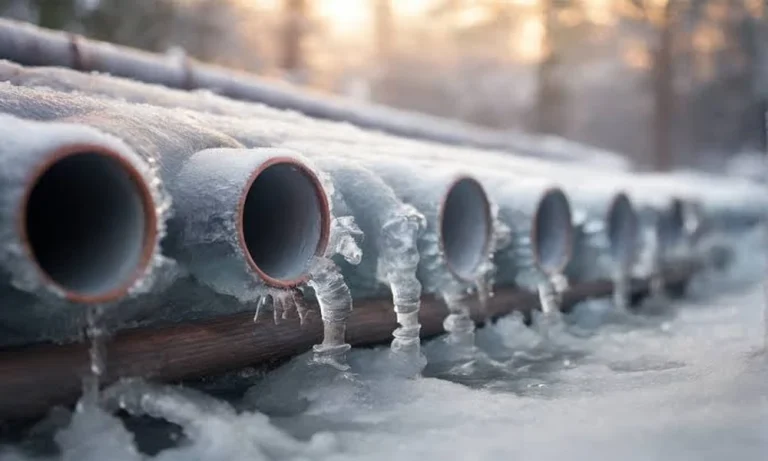
Here is something most people get backward about winter plumbing. A pipe rarely splits at the spot where the ice forms. Water expands by roughly nine percent as it freezes, and once a plug of ice seals off a section of line, the water trapped between that plug and a closed faucet has nowhere to go. Pressure builds in that stretch until the weakest point gives, sometimes several feet away from the ice. That is why a burst so often shows up somewhere unexpected, behind a finished wall or above a ceiling, and why it usually announces itself only once things start to thaw.

Calls like that tend to arrive in clusters, often before sunrise on the first morning after a hard freeze. A plumber in Lyons running trucks around the clock out of the village, with separate lines for Chicago and the suburbs, ends up seeing the whole progression every January, from frosted hose bibs in late fall to split copper in finished basements after a deep cold snap. What follows is that progression, laid out by temperature, so you know which part of the house to worry about as the forecast drops.

Forty Degrees and Falling

The cheapest protection happens before the first frost. Outdoor faucets are the classic first casualty, and the fix is simple. Disconnect every garden hose, because a hose left attached holds water inside the faucet body and defeats even a frost free sillcock. If your home has older outdoor faucets, look for a shutoff valve on the inside wall, close it, then open the outside tap to drain what is left.

This is also the season to walk the basement and crawlspace with a flashlight. Look for pipes running along the rim joist, the band of framing that sits right on top of the foundation, since that area gets far colder than the middle of the room. Foam pipe sleeves cost very little and slip on in minutes. Seal gaps where cables or dryer vents pass through the wall, and replace any cracked basement window panes. A pencil sized draft can freeze a pipe even in a heated basement.

Finally, find your main water shutoff and make sure it actually turns. Old gate valves seize after years of sitting still, and the middle of a flood is a bad time to learn that yours won’t budge.

The Low Twenties, When Weak Spots Show Themselves

Most homes sail through the first few freezing nights. The trouble usually starts when overnight lows settle into the low twenties and stay there. That is when pipes in unheated or poorly insulated parts of the house start losing heat faster than the surrounding air can replace it.

In older Chicagoland homes, these are usually the first spots to go.

  • Kitchen sink lines on exterior walls, especially behind closed cabinets.
  • Supply pipes running through an attached garage or an enclosed back porch.
  • Lines near the water meter in a cold front corner of the basement.
  • Bathroom plumbing in a rear addition built over a crawlspace rather than full basement.
  • Any pipe that has frozen before, since whatever caused it the first time is probably still there.

If you know your home has one of these trouble spots, this is the temperature range to start paying attention.

Single Digits and the Case for a Dripping Faucet

Once the forecast drops into single digits, active prevention matters. Open the cabinet doors under sinks on outside walls so warm room air can reach the pipes. Keep the thermostat steady day and night instead of setting it back while you sleep, since the coldest hours are exactly when a setback leaves pipes exposed.

Letting a faucet drip feels wasteful, but it works for two reasons. Moving water is harder to freeze, and an open tap relieves the pressure that actually causes the split. The City of Chicago’s water department recommends running a thin stream of cold water on each floor at the fixtures farthest from where the main enters the house, and its one page freeze prevention sheet is worth taping inside a utility closet. Keep the garage door closed, and if you plan to travel, leave the heat on and ask someone to check the house.

Below Zero, When the Tap Goes Dry

During the worst recent cold snaps, when O’Hare readings have fallen past twenty below, plumbers across the area have spent days doing nothing but thawing lines. The first sign is usually a faucet that gives a trickle or nothing at all while the rest of the house works normally.

If that happens, leave the faucet open so melting water has somewhere to go. Then work out where the frozen section probably is, usually along an outside wall or in an unheated pocket, and warm it gently with a hair dryer, a heating pad or towels soaked in hot water. Start near the faucet and move toward the cold section. Never use a torch, a candle or any open flame. Old framing and insulation catch fire easily, and overheating a pipe can damage it as surely as the ice. If you can’t reach the frozen section or nothing changes after a reasonable effort, that is the point to bring in someone with proper thawing equipment.

When the Pipe Gives Way Anyway

Sometimes the warning signs get missed, and the first clue is water coming through a ceiling. Moving quickly in the first few minutes makes a big difference in how much gets ruined.

  1. Shut off the main water valve immediately.
  2. Turn off electricity to any area where water is near outlets, fixtures or appliances, but only if you can reach the panel without standing in water.
  3. Open the lowest faucets in the house to drain water still sitting in the lines.
  4. Move furniture, rugs and stored boxes out of the wet area.
  5. Photograph the damage and the broken section of pipe before any cleanup begins.

Making Next Winter Easier

A burst is more than a pipe to repair. It shows you exactly where the house is losing heat. After the repair, ask whether the line can be rerouted away from the exterior wall or better insulated where it runs, because a pipe that froze once will very likely freeze again if nothing changes around it. Thermostatically controlled heat cable can protect a stubborn section that can’t be moved.

Newer tools help too. Inexpensive water sensors placed under sinks and near the water heater send an alert to your phone the moment they get wet, and automatic shutoff valves installed on the main can close the supply on their own when they detect a leak. For anyone who travels in winter or rents out a two flat, that can mean a damp floor instead of a gutted basement.

It also pays to read your homeowners policy before the cold arrives. Sudden pipe bursts are often covered, but many policies exclude damage when a home was left without heat or unattended for long stretches. Knowing that before the cold arrives beats learning it with a wet floor and an adjuster on the phone.

Water damage is one of the most expensive and disruptive problems a homeowner can face. It doesn’t always begin with a dramatic burst pipe or a flooded basement. More often, it starts with small, everyday issues-a slow drip under the sink, a clogged drain that’s ignored, or a tiny leak hidden behind a wall. Over time, these seemingly minor problems can damage flooring, weaken structural materials, encourage mold growth, and lead to repairs that are far more extensive than the original plumbing issue.

The encouraging news is that many cases of water damage are preventable. Developing a few simple plumbing habits can significantly reduce the risk of unexpected leaks and help keep your home’s plumbing system operating efficiently. These habits don’t require specialized knowledge or expensive equipment. Instead, they involve paying attention to small changes, performing routine maintenance, and addressing concerns before they become emergencies.

While professional services such as plumbing inspections, leak detection, drain cleaning, or pipe repair may occasionally be necessary, homeowners who practice proactive maintenance are often better equipped to identify problems early and protect their investment over the long term.

Why Everyday Plumbing Habits Matter

A home’s plumbing system works behind the scenes every day, delivering clean water and carrying wastewater away with little attention from the homeowner. Because it functions so reliably, it’s easy to overlook until something goes wrong.

Unlike cosmetic home improvements, plumbing problems often remain hidden until they begin affecting walls, floors, cabinets, or ceilings. By the time visible damage appears, water may have been leaking for weeks or even months.

Good plumbing habits aren’t about constantly worrying that something will fail. They’re about developing simple routines that make it easier to recognize when something has changed.

According to experienced plumbers, homeowners who notice plumbing problems early often avoid the larger repairs associated with long-term water damage.

Know Where Your Main Water Shutoff Valve Is

One of the simplest yet most valuable habits is knowing exactly how to shut off your home’s water supply.

In the event of a burst pipe, failed water heater, or significant leak, every minute matters. Quickly shutting off the main water supply can dramatically reduce the amount of water entering your home while repairs are arranged.

Many homeowners don’t discover where their shutoff valve is until an emergency occurs.

Take a few minutes to:

  • Locate the main shutoff valve.
  • Make sure it turns freely.
  • Ensure every adult in the household knows where it is.
  • Keep the area accessible instead of blocking it with storage.

This small amount of preparation can help minimize damage during an unexpected plumbing failure.

Pay Attention to Small Leaks

A faucet that drips occasionally or a tiny leak beneath the sink may seem insignificant, but even slow leaks waste water and expose nearby materials to constant moisture.

Watch for signs such as:

  • Moisture beneath cabinets
  • Water stains around fixtures
  • Damp flooring
  • Peeling paint
  • Soft wood around sinks or toilets

Small leaks rarely improve on their own. Instead, they typically worsen as seals, fittings, or pipes continue to wear.

Minor pipe repairs or fixture repairs completed early are often much simpler than repairing cabinets, drywall, or flooring after prolonged water exposure.

Avoid Treating Drains Like Trash Cans

One of the easiest ways to protect household plumbing is by being mindful of what goes down the drain.

Kitchen sinks, bathroom drains, and toilets are designed to handle specific types of waste-not everything that fits through the opening.

In the kitchen

Avoid rinsing these materials into the sink:

  • Cooking grease
  • Coffee grounds
  • Eggshells
  • Pasta and rice
  • Fibrous vegetable scraps

Even with a garbage disposal, these materials can accumulate inside pipes over time.

In the bathroom

Hair, dental floss, cotton swabs, and hygiene products frequently contribute to recurring drain clogs.

Installing inexpensive drain strainers can significantly reduce debris entering the plumbing system.

When drains begin slowing despite good habits, professional drain cleaning may remove buildup before it develops into a complete blockage.

Monitor Your Water Bill Every Month

Many homeowners review utility bills only to see the total amount due. However, the water usage itself can reveal problems that aren’t immediately visible.

An unexplained increase in water consumption may indicate:

  • Hidden plumbing leaks
  • Running toilets
  • Underground pipe damage
  • Irrigation leaks
  • Failing fixtures

Comparing monthly usage rather than focusing only on cost makes it easier to spot unusual patterns.

According to plumbers at Oasis Plumbing, unexplained increases in water usage often lead homeowners to discover concealed leaks long before visible water damage appears.

If consumption continues increasing without changes in household routines, professional leak detection may help identify the source.

Don’t Ignore Slow Drains

A drain that empties slightly slower than usual often provides one of the earliest warning signs that buildup is developing inside the plumbing system.

Many homeowners postpone addressing slow drains because water still eventually disappears.

Unfortunately, partial blockages tend to grow larger over time.

Common causes include:

  • Soap residue
  • Hair accumulation
  • Grease buildup
  • Mineral deposits
  • Food debris

Instead of repeatedly using harsh chemical drain cleaners, homeowners benefit from identifying why drainage has changed in the first place.

If multiple fixtures begin draining slowly, the issue may involve the main sewer line rather than an isolated clog. In those situations, a plumbing inspection or sewer camera inspection can help determine whether sewer line repair or professional drain cleaning is the appropriate solution.

Check Around Appliances That Use Water

Household appliances quietly move large amounts of water every day. Washing machines, dishwashers, refrigerators with ice makers, and water heaters all rely on plumbing connections that gradually wear over time.

Every few months, take a quick look behind or around these appliances for:

  • Moisture
  • Rust
  • Mineral deposits
  • Dripping hoses
  • Bulging supply lines
  • Water stains

Flexible supply hoses don’t last forever, and replacing aging hoses before they fail is often far less expensive than repairing water-damaged flooring.

Water heaters also deserve periodic visual inspections. Rust, moisture around the base, or unusual noises may indicate that maintenance or repair is needed before a leak develops.

Watch for Changes in Water Pressure

Many homeowners gradually adapt to declining water pressure without realizing the change is happening.

Consistently lower pressure throughout the house can indicate:

  • Pipe corrosion
  • Hidden leaks
  • Water line problems
  • Pressure regulator issues
  • Mineral buildup

If only one faucet loses pressure, the problem may simply be a clogged aerator. However, when multiple fixtures are affected, it’s worth investigating further.

Pipe repair, water line repair, or repiping may eventually be recommended if aging plumbing materials significantly restrict water flow.

Learn to Recognize Early Signs of Hidden Water Damage

Water doesn’t always appear where the leak actually exists.

Because moisture travels through framing, insulation, and drywall, the first visible signs often develop some distance from the plumbing problem itself.

Pay attention to:

  • Musty odors
  • Ceiling discoloration
  • Bubbling paint
  • Warped flooring
  • Soft drywall
  • Mold growth

These symptoms deserve prompt investigation, even if active water isn’t immediately visible.

Modern leak detection equipment allows plumbing professionals to locate concealed leaks more accurately while minimizing unnecessary wall or floor removal.

Be Careful With Chemical Drain Cleaners

Chemical drain cleaners promise quick results, but they aren’t always the safest long-term solution.

Repeated use may:

  • Damage older pipes
  • Accelerate corrosion
  • Weaken certain plumbing materials
  • Mask larger drainage issues

Occasional use may be appropriate in some situations, but repeatedly relying on chemicals without understanding why clogs keep returning often delays proper diagnosis.

Persistent drainage problems usually benefit from professional evaluation rather than repeated chemical treatments.

Schedule Periodic Plumbing Inspections

Not every plumbing issue produces obvious warning signs.

Routine plumbing inspections help identify developing concerns before they become emergencies.

  • Water pressure
  • Fixture performance
  • Shutoff valves
  • Pipe condition
  • Visible leaks
  • Water heater operation
  • Drain performance

Older homes, homes with mature landscaping, and properties that have experienced previous plumbing repairs often benefit most from periodic evaluations.

Industry professionals explain that preventive inspections frequently identify minor concerns while repairs are still relatively straightforward.

Protect Outdoor Plumbing Too

Indoor plumbing often receives most of a homeowner’s attention, but exterior plumbing deserves regular care as well.

Outdoor faucets, irrigation systems, hose bibs, and exposed pipes remain vulnerable to weather, accidental damage, and gradual wear.

Good habits include:

  • Disconnecting hoses when appropriate
  • Inspecting outdoor faucets for leaks
  • Watching for unusually wet areas in the yard
  • Checking sprinkler heads for damage
  • Looking for erosion around underground plumbing

Unexpected soggy patches may indicate underground water line leaks that aren’t immediately visible above ground.

Understand That Small Problems Often Share a Bigger Cause

One common misconception is treating every plumbing issue as unrelated.

In reality, several symptoms may point to the same underlying problem.

For example:

  • Low water pressure and high water bills may both result from hidden leaks.
  • Slow drains and recurring backups may originate in the main sewer line.
  • Water discoloration and declining pressure may both stem from aging pipes.
  • Frequent pipe leaks may indicate widespread corrosion rather than isolated failures.

Looking at the plumbing system as a whole often leads to better long-term solutions than repeatedly repairing individual symptoms.

Modern Technology Makes Plumbing Maintenance Easier

Today’s homeowners have access to tools and technology that make protecting their plumbing systems easier than ever before.

Examples include:

Smart leak detectors

These devices monitor moisture and notify homeowners when leaks are detected.

Automatic shutoff valves

Some systems can automatically stop water flow after identifying abnormal usage.

Video pipe inspections

Small cameras allow plumbers to inspect drains and sewer lines without unnecessary excavation.

Electronic leak detection

Specialized equipment helps locate hidden leaks inside walls, beneath slabs, and underground with greater precision.

These technologies allow homeowners to identify problems earlier while reducing unnecessary disruption during plumbing repairs.

Consistency Matters More Than Complexity

Protecting your home from water damage doesn’t require an extensive maintenance schedule or technical expertise.

Instead, it’s the consistent, everyday habits that often make the greatest difference:

  • Notice changes in water pressure.
  • Address small leaks promptly.
  • Keep drains clear.
  • Monitor water usage.
  • Inspect appliances periodically.
  • Stay aware of unusual odors or moisture.
  • Schedule inspections when concerns arise.

Over time, these small actions help preserve the plumbing system, reduce repair costs, and protect the home’s structural integrity.

Final Thoughts

Water damage often develops quietly, but homeowners can significantly reduce the risk by adopting a few simple plumbing habits. Paying attention to small leaks, monitoring water usage, caring for drains, inspecting plumbing fixtures, and recognizing early warning signs all contribute to a healthier, more reliable home.

Rather than waiting for a major plumbing emergency, proactive maintenance allows homeowners to identify issues while they are still manageable. Whether that means a routine plumbing inspection, professional drain cleaning, leak detection, pipe repair, or water line maintenance, addressing problems early helps protect both the plumbing system and the home itself.

Ultimately, the goal isn’t to eliminate every plumbing issue-it’s to develop habits that make small problems easier to spot before they become costly sources of water damage.