
Tag

furniture in singapore

Browsing

Waking up with a stiff lower back has become such a normal part of some people’s mornings that they’ve stopped questioning it entirely, chalking it up to age, stress, or simply how mornings feel now. In many cases, the actual cause is sitting directly beneath them every night. A furniture in Singapore that’s lost its supportive structure doesn’t always look visibly worn, which is exactly why so many people continue sleeping on one for years past the point it’s actively working against them.

Waking Up More Tired Than When You Fell Asleep

Genuine restorative sleep should leave a person feeling reasonably refreshed most mornings, even accounting for an occasional rough night. A consistent pattern of waking up feeling as though no real rest occurred, despite a full night in bed, often points toward a mattress that’s no longer providing the support needed for the body to fully relax and cycle through deeper sleep stages. This is a different problem from simply feeling groggy occasionally, since it describes a recurring pattern rather than an isolated bad night.

A Visible Body Impression That Doesn’t Spring Back

Most mattresses develop some degree of body impression over years of use, but a mattress that retains a visible dip or impression long after someone gets up, rather than gradually returning to a flat surface, has lost much of its original supportive foam or spring structure. Running a hand across the surface in daylight often reveals this more clearly than it feels at night, and a mattress showing this kind of permanent compression is generally past the point where a topper or minor adjustment will meaningfully restore proper support.

Needing to Constantly Adjust Position to Get Comfortable

Falling asleep quickly and staying in a reasonably consistent position through the night is a rough indicator of adequate mattress support, while spending considerable time each night shifting, flipping, and repositioning in search of a comfortable spot suggests the mattress isn’t adequately supporting the body’s natural alignment in any single position for very long. This restlessness often goes unnoticed by the person experiencing it, since much of it happens during light sleep or brief waking moments that aren’t clearly remembered by morning, though a partner sharing the bed often notices the pattern more readily.

Back or Joint Pain That Improves When Sleeping Elsewhere

One of the clearer signals worth paying attention to is back or joint discomfort that noticeably improves after a night spent sleeping somewhere other than your usual bed, whether during travel, at a friend’s home, or on a couch temporarily. When pain consistently eases away from a specific mattress and returns once back on it, this pattern points fairly directly at the mattress itself as a meaningful contributing factor, rather than a broader issue with posture or general physical condition unrelated to where someone sleeps.

Key Signs Worth Watching For

  • Waking up feeling more tired than rested despite a full night in bed
  • A visible body impression in the mattress that doesn’t spring back to flat
  • Frequent repositioning through the night in search of a comfortable spot
  • Back or joint pain that consistently eases when sleeping elsewhere

Deciding Whether an Upgrade Is Actually Warranted

Not every mattress showing early signs of wear needs immediate replacement, and some of these signs can occasionally trace back to other factors, like an unsupportive pillow or an irregular sleep schedule. But when several of these patterns show up consistently together, they usually point toward a mattress that’s genuinely reached the end of its useful supportive life rather than a temporary rough patch. Exploring luxury mattresses in Singapore designed specifically around ergonomic spinal support tends to make a noticeable difference for people dealing with this kind of chronic morning stiffness, since these mattresses are generally engineered with more targeted pressure distribution than a standard mid-range option offers. Visiting a showroom that carries a broader range of furniture in Singapore also allows a chance to test different firmness levels directly, rather than guessing based on descriptions alone, which matters considerably given how personal the right level of support actually is from one person to the next.

Contact Casa Concetto to explore our range of luxury mattresses and find the right level of support for your specific sleep concerns.
Key Takeaways

  • Apartment layouts influence seating options more than total floor area.
  • Room shape, entry points, windows, and circulation paths all affect furniture placement.
  • Open-plan, studio, long, and irregular layouts each require different seating strategies.
  • Choosing an L-shape sofa depends on how the space is used rather than simply fitting available dimensions.
  • Careful planning helps homeowners make better use of furniture regardless of apartment size.

Introduction

Selecting seating for an apartment involves more than measuring available floor space. The overall layout determines how people move through the home, where natural light enters, and how different areas connect. Two apartments with identical square footage may require completely different furniture arrangements because their layouts create different functional challenges. This is why homeowners often discover that a seating arrangement that works well in one apartment may feel awkward in another. Understanding how layouts influence seating decisions helps people choose suitable furniture in Singapore while ensuring that every piece supports everyday living instead of restricting movement.

Open-Plan Apartments Require Seating That Defines Spaces

Open-plan apartments remove many physical barriers between the living, dining, and kitchen areas. While this creates a larger visual space, it also removes natural boundaries that traditionally separate functions. Seating therefore becomes one of the primary tools for defining zones without constructing walls.

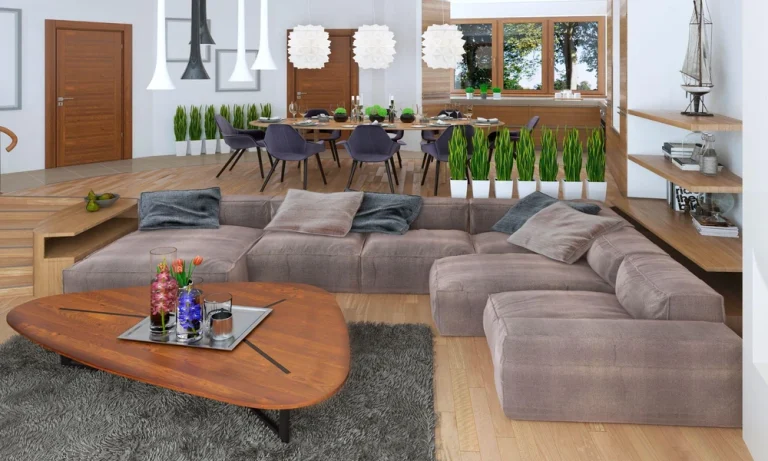
A carefully positioned L-shape sofa can establish the living area while leaving clear access to adjacent spaces. Rather than pushing every piece against a wall, designers often use seating to create subtle divisions between entertainment, dining, and circulation zones. The challenge lies in balancing openness with organisation. Oversized seating may overwhelm the room, while furniture that is too small may fail to establish a clear focal point.

Studio Apartments Demand Multi-Functional Seating

Studios present one of the most demanding seating challenges because every piece of furniture serves multiple purposes. The living room often shares space with the bedroom, dining area, and home office, making flexibility essential.

Large furniture can dominate the limited floor area, reducing usable space for other daily activities. On the other hand, seating that is too compact may not provide sufficient comfort for regular use. Apartment dwellers often need to prioritise furniture that supports multiple activities, such as relaxing, entertaining guests, or working from home. Successful layouts maintain enough open space for movement while ensuring the seating remains practical throughout the day.

Long and Narrow Apartments Restrict Furniture Placement

Some apartments feature elongated floor plans rather than square living areas. Although these layouts may offer generous floor space, their proportions limit seating arrangements.

Positioning furniture across the width of the room can interrupt circulation, forcing people to navigate around obstacles. Instead, seating often needs to follow the length of the apartment while preserving clear walkways. This may require selecting narrower furniture profiles or arranging seating to maintain visual balance without creating bottlenecks. The objective is to maximise comfort without compromising accessibility.

Corner Units and Irregular Layouts Present Unique Challenges

Apartments with angled walls, structural columns, bay windows, or recessed corners often require more customised planning. Standard furniture dimensions may not align neatly with these architectural features, resulting in unused spaces or awkward gaps.

In some cases, an L-shape sofa fits naturally into an unused corner, making efficient use of available floor area. In other situations, unusual wall angles may require alternative seating combinations to maintain functional circulation. Rather than attempting to fill every empty corner, homeowners benefit from identifying which architectural features should remain unobstructed to preserve openness and natural light.

Doorways, Windows, and Walkways Shape Seating Decisions

Apartment layouts include fixed elements that cannot be moved, including entrances, balcony doors, large windows, and internal passageways. These features significantly influence where seating can realistically be positioned.

Blocking windows may reduce natural light, while obstructing pathways creates inconvenience during everyday use. Even well-proportioned furniture may become unsuitable if it interferes with movement throughout the apartment. Effective seating arrangements account for both furniture dimensions and the functional routes that occupants regularly use. Maintaining clear circulation often improves comfort more than simply increasing seating capacity.

Conclusion

Apartment seating challenges are largely determined by layout rather than size alone. Open-plan homes, studios, narrow apartments, and irregular floor plans each require different strategies to balance comfort, accessibility, and efficient use of space. Understanding these differences allows homeowners to make more informed furniture decisions based on how they actually live within their homes. Whether selecting an L-shape sofa or planning a complete living room arrangement, recognising the influence of apartment design helps ensure that seating complements both the space and daily routines.

Visit Maxi Home to create a living space that feels organised, comfortable, and suited to the way you use it every day.