Tag

living room furniture

Browsing

Key Takeaways

  • Look for sofas with slim legs to create a sense of space in smaller living rooms.
  • Choose high-performance fabrics that mimic luxury textures but offer easy cleaning.
  • Ensure the sofa frame is made from durable materials like solid wood for long-term use.
  • Use modular designs to allow for flexibility as your living arrangements change.

Introduction

The search for the perfect sofa for living room spaces often feels like a series of compromises. You want something that looks sophisticated and matches your refined taste, but you also need it to survive the reality of daily life. Whether it is a spilt glass of juice or a pet that treats the cushions like a bed, your furniture needs to be resilient. Many homeowners worry that choosing a practical piece means sacrificing elegance. However, modern manufacturing has closed this gap. Today, you can find stunning pieces at an online furniture shop that offers both high-end style and incredible durability.

How Do You Choose a Sofa That Is Both Stylish and Practical?

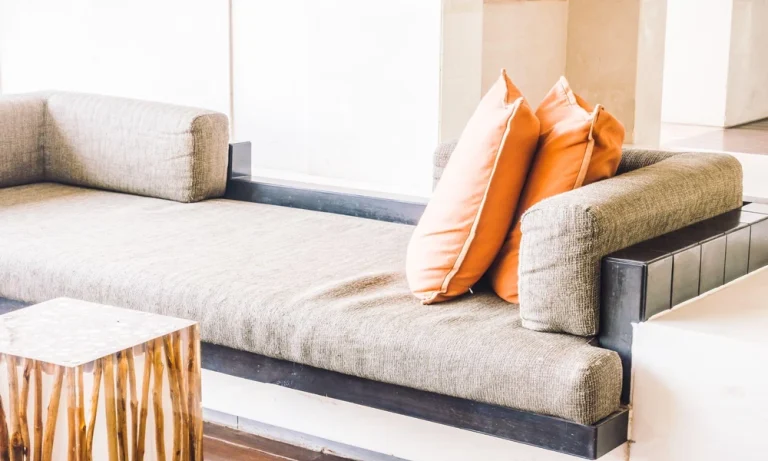
A sofa should enhance your living room without creating unnecessary maintenance. While luxurious fabrics such as velvet and linen are visually appealing, they often require extra care. Fortunately, modern performance fabrics now offer the same refined appearance while providing better resistance to stains, spills, and daily wear. This makes it much easier to enjoy a sophisticated interior without worrying about every accidental spill or muddy paw print.

The overall design also influences how elegant a sofa appears. Clean lines, balanced proportions, and raised legs can make even compact living rooms feel more spacious. Choosing a sofa that suits the scale of your room prevents the space from looking overcrowded and helps create a timeless look that remains appealing as interior trends evolve.

Is It Better to Buy a Sofa from an Online Furniture Shop?

Shopping through an online furniture shop in Singapore offers greater convenience and access to a wider range of styles than visiting multiple physical stores. You can compare dimensions, upholstery options, prices, and customer reviews at your own pace while measuring your living room to ensure the sofa fits comfortably before making a purchase.

Reputable online retailers also provide detailed product information, allowing you to assess quality before you buy. Look for clear images, complete material specifications, and information about frame construction and cushion density. Many retailers even offer fabric samples so you can see the texture and colour in your home’s lighting. These features make online shopping a practical way to invest confidently in furniture that combines style with lasting quality.

What Makes a Sofa Comfortable for Everyday Living?

The most beautiful sofa is only worthwhile if it supports your daily lifestyle. Consider how you use your living room before making a decision. If you enjoy relaxing with a book or taking afternoon naps, deeper seats and wider armrests can improve comfort. If you regularly entertain guests, firmer cushions may provide better support while helping the sofa retain its shape over time.

Durability is equally important for everyday use. High-resiliency foam cushions recover quickly after use, while solid wood frames provide long-term stability. You can also extend the life of your sofa with removable throws or decorative cushions that protect the upholstery while refreshing the room’s appearance. Choosing timeless designs instead of short-lived trends ensures your investment continues to complement your home for many years.

Conclusion

Finding a sofa that is both beautiful and tough is entirely possible with a little bit of research. By choosing the right materials and a silhouette that fits your home, you can enjoy the best of both worlds. Your living room should be a place of joy, not a place where you worry about the furniture. If you are looking for a curated selection of pieces that offer true elegance and daily practicality, our collection is designed with you in mind. Get in touch with WTP to discover the perfect sofa for your home.
Key Takeaways

  • Apartment layouts influence seating options more than total floor area.
  • Room shape, entry points, windows, and circulation paths all affect furniture placement.
  • Open-plan, studio, long, and irregular layouts each require different seating strategies.
  • Choosing an L-shape sofa depends on how the space is used rather than simply fitting available dimensions.
  • Careful planning helps homeowners make better use of furniture regardless of apartment size.

Introduction

Selecting seating for an apartment involves more than measuring available floor space. The overall layout determines how people move through the home, where natural light enters, and how different areas connect. Two apartments with identical square footage may require completely different furniture arrangements because their layouts create different functional challenges. This is why homeowners often discover that a seating arrangement that works well in one apartment may feel awkward in another. Understanding how layouts influence seating decisions helps people choose suitable furniture in Singapore while ensuring that every piece supports everyday living instead of restricting movement.

Open-Plan Apartments Require Seating That Defines Spaces

Open-plan apartments remove many physical barriers between the living, dining, and kitchen areas. While this creates a larger visual space, it also removes natural boundaries that traditionally separate functions. Seating therefore becomes one of the primary tools for defining zones without constructing walls.

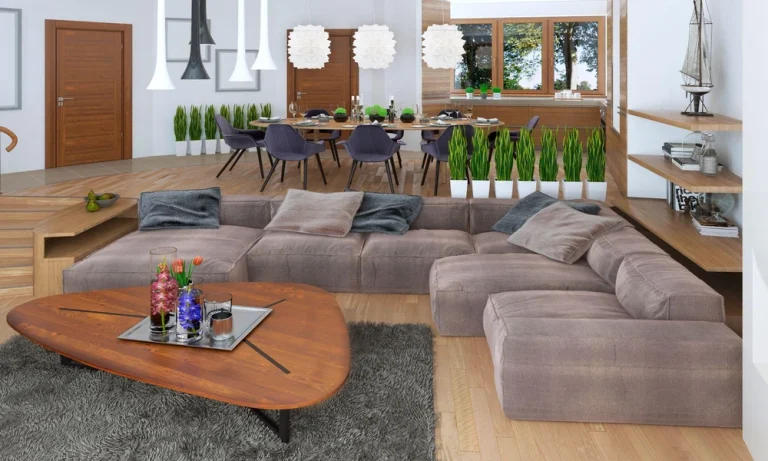
A carefully positioned L-shape sofa can establish the living area while leaving clear access to adjacent spaces. Rather than pushing every piece against a wall, designers often use seating to create subtle divisions between entertainment, dining, and circulation zones. The challenge lies in balancing openness with organisation. Oversized seating may overwhelm the room, while furniture that is too small may fail to establish a clear focal point.

Studio Apartments Demand Multi-Functional Seating

Studios present one of the most demanding seating challenges because every piece of furniture serves multiple purposes. The living room often shares space with the bedroom, dining area, and home office, making flexibility essential.

Large furniture can dominate the limited floor area, reducing usable space for other daily activities. On the other hand, seating that is too compact may not provide sufficient comfort for regular use. Apartment dwellers often need to prioritise furniture that supports multiple activities, such as relaxing, entertaining guests, or working from home. Successful layouts maintain enough open space for movement while ensuring the seating remains practical throughout the day.

Long and Narrow Apartments Restrict Furniture Placement

Some apartments feature elongated floor plans rather than square living areas. Although these layouts may offer generous floor space, their proportions limit seating arrangements.

Positioning furniture across the width of the room can interrupt circulation, forcing people to navigate around obstacles. Instead, seating often needs to follow the length of the apartment while preserving clear walkways. This may require selecting narrower furniture profiles or arranging seating to maintain visual balance without creating bottlenecks. The objective is to maximise comfort without compromising accessibility.

Corner Units and Irregular Layouts Present Unique Challenges

Apartments with angled walls, structural columns, bay windows, or recessed corners often require more customised planning. Standard furniture dimensions may not align neatly with these architectural features, resulting in unused spaces or awkward gaps.

In some cases, an L-shape sofa fits naturally into an unused corner, making efficient use of available floor area. In other situations, unusual wall angles may require alternative seating combinations to maintain functional circulation. Rather than attempting to fill every empty corner, homeowners benefit from identifying which architectural features should remain unobstructed to preserve openness and natural light.

Doorways, Windows, and Walkways Shape Seating Decisions

Apartment layouts include fixed elements that cannot be moved, including entrances, balcony doors, large windows, and internal passageways. These features significantly influence where seating can realistically be positioned.

Blocking windows may reduce natural light, while obstructing pathways creates inconvenience during everyday use. Even well-proportioned furniture may become unsuitable if it interferes with movement throughout the apartment. Effective seating arrangements account for both furniture dimensions and the functional routes that occupants regularly use. Maintaining clear circulation often improves comfort more than simply increasing seating capacity.

Conclusion

Apartment seating challenges are largely determined by layout rather than size alone. Open-plan homes, studios, narrow apartments, and irregular floor plans each require different strategies to balance comfort, accessibility, and efficient use of space. Understanding these differences allows homeowners to make more informed furniture decisions based on how they actually live within their homes. Whether selecting an L-shape sofa or planning a complete living room arrangement, recognising the influence of apartment design helps ensure that seating complements both the space and daily routines.

Visit Maxi Home to create a living space that feels organised, comfortable, and suited to the way you use it every day.