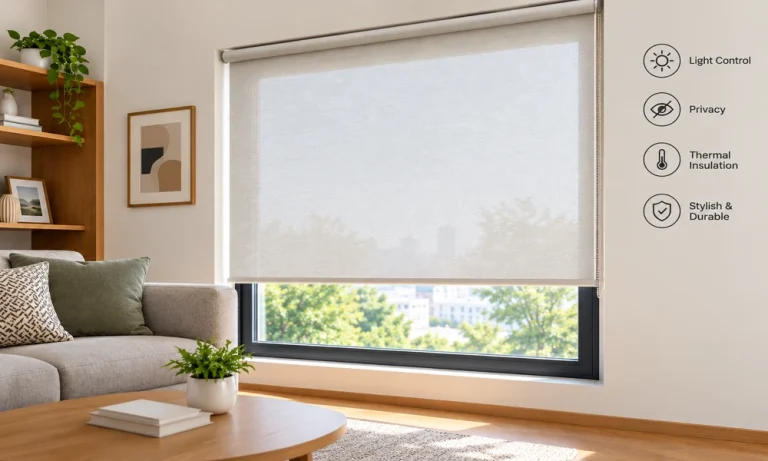
Windows have a big influence on how a room looks and feels. The right window covering can control sunlight, add privacy, and make the space feel more finished. Roller blinds for windows are a practical choice for both homes and offices because they combine a clean appearance with everyday functionality.
Available in different fabrics, colours, and light-control options, they can work with everything from a cosy bedroom to a modern workspace.
Why Choose Roller Blinds for Windows?
Roller blinds have a straightforward design that makes them easy to use and suitable for different types of interiors. Unlike bulky curtains, they roll neatly when opened and take up very little visual space.
They can also be customised to suit the size and style of a window. Whether you have a small bedroom window, a wide living-room opening, or several office windows, roller blinds can create a consistent look throughout the space.
A Clean and Modern Look
One of the biggest attractions of roller blinds is their minimal appearance. The simple fabric panel fits close to the window and avoids adding unnecessary layers to the room.
This makes them particularly useful for modern interiors where a neat, uncluttered appearance is preferred.
Roller Blinds for Homes
Every room at home can have different lighting and privacy needs. A bedroom may need better light control, while a living room may benefit from softer daylight.
Living Room
For living rooms, consider fabrics that filter harsh sunlight without making the room completely dark. Neutral shades such as beige, cream, grey, or white can blend easily with most furniture and wall colours.
If your living room receives strong afternoon sunlight, a suitable sunlight control blind can make the space more comfortable while also helping protect furniture and flooring from excessive direct sunlight.
Bedroom
Bedrooms usually need more privacy and better control over early morning or outdoor light. Blackout roller blinds can be a practical choice when you want the room to stay darker during sleeping hours.
Pairing a blackout fabric with a calm colour can also create a relaxed atmosphere without making the window look too heavy.
Kitchen and Dining Areas
For kitchens and dining spaces, choose blinds that are practical and easy to maintain. Simple designs in neutral or subtle colours can complement the room without competing with cabinets, countertops, or dining furniture.
Roller Blinds for Offices
Office windows have different requirements. Employees need comfortable lighting for screens and work, while meeting rooms may need privacy during presentations or discussions.
Office roller blinds can help create a more controlled working environment by reducing glare and managing incoming daylight.
Workstations
Direct sunlight can create glare on computer screens, making it harder to work comfortably. Light-filtering roller blinds can soften strong daylight while still allowing natural light into the workspace.
The right fabric can help create a more balanced environment without making the office feel dark.
Meeting Rooms
Privacy becomes especially important in meeting rooms, conference rooms, and executive offices. Roller blinds can be adjusted when privacy is required and opened when natural light is preferred.
For rooms used for presentations, a darker or blackout option may also be useful when screens and projectors are being used.
Types of Roller Blinds to Consider
Not all roller blinds offer the same level of light control or privacy. Understanding the main options can help you select something that suits your room.
Blackout Roller Blinds
Blackout blinds are designed to block most incoming light when closed. They can be particularly useful for bedrooms, media rooms, and offices where glare needs to be reduced.
Sunscreen Roller Blinds
Sunscreen fabrics allow some natural light into the room while helping reduce harsh glare. They are a popular option for spaces that need daylight without excessive brightness.
Light-Filtering Roller Blinds
Light-filtering blinds provide a middle ground between privacy and natural light. They soften incoming sunlight rather than completely blocking it, making them suitable for living rooms and general office areas.
How to Choose the Right Roller Blinds
Choosing window blinds is not only about colour. Think about how the room is used and what you want the blinds to achieve.
Consider Light and Privacy
Start by looking at how much sunlight enters the room throughout the day. A bedroom facing the morning sun may need different blinds from a north-facing office with softer daylight.
Privacy is another important factor. If your windows face a road, neighbouring building, or busy area, consider a fabric that provides sufficient privacy when closed.
Match Your Interior Style
The blinds should complement the rest of the room. Neutral shades are versatile, while darker or contrasting colours can create a stronger design feature.
If you are working with an existing colour palette, choose a blind that connects naturally with your walls, furniture, flooring, or other soft furnishings.
Think About Maintenance
Windows in kitchens and high-traffic office areas may collect dust more quickly. Select a fabric and finish that can be maintained easily with regular cleaning.
For a coordinated interior, brands such as Lusso Decor can offer different window-covering styles suited to residential and commercial spaces.
Roller Blinds vs Curtains
Curtains remain a popular choice, but roller blinds offer a different aesthetic and practical experience. Curtains can add softness and texture, while roller blinds provide a streamlined appearance.
Roller blinds can also be useful when floor space around the window is limited. They sit close to the window and can work particularly well in compact rooms or contemporary offices.
The choice ultimately depends on the room, your preferred style, and the level of light and privacy control you need.
Benefits Beyond Appearance
Good window coverings can contribute to more than just interior design. By controlling direct sunlight, blinds can make a room feel more comfortable during bright parts of the day.
They can also provide an additional layer of privacy and help create a more pleasant environment for relaxing, working, or entertaining.
For offices, reducing screen glare can make workstations more comfortable. At home, controlling daylight can help create a better environment for watching television, sleeping, or simply relaxing.
Conclusion
Roller blinds are a versatile window-covering option for both residential and commercial interiors.
From bedrooms and living rooms to workstations and meeting rooms, the right style can improve privacy, manage daylight, and give windows a neat, finished appearance.
When choosing roller blinds for windows, consider the room’s lighting, privacy requirements, interior style, and maintenance needs.
Whether you prefer blackout, sunscreen, or light-filtering fabrics, selecting the right option can make your windows both practical and visually appealing.