
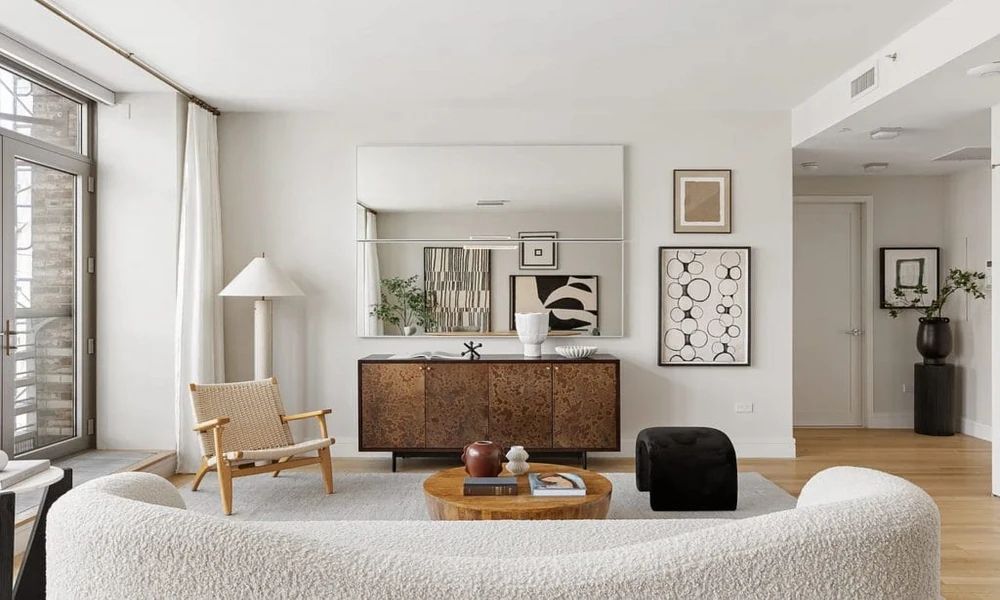
There is a balance in using a minimalist exterior to make a home look clean and modern, but too many stark surfaces or too few details can sometimes make for a cold home. The difficulty is keeping minimalism easy to do and ensuring there is enough warmth to ensure the exterior is comfortable and welcoming. These can be obtained with a few simple design decisions.
Achieving this balance doesn’t require a complete architectural overhaul, but rather a thoughtful approach to subtle details. By focusing on intentional choices, homeowners can easily blend clean, modern aesthetics with inviting, cozy elements. Following a practical Warmth Minimalism Exterior Design Guide can help you navigate these choices, ensuring your home maintains a sleek profile without feeling overly sterile or unwelcoming.
Use a Simple Foundation to begin with.
The basic idea of the design should be simple. A minimalist appearance can be created with clean architectural lines, simple shapes and a limited number of design elements. If the basic structure is simple, the warmth could be added by careful choice of materials and detail, but not by overdecoration.
Choose Warm Materials
A contemporary exterior can be softened with materials like natural wood, stone, brick or textured finishes. Wood can be employed for the doors, screens or architectural details and stone and brick can be used for the walls and pathways to provide depth. The materials used are meant to add character to the design without taking over.
use warm neutral colours.
Bright white, black or cool grey is not the only choice for a minimalist colour scheme. Beige, cream, taupe, soft brown and muted earthy shades can help to establish a warmer environment. A few complementary colours help to keep the exterior organised.
Add Greenery Carefully
With a simple exterior, plants and landscaping can add a natural element. Homeowners may opt to plant a few strategically located trees, shrubs or planters rather than a large number. Landscaping can help to break up some of the hard lines that a building offers while still looking tidy.
Introduce Texture
Texture was used to bring some interest but not clutter. A more appealing facade can be achieved by using a combination of smooth concrete and timber, textured plasterwork, natural stone or matte finishes. Use a few contrasting textures that complement one another.
Give careful consideration to the entrance.
The entrance is an important opportunity to add warmth. The use of a natural wood door, simple outdoor lighting, a well-kept pathway, or a well-planned plant selection can help to create a more inviting atmosphere for the home. These subtle elements can make a big impact and not detract from the minimal aesthetic.
Experiment with Lighting to Create an Atmosphere.
Exterior lighting can help create a comfortable feeling in a simple design during the evening, with warm lighting. Lighting can be set up along paths, around the entrance, or to feature architectural elements. It’s generally better to go for minimalist fixtures and a soft, warm light.
Conclusion:
There is a simple balance between warmth and simplicity that must be carefully considered. Using clean lines and natural elements, soft hues, light tactile finishes, plants can all work together to make a home exterior modern and comfortable.

Comments are closed.