
Introduction
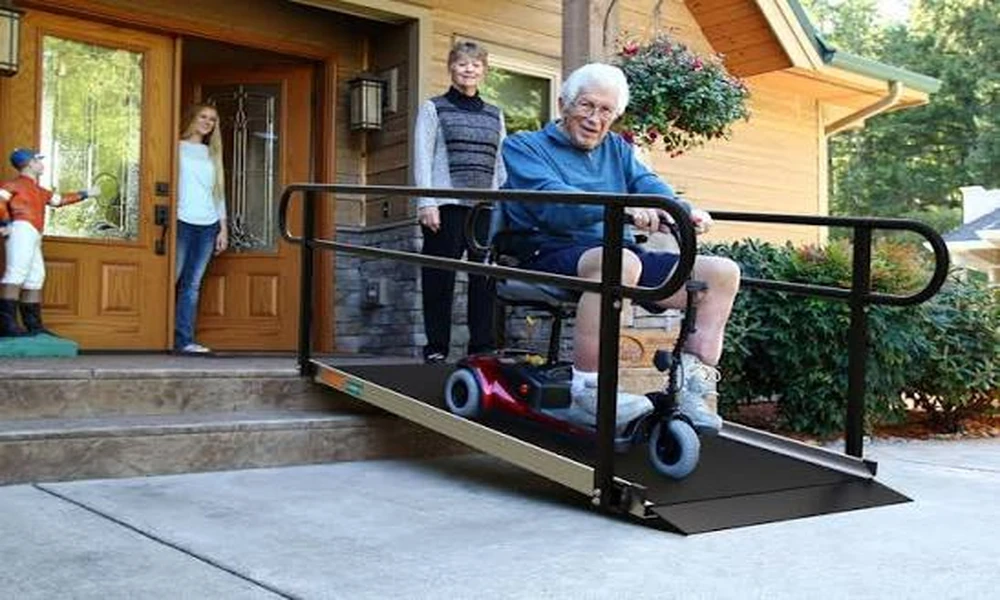
A wheelchair ramp provides an essential route into and around a feature for wheelchair users and the public with mobility limitations. Because ramps are commonly vulnerable to pressure, weather, humidity, and wear, minor defects can expand over time.
Some minor issues may be easy to address, but serious issues can compromise balance and approachability. Ignoring them can make the ramp troublesome to use and may cause more costly wheelchair ramp repair.
5 Wheelchair Ramp Repairs
Here are five wheelchair ramp repairs that homeowners and property managers should never ignore.
1. Loose or Damaged Handrails
Handrails provide valuable support when people enter, exit, or move alongside a ramp. Do not assume that constricting individual visible twists will solve the problem. The promoting posts, brackets, connections, and circumscribing structure should also be examined.
2. Structural Damage
The ramp surface needs to be resistant and reasonably even along the whole of its length. Cracks, dents, broken boards, or broken divisions can create obstacles for wheelchair users.
Concrete ramps can develop cracks on account of age, ground activity, dampness, or climate changes. Wooden ramps may develop broken or damaged boards, while metal ramps can develop dents, corrosion, or fundamental decay.
3. Slippery Surfaces
A ramp can become hazardous when its surface not any more specifies adequate friction. Hire an expert who can detect the slippery surface and fix the issue. You can also hire an expert to get advice on wheelchair ramp maintenance.
4. Rust
Moisture can equally damage ramp materials, specifically when perpetuation is ignored. Metal wheelchair ramps may develop rust or disintegration at intersections, fasteners, supports, and other unprotected areas. If disintegration worsens, it can impair structural parts.
Wooden ramps face various risks. However, extensive structural damage may require replacement of affected parts. Addressing these questions early can help prevent a relatively manageable repair from becoming a major project.
5. Uneven or Unstable Sections
Ground drive, foundation changes, damaged supports, loose connections, and deterioration of construction materials can all influence ramp cohesion. For modular or metal ramps, loose connections can enhance motion. Concrete ramps may be affected by settlement or changes beneath the structure.
Do not continue utilizing a clearly unstable incline simply cause the problem performs narrow. A professional can determine whether the issue includes the surface, supports, foundations, or related components.
Why Prompt Wheelchair Ramp Repairs Matter
Wheelchair ramp repairs are not only about maintaining the appearance. A broken ramp can influence accessibility, security, and safe movement. Delaying repairs can likewise allow minor defects to worsen into more extensive problems.
For example, a limited area of corrosion can spread, while a minor crack may evolve and influence surrounding areas. Regular inspections determine a freedom to label these issues early.
Hire an Expert
Some primary maintenance tasks, like removing leaves and soil, may suit a property keeper. However, structural repairs should be approached carefully. Professional wheelchair ramp service can evaluate the whole structure rather than focusing only on the apparent defect. This is particularly important when there are damaged supports, ambiguous handrails, significant corrosion, cracked concrete, or doubtful sections.
Conclusion
A wheelchair ramp is an important accessibility feature, so signs of decay should never be missed. Loose handrails, structural damage, smooth surfaces, decomposition or rot, and doubtful portions can all influence how carefully and comfortably a ramp may be used.

Comments are closed.