Tag

Sleek

Browsing

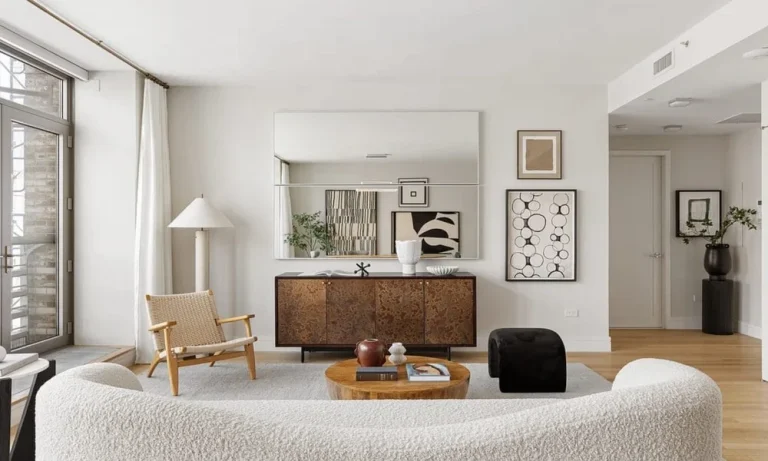
There is a balance in using a minimalist exterior to make a home look clean and modern, but too many stark surfaces or too few details can sometimes make for a cold home. The difficulty is keeping minimalism easy to do and ensuring there is enough warmth to ensure the exterior is comfortable and welcoming. These can be obtained with a few simple design decisions.

Achieving this balance doesn’t require a complete architectural overhaul, but rather a thoughtful approach to subtle details. By focusing on intentional choices, homeowners can easily blend clean, modern aesthetics with inviting, cozy elements. Following a practical Warmth Minimalism Exterior Design Guide can help you navigate these choices, ensuring your home maintains a sleek profile without feeling overly sterile or unwelcoming.

Use a Simple Foundation to begin with.

The basic idea of the design should be simple. A minimalist appearance can be created with clean architectural lines, simple shapes and a limited number of design elements. If the basic structure is simple, the warmth could be added by careful choice of materials and detail, but not by overdecoration.

Choose Warm Materials

A contemporary exterior can be softened with materials like natural wood, stone, brick or textured finishes. Wood can be employed for the doors, screens or architectural details and stone and brick can be used for the walls and pathways to provide depth. The materials used are meant to add character to the design without taking over.

use warm neutral colours.

Bright white, black or cool grey is not the only choice for a minimalist colour scheme. Beige, cream, taupe, soft brown and muted earthy shades can help to establish a warmer environment. A few complementary colours help to keep the exterior organised.

Add Greenery Carefully

With a simple exterior, plants and landscaping can add a natural element. Homeowners may opt to plant a few strategically located trees, shrubs or planters rather than a large number. Landscaping can help to break up some of the hard lines that a building offers while still looking tidy.

Introduce Texture

Texture was used to bring some interest but not clutter. A more appealing facade can be achieved by using a combination of smooth concrete and timber, textured plasterwork, natural stone or matte finishes. Use a few contrasting textures that complement one another.

Give careful consideration to the entrance.

The entrance is an important opportunity to add warmth. The use of a natural wood door, simple outdoor lighting, a well-kept pathway, or a well-planned plant selection can help to create a more inviting atmosphere for the home. These subtle elements can make a big impact and not detract from the minimal aesthetic.

Experiment with Lighting to Create an Atmosphere.

Exterior lighting can help create a comfortable feeling in a simple design during the evening, with warm lighting. Lighting can be set up along paths, around the entrance, or to feature architectural elements. It’s generally better to go for minimalist fixtures and a soft, warm light.

Conclusion:

There is a simple balance between warmth and simplicity that must be carefully considered. Using clean lines and natural elements, soft hues, light tactile finishes, plants can all work together to make a home exterior modern and comfortable.
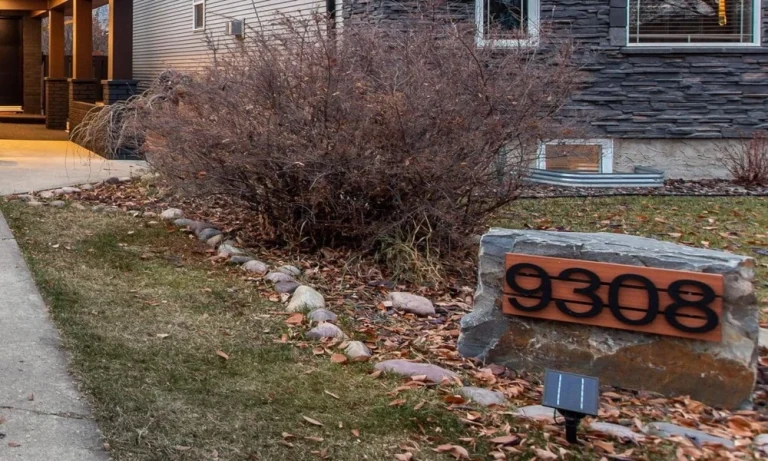
People tend to focus on paint colours, landscaping, doors, or lighting when considering exterior design. There’s little place for typography. However, the letters and numbers that surround a house can subtly influence a house’s personality. A well-selected house number, name plaque or address sign can provide a polished, welcoming, playful or modern entrance.

Thoughtful exterior typography can also help connect smaller details across a home’s facade. House numbers, address plaques, entry signs, and decorative lettering can work together to create a consistent visual style without requiring major renovations. By considering the home’s architecture, available space, materials, and visibility, homeowners can choose lettering that feels intentional while adding personality to the entrance.

The small details make for strong first impressions.

The front door is the first impression that people have of your home. That mood can be achieved almost instantaneously with typography. Envision a clean, basic number displayed next to a sleek black door. It’s modern and self-assured. Next, imagine handwritten lettering on an aged wooden plaque set amidst greenery. The atmosphere shifts dramatically, becoming warmer, relaxed, maybe a bit rustic. These details can take up just a part of the façade, but create a huge visual impact.

Evoking the Home’s Architectural Character

The best typography doesn’t compete with the architecture. Rather, it seems like it is meant to be there. A mid-century home may be a space that calls for clean, geometric lettering, bold lines and lots of breathing room. Serif fonts are great for traditional houses, and so are classic handwritten lettering for a cottage-style exterior. If you’re building a home with an industrial theme, you can use big numbers or lettering to create a dramatic touch. The idea is not just to pick a font you like, but to pick a font that communicates a visual language that is identical to the others.

Playing With Materials and Finishes

The introduction of material into typography adds to the interest. Brushed metal reflects the light in a different way than matte black letters. Wood has a warm tone, acrylic has a clean, almost floating effect against a wall. Colour is equally important. When using lettering, it’s best to use high contrast for lettering that will stand out from the street, and subtle tones for a quieter, more understated appearance.

What it takes to find the right balance.

Sometimes, the more decorative the item, the less attractive it will be. A decorative font can be a beautiful font on screen, but it can be hard to read when it’s displayed in outdoor environments. Similarly, large letters can overwhelm a small doorway. Take into account the distance from which you will be viewing, texture around the object, space available and proportions. Good typography should draw attention, but not demand it.

Let your entrance tell your story!

For homeowners wanting to show personality but without making profound changes to their home, typography is an option. Occasionally, an entrance is complete with just a few well-placed characters. From sleek and contemporary numbers to classic lettering or anything with a custom handmade touch, the right typography can elevate a mundane exterior element to a memorable design feature.

Choosing the right pergola can be a challenge, especially with the growing popularity of retractable and adjustable louvered aluminum pergolas.

Both options offer flexibility, but understanding their differences can help you select the pergola that best fits your lifestyle.

Understanding Retractable Aluminum Pergolas

Retractable pergolas feature roof panels or louvers that can be fully opened or closed at the push of a button or via a manual mechanism. This design allows homeowners to enjoy open skies during sunny days or provide complete shelter during rain or intense sun. Many modern retractable pergolas feature motorized systems, allowing effortless adjustment of the roof to match shifting weather or individual comfort needs.

One of the key advantages of retractable pergolas is versatility. Homeowners can instantly transform their outdoor space from a sunny lounging area to a shaded dining spot or even a fully enclosed space for evening gatherings. Additionally, retractable designs often include features like integrated gutters and water drainage systems, ensuring that rainwater is efficiently managed. For families with children or pets, retractable pergolas also offer a safety advantage by providing shelter from unpredictable weather.

Understanding Adjustable Aluminum Pergolas

Adjustable pergolas, on the other hand, offer controlled shading without fully retracting the roof. Typically, the louvers can be tilted to different angles, allowing sunlight and airflow to be moderated according to your comfort. This type of pergola is ideal for homeowners who want a consistent balance of shade and light throughout the day without the need for fully opening or closing the roof.

Adjustable pergolas are often simpler in design than fully retractable systems, which can make them more cost-effective and easier to maintain. They offer superior protection from direct sunlight while promoting natural airflow, making them ideal for patios, decks, or poolside areas where consistent shade is desired. Their sleek, angled louvers also add a modern touch to outdoor spaces, blending functionality with aesthetic appeal.

Choosing Based on Lifestyle

When deciding between retractable and adjustable aluminum pergolas, lifestyle needs play a crucial role. If you enjoy hosting outdoor events or want the flexibility to fully open your pergola to enjoy the sun, a retractable system may be the best choice. Its motorized options make operation seamless, and its versatility can adapt to different seasonal conditions.

For homeowners who prefer a low-maintenance option that still provides excellent sun control, adjustable pergolas are ideal. They offer steady protection from sunlight and rain without the complexity of fully retractable systems. Adjustable louvers also allow you to control airflow, making your outdoor space comfortable even on warmer days.

Additional Considerations

Both pergola types can be enhanced with accessories such as zip blinds, retractable awnings, or integrated lighting, adding convenience and style. Aluminum construction ensures durability, low maintenance, and resistance to rust, making either option a long-lasting investment.

When making a choice, consider the size of your outdoor area, your aesthetic preferences, and how frequently you plan to adjust your pergola.