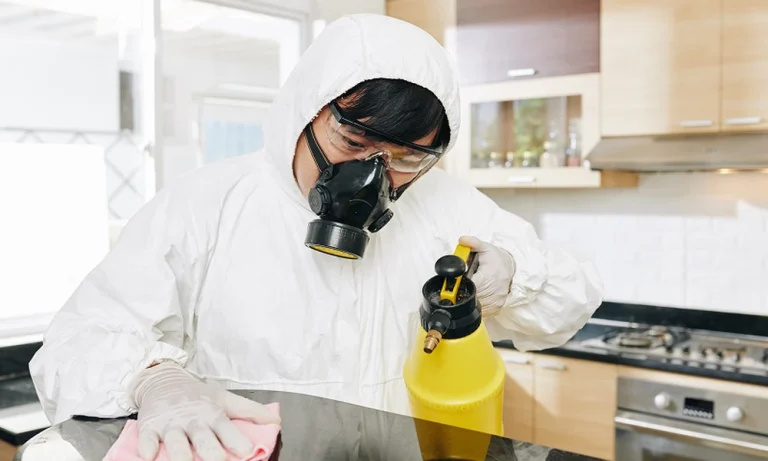
Pest sightings in commercial environments, such as kitchens, retail floors, or warehouses, cause significant operational disruption. Evidence of infestation, including damaged inventory, chewed wiring, and droppings, can lead to loss of customer trust, regulatory non-compliance, severe fines, and temporary business closures.
When pests invade your premises, you cannot afford to figure out how to get rid of rats on the fly. Proactive commercial rodent control acts as a critical line of defence, safeguarding your daily operations, brand reputation, and financial bottom line.
Uninvited Guests: The High Cost of Commercial Invasions
Rats and mice do far more than simply scare away customers. They pose a fundamental threat to your everyday operations, structural safety, and public health compliance.
Rodents possess sharp incisors that grow continuously throughout their lives. To keep these teeth at a manageable length, they gnaw relentlessly on almost anything they find, including wooden support beams, plastic pipes, and electrical wiring. A single chewed wire can spark a disastrous electrical fire, causing thousands of pounds in property damage and forcing an unexpected operational shutdown.
Furthermore, rodents carry dangerous pathogens, including Salmonella, Leptospirosis, and Hantavirus, which they spread via their droppings, urine, and saliva. If you operate in the food and beverage, hospitality, or healthcare sectors, an infestation can trigger immediate health code violations, heavy legal penalties, or complete license revocation.
Spotting the Signs: Catching the Invaders Early
Before you can figure out how to get rid of rats effectively in a commercial environment, staff must learn to recognise the subtle warning signs of an emerging infestation. Rodents excel at hiding in dark, low-traffic areas, meaning you will often spot their footprints long before you see the creatures themselves.
Dark Droppings – Small, capsule-shaped droppings around food stores, waste bins, or behind appliances usually signal active infestations.
Gnaw Marks and Damaged Packaging – Look out for tooth marks on cardboard stock boxes, plastic wrapping, wooden pallets, and skirting boards.
Grease Smudges – Rodents have oily fur and follow consistent pathways along walls, leaving dark, greasy rub marks on surfaces over time.
Shredded Nesting Material – Piles of shredded paper, cardboard, insulation, or fabric tucked away in quiet corners indicate that pests are building nests.
Unusual Noises – Scratching, squeaking, or scurrying sounds coming from suspended ceilings, wall cavities, or under floorboards-especially during quiet evening hours-mean rodents are moving around.
Fortifying Your Perimeter: Strategic Prevention Rules
Stopping pests before they gain entry proves far easier and more cost-effective than managing a full-scale outbreak inside your building. Implementing a robust prevention protocol keeps your facility secure.
Seal All Access Points – Inspect your building’s exterior thoroughly. Rats can squeeze through gaps as small as 20 mm, while mice can fit through holes the size of a ballpoint pen. Fill external gaps around pipes, doors, and vents using durable materials such as steel wool, metal mesh, or heavy-duty sealant.
Enforce Strict Waste Hygiene – Empty indoor trash cans frequently and keep all outdoor skips securely covered with tight-fitting lids. Store rubbish far away from your main building entrances to avoid attracting hungry pests.
Elevate and Store Food Properly – Never leave open food items on counters or floors. Store all dry stock and ingredients in airtight, heavy-duty plastic or metal containers elevated off the floor on metal shelving racks.
Eliminate Standing Water: Fix leaky plumbing joints, clear blocked roof gutters, and remove standing water trays, as rodents require reliable water sources to survive.
Professional Defence: Why DIY Solutions Fail Commercial Spaces
While off-the-shelf traps and retail baits might catch a few stray mice in a residential setting, they rarely solve a commercial pest crisis. Commercial facilities offer complex environments with vast square footage, ceiling voids, and endless hiding spots.
Investing in tailored rodent control provides comprehensive monitoring, specialised equipment, and trained technicians who understand pest behaviour. Professional technicians construct defensive perimeters around your property, utilise non-toxic detection methods inside sensitive production zones, and deliver documented audit reports that satisfy health inspectors and statutory regulations.
Securing Your Business Future
Preventing rodent infestations requires continuous vigilance, proper sanitation practices, structural maintenance, and expert support. By identifying early warning signs, securing potential entry points, and partnering with experienced pest management experts, you protect your operations, safeguard your staff, and preserve your commercial reputation for the long term.
Frequently Asked Questions
How quickly can a rodent infestation damage my business operations?
Rodents breed extremely quickly; a pair of rats can produce hundreds of offspring within a single year. Physical damage to stock, wiring, and health reputations can occur within a few days of their initial entry.
Why do rodents prefer commercial buildings over residential ones?
Commercial sites offer vast amounts of undisturbed space, continuous food supplies, abundant packaging materials for nesting, and multiple hidden entry points, making them prime targets for pests.
Are professional baiting systems safe for food preparation areas?
Yes. Professional pest controllers use non-toxic monitoring tools, secure tamper-resistant bait stations, and clean mechanical trapping systems inside sensitive food production and storage areas to ensure complete safety and regulatory compliance.
Proper preparation allows treatments to reach hidden bed bug zones without unnecessary delays.
Sealing, bagging, and handling items correctly helps prevent bed bugs spreading between rooms.
Clearing access points ensures technicians can apply treatment evenly across affected areas.
Following preparation steps closely reduces repeat visits and improves overall treatment results.
Introduction
Preparing your home properly makes a real difference when treatment day arrives. Bed bugs hide well, travel easily, and ignore half‑hearted clean‑ups. Clear preparation helps treatment work as planned and shortens disruption at home. Many residents reach out without knowing what preparation actually involves until a pest exterminator in Singapore becomes involved. Understanding each step helps you avoid repeat visits and unnecessary frustration before bed bug pest control in Singapore begins.
Preparing Your Space Before Treatment
Decluttering Without Spreading the Problem
Clutter creates hiding spots that delay treatment. Clearing floors, bedside areas, and storage zones allows technicians to access common harbourage points. Items should move directly into sealed bags rather than loose piles. Careful handling matters, as bed bugs hitch rides on fabric and paper. Guidance usually focuses on reducing movement between rooms so infestations do not spread further when working with a pest exterminator in Singapore.
Laundry and Fabric Handling
Clothing, bedding, curtains, and soft furnishings need attention before treatment. Washing alone does not solve the issue unless heat drying follows. Clean items should go into sealed bags immediately after drying. Leaving washed laundry exposed gives bed bugs a chance to return. Heat and chemical application work together during bed bug pest control in Singapore, and preparation helps reinforce this process.
Managing Furniture and Personal Items
Bed Frames and Mattresses
Beds attract the highest activity levels. Mattresses should stand upright when instructed, while bed frames may need partial disassembly. Removing drawers from bed bases allows full access to joints and seams. Skipping this step blocks treatment reach. Which parts need attention and which can stay in place will be explained during the visit by a pest exterminator in Singapore to keep the process efficient.
Electronics, Books, and Small Belongings
Small items create confusion during preparation. Books, bags, and electronics should follow specific handling instructions, as heat or chemicals may not suit every item. Sealing and isolating items remains key. Personal belongings following clear containment steps help keep treated zones controlled during bed bug pest control in Singapore.
Room Access and Safety Measures
Clear Access for Technicians
Treatment requires space to move equipment and apply products accurately. Furniture pulled slightly away from walls improves coverage along skirting boards and cracks. Blocked access slows treatment and leaves gaps. Treatment planning is based on room layout, so preparation should match the instructions given by a pest exterminator in Singapore.
Pets, Plants, and Food Storage
Pets and plants need temporary relocation. Aquariums require special covering and air pump management if present. Food items should go into sealed containers or cabinets. Proper preparation reduces contamination risk and allows technicians to work without interruption. Safety guidelines depend on residents preparing correctly during bed bug pest control in Singapore.
During and After Treatment Expectations
Time Away From the Home
Residents usually need to leave during treatment and for a specified period afterwards. Re‑entry times depend on products used and ventilation needs. Planning meals and errands ahead avoids stress on treatment day. Clear timelines help you plan without guesswork when information comes from a pest exterminator in Singapore.
Post‑Treatment Behaviour at Home
Avoid cleaning treated areas immediately unless instructed. Vacuuming too soon removes active residues needed to control remaining bugs. Light activity returns gradually, following guidance provided. Follow‑up advice supports treatment effectiveness during the days that follow after bed bug pest control in Singapore.
Why Preparation Impacts Results
Preparation determines how thoroughly treatment reaches infestation zones. Missed steps leave hiding spots untouched, giving bed bugs a chance to resurface. Residents who follow instructions closely tend to see clearer outcomes and fewer follow‑ups. Complete treatment coverage depends on cooperation at home when working with a pest exterminator in Singapore.
Conclusion
Effective bed bug treatment starts before technicians arrive. Clear preparation reduces spread, improves access, and supports treatment results. Knowing what to move, seal, clean, and leave untouched removes uncertainty from the process. When preparation aligns with professional guidance, treatment works more smoothly from start to finish.
Contact ProServ Pest Control now to receive preparation guidance and schedule bed bug pest control in Singapore with confidence.
Located close to Bend, Redmond is in Central Oregon. If you live in neighborhoods like Eagle Crest and Skyline Village, you may have encountered unique pests in different parts of the year. The region’s high-desert climate results in temperature oscillations, which affect pest activity. As the city expands into open land, construction only impacts existing populations of local species.
Don’t waste your effort on DIY hacks and ideas, because most of these will only treat the visible pests. You need to have a professional name in Redmond, such as Pointepest.com, on your speed dial. The Pointe technicians know everything about pest species in Central Oregon and know the neighborhood patterns in this city. Below is an overview of pests in each season.
Pests in Spring
From March, spring starts in this region, and that’s when you can expect to see many species of ants foraging around, including pavement ants and carpenter ants. Ants are sensitive to temperature shifts and moisture and will enter homes to scout for food. Even stinging insects start scouting around to find locations to build new nests. You may see more wasps and hornets around this time. Increased insect populations also mean more house spiders and wolf spiders, which build webs around exterior lights and foundations.
Summer Activity Peak
From June to August is the peak desert heat time, and many pests that depend on moisture, such as cockroaches, look for humid microclimates of bathrooms, laundry rooms, and kitchens. Other pests, which come through store products, also reproduce heavily, and the list includes cigarette beetles and Indian meal moths. In Redmond, rats and mice are active for most months, and summer irrigation in many homes invites these rodents.
Fall Pest Patterns
As the autumn season arrives in September, house mice and deer mice start finding ways to enter attics and closed rooms of the house. These are nasty and aggressive species, which can chew almost anything, and if you had used foam for sealing holes and gaps, you should recheck those areas. Various beetle species and stink bugs are also common here around this time, especially on sunny walls.
Winter Surge
Species, such as spiders, cockroaches, and silverfish, that managed to enter your home during the fall, will be active during this time. Rodents established in attics will gnaw on wiring and insulation, pose fire risks, and cause property damage that may require expensive repairs. As outdoor pest pressure is at its lowest, this is the time to let technicians inspect the indoor areas, so that all early signs are fixed. If you wake up with nighttime sounds, ensure that you call professionals the next day.
Managing Pests in Redmond
The high-desert location of this city makes it mandatory for homeowners to spend on regular pest control. If you just seek help when you see pests, you will not only spend 4x the amount on urgent remediation but may also have to deal with repeat infestations. Experts usually suggest quarterly audits coupled with treatments for each season to remain proactive. You can consider plans depending on your property needs, and most companies will include a callback offer. This means that if pests persist, you can get assistance and repeat treatments for no extra cost.
Takeaways
If you haven’t had your house checked in the last season, this is the time to ask technicians. With early steps and suggestions from experts, you can reduce the usual pest risks. Ensure you choose a service that has been offering pest control in Redmond for at least a few years. The right team can help you avoid the typical mistakes and habits that create conditions to support infestations.
Bed bug treatment costs $1,000 to $4,000 for most homeowners, with the national average around $2,500. Single-room chemical treatments start as low as $270. Whole-home heat treatments can reach $4,500. Severe infestations requiring fumigation of an entire structure run $4,000 to $50,000 or more. The wide range reflects five genuinely different treatment approaches, not pricing inconsistency.
Bed bugs are one of the most expensive pest problems homeowners face, and that surprises a lot of people. An ant treatment runs $200 to $400. A roach treatment runs $300 to $600. Bed bug treatment costs five to ten times more because it’s structurally a different problem — bed bugs hide in places ordinary pesticide application can’t reach, they reproduce faster than products can keep up, and elimination requires multiple visits over weeks. This guide breaks down what the five treatment approaches actually cost, how to choose between them, and what’s typically not in the headline price.
One thing worth saying upfront
Bed bugs aren’t a cleanliness problem. They affect homes at every income level and every standard of housekeeping. They spread through travel, used furniture, secondhand clothing, and shared walls in apartment buildings. Anyone can get them, and most people who do have done nothing wrong.
The stigma around bed bugs makes the problem worse — people delay calling for treatment because they’re embarrassed, which lets the infestation grow and become more expensive to eliminate. The contractors who treat bed bugs see them in every kind of home, every week. There’s no reason to hesitate.
Five treatment scenarios, five different price points
Bed bug treatment scenarios with cost ranges
Before comparing any quotes, understand which of these five treatment scopes matches your situation.
Scenario 1: Single-room chemical treatment — $270 to $775
Targeted insecticide application in one room where bed bugs are concentrated. Appropriate for early-stage infestations caught quickly, when bed bugs haven’t yet spread beyond the original location. Usually requires 2 to 3 follow-up visits over 4 to 6 weeks because chemical treatments don’t kill eggs effectively, and emerging nymphs need to be treated as they hatch.
Scenario 2: Whole-home chemical treatment — $1,000 to $2,500
The standard residential treatment for most confirmed infestations. Chemical application throughout the home with focus on bedrooms, furniture, baseboards, and other harborage areas. Same multi-visit protocol as single-room. The most common service homeowners actually receive when they call a pest control company.
Scenario 3: Heat treatment, single room — $400 to $1,200
Specialized equipment raises the room temperature to 120-135°F for 6-8 hours, killing bed bugs and eggs at all life stages. Single-visit treatment in most cases. More expensive than chemical for the same area but eliminates the multi-visit requirement.
Scenario 4: Heat treatment, whole home — $2,000 to $4,500
Same approach across the entire home. Requires a portable heating system (or multiple) plus monitoring. Pets, plants, and certain household items have to be removed during treatment. Usually completed in a single 6 to 10 hour session.
Scenario 5: Fumigation of severe infestations — $4,000 to $50,000+
Whole-building tenting and gas fumigation. Reserved for the most severe cases and for multi-unit buildings where adjacent infestation control matters. The home is uninhabitable for 24 to 72 hours during treatment. Rare in single-family homes, more common in apartment buildings, hotels, and commercial properties.
The national average treatment cost lands around $2,500 — between scenarios 2 and 4. That figure averages across treatment types and infestation severities, so your specific situation matters more than the average.
Why bed bugs cost more than other pests
Three structural reasons. Knowing them helps the price feel less arbitrary.
Multi-visit requirement
Most pests are gone after one or two professional treatments. Bed bug elimination requires 2 to 4 visits over 4 to 8 weeks because chemical insecticides don’t penetrate eggs effectively. Each treatment kills the live bugs at that moment, but eggs that hatch over the following weeks need to be treated as new nymphs emerge. A typical bed bug visit costs $415 to $625, and the multi-visit protocol stacks the cost.
Hiding behavior
Bed bugs hide in cracks, seams, electrical outlets, behind picture frames, inside furniture joints, and in walls. Effective treatment requires the technician to physically access these places — pulling apart bed frames, removing outlet covers, treating inside furniture. This is labor-intensive in a way that ant or roach treatment isn’t.
Insecticide resistance
Bed bug populations have evolved resistance to common pyrethroid pesticides over the past two decades. Effective treatment now requires specific products and rotational application strategies that consumer-grade DIY products don’t replicate. Professional licensing is required for the more effective formulations.
The result: bed bug treatment is genuinely 5 to 10 times more labor and material intensive than most pest control work. The pricing reflects real cost rather than markup.
Heat vs. chemical vs. fumigation
Treatment method comparison for bed bug elimination
Once a professional confirms an infestation, the choice between treatment methods depends on severity, budget, and disruption tolerance.
Chemical treatment is the lowest upfront cost and most widely available method. Insecticides are applied to surfaces where bed bugs harbor and travel. Effective when applied thoroughly, but the multi-visit requirement extends the elimination timeline to 4 to 8 weeks. You can sleep in your own bed during the process — most chemicals dry within hours and beds are usable that night.
The downsides: not effective on eggs, requires repeated visits, and homeowners must follow specific preparation protocols (washing all bedding, vacuuming, sometimes removing certain items) before each visit. A treatment that’s not properly prepared often fails.
Heat treatment is the most thorough single-visit option. Raising room temperature above 118°F kills bed bugs at all life stages — eggs included. One visit eliminates the infestation in most cases.
The downsides: more expensive than chemical, requires removing heat-sensitive items (electronics, candles, certain plants, pets) for the duration, and the home is uninhabitable during the 6-10 hour treatment. Heat doesn’t have residual effect — if a single bed bug is brought back into the home (in luggage, on clothes), reinfestation can occur.
Fumigation is the most thorough method, used for severe infestations where other approaches have failed or where a multi-unit structure needs simultaneous treatment. Gas penetrates everywhere bed bugs hide. The home is uninhabitable for 24-72 hours. Most expensive option but most reliable for severe cases.
The honest decision framework:
Early-stage, single-room infestation, budget-conscious: Chemical treatment.
Severe infestation, multi-unit building, prior treatments failed: Fumigation.
Multi-room infestation but want to stay home: Chemical treatment with multi-visit protocol.
Most homeowners with confirmed but not-severe infestations choose chemical for cost reasons. Most homeowners who can afford heat treatment prefer it for the speed and certainty.
What’s typically extra
Beyond the headline treatment price, six line items appear (or should appear) on a complete quote.
Initial inspection: $65 to $200
Determines whether you actually have bed bugs, severity, and treatment scope. Some companies offer free inspections bundled with treatment commitment; some charge separately and credit the fee toward the treatment if you hire them.
Follow-up appointments: $75 to $225
Verification visit 4-6 weeks after treatment to confirm elimination. Some treatments include this; some bill separately.
Furniture treatment or removal: variable
Each piece of furniture requiring direct treatment can add $50 to $200. Severely infested furniture sometimes can’t be saved, requiring disposal at $50 to $200 per item plus replacement cost. Mattresses are the most commonly disposed-of item in bed bug treatment.
Mattress encasements: $50 to $200 each
Sealed covers that trap any remaining bed bugs and prevent reinfestation of the mattress. Recommended after treatment.
Emergency or expedited service: $200 to $500 premium
Same-day or weekend service for severe situations.
Multi-unit coordination (apartments): variable
When treatment requires coordinating with neighbors or property management, the additional inspection and treatment of adjacent units can add significantly to the project.
A complete first-time treatment for a typical single-family home with chemical treatment runs $1,200 to $2,800 covering inspection, initial treatment, and one follow-up. Heat treatment for the same scenario runs $2,500 to $5,000. Quotes notably lower than these are usually missing follow-up visits or assuming a smaller-scope treatment than you actually need.
Why most DIY treatments fail
Bed bug DIY products are everywhere — sprays, powders, foggers, mattress treatments, “natural” remedies. The honest assessment: most don’t work for established infestations.
Three reasons.
Insecticide resistance
The pyrethroid sprays available in consumer products are the same chemicals bed bug populations developed resistance to over the past 20 years. The products kill some bed bugs (the ones still susceptible to pyrethroids) but leave resistant individuals to repopulate. The infestation appears to improve, then comes back worse.
Coverage gaps
Bed bugs hide in cracks, seams, and harborage areas that surface application can’t reach. Spraying visible areas kills visible bugs while the breeding population continues unaffected. DIY spraying often forces bed bugs to spread to new areas of the home rather than eliminating them.
Egg survival
Most consumer products don’t kill bed bug eggs effectively. A treatment that kills 100 percent of adults but leaves eggs intact produces a new generation of bed bugs within 2-3 weeks.
What can work for very early infestations (just a few bugs, caught immediately): vacuuming thoroughly with a bagged vacuum (and sealing/disposing the bag immediately), washing all bedding and clothing in hot water (130°F+) and drying on high heat for 30 minutes, encasing mattresses and box springs, and treating affected items with a portable heat chamber.
What rarely works: foggers/bug bombs (push bed bugs deeper into hiding rather than killing them), DIY heat treatments with space heaters (don’t reach lethal temperature uniformly), most “natural” remedies (essential oils, diatomaceous earth alone), and consumer pyrethroid sprays for active infestations.
The honest math: by the time you can see bed bugs without specifically looking for them, the infestation is past the point DIY products can reliably handle. Time spent on failed DIY is time the infestation grows, which makes professional treatment more expensive when you finally call.
Apartment-specific considerations
Bed bug treatment in apartment buildings is more complex than single-family homes, and pricing reflects this complexity.
Adjacent units matter
Bed bugs travel between apartments through walls, electrical outlets, and shared plumbing. Treating only your unit while neighbors have active infestations almost guarantees re-infestation within months. Effective treatment often requires coordinating with adjacent units, sometimes the entire floor or building.
Landlord responsibilities vary by jurisdiction
Some states and cities require landlords to pay for bed bug treatment in rental units; others place responsibility on tenants. New York City, San Francisco, Chicago, Boston, and several other major cities have specific bed bug laws favoring tenants. Most other jurisdictions leave the responsibility ambiguous in the lease.
Before paying for treatment yourself, check your state and local laws and review your lease. If your landlord is responsible, document the infestation thoroughly (photos, written notification) and request treatment in writing. Pay yourself only as a last resort, and keep all receipts in case you can recover the cost later.
Building-wide treatment is cheaper per unit
When property management coordinates building-wide treatment, the per-unit cost typically drops because pest control companies offer volume pricing. If you’re in an apartment with active infestation, advocating for building-wide treatment serves both your interests and your neighbors’.
Lease termination considerations
A persistent untreated bed bug infestation in a rental may grounds for early lease termination in some jurisdictions, often without breaking the lease. If the landlord won’t treat and the infestation continues despite your efforts, consult a tenant rights attorney about your specific situation.
How to choose a bed bug exterminator
Bed bug treatment is specialty work — not every pest control company is equipped for it. The factors that matter when comparing companies:
Experience specifically with bed bugs
A general pest control company may treat bed bugs occasionally; a company that specializes in bed bug elimination has the equipment, products, and protocols refined for the specific challenges. Ask how many bed bug jobs they handle per month — established specialists handle several per week.
Treatment method options
Companies that offer only chemical or only heat are constrained in what they can recommend. Companies offering both let the choice match your situation rather than their equipment limitations.
Inspection thoroughness
A reputable company sends a technician to inspect before quoting. Quotes given over the phone without inspection are usually low to win the business and revised upward later.
Written treatment plan
The quote should specify treatment method, number of visits, what’s included, what you’re responsible for preparing, and what happens if the infestation persists. Vague “we’ll take care of it” quotes lead to disputes.
Guarantee terms
Reputable bed bug companies offer some form of guarantee — typically free re-treatment if bed bugs return within 30-90 days of completion. Read the terms carefully. Some guarantees exclude common scenarios.
Insurance and licensing
State licensing for pest control is required everywhere. Liability insurance protects you if something goes wrong during treatment.
Multiple quotes
Three quotes is reasonable for any bed bug treatment over $1,500. The spread between quotes is often meaningful — and if all three quotes are similar, that’s confirmation the price is reasonable.
Frequently asked questions
How long does bed bug treatment take?
Chemical treatment requires 2 to 4 visits over 4 to 8 weeks. Heat treatment requires one visit of 6 to 10 hours plus a follow-up inspection. Fumigation requires 24 to 72 hours of unoccupied building time plus aeration. Total elimination timeline is similar across methods (4 to 8 weeks until confirmed clear), but the disruption pattern is different.
Will I have to throw out my mattress?
Sometimes, depending on infestation severity. Heavily infested mattresses are often disposed of as part of treatment. Lightly infested mattresses can usually be treated and saved with a mattress encasement after treatment.
Can I sleep in my bed during treatment?
Yes for chemical treatment (after the initial application dries, usually within hours). No during heat treatment (the room is uninhabitable during heating). No during fumigation (the entire building is uninhabitable).
Will insurance cover bed bug treatment?
Generally no for homeowners insurance — bed bug treatment is considered a maintenance issue. Some renters insurance may cover it; check policy specifics. Some city housing programs offer partial assistance for low-income residents in specific jurisdictions.
How do I prevent bed bugs from coming back?
Inspect any used furniture before bringing it home. Check hotel rooms when traveling (pull back sheets, examine mattress seams). Wash and high-heat dry clothing after travel. Use mattress encasements after treatment. Consider periodic inspections in apartment buildings with prior infestations.
Can bed bugs spread from one apartment to another?
Yes. Bed bugs travel through walls, electrical outlets, plumbing penetrations, and shared spaces. This is why apartment treatment often requires coordination with adjacent units.
How quickly do I need to act after spotting bed bugs?
Immediately. Bed bug populations double approximately every 16 days under good conditions. A small infestation that costs $1,000 to treat becomes a severe infestation costing $4,000+ within a few months. Same-day or next-day inspection is reasonable; waiting weeks or months makes the problem dramatically more expensive.
What does a bed bug bite look like? Small red welts, often in clusters or lines (sometimes called “breakfast, lunch, and dinner” bites). Itchy, similar to mosquito bites but persistent. Bites alone don’t confirm bed bugs — the actual bugs, their shed skins, or fecal stains on bedding are more reliable evidence.
Are professional treatments safe for pets and children?
Modern bed bug treatments are designed to be safe after the initial application dries. Specific products and protocols vary by company. Reputable exterminators discuss safety considerations during inspection and provide written guidance on when occupants and pets can return to treated areas. Heat treatment requires temporary removal of pets and heat-sensitive items.
What if I can’t afford professional treatment?
Several options. Some cities have public health programs offering bed bug assistance. Some pest control companies offer payment plans. Bundling chemical treatment with thorough DIY preparation (washing, vacuuming, encasing) reduces total visits and cost. Treating earlier (when infestation is small) costs significantly less than waiting. Some social services agencies maintain lists of low-cost or sliding-scale pest control providers.
Termite treatment in the Kansas City metro is not the same job it is in sandier parts of the country, and homeowners who sign a termite agreement without understanding why usually find out the hard way. The heavy clay soils that dominate the region, particularly north of the river through Liberty, Gladstone, Platte County, and into Clay County, change how liquid termiticide barriers behave in the ground. They affect penetration depth, distribution around the foundation, and the effective life of the treatment. Kansas City pest control providers with decades of local experience, including ZipZap Termite & Pest Control in Lawson, see the warranty implications of this play out constantly, and knowing what to ask before signing makes the difference between protection that lasts and protection that does not.
What Kansas City Soil Actually Looks Like
The metro sits on a band of heavy clay-loam and clay subsoils formed from weathered shale and limestone. The USDA Soil Survey classifies much of the Kansas City area into series such as Sharpsburg, Shelby, and Grundy, all characterized by high clay content below the first few inches of topsoil. The Missouri Department of Natural Resources publishes surface geology maps that show how consistent this pattern is across the metro.
Heavy clay holds water. It swells when wet and shrinks when dry. It resists the downward movement of liquids, which matters because the conventional soil treatment for termites depends on liquid flowing evenly through the soil to create a continuous treated zone around and under the foundation.
The practical consequence is that a gallon of termiticide applied to clay soil does not spread the way it does in the sandy loams used in university extension treatment diagrams. It pools, channels along cracks, and often fails to reach the depth and width the label requires for a complete barrier.
How Liquid Termiticide Is Supposed to Work
Liquid termiticides, most commonly fipronil (Termidor) or imidacloprid-based products, are applied by trenching or rodding along the foundation perimeter. The goal is a continuous treated zone of soil that termites cannot detect and carry back to the colony through normal foraging.
Non-repellent products depend on termites walking through the treated zone. Gaps in the zone produce gaps in protection. Under a slab, the treatment often has to reach through drilled access holes at defined intervals to protect the interior of the foundation, which in clay soil means injected termiticide can migrate along the path of least resistance rather than saturating the intended zone uniformly.
Extension research from several universities, including the University of Florida’s Urban Entomology program, has documented measurable differences in liquid termiticide distribution based on soil texture and moisture content. Application rates that produce effective barriers in well-drained soils can leave treatment gaps in heavy clay, particularly in areas that have dried and cracked since the last rain.
Why Clay Shortens Effective Treatment Life
Termiticides are not permanent. The manufacturer label typically lists an expected efficacy window (five years is common for fipronil in soil), based on field trials across a range of conditions. Those windows shorten in soils that promote faster chemical degradation or physical redistribution of the treated zone.
Clay soils that experience substantial wet-dry cycles, which describes most of the Kansas City metro through spring and summer, physically move as they shrink and swell. The treated zone can crack, separate, or become discontinuous over time. Heavy clay also tends to hold organic matter higher in the profile, and organic binding of termiticide active ingredients can reduce availability to foraging termites even before chemical degradation finishes the job.
None of this means liquid treatments do not work in Kansas City. It means the assumptions behind the label window are optimistic for the local soil profile, and renewal timing that might be reasonable in another region can be too long here.
Why Bait Systems Perform Differently in Clay
In-ground bait systems, most commonly Sentricon (available only through certified specialist companies, a credential ZipZap Termite & Pest Control holds), operate on a fundamentally different principle. Instead of creating a soil barrier, bait systems install stations at defined intervals around the structure. Termites find the stations during normal foraging, feed on the bait matrix, and carry the active ingredient (noviflumuron in Sentricon’s case, an insect growth regulator) back to the colony. The colony itself collapses rather than just the foraging caste being excluded.
Clay soil affects bait systems less than liquid treatments for a straightforward reason: the system does not depend on uniform soil distribution. Stations are placed in specific locations where termites can find them, and the bait moves through the colony by termite biology rather than by soil hydrology. Cracking, swelling, or compaction around the foundation perimeter does not compromise the treatment the way it does with a liquid barrier.
Bait systems also support continuous monitoring. A quarterly or semi-annual station check gives the service provider direct evidence of activity and allows adjustments before damage progresses.
What a Realistic Warranty Looks Like
Termite warranties in Kansas City generally come in two forms, and the distinction matters.
A repair warranty covers the cost of retreating the structure and repairing termite damage if new activity appears during the warranty period. A retreatment warranty covers retreatment only. Repair warranties are stronger and more common with bait systems, where ongoing monitoring gives the provider confidence in the coverage. Liquid treatment warranties are more often limited to retreatment.
Renewal terms matter as much as the initial coverage. A five-year liquid treatment with a retreatment-only warranty can quietly become a costly problem if renewal is not completed on schedule and activity returns in year six. Annual renewal inspections, typically included with bait system agreements, act as early warning for problems that would otherwise be discovered during a later sale or renovation.
What to Ask Before Signing a Kansas City Pest Control Termite Agreement
A few questions surface the information that homeowners actually need.
What is the soil type on my property, and does the proposed treatment account for it? What active ingredient is being used, and what is the manufacturer-listed efficacy window? Is the warranty a repair warranty or a retreatment-only warranty? What triggers cancellation of the warranty (common triggers include grade changes, landscaping work, and mulch placement near the foundation)? Is annual inspection required, and what does a lapsed renewal do to the coverage?
Written answers are worth more than verbal assurances.
The Short Version
Kansas City’s clay soil is a real factor in termite protection, not a marketing point. Liquid termiticide barriers in clay soil tend to produce less uniform treated zones and shorter effective life than the label window suggests. Bait systems such as Sentricon, installed and monitored by certified Kansas City pest control providers like ZipZap Termite & Pest Control, sidestep most of the soil-related complications and tend to carry stronger warranties. For homeowners evaluating a termite agreement, the difference between the two approaches, and the specific warranty language attached to each, is worth reading carefully before signing.
Property owners in Lynnwood know that pest problems here aren’t unusual. The region’s moisture-rich environment and dense greenery create ideal conditions for pest activity. Homes near wooded areas often deal with carpenter ants and squirrels, while damp zones can attract subterranean pests in large numbers. More than seasons, rain cycles play a major role in pest patterns here. Here are nine habits you can consider to reduce pest problems in your home.
Schedule regular inspections: If you contact United Pest Solutions, their technicians will come over and check your home for hidden signs. The best approach is to get ongoing services from the United team, which include barrier treatments that help prevent infestations before they start.
Check the gutters: Lynnwood receives significant rainfall annually. You have to ensure that your gutters are clear and free of debris. If water overflows or collects near the foundation, termites and other pests will continue to show up. Professional services can help maintain proper drainage.
Maintain the dry perimeter: Organic wood mulch is common in many homes, but it also acts as a moisture trap for termites and earwigs. Pest experts recommend maintaining at least a 12-inch gap between mulch beds and your foundation. You can use gravel or river rock to break the moisture bridge.
Landscape regularly: Trim tree limbs and branches on a regular basis, because these act as entry routes for carpenter ants, spiders, and squirrels. Maintaining your yard is equally important. Remove unwanted vegetation at least two to three times each year.
Monitor indoor moisture: High humidity in crawl spaces can lead to fungal growth, which softens wood and attracts subterranean termites. Ask your pest control provider about dehumidification measures that can keep humidity under 60%. Also, fix leaks as soon as they appear.
Exclusion is a must: Seasonal changes can trigger pest migration. Seal all entry points, cracks, and crevices that house mice and other pests can use to get inside. Avoid relying only on basic caulk. Professionals use durable materials that rodents cannot chew through.
Inspect at night: Pests like cockroaches can survive weeks without food but only days without water. If you want to identify hidden activity, check kitchens, sinks, and pet areas late at night when pests are most active.
Declutter your home: Cardboard attracts silverfish, roaches, and rodents. Recycle shipping boxes quickly instead of storing them in garages or storage spaces. Clutter creates ideal nesting spots for pests.
Improve waste management habits: Leaving garbage cans open, keeping food waste exposed, or leaving pet food outside can attract pests. While sanitation alone may not solve infestations, good habits significantly reduce risk.
Takeaways
As a homeowner, you should consider signing a yearly contract with a pest control company in Lynnwood. With help from United Pest Solutions, technicians can adjust treatments based on seasonal conditions, provide ongoing protection, and help you maintain habits that reduce pest risks over time.
Bed bugs are among the most frustrating household pests in the United States. These tiny insects hide in mattresses, furniture, and wall cracks, feeding on human blood while people sleep. Once they enter a home, they spread quickly and become difficult to eliminate without a clear strategy. Understanding how infestations begin and how proper bed bugs treatment in Cleveland works can help homeowners respond quickly and protect their living spaces.
Why Bed Bugs Are a Growing Problem
Bed bugs travel easily. They often hitchhike on luggage, clothing, furniture, and even public transportation. In cities with frequent travel and dense housing, infestations can appear in apartments, hotels, dorms, and single-family homes.
Several factors make bed bugs especially difficult to control:
They hide in extremely small spaces
They reproduce rapidly
They can survive for months without feeding
Many over-the-counter sprays fail to reach hidden areas
Because of these traits, infestations often grow before homeowners realize the problem exists.
Common Signs of a Bed Bug Infestation
Early detection makes a major difference in stopping the spread. While bed bugs are small and nocturnal, they leave several noticeable signs.
Look for these warning indicators:
Small reddish bites on the skin, often in clusters or lines
Tiny rust-colored stains on bedding or mattresses
Shed insect skins or pale eggs in mattress seams
A musty odor in heavily infested areas
Live bugs hiding in cracks, headboards, or upholstery
If multiple signs appear at the same time, it may indicate a growing infestation that requires immediate attention.
Where Bed Bugs Usually Hide
Bed bugs prefer locations close to their food source-humans. While mattresses are common hiding spots, they can spread far beyond the bed.
Typical hiding areas include:
Mattress seams and box springs
Bed frames and headboards
Nightstands and dressers
Baseboards and wall cracks
Upholstered furniture and curtains
Electrical outlets and picture frames
Because these pests hide so effectively, proper inspection is a critical step before beginning bed bugs treatment in Cleveland homes.
Effective Treatment Approaches
Removing bed bugs usually requires a combination of methods. A single treatment rarely solves the problem because eggs and hidden insects may survive initial efforts.
Professionals often rely on a multi-step process that may include:
Detailed inspections to locate active hiding areas
Heat treatments that eliminate bugs at all life stages
Targeted insecticides applied to cracks and crevices
Vacuuming and steam cleaning of infested surfaces
Follow-up visits to ensure the infestation is fully removed
Integrated pest management techniques focus on eliminating the insects while minimizing unnecessary chemical use.
Prevention After Treatment
Once an infestation is resolved, prevention becomes essential. Bed bugs can easily return if precautions are not taken.
Homeowners can reduce risk by following these habits:
Inspect hotel rooms and luggage after traveling
Wash and dry clothing on high heat after trips
Avoid bringing used furniture indoors without inspection
Use protective mattress encasements
Reduce clutter where pests can hide
Ongoing awareness helps keep homes protected after bed bugs treatment in Cleveland has been completed.
Protecting Homes Through Awareness
Bed bugs create stress for homeowners, but they can be managed with the right knowledge and timely action. Recognizing early signs, understanding hiding spots, and using thorough treatment strategies all play a role in successful control.
Homeowners looking for more information about pest prevention and responsible management practices often explore resources shared by companies like Tri-State Termite & Pest Control, which contribute to public awareness about identifying infestations and understanding treatment options. Educational guidance and preventative knowledge remain valuable tools in helping Cleveland residents maintain healthier, pest-free living environments.
You saw ants trailing across the kitchen counter, drove to Home Depot, bought a can of Raid, and sprayed the line. The ants in that trail died. You wiped them up, felt satisfied, and went to bed. The next morning, ants were back. Not just on the counter this time, but also along the window frame and near the bathroom sink. So you sprayed again. Two days later, they were in three rooms. This is one of the most common frustrations Main Sail Pest Control hears from homeowners across Temecula, Lake Elsinore (pest control), and the rest of southwest Riverside County. The spray feels like it should work. You’re killing ants. But the problem is getting worse, not better. Lake Elsinore pest control technicians see the aftermath of store-bought sprays constantly, and the science behind why they backfire is worth understanding before you reach for another can.
What’s Actually in That Can
Most consumer ant sprays sold at hardware stores contain pyrethroids as the active ingredient. Common pyrethroids include bifenthrin, cypermethrin, and deltamethrin. These are contact-kill insecticides, meaning they kill the individual ants they touch. They also leave a residual on the surface that kills ants walking across it for a short period afterward.
The problem isn’t that pyrethroids don’t kill ants. They do. The problem is that pyrethroids are repellent chemicals. Ants can detect them. And the colony’s response to detecting a repellent isn’t retreat. It’s reorganization.
When foraging ants encounter a repellent barrier, they don’t march through it and die. They turn around. The trail reroutes. Ants that were entering your kitchen through the gap beside the dishwasher now enter through the window frame, through the crack under the baseboard in the hallway, or through the bathroom vent. You didn’t eliminate the colony’s access to your home. You redirected it, and now you’re tracking ant trails in multiple rooms instead of one.
Colony Budding: How Spray Multiplies the Problem
The rerouting effect is bad enough, but with Argentine ants, which are the dominant ant species in southwest Riverside County, the consequences go further. Argentine ant colonies have multiple queens. When a portion of the colony detects a chemical threat, the colony’s survival response is to bud. Budding means one or more queens, along with a group of workers, split off from the main colony and establish a new satellite nest in a different location.
Before you sprayed, you had one colony sending one trail into your kitchen. After you sprayed, that colony may have budded into two or three satellite nests, each sending its own foragers along different routes. The total ant population didn’t decrease. It may have actually increased because budding stimulates reproductive activity as the new satellite colonies work to establish themselves.
This is why people who spray consistently report that the problem gets worse over weeks rather than better. Each spray event triggers another round of budding. Each budding event creates new nests. The infestation literally multiplies in response to the treatment.
The Bait Aisle Isn’t Much Better (If You Pick Wrong)
Some homeowners skip the spray and go straight to bait stations from the store. This is a better instinct, since baits exploit the colony’s food-sharing behavior to deliver toxicant to the queen. But the execution matters.
Many off-the-shelf bait stations contain the same repellent pyrethroids as sprays, just in a different format. If ants detect the repellent component before ingesting enough bait, you get the same budding response. Other store-bought baits use active ingredients at concentrations that kill ants too quickly. The forager dies before making it back to the nest to share the bait with the queen and other workers. The colony loses a few individuals but the reproductive core is untouched.
Professional-grade baits use non-repellent active ingredients at delayed-action concentrations specifically calibrated so the forager survives long enough to return to the nest and distribute the toxicant through trophallaxis, the mouth-to-mouth food sharing that Argentine ants use to feed the colony. The bait spreads from forager to worker to queen over a period of days. The colony collapses from the inside.
The difference between a consumer bait that costs $6 and a professional bait system isn’t just potency. It’s a formulation strategy. The professional product is designed around how the colony actually functions. The consumer product is designed to look like it’s working by killing visible ants quickly, which is exactly the wrong approach for a multi-queen supercolony.
What Professional Treatment Does Differently
When Main Sail Pest Control treats ants, the first step is identifying the species. Argentine ants require a different approach than harvester ants, fire ants, or carpenter ants. In Lake Elsinore and the surrounding communities, Argentine ants account for the vast majority of kitchen and bathroom invasions, but accurate identification ensures the treatment matches the pest.
For Argentine ants, the treatment has two components. The first is a non-repellent liquid product applied around the exterior perimeter of the home. Because the product is undetectable to ants, they walk through it normally. They don’t reroute. They don’t bud. The product transfers to their bodies and is carried back to the nest, where contact with other ants spreads it through the colony network. It works like a slow-moving chain reaction rather than a contact kill.
The second component is professional-grade bait placed along active foraging trails and near entry points. The bait provides a parallel pathway into the colony through the food-sharing system. Between the perimeter transfer product and the bait, the colony is being attacked through two biological mechanisms simultaneously, neither of which triggers the repellent-avoidance or budding responses.
This dual approach is why professional ant treatment resolves infestations that months of spraying couldn’t touch. It’s not about using stronger chemicals. It’s about using the right chemicals in the right way, matched to how the colony actually behaves.
The Hidden Cost of Spraying First
Beyond making the ant problem worse, there’s a practical cost to spraying before calling a professional. Residual pyrethroids on interior surfaces can interfere with professional bait placement. If ants detect repellent residue near a bait station, they won’t approach the bait. The technician may need to wait for the repellent to degrade before baiting will be effective, which adds days or weeks to the resolution timeline.
If you’ve already sprayed extensively inside your home, let your pest control technician know during the inspection. They may adjust the treatment plan to account for existing residue, or recommend a thorough cleaning of previously sprayed surfaces before placing baits.
The best thing you can do if you see an ant trail in your kitchen is leave it alone and call for service. That trail is a direct line from the colony to a food or water source, and a technician can use that trail to place bait exactly where foragers will find it and carry it home. Spraying the trail destroys the very pathway that makes targeted baiting effective.
A home is one of the most significant investments most people will make in their lifetime. While homeowners often focus on visible maintenance like roofing, siding, and landscaping, pests can silently undermine the structural integrity of a property. Termites, rodents, carpenter ants, and other invaders may go unnoticed for months or even years, gradually causing damage that can be costly to repair.
Professional pest control is about more than just removing bugs—it is a strategic approach to protect your home’s structure, prevent damage, and maintain long-term property value.
How Pests Threaten Your Home
Pests aren’t just a nuisance—they can actively damage your home in ways that compromise safety and comfort.
Key pests that threaten structures include:
Termites: These silent destroyers feed on wood, often causing thousands of dollars in damage before being detected.
Carpenter ants: They tunnel through wooden structures, weakening support beams and framing.
Rodents: Rats and mice chew through insulation, electrical wiring, and plumbing, creating fire hazards and repair costs.
Bees and wasps: Nests built in walls or attics can damage drywall or siding over time.
Early detection and prevention are essential to minimize these risks.
Hidden Areas Where Damage Begins
Many pests establish themselves in areas of a home that are rarely inspected. These hidden zones allow infestations to grow without being noticed.
High-risk areas include:
Crawl spaces and basements
Attics and roof eaves
Wall voids behind drywall
Behind cabinets or appliances
Garages and sheds
Professional inspections ensure these hidden areas are monitored and treated before damage becomes visible.
Preserving Property Value Through Prevention
Homes with evidence of pest damage can lose value, especially during resale or property inspections. Buyers and appraisers pay attention to structural issues caused by infestations, including:
Termite damage in wooden framing
Rodent-chewed insulation or wiring
Moisture-related issues from pest activity
Evidence of ongoing infestations
Proactive pest control maintains property value by preventing these structural and aesthetic damages before they occur.
The Importance of Exclusion and Home Maintenance
Professional pest control isn’t just about chemical treatments—it also emphasizes exclusion: keeping pests from entering the home in the first place.
Exclusion strategies include:
Sealing cracks and gaps around windows, doors, and foundations
Installing door sweeps and weather stripping
Repairing damaged vents and screens
Reducing moisture sources and eliminating standing water
Removing debris, woodpiles, or clutter near the home
These steps dramatically reduce the likelihood of pests entering and causing structural damage.
Seasonal Monitoring and Tailored Treatment Plans
Different pests are active during different seasons, and ongoing pest management adapts to these changes.
Spring: Termites, ants, and spiders become active after winter dormancy.
Summer: Increased activity from flies, mosquitoes, and wasps can threaten both indoor and outdoor areas.
Fall: Rodents seek warmth indoors, invading attics and basements.
Winter: Some insects move into walls, attics, and crawl spaces to overwinter.
Year-round monitoring ensures timely interventions and prevents infestations from reaching damaging levels.
Health Implications of Pest Infestations
Beyond structural concerns, pests can affect the health of home occupants. Rodents, insects, and other invaders can introduce bacteria, allergens, and disease into living spaces.
Health risks associated with infestations include:
Allergies and asthma triggered by pest droppings or shed skin
Contamination of food and cooking surfaces
Bites, stings, and associated irritation or infection
Increased stress and discomfort due to pest activity
Maintaining a pest-free environment is crucial for protecting both property and personal health.
Cost Benefits of Professional Pest Control
Professional, proactive pest control is an investment that saves money over time. Repairing damage from pests is often far more expensive than preventing infestations in the first place.
Cost-saving benefits include:
Avoiding major repairs to wood, wiring, and insulation
Reducing emergency treatment expenses
Preventing repeated DIY product purchases
Protecting resale value and avoiding potential inspection issues
For homeowners, the long-term financial benefits of professional pest control often outweigh the cost of ongoing service.
Why Expertise Matters
Proper identification, treatment, and prevention require professional knowledge and experience. Pest species vary widely, and what works for one may be ineffective for another.
A professional pest control provider will:
Identify the specific pests present
Determine the best treatment and prevention methods
Monitor for recurring activity
Provide guidance on ongoing maintenance and exclusion
Working with experts ensures a targeted, effective solution rather than trial-and-error methods.
Trusted Professional Support
Choosing a reputable provider is essential for reliable, long-term pest protection.Swift Pest offers homeowners comprehensive, tailored pest management plans. Their services combine professional inspections, customized treatment strategies, and preventative measures designed to protect your home’s structure, health, and value year-round.
Final Thoughts
Pests can silently compromise your home’s structural integrity and lower its value if left unchecked. Professional pest control does more than eliminate immediate infestations—it safeguards your investment, protects your family’s health, and prevents future damage.
By combining proactive treatment, seasonal monitoring, exclusion, and expert guidance, homeowners can enjoy peace of mind knowing their home is safe, secure, and protected from pests all year long.
No matter whether you live close to farmlands or suburban neighborhoods like Sweepstakes, Clearspring Manor, and Ridge Road in Damascus, you have to be cautious about pest infestations. With changing weather across seasons, pest patterns can change, and if you aren’t proactive, the damage can be extensive. In this guide, we will discuss nine things you can do about pest infestations in the city.
Spend on preventive pest control: Talk to Green Pest Services – A reputable exterminator in Damascus for a preventive plan. Green Pest Services has in-house experts who can evaluate and inspect your property and adhere to measures that can help avoid infestations. The cost is much less than getting rid of pests.
Seal entry points: You have to seal all entry points, which include small holes, gaps, crevices, and pathways. Keep in mind that rodents can easily pass through any small area, and insects do the same. Many properties near Valley Park Drive have aged siding and damaged foundations, which adds to pest issues.
Keep the yard clean: Landscaping isn’t just about aesthetics alone. You need to ensure the yard and garden are always clean and free from debris. Also, check sheds and barns, because if there is too much unwanted stuff, pests will find many spots to hide. Also, firewood should be stocked away. There are professional landscapers who can help.
Check and remove standing water: Summers in Damascus often mean dealing with mosquitoes, and breeding grounds are usually located in gutters, birdbaths, and unused containers. Ensure you don’t have standing water anywhere near your home. If you are still seeing mosquitoes, you need exterminators to do a complete treatment, which includes using larvicides.
Store food properly: While this might seem like a basic task, you should pay attention to details. Are your food containers secure and sealed? Do you leave pet food bowls in the open? Do you dispose of waste properly? Do you store livestock feed in the barn? If the answers are yes, you are already inviting pests.
Keep an eye out for termites: Thanks to clay-heavy soil and wooded surroundings in Damascus, termites are a common problem here. Many homes near Ridge Road have termite infestations, and yet, people are blissfully unaware. You have to keep a check for mud tubes, swarmers in spring, and discarded body parts. The better choice is to have pest control technicians inspect your home every spring.
Keep the basement clean: Many homes in Damascus have damp basements owing to poor drainage. Most insects and rodents need this moisture to thrive and grow. The same is true for crawl spaces that have moisture and attract pests like silverfish, centipedes, and termites. Consider buying a couple of dehumidifiers for the basement.
Protect your pets: Pets are prone to tick-related diseases. If your dog goes to walk near Little Bennett Regional Park trails, the chances are high that they may have ticks in their paws when they return. You should always check for possible signs of ticks and fleas, and ensure you take your pet for grooming and professional bathing.
Avoid DIY hacks: Yes, this is something that you should avoid. DIY ideas are great on paper, but if you use the wrong product or fail to use the product accurately, you could end up scattering pests. Instead of wasting time and effort on such products and remedies, let professional experts do the job.
Finally, do not ignore the first signs. Ideally, you should ask a pest control company in Damascus to do regular inspections (at least four each year), and if technicians find pest issues, they will take steps. However, if you haven’t done that and are now seeing signs in all rooms of the house, call the experts immediately.