
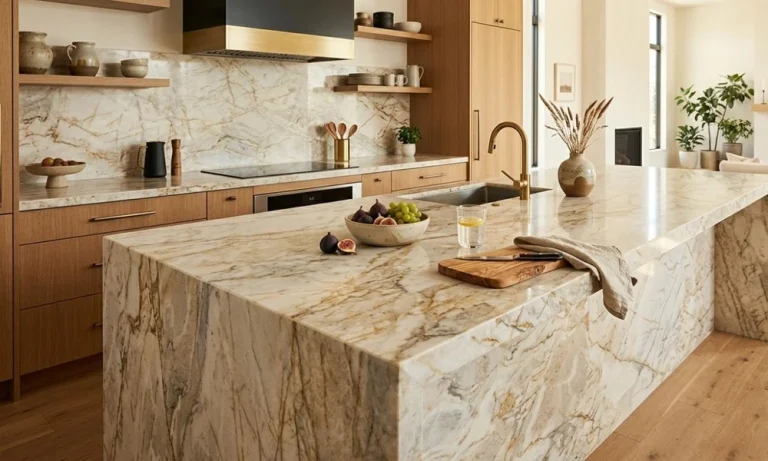
There is a certain peace of mind that comes from setting a hot pan directly on your countertop without flinching. In the world of kitchen design, few qualities matter more than heat resistance, and that’s where Quartz Blanc porcelain slabs show their true value.
What Makes Quartz Blanc Porcelain Slabs Stand Out for Kitchens?
Quartz Blanc porcelain slabs are engineered from premium materials and designed to outperform traditional options on every critical front. Unlike wood, laminate, or some natural stones, these slabs resist stains, scratches, and, most notably, high heat. Their dense, non-porous surface means everyday kitchen mishaps, from boiling water spills to red wine stains, don’t leave a mark. Durability and elegance rarely come together so effortlessly.
What is Quartz Blanc Porcelain and How Does It Compare to Other Materials?
While granite and marble have long been touted for their natural beauty, they often require sealing and regular maintenance to preserve their look. In contrast, Quartz Blanc porcelain offers the refined appearance of stone, but with far tougher properties. Compared to quartz or laminate, it brings a level of heat and stain resistance that simply outlasts the competition.
How Does Its Appearance Enhance Kitchen Design?
The range of patterns and finishes is nearly endless. Want the glamour of marble without the upkeep? Porcelain mimics the veining and depth of natural stone with astonishing realism, giving you a countertop that’s as beautiful as it is functional.
Why Is Heat Resistance Crucial for Kitchen Countertops?
A kitchen is a workspace first, and the tools of the trade, pots, pans, appliances, generate serious heat. If your countertops can’t handle it, you may face unsightly scorch marks, warping, or even cracks.
What Are the Risks of Using Heat-Sensitive Materials in Kitchens?
Materials like laminated surfaces or even some engineered stones can discolor or deform under high temperatures. This not only ruins the look of your kitchen but may compromise the integrity of your work area over time.
How Does Quartz Blanc Porcelain Withstand High Temperatures?
Porcelain is fired at extreme temperatures during manufacturing, so it shrugs off the heat of freshly removed cookware without a hitch. This resilience means you can cook, bake, and roast with confidence, knowing your surfaces are safe.
How Durable Are Quartz Blanc Porcelain Slabs Beyond Heat Resistance?
Heat is just one test. Kitchens are high-traffic spaces where accidents happen, and longevity is paramount.
Are They Scratch, Stain, and Chip Resistant?
The dense structure of porcelain means it resists scratches from knives, accidental drops, and everyday wear. Unlike softer stones, it doesn’t chip easily. The non-porous finish also shrugs off most household stains, from coffee to tomato sauce.
How Do They Perform Over Time in Busy Kitchens?
These slabs maintain their integrity and beauty for years. The finish doesn’t dull, and even after constant use, the surface stays smooth and attractive, making them a top pick for family kitchens.
What Maintenance Does Quartz Blanc Porcelain Require?
When the cooking is over, easy cleanup matters just as much as resilience.
How Easy Is It to Clean and Maintain These Slabs?
A damp cloth and mild soap take care of most spills. Because the surface is non-porous, bacteria and moisture don’t penetrate, making it a hygienic choice. No need for sealing, polishing, or specialty cleaners.
Does Heat Resistance Affect Long-Term Care?
In fact, it simplifies it. With no worry of heat stains or burns, you can maintain the countertops’ pristine look with minimal effort.
Can Quartz Blanc Porcelain Slabs Mimic the Look of Natural Stone?
Porcelain’s ability to replicate natural stone is nothing short of impressive. Designs range from classic marbles to modern minimalist shades.
How Realistic Are Their Marble and Stone Patterns?
Thanks to advanced digital printing, the veining and depth are strikingly authentic. The result is all the charm of stone, without the headaches.
What Design Flexibility Do They Offer in Kitchen Remodeling?
Whether you dream of a seamless waterfall island or a statement backsplash, these slabs can be cut to size and installed with minimal seams. The design options are virtually limitless.
How Does Quartz Blanc Porcelain Enhance Kitchen Safety and Functionality?
Safety and function are inseparable in kitchen design.
Does Heat Resistance Improve Kitchen Safety?
Absolutely. The ability to place hot cookware directly on the surface reduces the risk of burns or accidents from scrambling for trivets and boards. No thermal shock means no unexpected cracks.
What Practical Benefits Do Homeowners Gain?
Alongside safety, you get a surface that stays attractive and functional in the face of daily challenges, scratches, stains, and heat. For anyone who loves to cook, that means less stress and more enjoyment in the kitchen.
What Are the Installation Considerations and Costs?
Quartz Blanc porcelain does require professional installation, and up-front costs may be higher than some alternatives.
How Does Installation of Quartz Blanc Porcelain Compare to Other Surfaces?
Due to their large size and density, these slabs demand expert handling. However, the result is a seamless look that’s nearly impossible to replicate with tile or modular materials.
Are Higher Initial Costs Offset by Long-Term Value?
Absolutely. With little need for repairs, resealing, or replacement, most homeowners see long-term savings. Durability and easy maintenance add even more value over time.
Where Else Can Quartz Blanc Porcelain Slabs Be Used in the Home?
Their versatility is a major draw.
Beyond Countertops: Versatility in Bathrooms, Fireplaces, and Walls
From bathroom vanities to statement fireplace walls, porcelain’s beauty and resilience translate throughout the home. These slabs lend themselves to cohesive, high-end design across multiple spaces.
How Does Heat Resistance Benefit These Applications?
Fireplace surrounds and bathroom counters benefit from the same heat and moisture resistance as kitchen surfaces, ensuring these installations remain flawless for years.
For homeowners who demand elegance without compromise, Quartz Blanc porcelain slab countertops offer a practical, beautiful, and enduring solution, no matter where inspiration strikes.


