Tag

Safety Measures

Browsing

A swimming pool is often the centerpiece of outdoor living, offering relaxation, entertainment, and a place to unwind. However, maintaining a clean and comfortable pool area can be challenging without the right protection. This is where a screen enclosure becomes a valuable addition. Many homeowners are turning to pool screen enclosure builders in Longwood FL to enhance their outdoor spaces while improving functionality and comfort.

Protection From Debris and Pests

One of the most noticeable benefits of a screen enclosure is the barrier it creates against leaves, dirt, and insects. Pools that are left open tend to collect debris quickly, leading to more frequent cleaning and maintenance. With an enclosure in place, you can significantly reduce the amount of time spent skimming and vacuuming.

Additionally, insects such as mosquitoes and flies are kept out, allowing you to enjoy your pool without constant annoyance. This makes a screened pool area ideal for relaxing evenings or hosting gatherings without interruptions.

Enhanced Safety for Families

Safety is a top priority for any homeowner with a pool. A screen enclosure adds an extra layer of protection by creating a defined boundary around the pool area. This can help prevent accidental access by children or pets when the pool is not in use.

While it should not replace other safety measures, it works as an additional safeguard that brings peace of mind. Many homeowners choose to work with experienced providers like LA Construction Custom Screen Builders to ensure the structure is secure and properly installed.

Improved Comfort and Shade

Direct sunlight can make pool areas uncomfortable, especially during hotter months. A screen enclosure helps filter sunlight, reducing glare and creating a more pleasant environment. It allows you to enjoy your pool without excessive heat exposure, making daytime swimming more enjoyable.

The enclosure also provides some protection from light rain, allowing you to continue using your outdoor space in varying weather conditions. This added comfort extends the usability of your pool throughout the year.

Reduced Maintenance and Cost Savings

Maintaining a pool can be time-consuming and expensive. By keeping out debris and minimizing contamination, a screen enclosure helps maintain water quality for longer periods. This means fewer chemicals are needed, and cleaning equipment is used less frequently.

Over time, these reductions can lead to noticeable savings. Investing in custom pool cages in Central Florida is not just about convenience but also about lowering long-term maintenance costs.

Increased Property Value and Appeal

A well-designed pool enclosure can enhance the overall appearance of your home. It creates a polished and organized look that appeals to potential buyers. Outdoor spaces that are functional and easy to maintain are often seen as valuable features in the real estate market.

A screened pool area also gives the impression of a more complete outdoor living environment, making your property stand out. Whether you plan to sell in the future or simply want to upgrade your home, this addition can make a significant difference.

Better Outdoor Living Experience

A pool enclosure transforms the way you use your outdoor space. It creates a comfortable environment where you can relax, entertain, and spend time with family without worrying about the weather or pests.

From quiet mornings by the pool to evening gatherings, the enclosure provides a controlled space that enhances every experience. With the help of skilled professionals, homeowners can design enclosures that match their specific needs and preferences.

Conclusion

Installing a screen enclosure around your pool offers a wide range of benefits, from improved cleanliness and safety to enhanced comfort and property value. It is a practical upgrade that simplifies maintenance while elevating the overall outdoor experience.

By choosing reliable professionals and investing in quality materials, homeowners can enjoy a long-lasting solution that adds both function and style to their pool area.

Home security has become an important consideration for many households today. With changing lifestyles and growing awareness around safety, homeowners are increasingly exploring surveillance solutions as part of their overall setup.

A CCTV camera for homes can help monitor activity, provide visual records, and support awareness of what happens in and around the living space. However, choosing the right type of camera requires understanding the difference between indoor and outdoor options.

This blog explains how indoor and outdoor CCTV cameras work, how they differ, and how to decide which option suits your home setup, while keeping smart home security needs in focus.

Understanding Indoor Security Cameras

Indoor security cameras are designed to monitor activity within enclosed spaces. They are commonly placed in areas such as living rooms, hallways, entry points, or near valuables. The primary purpose of an indoor CCTV camera is to keep an eye on movement inside the home when occupants are away or in another room.

These cameras are usually compact and designed to blend into interior spaces without drawing attention. They focus on providing clear visuals in controlled indoor conditions where lighting and weather exposure are predictable. As part of smart home security, indoor cameras are often used to monitor children, elderly family members, or pets, depending on individual household needs.

Privacy is an important factor with indoor cameras. Placement should be thoughtful to avoid capturing sensitive personal spaces. When used responsibly, indoor cameras can support awareness and monitoring without disrupting daily routines.

Exploring Outdoor Security Cameras

Outdoor security cameras are built to monitor areas outside the home, such as entrances, driveways, gardens, or boundary walls. Their main role is to observe external activity and provide visibility in areas that are exposed to open environments.

Unlike indoor cameras, outdoor CCTV cameras for homes are designed to handle changing weather conditions such as rain, dust, and temperature variations. They are usually placed at higher points to cover wider angles and reduce the risk of tampering.

Outdoor cameras play a key role in smart home security by helping homeowners stay informed about activity around the property. They are often positioned to monitor entry and exit points, making them useful for observing movement near doors, gates, or pathways. However, placement should always respect surrounding privacy and local regulations.

Key Differences Between Indoor and Outdoor Cameras

While both indoor and outdoor cameras serve the same core purpose of surveillance, their design and usage differ in several ways.

One of the main differences lies in durability. Indoor cameras are meant for stable environments, while outdoor cameras are built to withstand exposure to external elements. This affects their construction, mounting style, and placement flexibility.

Field of view is another area of difference. Indoor cameras usually focus on specific rooms or zones, whereas outdoor cameras are positioned to cover larger areas. Lighting conditions also vary. Indoor spaces typically have controlled lighting, while outdoor cameras need to adapt to natural light changes throughout the day.

Installation considerations differ as well. Indoor cameras are generally easier to reposition, while outdoor cameras may require more careful planning for placement and wiring. Understanding these differences helps in selecting the right CCTV camera for each part of the home.

Choosing Between Indoor and Outdoor Cameras

Deciding between indoor and outdoor security cameras depends on what you want to monitor. If the priority is keeping track of activity inside the house, indoor cameras may be sufficient. They are suitable for monitoring common areas and supporting daily awareness.

If the focus is on monitoring the exterior and identifying activity before it reaches the home, outdoor cameras become more relevant. They help extend the security view beyond the walls of the house and contribute to a more comprehensive smart home security setup.

In many cases, homeowners choose a combination of both. Using indoor and outdoor cameras together can provide a broader view of activity, covering both internal and external spaces. This approach allows each camera type to serve its intended purpose without overlap.

It is also important to consider factors such as home layout, surrounding environment, and personal comfort levels. A thoughtful camera placement plan ensures that surveillance supports safety without feeling intrusive.

Integrating Cameras into a Smart Home Setup

Modern home security often works best when integrated into a wider system. CCTV cameras can complement other safety measures by providing visual context and awareness. Whether used indoors or outdoors, cameras should be placed where they add value rather than simply increasing coverage.

Integration with a smart home setup allows homeowners to manage security more efficiently. However, effectiveness depends on how well cameras are positioned and how responsibly they are used. Surveillance should always support awareness and preparedness rather than create unnecessary dependence.

Making Informed Security Choices for Your Home

Choosing the right CCTV camera for home involves more than deciding between indoor and outdoor options. It requires understanding how each type functions, where it fits best, and how it aligns with your household’s security needs. By recognising the strengths and limitations of both indoor and outdoor cameras, homeowners can create a balanced approach to smart home security that supports visibility, awareness, and peace of mind without overcomplicating the setup.

Historical Use of Asbestos in Construction

For much of the 20th century, asbestos was a go-to material in construction. Its heat resistance, durability, and affordability made it a favorite for builders. From the late 1800s to the 1970s, asbestos was used in everything from insulation to fireproofing. By the time its dangers were widely recognized, it was already present in millions of buildings. Even today, many older commercial properties still contain asbestos materials, a legacy of its widespread use.

Common Locations of Asbestos in Buildings

Asbestos isn’t just in one spot—it’s scattered throughout many areas of older buildings. Some of the most common locations include:

  • Ceiling tiles and sprayed-on acoustic materials.
  • Insulation around boilers, pipes, and ducts.
  • Flooring materials like vinyl tiles and adhesives.
  • Fireproofing materials on steel beams and structural components.

Even areas like decorative plaster or wall panels might hide asbestos. Its presence is often invisible to the naked eye, making professional assessment crucial.

Statistics on Asbestos Presence in U.S. Buildings

The numbers are staggering. It’s estimated that around 3.5 million buildings in the U.S. still contain asbestos materials. According to the Environmental Protection Agency, about 20% of public and commercial buildings have asbestos, and in many cases, the materials are damaged. This damage increases the risk of fibers becoming airborne, posing a health hazard. Additionally, older buildings from the 1960s and earlier are particularly likely to contain asbestos in friable forms, such as sprayed-on coatings.

Health Risks Associated with Asbestos Exposure

Diseases Linked to Asbestos Inhalation

Asbestos exposure is dangerous because it can lead to severe health complications over time. The most alarming condition caused by asbestos is mesothelioma, a rare but aggressive cancer affecting the lining of the lungs or abdomen. Additionally, asbestos is known to cause lung cancer, as well as other cancers including those of the throat, stomach, and kidneys. Non-cancerous conditions like asbestosis—a progressive lung disease caused by scarring—are also common. Even minimal exposure can increase the risk of these diseases, making asbestos a serious concern for anyone who comes into contact with it.

How Asbestos Fibers Enter the Body

When asbestos-containing materials are disturbed, tiny fibers become airborne. These fibers are invisible to the naked eye but can easily be inhaled or swallowed. Once inside the body, they embed themselves into tissues, causing inflammation and scarring. Over time, this can lead to the development of diseases, sometimes decades after the initial exposure. Workers in industries like construction or maintenance are particularly vulnerable, especially if they handle materials like insulation or fireproofing that contain asbestos.

Long-Term Impacts of Asbestos Exposure

The long-term effects of asbestos exposure are severe and often irreversible. Diseases like mesothelioma and asbestosis may take 20 to 40 years to manifest, meaning many individuals are unaware of their condition until it is advanced. Chronic respiratory issues, reduced lung function, and even death are potential outcomes. For those exposed in workplaces, the risks extend to family members, as fibers can be carried home on clothing or tools. Managing asbestos exposure early and effectively is crucial to prevent these life-altering outcomes.

Identifying Asbestos in Commercial Properties

Visual Indicators of Asbestos Materials

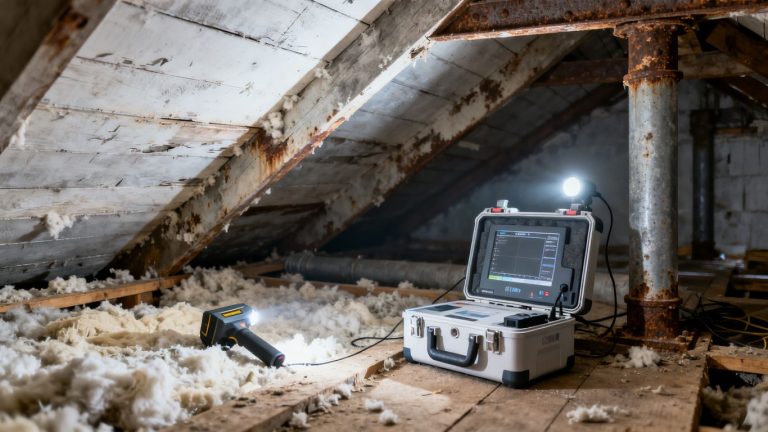
Recognizing asbestos visually can be tricky because it often blends seamlessly into construction materials. Common places to check include insulation, ceiling tiles, and old flooring. Asbestos-containing materials (ACMs) might appear as fibrous or flaky, but this isn’t always the case. One key visual clue is the age of the building—structures built before the 1980s are more likely to contain asbestos. However, visual identification alone is not reliable, and professional testing is recommended.

Professional Asbestos Testing Methods

Testing for asbestos requires specialized techniques to confirm its presence. Professionals typically take samples of suspected materials and analyze them in a lab. Methods like polarized light microscopy (PLM) and transmission electron microscopy (TEM) are commonly used. These tests can identify the type of asbestos present, such as chrysotile or crocidolite, and its concentration. Hiring a certified asbestos inspector ensures accurate results and compliance with safety regulations.

Common Misconceptions About Asbestos Identification

There are several myths about identifying asbestos that can lead to dangerous assumptions. For instance, many believe that all white insulation is asbestos, but materials like rock wool can look similar. Asbestos wool insulation, for example, is distinct due to its finer, softer texture compared to alternatives. Another misconception is that asbestos is only found in insulation—it can also be in walls, flooring, and even adhesives. Relying solely on visual cues or outdated information can put occupants at risk.

Regulations Governing Asbestos in Commercial Buildings

Overview of Federal Asbestos Regulations

Federal laws play a significant role in managing asbestos in commercial properties. The Environmental Protection Agency (EPA) oversees regulations like the National Emission Standards for Hazardous Air Pollutants (NESHAP), which aim to control asbestos emissions during activities like renovation or demolition. NESHAP mandates that certified inspectors assess buildings for asbestos before any construction work begins. Additionally, the Occupational Safety and Health Administration (OSHA) requires employers to establish an Operations and Maintenance (O&M) program to manage asbestos-containing materials (ACM) safely. These programs are designed to minimize the risk of fiber release and protect workers.

Role of OSHA and EPA in Asbestos Management

Both OSHA and the EPA have distinct yet complementary roles. OSHA focuses on workplace safety, ensuring that employees working in or around asbestos are adequately trained and protected. This includes setting exposure limits and requiring protective equipment. Meanwhile, the EPA enforces rules to prevent asbestos fibers from contaminating the environment, particularly during building renovations or demolitions. For example, the EPA’s air toxics regulation for asbestos is designed to reduce fiber release during handling activities, safeguarding both public health and the environment.

State and Local Asbestos Compliance Requirements

State and local governments often have their own asbestos regulations, which can be stricter than federal laws. These rules may require additional testing, specific removal procedures, or detailed recordkeeping. Building owners must stay informed about these regulations to avoid penalties and ensure safety. For instance, some states mandate that only licensed professionals handle asbestos abatement projects, further emphasizing the importance of compliance at all levels of governance.

Safe Management of Asbestos in Old Commercial Buildings

Encapsulation and Enclosure Techniques

Managing asbestos in older buildings doesn’t always mean removing it. In fact, one of the safest approaches is to leave the material undisturbed if it’s in good condition and not releasing fibers. Encapsulation involves applying a sealant to asbestos-containing materials (ACMs) to prevent fibers from becoming airborne. Another option, enclosure, involves building a barrier around the asbestos material to isolate it. These methods are cost-effective and reduce the immediate risk of exposure, but they require regular inspections to ensure the materials remain intact.

Routine Maintenance to Prevent Fiber Release

Even small maintenance tasks can disturb asbestos if not handled carefully. For instance, HVAC cleaning or floor polishing can accidentally release asbestos fibers. Property owners should establish a maintenance plan that includes:

  • Regular inspections to monitor the condition of ACMs.
  • Training for maintenance staff on how to recognize and avoid disturbing asbestos materials.
  • Strict protocols for handling areas with known asbestos presence.

Routine assessments help ensure asbestos safety for everyone in the building, from employees to visitors.

When to Consider Professional Abatement

While encapsulation and proper maintenance can manage asbestos risks, there are situations where abatement is necessary. If the material is damaged or if renovations are planned, professional removal may be the only safe option. Certified asbestos abatement contractors follow strict regulations to remove or contain asbestos without endangering occupants or workers. Hiring professionals ensures compliance with OSHA and EPA guidelines and minimizes long-term health risks.

Renovation and Demolition in Asbestos-Containing Buildings

Legal Requirements for Renovation Projects

Renovating buildings with asbestos-containing materials (ACM) involves strict adherence to regulations to protect both workers and the public. Federal rules, like the National Emission Standards for Hazardous Air Pollutants (NESHAP), mandate that asbestos inspections must be conducted before any renovation begins. These inspections must be performed by certified asbestos inspectors to ensure compliance. Additionally, the Asbestos Hazard Emergency Response Act (AHERA) requires that only licensed professionals handle asbestos materials during renovation projects. Failure to meet these requirements can lead to severe penalties and health risks.

Steps to Ensure Worker Safety During Demolition

Demolition activities pose a high risk of asbestos fiber release, making worker safety a top priority. To minimize exposure, the following steps should be implemented:

  1. Conduct a thorough asbestos survey to identify all ACM in the building.
  2. Use proper engineering controls, such as negative pressure enclosures, to contain fiber release.
  3. Equip workers with personal protective equipment (PPE), including respirators and disposable coveralls.

Employers must also provide training on safe handling practices and ensure compliance with Occupational Safety and Health Administration (OSHA) standards.

Hiring Certified Asbestos Abatement Contractors

When dealing with asbestos during renovation or demolition, hiring certified abatement contractors is essential. These professionals are trained to handle ACM safely and effectively. They can determine the best course of action, whether it’s removal, encapsulation, or enclosure. According to South Coast AQMD Rule 1403, specific work practices are required to minimize asbestos emissions, ensuring both compliance and jobsite safety. Always verify the contractor’s certifications and experience before starting any project.

Modern Alternatives to Asbestos in Building Materials

Eco-Friendly Insulation Options

Builders today have a variety of insulation materials that are not only safe but also environmentally friendly. One popular choice is cellulose, which is made from recycled paper products. This material is not only effective at insulating but also poses no health risks, unlike asbestos. Another option is polyurethane foam, which provides excellent thermal insulation and is easy to apply. Lastly, sheep wool insulation has gained traction for being sustainable and biodegradable, making it a great option for eco-conscious projects.

Non-Asbestos Fireproofing Materials

Fireproofing is essential in construction, and modern alternatives to asbestos excel in providing safety. Amorphous silica fabrics, for example, are highly heat-resistant and versatile. Mineral wool, derived from natural stone or recycled materials, is another effective choice for fireproofing walls and ceilings. Additionally, intumescent coatings are now widely used; these coatings expand when exposed to heat, forming a protective barrier that slows down fire spread.

Advancements in Safe Construction Practices

The construction industry has embraced safer methods and materials to replace asbestos. For instance, fiber cement boards are now widely used for their durability and resistance to moisture and fire. High-performance polymers and composites have also become popular for their strength and lightweight properties. Moreover, ongoing innovations continue to introduce new materials that are both safe and efficient, ensuring that builders no longer need to rely on hazardous substances like asbestos.

The Economic Impact of Asbestos in Commercial Real Estate

Costs of Asbestos Testing and Abatement

Managing asbestos in commercial real estate can be expensive. Testing alone can cost property owners hundreds to thousands of dollars, depending on the building’s size and the number of suspected areas. If asbestos is confirmed, abatement methods such as encapsulation, enclosure, or full removal can drive costs even higher. For larger buildings, these expenses can escalate into the tens of thousands. Failing to address asbestos risks can lead to even greater financial consequences, such as fines or lawsuits. Owners should always weigh the long-term savings of proper asbestos management against the upfront costs.

Impact on Property Value and Marketability

The presence of asbestos can significantly affect a property’s marketability. Buyers often hesitate to purchase properties with known asbestos issues due to the perceived risks and future expenses. As a result, the property’s value may drop by as much as 5% to 20% compared to similar asbestos-free buildings. Lingering asbestos concerns can also make it harder to secure financing, as some lenders may require remediation before approving loans. Property owners should consider these factors when evaluating the potential return on investment for their buildings.

Financial Assistance for Asbestos Management

While dealing with asbestos can be costly, there are financial resources available to ease the burden. Some states offer grants or low-interest loans to assist with asbestos testing and abatement. Additionally, tax deductions for environmental cleanup costs may apply in certain cases. Owners should consult local and federal programs to identify potential funding opportunities. Proactively seeking financial support can make asbestos management more manageable and reduce the strain on operational budgets.

Raising Awareness About Asbestos in Commercial Spaces

Educational Programs for Building Owners

Educating building owners about asbestos is a critical step in reducing risks. Many owners are unaware of the hidden dangers lurking in older materials, so targeted educational programs can fill this gap. These programs should focus on topics like identifying potential asbestos-containing materials, understanding health risks, and legal responsibilities. Workshops and informational sessions can be particularly effective, allowing owners to ask questions and engage directly with experts. Additionally, printed guides and digital resources can reinforce this knowledge.

Community Initiatives to Promote Safety

Community-based efforts play an essential role in raising awareness about asbestos dangers. Local governments and organizations can collaborate on campaigns to inform the public, especially tenants and workers in older commercial buildings. These initiatives might include distributing flyers, hosting public seminars, or even offering free or low-cost asbestos inspections. Highlighting the importance of proactive safety measures can encourage more people to take action. For example, a community might organize a “Safety Awareness Week” to spotlight asbestos risks and solutions.

Resources for Asbestos Information and Support

Access to reliable information is key for anyone dealing with asbestos concerns. Government agencies, such as OSHA and the EPA, provide detailed guidelines and support services. Nonprofit organizations can also offer valuable resources, including hotlines, brochures, and online tools for identifying asbestos risks. It’s important to ensure that these resources are widely accessible, whether through local libraries, community centers, or dedicated websites. Providing a centralized list of contacts and services can make it easier for individuals to find the help they need.

Future Outlook on Asbestos Regulation and Use

Trends in Asbestos Legislation

Asbestos regulation has come a long way, but it’s still evolving. Many countries have outright banned asbestos, yet in the United States, its use is limited but not fully prohibited. Recent years have seen tighter restrictions, such as the EPA’s 2019 Final Rule, which requires evaluation of certain asbestos-containing products before they can re-enter the market. This patchwork of regulations highlights ongoing challenges in achieving a comprehensive ban. Moving forward, lawmakers are expected to focus on closing loopholes and addressing legacy asbestos in older buildings.

Global Efforts to Ban Asbestos

Globally, the push to eliminate asbestos is gaining momentum. Over 60 countries, including the European Union, have implemented full bans. However, nations like Russia and China still produce and export asbestos on a large scale. International organizations and advocacy groups are working to promote awareness and encourage stricter global policies. The disparity in regulations makes it clear that a unified approach is still a distant goal.

Innovations in Asbestos Detection and Removal

Advances in technology are offering new ways to identify and manage asbestos. For instance, modern tools like portable spectrometers and AI-driven analysis are making detection faster and more accurate. In the field of removal, researchers are developing safer and more efficient abatement techniques, such as chemical neutralization of asbestos fibers. These innovations not only improve safety but also reduce costs, making asbestos management more accessible for property owners.


Additional Help


Dolman Law

Gori Law

Tor Hoerman Law

Mesothelioma Lawyer Center

Mesothelioma Guide

Weitz and Luxenberg

Lawfirm.com

Sokolove Law Group

Mesothelioma Hope

Robert King Mesothelioma Law Services

Lanier Law Firm

Mesothelioma Fund

Mesothelioma Help

Mesothelioma.Net

Mesothelioma Hub


When it comes to enjoying a refreshing swim in a pool, safety should always be a top priority. Pools can provide endless hours of fun and relaxation, but they can also pose serious risks if proper safety measures and regulations are not followed. In this article, we will explore some essential pool safety measures and regulations that every pool owner and user should be aware of.

1. Install a Pool Fence

One of the most effective ways to enhance pool safety is by installing a pool fence. A pool fence acts as a physical barrier between the pool and the surrounding area, preventing unauthorized access, especially by young children. The fence should be at least four feet high and have a self-closing and self-latching gate. Regularly inspect the fence for any damages or gaps that may compromise its effectiveness.

2. Secure Pool Covers

Using a pool cover is another essential safety measure to prevent accidents. A pool cover not only keeps debris out of the pool but also acts as an extra layer of protection, especially when the pool is not in use. It is important to ensure that the cover is securely fastened and cannot be easily removed by children or animals.

3. Install Pool Alarms

Install Pool Alarms

Pool alarms are a valuable safety tool that alerts you when someone enters the pool area or when there is any disruption in the water. There are different types of pool alarms available, such as gate alarms, surface wave sensors, and underwater motion detectors. Choose the one that suits your needs and provides an extra layer of security.

4. Provide Adequate Supervision

Never underestimate the importance of adult supervision when it comes to pool safety. Ensure that a responsible adult is always present when the pool is in use, especially if there are young children or inexperienced swimmers around. Avoid distractions, such as phone calls or reading, and focus solely on supervising the pool area.

5. Learn CPR

Knowing CPR (Cardiopulmonary Resuscitation) can be a lifesaver in case of a pool emergency. Enroll in a certified CPR course to learn the correct techniques for administering CPR to both children and adults. Prompt action can significantly increase the chances of survival before medical help arrives.

6. Regular Pool Maintenance

Maintaining your pool in good condition is not only crucial for its longevity but also for safety reasons. Keep the pool water clean and properly balanced to prevent infections and other health hazards. Regularly inspect and repair any damaged pool equipment, such as ladders, diving boards, or pool drains.

7. Follow Local Regulations

Every locality has its own set of regulations and codes concerning pool safety. It is essential to familiarize yourself with these regulations and ensure compliance. Regulations may include requirements for fence height, gate locks, pool covers, and even the presence of lifesaving equipment such as life rings or shepherd’s crooks.

Pool safety measures and regulations are vital to prevent accidents and ensure a safe and enjoyable swimming experience for everyone. By installing a pool fence, securing pool covers, using pool alarms, providing adequate supervision, learning CPR, maintaining the pool, and following local regulations, you can significantly reduce the risks associated with pool use. Always remember that safety should never be compromised when it comes to pools.