Author

Bessie Banks

Browsing

A bathroom should feel more than useful. It should feel calm, personal, and well-designed. For many homeowners, it is the first space used in the morning and the last space visited before the day ends. When planned with care, a bathroom can improve comfort, support better routines, and bring a refined sense of style into the home.

Red White & Blue Construction helps homeowners in Lafayette, Walnut Creek, Orinda, Moraga, Danville, and surrounding Contra Costa County communities create bathrooms that feel beautiful, practical, and built to last. As a premium home remodeling and general contractor brand, the company focuses on thoughtful planning, quality craftsmanship, and a smoother remodeling experience.

Why a Custom Bathroom Matters

Every home is different. Every homeowner has different needs. A family bathroom may need better storage, durable finishes, and an easier layout. A primary bathroom may need a spa-like shower, a double vanity, improved lighting, and a more relaxing atmosphere. A guest bathroom may need a polished look that makes the home feel more welcoming.

This is why working with a professional bathroom remodeling contractor can make a major difference. The right team understands how to balance design, structure, plumbing, materials, lighting, and daily use. A bathroom remodel is not only about replacing old surfaces. It is about creating a space that works better from the inside out.

Comfort Begins with Better Planning

A successful remodel starts before construction begins. Layout, storage, fixtures, tile, ventilation, and lighting all need careful attention. Small decisions can change how the bathroom feels every day. A better shower location can create more space. A floating vanity can make the room feel open. Warm lighting can make the space feel softer. Built-in niches can reduce clutter and improve function.

Red White & Blue Construction brings planning into the process early, helping homeowners make choices that support both style and comfort. This premium approach helps avoid rushed decisions and creates a more finished result.

Quality That Can Be Seen and Felt

Bathrooms carry heavy daily use. They face moisture, cleaning, heat, and constant movement. Because of this, quality is essential. Beautiful tile, modern fixtures, and elegant finishes only matter when the work behind them is done properly.

A trusted bathroom remodel company understands that strong results depend on both appearance and construction standards. Waterproofing, installation, alignment, finishing, and material handling all play an important role. When these details are handled with care, the bathroom looks better and performs better for years.

Style That Fits the Home

A premium bathroom should not feel copied from a catalog. It should match the character of the home and the lifestyle of the people living in it. Some homeowners prefer clean modern lines with glass showers and sleek vanities. Others want warm wood tones, stone-inspired finishes, classic tile, or a softer transitional look.

Red White & Blue Construction works with homeowners who want design choices that feel intentional. With support from experienced bathroom renovation experts, homeowners can create a space that feels personal, balanced, and refined.

Lasting Value for Modern Homes

A well-designed bathroom remodel can also support long-term home value. Bathrooms are one of the key areas people notice when looking at a home. A dated bathroom can make the property feel older, while a clean, modern, well-built bathroom can make the home feel more desirable.

For homeowners planning to stay, the value is also personal. A better bathroom can make everyday life easier and more enjoyable. For homeowners thinking ahead, it can improve the overall appeal of the property. This makes custom bathroom remodeling a smart investment in both comfort and quality.

A Premium Remodeling Experience

Home remodeling is personal. Homeowners want a team that respects their space, communicates clearly, and understands the importance of the project. Red White & Blue Construction brings a premium, professional approach to bathroom remodeling by focusing on trust, detail, and dependable execution.

From initial planning to final finishes, the goal is to make the process feel organized and confident. Homeowners can expect guidance on design direction, material choices, project flow, and construction details. This level of support helps turn a stressful project into a rewarding transformation.

Explore Bathroom Remodel Services

For homeowners in Lafayette, Walnut Creek, Orinda, Moraga, Danville, and nearby Contra Costa County communities, Red White & Blue Construction offers bathroom remodel services designed for comfort, style, and lasting quality.

Homeowners can visit the Red White & Blue Construction website to explore their work, learn more about their remodeling approach, and book a consultation. A premium bathroom remodel can transform more than a room. It can improve the way a home feels every day.

Frequently Asked Questions

Why should homeowners choose a professional bathroom remodeling contractor?

A professional contractor can manage planning, layout, plumbing coordination, waterproofing, materials, and installation details. This helps homeowners avoid costly mistakes and achieve a bathroom that looks refined and functions well.

What makes a custom bathroom remodel different?

A custom remodel is designed around the homeowner’s space, lifestyle, and design goals. It may include better storage, upgraded fixtures, walk-in showers, premium tilework, improved lighting, and a more efficient layout.

Can bathroom remodeling improve home value?

Yes. A well-planned bathroom remodel can improve comfort, style, and property appeal. Updated bathrooms are often important to homeowners and potential buyers because they show quality and care.

Where does Red White & Blue Construction provide bathroom remodeling?

Red White & Blue Construction serves Lafayette, Walnut Creek, Orinda, Moraga, Danville, and surrounding Contra Costa County communities.

How can homeowners get started?

Homeowners can visit the Red White & Blue Construction website, explore their remodeling services, and book a consultation to discuss their bathroom remodeling goals.

There’s a moment during a hot-to-cold transition that’s hard to describe until you’ve felt it. The heat loosens everything. The cold snaps it back. Somewhere in that exchange, the body finds a reset no single temperature can replicate.

What was once the preserve of elite sports facilities and Scandinavian spas is now finding its way into private homes, built around equipment like the water bath chiller. The two-temperature ritual is no longer niche. It’s become a regular in wellness design.

Hot-to-Cold Recovery at Home: How Hydrotherapy and Chiller Baths Fit into Modern Wellness Design

When you move from hot water to cold, your blood vessels undergo rapid alternating changes: widening in the heat, constricting in the cold. This cycle acts like a pump, clearing metabolic waste and delivering fresh oxygen to muscles and tissues.

For anyone integrating a water bath chiller into their home wellness setup, that biological mechanism is the foundation on which everything else is built. The equipment enables the therapy. The therapy delivers the results.

Those results are increasingly well-documented: reduced muscle soreness, faster post-exertion recovery, improved circulation, sharper mental clarity, and a sense of physical restoration that regular bathing simply doesn’t provide. 

The Science Is Old. The Application Is New

Contrast hydrotherapy isn’t a wellness trend that appeared on social media. It’s a practice with centuries of roots, used in Roman bathhouses, Finnish sauna culture, and traditional Japanese bathing. What’s changed is access.

For most of its history, alternating heat and cold required a professionally fitted facility or a very cold outdoor environment. Purpose-built home equipment has changed that entirely.

Heat causes vasodilation, increasing blood flow and softening muscle tension. Cold triggers vasoconstriction, reducing inflammation and driving oxygenated blood toward the body’s core. Alternating between the two creates a vascular workout that stimulates the lymphatic system and accelerates natural recovery.

Practitioners typically recommend three to five minutes of heat followed by one to two minutes of cold, repeated across multiple cycles. Finishing on cold suits recovery; finishing warm is gentler for newcomers.

What Therapeutic Baths Actually Do

The term “therapeutic” gets used loosely in wellness spaces, but in the context of water-based recovery, it has a specific and earned meaning.

Therapeutic baths built for contrast protocols sustain precise temperatures across extended sessions. In the hot phase, the water needs to stay consistently warm. In the cold phase, stable chilling is non-negotiable. Improvised setups with ice bags or cold tap water fluctuate too quickly to maintain the temperature windows that make the therapy work.

This is why therapeutic baths are increasingly specified alongside chillers in premium wellness spaces. The two complement each other: heat opens the body up, and the cold phase consolidates the benefit.

Beyond physical recovery, cold immersion triggers a release of norepinephrine, a neurotransmitter linked to focus, alertness, and elevated mood. Many regular practitioners find that a morning cold plunge shifts the mental tone of their entire day.

Why Choosing the Right Bath Tub Manufacturer Matters Here

The growing interest in home hydrotherapy has widened the range of equipment available, which makes selection more important, not less.

A hot-cold setup is only as good as the vessels it relies on. Poorly insulated tubs lose temperature quickly, making consistent protocols hard to maintain. Substandard materials degrade faster under repeated thermal cycling. Ill-fitting drainage or jets can turn a recovery session into a maintenance problem.

Working with a reputable bathtub manufacturer, one that understands both the technical demands of thermal cycling and the design expectations of a premium home, ensures the space performs as intended from day one. The right manufacturer brings materials knowledge, water management expertise, and spatial integration, not just the hardware.

In practice, this means tubs that hold temperature efficiently, surfaces that withstand repeated thermal shifts, and a form factor that sits naturally within a considered interior.

The Luxury Bathtub in a Recovery-Centred Space

There’s a design question that comes with any wellness space: how do you build something that works rigorously without looking clinical?

The answer, increasingly, is that the right luxury bathtub does both. Deep-soak freestanding forms work well as the hot phase vessel, offering full-body immersion and a visual presence. Purpose-built cold plunge units, clean-lined and compact, complement rather than compete. Together, they create a space that reads as thoughtful rather than purely functional.

Material choices matter. A tub designed for heat retention should be specced differently from one intended for cold immersion. Finishes, depth, jet configuration, and drainage all shift depending on primary use. These are decisions best made at the design stage, not retrofitted later.

The best wellness spaces at home share a quality that good hotels have long understood: they make you feel taken care of without drawing attention to the mechanics. The equipment disappears into the design, leaving only the experience.

Building the Routine

The physical infrastructure is only half of it. The other half is the practice.

A home hot-cold setup works best when it becomes consistent. Even two or three sessions a week deliver measurable benefits over time. Having the setup at home is what makes that consistency possible; no commute, no shared equipment, no scheduling around someone else’s hours.

For many, that regularity is what turns a wellness investment into a real shift in daily life. The body adapts, recovers better, and the mental benefits compound alongside the physical ones.

The ritual is ancient. The ability to practise it at home, in a space designed with the same care as the rest of the residence, is relatively new. For those who’ve built it into their routine, it becomes one of the spaces they’re most reluctant to be without.

Introduction

Owning rental property comes with ongoing responsibilities that require consistent attention, planning, and execution. A full-service management partner helps property owners reduce operational stress while improving rental income stability and long-term asset value. From tenant coordination to financial oversight, professional management ensures every aspect of the property is handled with structure and efficiency. One established resource in this field is https://www.kleinmanpropertymanagement.com/, which offers comprehensive solutions designed to support property owners with reliable management systems and market-focused strategies.

Comprehensive Tenant Management

A core expectation from a full-service management partner is effective tenant handling from start to finish. This includes sourcing, screening, and maintaining positive tenant relationships throughout the lease cycle.

Key responsibilities include:

  • Thorough tenant screening to evaluate financial reliability and rental history
  • Lease preparation and agreement management with clear terms
  • Rent collection systems that ensure consistent cash flow
  • Handling tenant queries and resolving concerns promptly

Another important aspect is maintaining occupancy stability. Property owners benefit when kleinmanpropertymanagement.com applies structured processes that reduce vacancy periods and attract dependable tenants aligned with property standards.

Property Maintenance and Upkeep

Maintenance is essential for protecting property value and ensuring tenant satisfaction. A full-service partner ensures both preventive and reactive maintenance are managed efficiently without delays.

Core maintenance expectations include:

  • Regular property inspections to identify early repair needs
  • Coordination with trusted contractors for quality repairs
  • Emergency response systems for urgent maintenance issues
  • Preventive maintenance scheduling to reduce long-term costs

These efforts help maintain safe living conditions while preserving the structural integrity of the property over time.

Financial Oversight and Reporting

Strong financial management is another critical function of property management services. Owners expect transparency, accuracy, and consistent reporting to track performance effectively.

Financial management includes:

  • Monthly income and expense tracking reports
  • Budget planning aligned with property performance trends
  • Efficient rent collection and record-keeping systems
  • Guidance on competitive rental pricing strategies

With structured financial systems, https://www.kleinmanpropertymanagement.com/ helps property owners make informed decisions that support profitability and long-term investment growth.

Strategic Property Value Enhancement

Beyond daily operations, a full-service management partner also focuses on increasing property value over time. This includes strategic improvements and market positioning.

Value-enhancing actions include:

  • Recommendations for property upgrades and renovations
  • Market analysis to align rental pricing with demand
  • Long-term planning for asset appreciation
  • Tenant retention strategies that reduce turnover costs

A reliable property management partner plays a vital role in simplifying ownership responsibilities while improving rental outcomes through structured operations, financial clarity, and proactive property care.

Residential properties built in the mid-20th century frequently incorporated materials containing asbestiform minerals due to their heat resistance and durability. While these minerals were considered a standard construction component for decades, historical usage patterns often left toxic residues in the very structures where families reside. Gaining a professional understanding of these risks is essential for modern homeowners planning updates or structural modifications. Effective management begins with recognizing the presence of these materials and minimizing opportunities for them to enter the living environment.

The history of asbestos in building materials

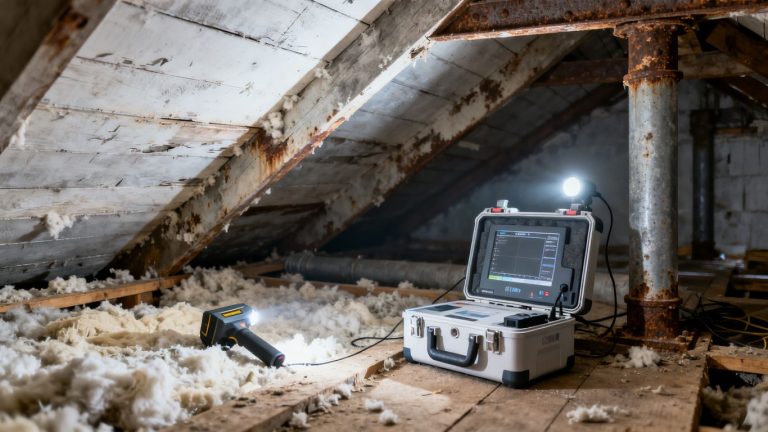
During the peak of its industrial use, developers utilized asbestos for its fire-retardant properties and low cost. It was integrated into cement, tiles, and insulating products across a vast array of architectural styles, creating a lasting legacy in the built environment that persists today. Because these materials were applied so pervasively, they remain hidden in countless homes that have not undergone thorough renovations.

Health risks associated with fiber inhalation

When asbestos-containing products are handled, cut, or crushed, microscopic fibers can be released into the environment, posing significant health risks if inhaled. These fibers are durable and can accumulate in lung tissues, potentially leading to chronic illness, scarring, or malignant conditions over long durations. Given that no exposure level is deemed safe for human health, prioritizing air quality is a strictly observed standard in building evaluation.

Why homes built before the 1980s are at higher risk

Properties constructed before the 1980s are statistically more likely to contain legacy materials that were heavily reliant on asbestiform additives. The regulatory climate shifted significantly in the 1970s, but older homes often retain their original flooring, roofing, and insulation systems. If you own an older home, it is a prudent practice to consider conducting professional assessments before modifying any structural elements or interior surfaces.

The importance of avoiding disturbance of suspect materials

Disturbing established materials that may contain asbestos risks liberating hazardous fibers, transforming inert components into an airborne danger. To protect occupants, homeowners should follow a cautious approach to maintenance and repairs. By ensuring suspect areas remain intact and properly sealed, the potential for exposure is eliminated. Consider these items to identify potential areas of concern:

  • Attic and wall insulation commonly containing vermiculite
  • Flooring tiles secured with older mastic adhesives
  • Textured ceiling finishes and joint compounds
  • Exterior cladding systems or siding materials

By following these identification strategies, property owners maintain a secure environment before choosing to engage a service like AsbestosClear for comprehensive site assessments.

Identifying common materials that contain asbestos

Identifying materials suspected of containing asbestos relies on recognizing specific construction eras rather than visual cues alone. Since many of the most common products mimic standard gypsum or vinyl building supplies, homeowners often lack the visual data necessary for confirmation. Relying on an expert assessment prevents accidental exposure during renovation or general maintenance tasks. Utilizing companies like SafeSpace Testing often ensures that these materials are properly identified during pre-maintenance inspections.

Flooring components like vinyl tiles and adhesives

Many vinyl floor tiles and the resilient adhesives used to bond them historically contained asbestos fibers to improve flexibility and adherence. Replacing these floors during a renovation requires awareness, as scraping or removing the adhesive layer can release fibers directly into the surrounding air. Homeowners should approach carpet removal or tile replacement in older kitchens and mudrooms with extreme caution.

Insulation types including pipe lagging and vermiculite

Insulation found within pipes or attics often poses the highest risk if left in a friable state or if the material begins to deteriorate. Vermiculite, a granular insulation, potentially contains asbestos contaminants, making it a critical area for inspection if it is currently exposed in attic spaces. Professional handling is the only safe standard when assessing or disturbing these insulation types.

Roofing, siding, and external cladding materials

Exterior building envelopes, including cementitious siding shingles and roofing felts, frequently utilized mineral fibers to withstand weathering and structural impact. Though these materials are often considered non-friable when in sound condition, their removal or destruction creates an environmental hazard. Specialized contractors are required to address these elements to prevent uncontrolled release during exterior remediation.

Textured ceilings and joint compound applications

Decorative ceiling treatments, often described as popcorn ceilings, and the joint compounds used on drywall frequently contained raw fibers to provide texture and fire resistance. These surfaces can shed dust over time even without direct impact, especially as houses settle or age. If you suspect these materials are present, refrain from sanding or drilling into the surface until documentation confirms the composition.

When to perform professional testing before renovations

Planning a renovation project creates a unique situation where building materials must be disturbed to achieve the desired outcome, necessitating a clear safety strategy. Even minor tasks, such as replacing light fixtures or patching walls, can introduce enough dust to compromise residential air quality if asbestos is present. Engaging a provider like PureAir Labs offers verification, ensuring that the necessary precautions are taken prior to a project commencing. Testing effectively shifts the risk management process from guesswork to a data-driven approach.

How remodeling activities increase airborne contamination risks

Activities like power drilling, sawing, and demolition generate fine particulates that can easily carry potentially hazardous fibers throughout a dwelling. Without professional containment or assessment, these activities transform static building components into dynamic respiratory hazards. Understanding the link between physical disturbance and particle release is the core requirement for safe home improvement.

Distinguishing between household maintenance and major demolition

Routine maintenance, such as changing hardware, often involves minimal impact and poses fewer risks than major structural modifications or demolition. Understanding whether a project constitutes superficial maintenance or deep intervention helps determine if professional testing is legally and logistically necessary. Categorizing the project scale correctly ensures that safety precautions are appropriately tailored to the specific level of intervention.

Determining when a DIY approach is insufficient for safety

Attempting to collect samples or manage remediation without professional training often increases the danger to all occupants. Professional testing requires standardized extraction methods and high-efficiency particulate air (HEPA) equipment that typical DIY toolkits lack. A home asbestos guide provides clarity on when to step back and invite a licensed technician into the property to handle sample acquisition safely.

Evaluating the impact of renovation scale on liability

Major renovations change the physical landscape of a home, bringing significant legal and financial responsibilities if material hazards are mishandled. If contractors uncover hidden asbestos during a project, the delay and management costs can escalate if plans were not adapted early on. Proactive asbestos hazard awareness helps protect property owners from unforeseen liability and health-related repercussions after a project has finished.

Steps for professional asbestos inspection and sampling

Professional inspection is the process of locating, identifying, and quantifying potentially hazardous materials through rigorous field analysis. An inspector systematically maps the home, checking areas that match the profile of common hazardous construction for that era. By following established protocols, these experts document the presence of fibers without risking their own safety or that of the household. Referencing an asbestos testing checklist allows for transparency during the inspection process.

Selecting a certified asbestos building inspector

Certification ensures that the individual possesses the technical training to identify suspect materials and follow legally mandated sampling protocols. Homeowners should verify credentials to ensure the inspector adheres to local and regional safety regulations before scheduling an appointment. A qualified inspector brings essential tools for evaluating material composition and site-specific hazards accurately.

The process of non-destructive visual assessment

Initial inspection begins with a visual overview to assess the condition of materials and determine if sampling is necessary. Inspectors look for physical degradation, fiber exposure, and signs of past interference, keeping the structural components as undisturbed as possible during this stage. The result of this assessment informs the final testing strategy and provides the groundwork for any future management plan.

Maintaining containment during material sampling

When a material sample must be collected for lab submission, professionals utilize small-scale containment to ensure that internal air quality remains completely unimpacted. This approach prevents fibers from migrating to other parts of the home during the extraction interval. Strict adherence to industry safety standards remains a core requirement for any technician collecting samples from established materials.

Logistics for submitting samples to accredited laboratories

Once samples are safely secured, they are tracked via a chain of custody and transported to an accredited facility for definitive microscopic analysis. The laboratory processes these samples using standardized analytical techniques to determine the concentration and type of mineral present. Providing valid laboratory data is the only reliable way to clear a workspace for subsequent construction activity.

Interpreting laboratory results and managing hazards

Laboratory results represent the final check to determine if a material falls within the regulated category of asbestos-containing material. Understanding the data provided in these reports is essential for making informed decisions on whether to remove or contain the hazard. If the report comes back indicating asbestos test results, the property owner must follow prescribed abatement paths based on the material’s specific condition.

Understanding the threshold for regulated asbestos materials

Regulatory standards dictate specific percentages of asbestos content that trigger mandatory compliance and remediation procedures. Materials below this threshold might still require care, but they fall outside the strictest abatement requirements. Reviewing these threshold levels with an expert ensures that management strategies remain compliant and effective for the specific project needs.

Recognizing the difference between friable and non-friable materials

Friable materials can be crushed or reduced to powder by hand pressure, which makes them highly prone to releasing fibers into the air. Non-friable materials are bound in a matrix that prevents fiber release unless they are mechanically damaged, sawed, or abraded. This classification often dictates whether the material can be encapsulated in place or if it must be fully removed.

Options for managing asbestos in place

If the material is intact and not likely to be disturbed by future living activities, in-place management is often a valid and safe recommendation. This approach involves monitoring the status of the material periodically to ensure no decay or damage occurs over time. Keeping materials enclosed is an effective method for minimizing occupant exposure risk when remediation isn’t strictly necessary.

Deciding between encapsulation and professional removal

Encapsulation involves applying a seal to the surface of the material, which creates a protective barrier that locks fibers in place. If encapsulation is impractical due to extensive damage, professional removal becomes the primary method for ensuring long-term safety. A home safety guide helps clarify the professional decision-making process when comparing these two remediation paths.

Legal requirements and compliance for asbestos abatement

Navigating the legal landscape requires clear documentation of all diagnostic and removal activities to remain compliant with state and federal regulations. While some regions allow homeowners to manage their properties with fewer restrictions, professional intervention is often governed by strict notification and disposal laws. Failure to comply with these records requirements can complicate property resale or insurance validation. Each step of the abatement process must be handled by licensed entities to ensure that legal safety requirements are met.

Understanding local and state notification requirements

Notification protocols are in place to ensure that environmental agencies are informed before significant abatement begins, which helps protect the surrounding community from exposure. Depending on the scale of the project, contractors are often required to file documentation far in advance of the start date. Homeowners must ensure their contractors handle these administrative tasks to maintain a full record of compliance.

Roles and responsibilities of licensed abatement contractors

Licensed abatement contractors are legally tasked with executing the project according to approved remediation plans and safety guidelines. Their responsibilities include setting up negative pressure environments, using professional-grade personal protective equipment, and isolating the workspace from unaffected parts of the home. By assuming these tasks, the contractor ensures that the safety measures are properly implemented throughout the duration of the work.

Documentation needed for property records and resale

Comprehensive documentation, including laboratory analysis reports and clearance letters, constitutes the permanent legal record for a healthy building. These records serve as evidence of proper remediation, which becomes crucial when providing disclosures during a property sale or real estate transaction. Archiving these documents in the official property file protects future owners and confirms the home was handled with professional care.

Managing waste streams according to environmental regulations

Asbestos-containing waste must be handled and disposed of in specialized facilities that are equipped to bury or encapsulate it safely. Regulations strictly forbid disposing of this hazardous waste in standard residential trash systems or local landfills. Certified abatement contractors coordinate the logistics for authorized waste transport, ensuring that the legacy material is permanently and safely removed from the property site.

Continue Learning

A swimming pool is often the centerpiece of outdoor living, offering relaxation, entertainment, and a place to unwind. However, maintaining a clean and comfortable pool area can be challenging without the right protection. This is where a screen enclosure becomes a valuable addition. Many homeowners are turning to pool screen enclosure builders in Longwood FL to enhance their outdoor spaces while improving functionality and comfort.

Protection From Debris and Pests

One of the most noticeable benefits of a screen enclosure is the barrier it creates against leaves, dirt, and insects. Pools that are left open tend to collect debris quickly, leading to more frequent cleaning and maintenance. With an enclosure in place, you can significantly reduce the amount of time spent skimming and vacuuming.

Additionally, insects such as mosquitoes and flies are kept out, allowing you to enjoy your pool without constant annoyance. This makes a screened pool area ideal for relaxing evenings or hosting gatherings without interruptions.

Enhanced Safety for Families

Safety is a top priority for any homeowner with a pool. A screen enclosure adds an extra layer of protection by creating a defined boundary around the pool area. This can help prevent accidental access by children or pets when the pool is not in use.

While it should not replace other safety measures, it works as an additional safeguard that brings peace of mind. Many homeowners choose to work with experienced providers like LA Construction Custom Screen Builders to ensure the structure is secure and properly installed.

Improved Comfort and Shade

Direct sunlight can make pool areas uncomfortable, especially during hotter months. A screen enclosure helps filter sunlight, reducing glare and creating a more pleasant environment. It allows you to enjoy your pool without excessive heat exposure, making daytime swimming more enjoyable.

The enclosure also provides some protection from light rain, allowing you to continue using your outdoor space in varying weather conditions. This added comfort extends the usability of your pool throughout the year.

Reduced Maintenance and Cost Savings

Maintaining a pool can be time-consuming and expensive. By keeping out debris and minimizing contamination, a screen enclosure helps maintain water quality for longer periods. This means fewer chemicals are needed, and cleaning equipment is used less frequently.

Over time, these reductions can lead to noticeable savings. Investing in custom pool cages in Central Florida is not just about convenience but also about lowering long-term maintenance costs.

Increased Property Value and Appeal

A well-designed pool enclosure can enhance the overall appearance of your home. It creates a polished and organized look that appeals to potential buyers. Outdoor spaces that are functional and easy to maintain are often seen as valuable features in the real estate market.

A screened pool area also gives the impression of a more complete outdoor living environment, making your property stand out. Whether you plan to sell in the future or simply want to upgrade your home, this addition can make a significant difference.

Better Outdoor Living Experience

A pool enclosure transforms the way you use your outdoor space. It creates a comfortable environment where you can relax, entertain, and spend time with family without worrying about the weather or pests.

From quiet mornings by the pool to evening gatherings, the enclosure provides a controlled space that enhances every experience. With the help of skilled professionals, homeowners can design enclosures that match their specific needs and preferences.

Conclusion

Installing a screen enclosure around your pool offers a wide range of benefits, from improved cleanliness and safety to enhanced comfort and property value. It is a practical upgrade that simplifies maintenance while elevating the overall outdoor experience.

By choosing reliable professionals and investing in quality materials, homeowners can enjoy a long-lasting solution that adds both function and style to their pool area.

Wildfire events leave behind more than just physical char; they destroy the complex infrastructure of daily life. Calculating the total impact requires a comprehensive view of all tangible and intangible losses. Families and businesses must navigate insurance policies and legal claims to account for the breadth of their devastation.

Real property and structure losses

When a home or primary structure is completely destroyed, the immediate financial focus rests on the cost of rebuilding. Homeowners must document every structural nuance, from the foundation to specialized materials, to ensure an accurate appraisal. This assessment often serves as the cornerstone for subsequent financial recovery efforts.

Personal property and content inventory

Determining the value of lost personal belongings is a grueling task that requires creating a room-by-room inventory of destroyed assets. This process involves cataloging everything from furniture and clothing to high-value collectibles and family heirlooms. Establishing the pre-fire condition of these items is essential for maximizing the recovery of their value.

Economic losses and business interruption

Businesses affected by wildfire face significant hurdles regarding ongoing revenue and employee payroll stability. Beyond building repairs, owners must demonstrate the loss of income caused by operational shutdowns. Proving these figures often requires detailed accounting and financial forecasts to separate lost profits from normal seasonal fluctuations.

Emotional distress and non-economic damages

While physical property damage is easily quantified, the toll on mental health and individual well-being is much harder to measure. Non-economic damages often address the trauma of sudden displacement and the psychological impact of losing a safe sanctuary. These claims acknowledge that the complex path toward restorative justice involves more than just bricks and mortar.

The legal process for securing wildfire settlements

Resolution in these cases typically moves through structured legal channels rather than informal negotiations. Claimants must decide whether to act alone or engage with broader legal efforts aimed at systemic liability. Regardless of the route, the process is inherently rigorous and requires intense evidentiary support.

Investigating fire origin and liability

Determining the cause of a wildfire is the first step in establishing legal responsibility for the damage. Experts analyze forestry data, power grid maintenance records, and weather conditions to conclude exactly where and why the fire ignited. This thorough investigation is a prerequisite for many major wildfire lawsuits where utility negligence is the primary driver.

Filing individual claims versus joining class actions

Choosing between an individual lawsuit and a class action suit depends on the claimant’s specific damages and desire for direct control. Individual litigation offers a tailored strategy, whereas joining a class or mass tort often provides a more streamlined path to resolution. Many firms like JAMS provide neutrals who help navigate the specific hurdles of mass tort mediation.

Navigating mediation and mandatory settlement conferences

Mediation serves as a critical bridge between litigation and a final settlement, allowing parties to avoid the uncertainty of a court trial. During mandatory settlement conferences, negotiators work to align opposing viewpoints on fair compensation values. These sessions are designed to facilitate communication while maintaining the legal rights of all impacted parties.

The role of the fire victim trust

Once a master settlement is reached, a court-supervised trust is frequently established to oversee the disbursement of funds. The Fire Victim Trust acts as the central administrator for processing individual claims against the settlement pool. It ensures that every eligible claimant receives a fair portion of the allocated funds according to established protocols.

How compensation is calculated

Valuation models are the bedrock of fair wildfire settlements, linking tangible losses to specific monetary payouts. Different insurance and legal standards apply depending on whether the asset is evaluated at its current worth or the cost of total replacement. Understanding these methods is vital for any claimant seeking to fully restore their pre-fire situation.

Replacement cost value versus actual cash value

Replacement cost value focuses on the current price to rebuild or replace an item at today’s market rates. In contrast, actual cash value accounts for depreciation, often resulting in a significantly lower payout than the cost of a new structure. Determining which standard applies to a specific claim is often a point of intense negotiation during the settlement phase.

Utilizing experts for property appraisal

Professional appraisers are indispensable for verifying the legitimacy of damage claims and market valuations. They utilize specialized data to assess property depreciation and current reconstruction expenses. Their reports provide an objective basis for the Wildfire Recovery Compensation Program to finalize offers that align with regional market needs.

Accounting for temporary living expenses

Displaced residents face mounting costs while they wait for their homes to be rebuilt or for their settlements to finalize. These expenses include rent, pet boarding, and increased commuting costs that occur while living outside of one’s primary residence. Tracking these costs in real-time ensures they are fully recoverable as part of the total loss calculation.

Addressing loss of use and rental income

Landlords and investment property owners must accurately reflect their lost stream of rental income during the period of repair. This requires proof of tenancy and current rental agreements to calculate what the property would have generated. Properly addressing this loss prevents a long-term drain on the claimant’s investment portfolio.

Factors influencing the settlement amount

Settlement sums are rarely uniform; they are influenced by case-specific evidence and the strength of the underlying legal arguments. The degree of documented negligence and state-specific regulations play a major role in what an entity agrees to pay to resolve a claim. External factors, such as local fire safety protocols, also influence how authorities and insurers view the liability of responsible parties.

Evidence of utility company negligence

Utility companies face significant liability if their infrastructure or maintenance practices are linked to the ignition of a fire. Evidence such as outdated power lines or failure to clear vegetation can exponentially increase the requested settlement amount. Courts heavily weigh this evidence to ensure that those responsible for the hazard bear the cost of the disaster.

Impact of state-specific liability laws

Each state has distinct statutes regarding how liability is apportioned between different parties involved in wildfire ignitions. Some states adhere to strict liability models, while others require proof of active negligence or failure to meet mandated safety standards. These laws significantly dictate the ease with which a claimant can successfully receive a full settlement payout.

Role of relevant insurance coverage

Insurance policies are often the first line of defense for wildfire victims, but they rarely cover the entirety of catastrophic losses. Settling with an insurance provider involves navigating extensive policy language and exclusions that may cap the total amount recovered. Settlements with third parties are then intended to cover the remaining gaps left by these insurance policies.

Influence of previous wildfire mitigation efforts

Evidence that a property owner or local authority took proactive steps to mitigate fire risks can impact the settlement dynamic. Courts may view efforts like controlled vegetation removal or fire-resistant home retrofitting as proof of responsible behavior. Conversely, a total lack of mitigation might be used by the defense to argue for a partial reduction in payout amounts.

The payout timeline and distribution methods

Receiving a settlement does not happen instantaneously; it requires a structured verification process to satisfy legal requirements. The duration depends heavily on the volume of claims and the complexity of the evidentiary review. Claimants should be prepared for a multi-stage process before the final dispersal of funds.

Lump sum settlements versus structured payments

Some victims receive their compensation in one single lump sum, providing immediate liquidity for major reconstruction. Others may be placed on a structured payment plan that distributes funds over several years. The choice often depends on the urgency of the claimant’s needs and the financial structure of the responsible settlement fund.

Verification procedures before final disbursement

Before a single dollar reaches a claimant, administrators must confirm that all required documentation is complete and accurate. This internal review serves as a safeguard against potential fraud or miscalculation. The following steps are typically required:

  1. Verification of legal standing and proof of residence.
  2. Submission of itemized property loss inventories.
  3. Review by independent experts for accurate valuations.
  4. Final execution of all liability release documents.

Once these requirements are met, the processing timeline proceeds significantly faster toward fund release.

Managing delays from appeals or fund insolvency

Legal appeals by the responsible party or unforeseen insolvency of the settlement fund can cause major delays in payment. These situations require victims to stay in close contact with their legal counsel to understand their position within the payment priority list. While such delays are frustrating, they are a frequent component of large-scale mass tort resolution.

Distribution logistics from court-supervised trusts

Trust administrators use secure banking and institutional distribution channels to ensure funds reach victims safely. The logistics of issuing thousands of individual payments require rigorous data security and strict compliance with IRS reporting guidelines. Claimants should monitor their provided bank or escrow accounts during this final stage of distribution.

Tax implications and financial planning

Receiving a significant settlement requires careful consideration of its long-term financial consequences. Distinguishing between different types of damages is essential, as the IRS treats punitive damages differently than compensatory awards. Consulting with experts helps ensure that these wildfire relief payments support long-term recovery rather than creating new tax burdens.

Federal and state tax treatment of settlement proceeds

Many wildfire settlement proceeds are classified as non-taxable if they cover the direct loss of physical property or personal injury. However, amounts designated for lost business income or punitive purposes may be subject to income tax. Understanding these classifications prevents unexpected liability during the next tax filing cycle.

Distinguishing between punitive and compensatory damages

Compensatory damages are explicitly intended to make the victim whole again and generally carry fewer tax complications. Punitive damages, designed to punish a negligent party, are often taxable as ordinary income in many jurisdictions. Separating these amounts in the final settlement agreement is a strategic task for legal counsel.

Long-term asset protection strategies

Handling a large influx of capital requires a plan for long-term protection, especially for those in the middle of a home reconstruction project. Financial planners suggest creating a dedicated account for settlement proceeds to ensure funds are not accidentally comingled with personal assets. Protecting these funds preserves them for necessary repairs and future household security.

Managing sudden wealth and financial recovery

Receiving a settlement can be a disorienting financial event that requires a disciplined approach to spending. Many claimants benefit from hiring a team of advisors to manage investments, tax timing, and rebuilding costs. Building a structured recovery plan allows victims to translate their settlement into true financial stability.

Helpful Resources

Divorce is hard enough without turning the family home into another battleground. For many couples in St. Louis, the house is both the largest shared asset and the biggest source of ongoing tension during a separation. Mortgage payments, property taxes, utilities, and maintenance all keep running whether the divorce is finalized or not, and every month the home sits unresolved tends to make the situation harder rather than easier.

Selling the home is often the cleanest way forward, but the question most couples run into is how to do it quickly and fairly without adding more stress to an already difficult time.

Why Traditional Sales Often Make Divorce Harder

A traditional listing can stretch out for 60 to 90 days or longer, and that timeline rarely matches what a divorcing couple needs. Agents require the home to be cleaned, staged, and show ready. Both spouses have to agree on the list price, the timing of showings, any repair requests from buyers, and eventually the final sale price. Every decision becomes another opportunity for disagreement, and attorneys often get pulled into each one.

Meanwhile, the monthly costs keep adding up. Someone has to pay the mortgage, and if neither spouse can comfortably cover it alone, late payments and credit damage start to become real risks. For couples already dealing with the emotional and financial strain of separation, dragging out the home sale often makes a hard season longer than it needs to be.

When a Cash Sale Makes Sense to Sell My Home For Cash

A cash sale removes most of the friction points from the equation. There are no showings to coordinate, no repairs to argue over, no staging decisions, and no buyer financing that could fall through. The offer is either accepted or it isn’t, and once accepted, the closing moves on a set timeline that both spouses can plan around.

For couples trying to sell my home for cash and move on with their lives, the simplicity matters as much as the speed. A cash buyer like Doctor Home takes the home as-is, handles all the paperwork, and closes within a timeframe that works for both parties. Proceeds are split according to the divorce agreement, and both spouses can focus on the next chapter instead of arguing over paint colors.

What the Process Looks Like

The starting point is a phone call to (314) 310-2614 or a submission through the online form. A walkthrough is scheduled at a convenient time, and a cash offer typically follows within a day or two. With over 15 years of experience and more than 10,000 homes purchased across the St. Louis region, the Doctor Home team is familiar with divorce related sales and coordinates with both parties and attorneys when needed.

Homes are purchased in their current condition, so repairs and cleaning aren’t part of the process. Closings can happen in as little as seven days or be scheduled further out to align with court timelines and the divorce settlement.

The Bottom Line

Selling a home during divorce isn’t easy under any circumstances, but the approach can make a real difference. A cash sale offers a way to resolve the biggest shared asset quickly, with fewer decisions to fight over and fewer months of carrying costs to manage. Reaching out to Doctor Home for a no obligation offer is one way to see what the home is worth and give both spouses a clearer path forward.

When summer heat starts creeping in, your home’s comfort quickly depends on one key system-your air conditioner. Yet for many homeowners, the idea of installing a new AC unit can feel overwhelming. What actually happens during installation? How long does it take? And will your home be disrupted in the process? Understanding the process can remove uncertainty and help you feel confident about your investment.

Why Proper AC Installation Matters

An air conditioning system is only as effective as its installation. Even the most advanced unit can underperform if installed incorrectly. Poor installation can lead to uneven cooling, higher energy bills, and frequent breakdowns.

Professional installation ensures the system is correctly sized for your home, installed according to manufacturer standards, and optimized for efficiency. This directly impacts long-term performance, indoor comfort, and operating costs.

Preparing for Installation Day

Before the actual installation begins, there is a planning phase that sets the foundation for success. This typically starts with a home assessment. Technicians evaluate factors such as square footage, insulation levels, window placement, and existing ductwork.

This is also where homeowners begin to understand what to expect during your AC installation. The contractor will explain timelines, required modifications, and any preparation needed, such as clearing space around the work area.

Proper preparation helps prevent delays and ensures the installation day runs smoothly.

Removing the Old System

If you are replacing an existing unit, the first physical step involves safely removing the old system. This includes disconnecting electrical components, refrigerant lines, and duct connections.

Technicians follow strict safety and environmental guidelines when handling refrigerants, ensuring compliance with regulations. Removing the old system also provides an opportunity to inspect ductwork and identify any issues that could affect the new unit’s performance.

This stage is typically quick but critical for ensuring a clean transition to the new system.

Installing the New AC Unit

Once the old system is removed, the new air conditioning unit is carefully positioned and installed. This step involves placing both the indoor and outdoor components in their designated locations.

The outdoor unit, often called the condenser, is installed on a stable base outside the home. The indoor unit, such as an air handler or evaporator coil, is connected to your existing HVAC system.

Precision is essential during this stage. Proper alignment, secure mounting, and correct spacing all contribute to efficient airflow and system longevity.

Connecting Electrical and Refrigerant Lines

After positioning the unit, technicians connect the electrical wiring and refrigerant lines. These components are essential for the system to function safely and efficiently.

Electrical connections must meet local codes and manufacturer specifications. Refrigerant lines are carefully sealed and tested to prevent leaks, which can impact cooling performance and environmental safety.

This step is highly technical and requires professional expertise to ensure everything operates correctly from day one.

Testing and System Calibration

Once all components are installed, the system undergoes a thorough testing phase. Technicians check airflow, thermostat operation, refrigerant levels, and overall system performance.

This is where the installation truly comes together. Adjustments are made to ensure the system delivers consistent cooling throughout the home. Proper calibration also helps maximize energy efficiency and reduce future maintenance needs.

At this stage, homeowners gain a clearer picture of what to expect during your AC installation, including how the system will perform once fully operational.

Understanding the Timeline

Most standard AC installations can be completed within a single day. However, the exact timeline depends on factors such as system complexity, home layout, and whether ductwork modifications are required.

For example, replacing an existing unit with a similar model is usually quicker than installing a completely new system in a home without prior ductwork.

Being aware of the timeline helps homeowners plan accordingly and reduces unnecessary stress.

How to Prepare Your Home

While most of the work is handled by professionals, homeowners can take a few simple steps to make the process smoother. Clearing the installation area, ensuring easy access to electrical panels, and keeping pets and children away from the work zone can help speed up the process.

Communication is also key. Asking questions and staying informed allows you to feel more involved and confident throughout the installation.

Conclusion

Installing a new air conditioning system does not have to be a stressful experience. With the right preparation and a clear understanding of the process, homeowners can approach installation day with confidence. From initial assessment to final testing, each step plays a vital role in ensuring your system performs at its best.

By knowing what happens behind the scenes, you are better equipped to make informed decisions and get the most out of your investment. A well-installed AC system is more than a comfort upgrade-it is a step toward a more efficient, reliable, and enjoyable home environment.

Creating a beautiful home requires a very clear plan. You must think about every single room at once. Open plans link the kitchen to the living area. This layout demands a strong sense of visual flow. You want your spaces to feel connected and warm. Many owners struggle with mismatched colors or weird textures. WellP decorative films offer a perfect solution for this. You can achieve a high end look with ease. These materials transform dull surfaces into stunning focal points. Now your home can feel like a single masterpiece.

The Secret of Visual Continuity in Design

Visual flow makes a small house feel quite large. You should use similar colors in every single area. This strategy removes the hard lines between your rooms. Soft transitions create a very calm and peaceful mood. Most people ignore the link between kitchen and bedroom. But the eye needs a steady path to follow. Choosing premium surface finishes helps to bridge these gaps. Your home will look like a professional designer touched it. Consistency brings a sense of balance to your life. The whole space feels very intentional and very grand.

Matching Kitchen Islands with Custom Wardrobe Units

The kitchen island often sits in the center of life. It must look great from the living room couch. You should apply the same film to bedroom closets. This trick creates a secret bond between two zones. The textures will match across the entire floor plan. It makes the transition feel natural and very smooth. You can select colors that reflect the natural light. Darker tones add a sense of luxury and depth. Lighter shades keep the interior feeling airy and bright. Matching these elements shows great attention to small details.

Why the Ultra Matte Finish Wins Every Time

The Ultra Matte finish provides a very sophisticated look. It does not reflect harsh light like glossy paint. This soft texture feels like velvet under your hand. You will love how it hides messy finger marks. The Ultra Matte surface works well for kitchen cabinets. It also adds a cozy feel to wardrobe doors. This versatility makes it a top choice for homes. You get a deep color without any annoying glare. It bridges the gap between utility and soft comfort. Your guests will admire the smooth and elegant touch.

Durable Protection for Every High Traffic Surface

Kitchens and bedrooms see a lot of daily use. You need materials that can withstand constant moving parts. A Scratch-resistant decorative film is essential for busy families. These films stay beautiful for many years of use. You do not have to worry about small dings. The surface remains tough against heat and light moisture. It keeps your furniture looking fresh and brand new.

Conclusion

The journey to a cohesive home is very rewarding. You start with a vision of total design unity. Using high quality films makes the process quite simple. Your kitchen and bedroom will finally talk to each other. The Ultra Matte texture provides the perfect finishing touch. You avoid the trap of messy and disjointed rooms. A beautiful home improves your daily mood and focus. Trust in the power of consistent and tough surfaces. Your living space will reflect your unique personal style. The result is a home that feels truly complete.

Laundry is a daily task for most households, but it doesn’t have to be mundane. Choosing the best smelling laundry detergent can turn your routine into an enjoyable experience while keeping clothes clean, fresh, and fragrant. With so many options on the market, it’s important to understand what makes a detergent truly stand out.

Why Fragrance Matters in Laundry

The scent of your clothes plays a big role in your overall comfort and confidence. Freshly laundered clothes with a pleasant fragrance can make a lasting impression, whether you’re heading to work, school, or social events. The best smelling laundry detergent ensures your garments remain enjoyable to wear, leaving a subtle, long-lasting aroma that uplifts your senses.

Key Factors to Consider

When selecting the ideal detergent, consider the following elements:

  1. Scent Longevity – Look for detergents with advanced fragrance technology that keeps clothes smelling fresh for hours or even days.
  2. Fabric Safety – A good detergent cleans effectively while protecting the integrity of your fabrics, whether it’s cotton, wool, or synthetics.
  3. Cleaning Power – The best detergents combine a pleasant aroma with the ability to remove stains, dirt, and odors efficiently.
  4. Eco-Conscious Ingredients – Many premium options now include biodegradable and non-toxic ingredients that are safe for both your family and the environment.

Tips for Maximizing Laundry Fragrance

To enhance the scent and freshness of your laundry:

  • Sort Laundry Properly: Separating colors and fabrics ensures optimal cleaning and fragrance retention.
  • Avoid Overloading the Machine: Giving clothes room allows detergent to work effectively.
  • Use Recommended Amounts: Following dosage instructions prevents residue buildup and maximizes scent.
  • Combine with Dryer Sheets or Scent Boosters: These can enhance and extend the fragrance of your laundry.

Discovering the Best Smelling Laundry Detergents

Finding the perfect detergent doesn’t have to be overwhelming. Brands focused on fragrance, like those offered by Moziwash, provide a wide selection of the world’s best smelling laundry detergents, combining strong cleaning power with delightful aromas. From floral to citrus or fresh linen scents, there is a detergent for every preference.

Conclusion

Investing in the best smelling laundry detergent elevates your laundry routine, making clothes smell fresh and inviting every time you wear them. By understanding what to look for and applying simple laundry tips, you can enjoy garments that are not only clean but also fragrance-rich, enhancing comfort and confidence throughout your day. Explore premium options to experience the joy of laundry that truly smells amazing.