Category

Home Improvement

Category

Moving to a new apartment in Phoenix can be both exciting and daunting. With the vibrant cityscape and bustling neighborhoods, there’s much to look forward to. However, the process of packing, transporting, and settling in can quickly become overwhelming. That’s where expert apartment moving services come into play.

These professional movers specialize in ensuring a smooth transition from one home to another. They offer tailored solutions that cater to individual needs, taking the stress out of moving day. Whether it’s navigating narrow staircases or handling delicate items, these experts have the skills and equipment to manage every aspect efficiently.

Choosing the right moving service in Phoenix means more than just convenience—it’s about peace of mind. With their help, residents can focus on the excitement of their new beginnings rather than the logistics of getting there. Explore how these services can transform your moving experience into a hassle-free journey.

Key Benefits of Hiring Professional Movers

Expert movers, like Budget Movers in Phoenix, handle the complexities of apartment relocations with ease. They offer solutions that make the moving process seamless for residents.

Stress Reduction

Professional movers alleviate many common moving stressors. They manage logistics, from packing to transportation, making the transition smoother. Expert handling ensures that belongings are safe and accounted for, allowing residents to focus on settling into their new apartment rather than the challenges of the move itself.

Time Efficiency

Moving involves several time-consuming tasks. Professional movers streamline processes, saving residents valuable time. Experienced teams pack, transport, and set up belongings swiftly, minimizing downtime. Efficiency is key to a faster, smoother move, especially in busy urban areas like Phoenix.

Safety and Reliability

Safety and reliability are paramount in moving services. Professionals use specialized equipment to prevent injury and damage. With years of experience, these movers ensure belongings arrive intact. They adhere to strict timelines and standards, offering peace of mind.

What to Look for in a Phoenix Moving Service

Selecting the right moving service is crucial. Budget Movers, the Apartment Moving Specialists in Phoenix, streamline the moving process.

Experience and Expertise

Professional movers must demonstrate extensive experience in handling apartment relocations. Proven expertise ensures they navigate unique challenges such as narrow hallways and specific building regulations. Look for movers with a history of successful projects.

Comprehensive Service Offerings

The ideal service encompasses all aspects of moving. Seek providers offering packing, loading, and unloading services, along with storage solutions if needed. A comprehensive approach guarantees a smooth transition without fragmented tasks.

Customer Reviews and Reputation

Reputation serves as a reliable indicator of service quality. Examine customer reviews and testimonials to gauge satisfaction levels. Highly-rated companies usually provide consistent service and prioritize customer experiences.

Finding a service that exhibits these attributes ensures a stress-free move.

Preparing for Your Apartment Move

Apartment moves present unique challenges like tight spaces and logistical hurdles. Budget Movers, the apartment moving specialists in Phoenix, streamline the process with expert solutions for residents citywide.

Organizing and Planning

Effective organizing and planning ensure a smooth apartment move. Start by creating a timeline detailing tasks and deadlines to avoid last-minute stress. Include tasks like hiring movers, purchasing packing supplies, and notifying service providers of the address change. Budget Movers can assist in developing a moving plan, scheduling services, and providing valuable insights through their expertise in apartment relocations.

Decluttering and Packing Tips

Decluttering simplifies packing and reduces moving costs. Begin by sorting items room by room and donating or selling items no longer needed. For packing, use sturdy boxes and label each with contents and destination room. Budget Movers recommend packing essentials separately to keep them accessible during the move. Employ strategies like using small boxes for heavy items and bubble wrap for fragile belongings to ensure safety during transport.

Cost Considerations for Apartment Moving Services

Understanding the expenses involved in hiring professional movers can ease decision-making during a move. Knowing what to expect financially helps residents budget effectively and choose a service like Budget Movers that fits their needs.

Obtaining Quotes and Estimates

It’s crucial for residents to request quotes from multiple moving services. Budget Movers, as a prominent choice, provides detailed estimates that outline services covered and potential additional costs. Comparing these estimates allows residents to evaluate cost-effectiveness and align services with their budget constraints. Transparency in quoting prevents unexpected expenses, making the moving process smoother.

Understanding Service Charges and Fees

Residents should look for any hidden fees when reviewing moving service agreements. Understanding common charges like fuel costs, packing materials, and stair fees helps in planning an accurate budget. Budget Movers, known for their clear pricing structure, ensures that residents are informed of all possible charges upfront. This transparency creates trust and avoids any last-minute financial surprises, supporting a stress-free relocation.

A roof is one of the most important investments in any building. It is supposed to be the first line of defense against weather conditions, UV radiation, and other elements that hurt the building. Roofs have a usual life and show signs of aging over time. They have to be maintained or sometimes even replaced. Today, roof coating has emerged as a significant resource to extend a roof’s lifespan, make it energy-efficient, and reduce its maintenance frequency.

They form a protective layer to help maintain the roofing material’s integrity and provide several essential benefits. Among them are the following:

  1. Increased Durability

Roof coatings create an additional layer of protection that can dramatically lengthen the life of a roof. They are formulated to resist various weather conditions, including heavy sunlight, rain, wind, and even hail, which all could contribute to a roof’s deterioration over time. This added layer reduces direct exposure to these elements, allowing the roof structure to be more durable and decreasing cases of leakages and other forms of damage. Most roof coatings are made up of reflective components that reflect UV rays; their interference slows down the degradation process that sunlight typically enhances. Also, include a reputable roofing company when installing roof coatings.

  1. Energy Efficiency

Many of the roof coatings are of such a nature that they are reflective, hence energy-efficient.The reflective coatings, usually white or light-colored, can reflect a very high percentage of solar radiation away from buildings, thus helping to lower indoor temperature when it is hot outside. This could result in lesser use of air conditioning by a reduced quantum, reducing energy bills. Energy savings can be very significant, especially in warmer climates where the effect of heat absorption by the roof is most pronounced. The coatings will aid in regulating indoor temperature and thus play a key role in improving the general energy efficiency of a building.

  1. Cost Savings on Maintenance and Repairs

Applying a roof coating can result in significant cost savings over the life of a roof.Coatings reduce frequent repairs or maintenance by adding an extra layer that makes the roof more resistant to wear and tear.That can be fewer cases of expensive repair or overall replacements; owners of buildings can thus be economical with the budget. Besides, since it is easier to reapply roof coatings than go through extensive roof repairs, they offer a realistic and economical method of caring for the roof.

  1. Minimizing Environmental Impact

Sustainability is promoted by roof coatings that offer extra life to a roof: fewer replacements and less waste from those replacements. That would also mean fewer roofing materials land in landfills, which is good for the environment. These reflective coatings help reduce energy use, indirectly reducing greenhouse gas emissions from cooling demands. Some roof coatings are also derived from environmentally friendly materials. This is yet another way they add to the carbon footprint.

Closing Thoughts

Incorporating a roof coating into a building’s maintenance plan offers added value, from extending roof life to reducing long-term costs while enhancing energy efficiency. Roof coatings protect the structure of your roof and preserve it, improving its performance; hence, they are cost-effective and eco-friendly, whether residential or commercial; roof coatings are a great opportunity for property owners to optimize longevity and functionality in a roofing system and promote environmental sustainability.

If you’re considering installing a pool or upgrading your existing one, you may have heard about the rising popularity of saltwater pools. Known for their gentler feel and lower chlorine levels, saltwater pools offer a unique swimming experience. But are they right for you? In this article, we’ll dive into the details of saltwater pool systems, their maintenance requirements, and the benefits they offer compared to traditional chlorine pools.

What Is a Saltwater Pool System?

A saltwater pool system uses a salt chlorine generator to produce chlorine from salt, eliminating the need to add traditional chlorine products. The generator, typically installed with the pool’s filtration system, converts salt into chlorine through a process called electrolysis. This process creates a consistent, lower level of chlorine that is milder on the skin and eyes compared to conventional chlorinated pools.

Instead of adding chlorine manually, you add salt to the pool water, and the generator does the rest. Because of this self-sustaining setup, saltwater pools are often viewed as lower maintenance, though they come with their unique requirements.

Comparing Saltwater and Chlorine Pools

Both saltwater and chlorine pools use chlorine to keep the water clean and safe. However, the method of chlorine production and maintenance differs significantly.

In a traditional chlorine pool, you add chlorine manually in the form of tablets, liquid, or granules. This method requires careful monitoring of chlorine levels and frequent additions to keep the water safe. On the other hand, saltwater pools produce chlorine on-demand from salt, maintaining consistent levels without frequent adjustments.

Benefits of Saltwater Pools:

  • Lower Chlorine Levels

The chlorine levels in saltwater pools are generally lower than those in chlorine pools, reducing the chances of skin and eye irritation. Many swimmers find that saltwater pools are gentler and leave them feeling more refreshed.

  • Soft, Silky Water

Saltwater pools are often described as having “silky” water, which feels softer on the skin. This is due to the natural salt content, which creates a more pleasant swimming experience without the strong chlorine odor typical of traditional pools.

  • Reduced Need for Chemical Handling

Since saltwater systems generate chlorine automatically, pool owners don’t need to store or handle large amounts of chlorine. This reduces the risk of chemical exposure and spills, contributing to a safer environment around the pool.

  • Minimal Chlorine Odor

In chlorine pools, you may notice a strong smell, particularly after heavy use or shock treatments. Saltwater pools, however, tend to have a much milder odor since they operate with lower levels of chlorine.

Maintenance Needs of a Saltwater Pool

Although saltwater pools require less manual chlorine addition, they are not entirely maintenance-free. Understanding the specific maintenance needs of a saltwater pool can help you decide if this option is right for you.

  • Salt Cell Maintenance

The salt cell, responsible for converting salt to chlorine, requires regular inspection and cleaning. Over time, calcium and other minerals can build up on the cell plates, reducing efficiency. Most salt cells need to be cleaned every few months to ensure optimal performance.

  • Salt Levels

Maintaining the right salt concentration is essential for effective chlorine generation. Salt levels generally range between 2,500 and 3,500 ppm (parts per million). Low levels reduce chlorine production, while excessive salt can cause corrosion and damage to pool equipment. Testing the salt level every few weeks is recommended.

  • Water Balance

Even though saltwater pools are known for being lower maintenance, it’s still essential to monitor water chemistry. Factors like pH, alkalinity, and calcium hardness require regular adjustments to prevent corrosion and scaling. Saltwater pools tend to have higher pH levels, so you may need to add acid periodically to keep the water balanced.

  • Professional Maintenance Checks

While you can handle most maintenance tasks, it’s a good idea to schedule a professional inspection at least once a year. This check-up ensures the salt cell, generator, and other components are functioning correctly.

Cost Considerations: Installation and Maintenance

Saltwater pools typically have a higher upfront cost than chlorine pools due to the saltwater generator. However, they may save you money over time by reducing the need for chlorine purchases. Here’s a breakdown of potential costs:

  • Installation Cost

Installing a saltwater system in an existing pool can range from $1,000 to $2,500, depending on the size of the pool and type of generator. For new pool installations, the additional cost is generally less significant.

  • Ongoing Maintenance Costs

While salt is inexpensive, the salt cell has a limited lifespan (3–7 years) and will need replacement eventually, which can cost between $300 and $700. However, the reduced need for chlorine products can offset these costs, especially in larger pools.

  • Electricity Costs

Saltwater systems require electricity to operate, so they may increase your energy bill slightly. The impact is generally minimal, but energy-efficient models can help reduce costs.

Eco-Friendly Aspects of Saltwater Pools

Many pool owners choose saltwater systems because they’re perceived as more eco-friendly. By reducing the need for chlorine chemicals, saltwater pools contribute to a cleaner environment.

  • Reduced Chemical Use

A saltwater pool’s self-sustaining system reduces the demand for additional chlorine products. This not only saves money but also minimizes the environmental impact of chemical production and packaging.

  • Less Frequent Water Changes

Traditional pools often require partial draining and refilling to reduce accumulated chemicals and dissolved solids. Saltwater pools, however, tend to stay balanced longer, which may reduce the frequency of water changes.

  • Eco-Friendly Cleaning Options

Since saltwater pools are typically gentler on pool surfaces, they require fewer chemical treatments and harsh cleaners. Investing in an eco-friendly pool cleaner can further enhance the sustainability of your saltwater pool. Many modern pool cleaners are designed to work effectively in saltwater pools without damaging the equipment.

Choosing the Best Pool Cleaner for Saltwater Pools

Saltwater pools require regular cleaning to remove debris, prevent algae growth, and maintain optimal water quality. Using the best pool cleaner can streamline maintenance and prolong the life of your pool equipment. Look for cleaners compatible with saltwater systems, as they are designed to resist corrosion and work effectively in saline environments.

Automatic pool cleaners are popular choices for saltwater pools, with robotic cleaners being particularly efficient. Robotic cleaners operate independently of your pool’s filtration system, reducing wear and tear on the filter and saving energy.

Is a Saltwater Pool Right for You?

Deciding if a saltwater pool is right for you ultimately depends on your preferences and lifestyle. Here’s a quick summary to help you weigh the pros and cons:

Pros of Saltwater Pools:

  • Lower Chlorine Exposure: Gentler on skin and eyes, with less harsh odor.
  • Less Chemical Handling: Safer and more convenient for pool owners.
  • Softer Water Feel: Many swimmers find saltwater pools more pleasant.
  • Environmental Benefits: Reduced need for chemical products and less impact on water resources.

Cons of Saltwater Pools:

  • Higher Upfront Costs: Saltwater generators are more expensive than standard chlorination methods.
  • Maintenance Requirements: Regular monitoring of salt levels, cell maintenance, and water balance adjustments are necessary.
  • Potential for Corrosion: Salt can be corrosive over time, especially to certain metals and pool surfaces, so proper care is essential.

For many homeowners, the benefits of a saltwater pool far outweigh the costs. With less chlorine exposure, a gentler feel, and fewer chemicals, saltwater pools offer a more natural and enjoyable swimming experience. And with advancements in saltwater technology, maintenance has become more manageable, making these systems increasingly appealing.

Conclusion

Saltwater pools provide an excellent alternative to traditional chlorine pools, offering a unique swimming experience with lower chemical levels and softer water. While they come with higher upfront costs and specific maintenance requirements, the long-term benefits make saltwater pools a worthwhile investment for many.

If you’re looking for a pool that’s both gentle on your skin and eco-friendly, a saltwater pool may be the perfect choice. By following regular maintenance practices and using eco-friendly products like a suitable pool cleaner, you can enjoy a pristine pool with minimal environmental impact. Consider the pros and cons to decide if a saltwater pool is the right fit for your home.


In the dynamic environment of modern business, maintaining a smooth operation is crucial for success. Among the various systems that contribute to a business’s functionality, plumbing is often overlooked. However, reliable commercial plumbing services are vital for ensuring uninterrupted operations, customer satisfaction, and regulatory compliance. This article explores the significance of these services and why investing in them is essential for any business.

Understanding Commercial Plumbing Services

Commercial plumbing services encompass a wide range of plumbing solutions tailored specifically for businesses. Unlike residential plumbing, commercial plumbing involves more complex systems due to higher usage and the specific needs of commercial facilities. These services include installation, maintenance, and repair of plumbing systems, fixtures, and appliances. They also extend to the management of waste disposal systems and compliance with local plumbing codes and regulations.

The Role of Commercial Plumbing in Business Operations

Reliable plumbing is foundational to the functionality of any business. Whether a small retail store, a large corporate office, or a bustling restaurant, plumbing systems are integral to daily operations. Here are some key roles that commercial plumbing services play in business operations:

1. Ensuring Operational Efficiency

A well-maintained plumbing system is essential for operational efficiency. Regular inspections and prompt repairs by commercial plumbing services can prevent minor issues from escalating into major problems that disrupt business activities. For instance, a clogged drain or a leaking pipe can lead to significant downtime, impacting productivity and potentially resulting in financial losses. By engaging reliable plumbing professionals, businesses can minimize disruptions and maintain a seamless workflow.

2. Enhancing Customer Experience

Customer satisfaction is paramount in any industry. Reliable commercial plumbing services contribute directly to the customer experience. For instance, a clean and functional restroom is a basic expectation for customers in retail and service-oriented businesses. If plumbing issues arise, such as a malfunctioning toilet or a lack of hot water, it can lead to negative impressions and dissatisfaction. By ensuring that plumbing systems are in optimal condition, businesses can enhance their customers’ experience and build a positive reputation.

3. Protecting Against Liability

Businesses are responsible for maintaining a safe environment for both employees and customers. Plumbing failures can lead to hazardous situations, such as water damage, mold growth, or even slips and falls due to leaks. Engaging reliable commercial plumbing services helps businesses comply with safety regulations and mitigate risks associated with plumbing failures. This not only protects the well-being of individuals on the premises but also shields the business from potential legal liabilities.

Cost-Effectiveness of Regular Plumbing Maintenance

Investing in reliable commercial plumbing services can be seen as a proactive approach that saves money in the long run. Here’s how:

1. Preventive Maintenance

Routine maintenance performed by commercial plumbing experts can identify potential problems before they become severe. Regular inspections can catch issues such as leaks, corrosion, or pipe blockages, allowing for timely repairs that prevent costly damage. The cost of preventive maintenance is significantly lower than that of emergency repairs or replacements, making it a wise investment for any business.

2. Improved Water Efficiency

In an era of increasing environmental awareness and rising utility costs, efficient water usage is critical. Commercial plumbing services can provide solutions to optimize water usage, such as installing low-flow fixtures or repairing leaks. These measures not only reduce water bills but also promote sustainability, which can enhance a business’s reputation among environmentally conscious consumers.

Choosing the Right Commercial Plumbing Services

Selecting the right plumbing service provider is crucial for reaping the benefits of reliable plumbing. Here are a few factors to consider:

1. Experience and Expertise

Look for a plumbing service with extensive experience in commercial plumbing. An experienced team will understand the unique challenges faced by businesses and have the skills to address them effectively. Ensure that the service provider is licensed and insured, which adds a layer of protection for your business.

2. Availability and Response Time

In emergencies, every minute counts. Choose a commercial plumbing service that offers 24/7 availability and prompt response times. This ensures that any plumbing issues are addressed quickly, minimizing disruption to your business operations.

3. Customer Reviews and Reputation

Research customer reviews and testimonials to gauge the reputation of potential plumbing services. A reliable provider will have a track record of satisfied clients and successful project completions.

Conclusion

In conclusion, reliable commercial plumbing services are indispensable for the success and sustainability of any business. From ensuring operational efficiency and enhancing customer satisfaction to protecting against liability and promoting cost-effectiveness, the benefits of engaging professional plumbing services are clear. By choosing a trusted commercial plumbing provider, businesses can safeguard their operations and create a conducive environment for growth and success. Prioritizing plumbing maintenance is not just a matter of convenience; it is an essential investment in the future of your business.


If your refrigerator starts making unusual noises or your washing machine isn’t draining properly, these could be early indicators that your appliances may need to be replaced. While we rely on our household appliances to work efficiently, each has a limited lifespan and will eventually need to be swapped out.

Take your refrigerator, for example. The average lifespan is around 13 years. If it’s still running but showing signs of inefficiency, repairs might be worth considering. However, if you notice excessive condensation, strange sounds, or difficulty maintaining the correct temperature, it could be a signal that the appliance is nearing the end of its life.

Dishwashers, on the other hand, generally last about nine years, though this can change depending on how often they’re used. Signs that your dishwasher may need replacing include food remnants after a cycle, poor cleaning performance, or dishes that remain dirty. Regular maintenance, like inspecting worn-out hoses, can address minor problems and prolong the life of your appliance.

For new homeowners or those with recently purchased appliances, it’s crucial to maintain detailed records of purchases and maintenance. Monitoring performance over time allows you to better manage your appliances’ lifespan and avoid unexpected failures. Keeping a log of this information also helps in spotting potential issues early. If you’re working with HVAC in Oswego, IL, consistent performance checks and proper upkeep are especially important to ensure your appliances stay in optimal condition.

Please review the infographic below for more information on when it’s time to replace household appliances.

Recognizing how our food choices influence the environment is crucial, as both food production and consumption play a significant role in our planet’s health. By being mindful of what we eat, we can actively contribute to environmental sustainability.

Meat production, for example, requires far more land and resources than crop cultivation. It also generates a considerable amount of greenhouse gases, like methane, which significantly contributes to the carbon footprint of the food industry. Shifting towards a diet with more plant-based foods can notably reduce the environmental harm tied to traditional meat production.

Opting for eco-friendly food choices is another effective way to minimize our impact. This can include supporting local farms, choosing products with sustainable packaging, and using transportation methods with a lower carbon footprint. Cold chain solutions are essential in this process, ensuring that perishable goods are transported efficiently, reducing food waste, and lessening their environmental toll.

To learn more about how your food decisions can promote a greener future and discover tips for living a more eco-conscious lifestyle, be sure to check out the resource below.

Understanding the warning signs of drainage issues helps homeowners avoid costly repairs. When homeowners in Castro Valley encounter persistent plumbing problems, recognizing these indicators can prevent major structural damage. Professional inspection often reveals underlying issues that DIY methods might miss.

Common Warning Signs of Drain Issues

  1. Slow Water Drainage Fixtures draining slower than usual indicate potential blockages forming within pipes. When multiple drains exhibit sluggish behavior, it often signals system-wide problems requiring drain cleaning services.
  2. Unpleasant Odors Foul smells emanating from drains suggest trapped debris or sewer line problems. Professional drain repair techniques can address these issues effectively, eliminating both the blockage and associated odors.
  3. Gurgling Sounds Strange noises from drains indicate air trapped within pipes, often due to partial blockages. Clog repair specialists use advanced equipment to identify and remove these obstructions.
  4. Water Backing Up Multiple fixtures experiencing backups suggest serious system blockages. Drain cleaning experts employ specialized tools to clear stubborn clogs without damaging pipe infrastructure.
  5. Frequent Clogging Recurring blockages indicate deeper system issues requiring professional assessment. Smart Choice Plumbing technicians can identify root causes and implement lasting solutions.
  6. Standing Water Pools forming around drains suggest severe blockages or pipe damage. Professional intervention prevents water damage and maintains system integrity.
  7. Green Patches in Yard Unusually lush grass patches might indicate underground leaks. Expert inspection can reveal hidden problems before they escalate.
  8. Foundation Dampness Moisture around building foundations often signals drainage system failures. Professional assessment prevents structural damage and mold growth.
  9. Visible Pipe Damage Cracks or corrosion in visible pipes warrant immediate professional attention. Expert repair services ensure proper system function and prevent future issues.
  10. Multiple Fixture Problems Simultaneous issues across different fixtures indicate main line problems. Professional cleaning services restore proper flow throughout the system.

Prevention and Maintenance Tips

Regular maintenance prevents major drainage problems. Installing drain screens, avoiding harmful chemicals, and scheduling periodic professional cleanings maintain system efficiency.

Professional Cleaning Methods

Modern drain cleaning utilizes various techniques:

  • Hydro-jetting removes stubborn blockages
  • Video inspection identifies hidden problems
  • Enzymatic treatments prevent future clogs
  • Rooter services clear deep obstructions

Long-term System Care

Implementing proper maintenance routines extends system lifespan. Professional guidance helps homeowners develop effective care strategies.

Emergency Response Protocol

Knowing when to call professionals prevents minor issues from escalating. Quick response to warning signs saves money and prevents property damage.

Future-Proofing Your System

Modern drainage solutions incorporate:

  • Advanced cleaning technologies
  • Preventive maintenance schedules
  • System upgrades when necessary
  • Regular professional assessments

Benefits of Professional Service

Expert intervention offers:

  • Thorough problem diagnosis
  • Effective solution implementation
  • Long-term problem prevention
  • System efficiency maintenance

Maintaining healthy drainage systems requires vigilance and professional expertise. Regular inspection and prompt attention to warning signs prevent major problems and ensure optimal system performance. Trusting qualified professionals for maintenance and repairs protects your property and provides peace of mind.


How are you?

I am glad to be able to introduce you to the characteristic advantages of Y-seals and the market trends.

In most European regions, many people will consider the installation of glass doors and glass partitions in the bathroom, mainly to achieve “wet and dry separation”. This makes bathroom glass door seals an indispensable accessory.

Y-shower door seals are an important component for homeowners and wholesalers alike.

It can be a great barrier to bathroom splashes.

In this article, we’ll take a closer look at the unique features of the Y-Shower Door Seal, as well as the current trends affecting its market.

Let’s get on with it!

    1. shape shower seal supplier: www.glassseals.com

What is a Y-Shape Shower Door Seal?

Maybe you are still in a state of ignorance about bathroom glass door seals, so let me tell you more about what glass door seals do.

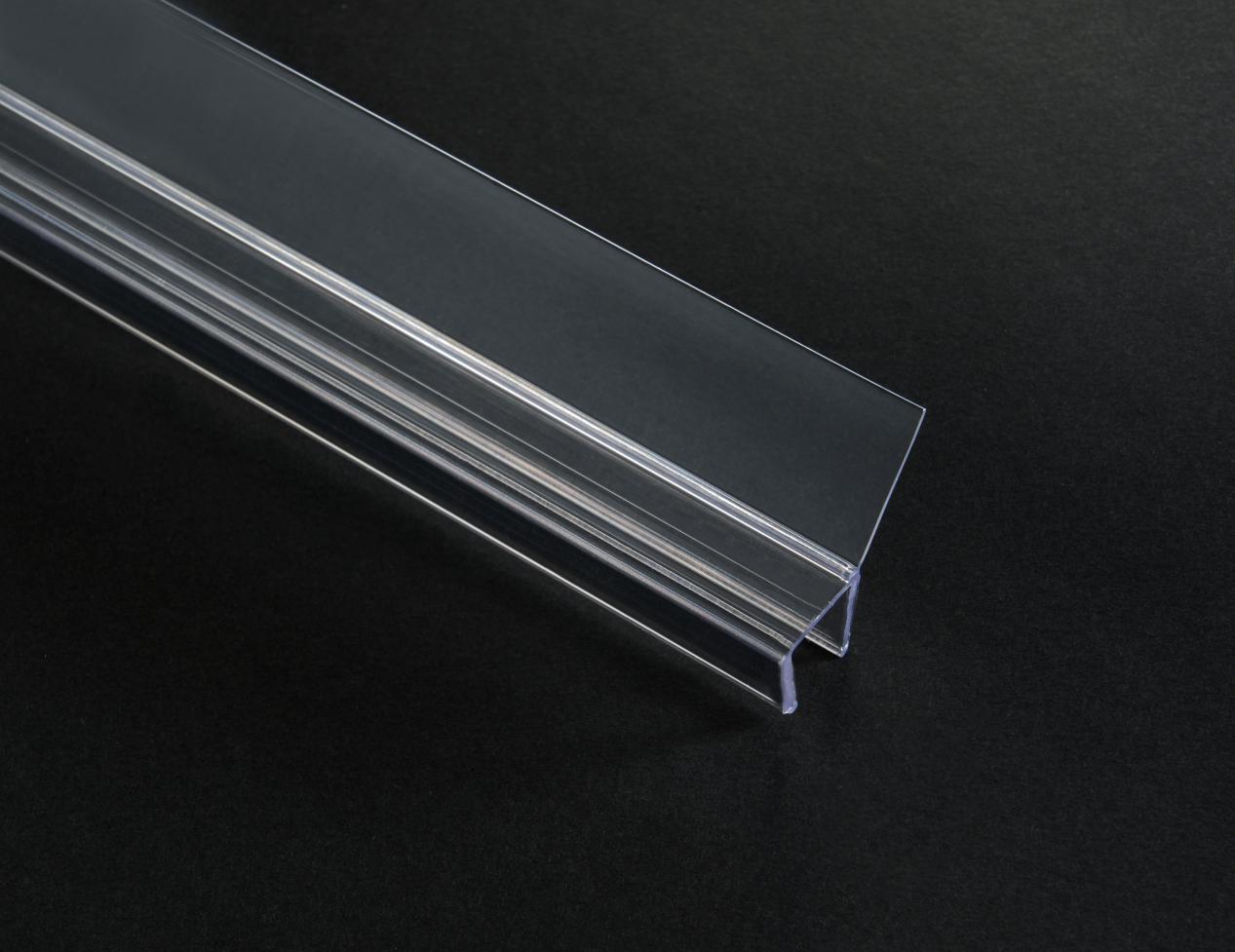
Designed for installation between the shower door and the wall, the Y-shaped shower door seal provides a waterproof barrier against water leakage.

Its unique “Y” design allows for a tight fit, ensuring that water stays inside the shower, thus protecting the surrounding area from moisture damage.

WechatIMG31

Key Features of Y-Shape Shower Door Seals

1. Waterproofing Capabilities

One of the standout features of Y-shape shower door seals is their exceptional waterproofing ability. Made from durable materials like PMMA or PVC, these seals effectively prevent water from escaping, keeping your bathroom dry and safe.

2.Versatile Compatibility

Y-shape shower door seals are designed to fit a variety of shower door styles and sizes. Whether you have frameless or framed doors, these seals can be easily adapted to ensure a proper fit, making them a versatile choice for manufacturers.

woman-8656653_1280

3. Easy Installation

Installation is straightforward, often requiring no specialized tools. Many manufacturers offer self-adhesive options that allow for quick application, making it easy for both DIY enthusiasts and professional contractors to install.

4. Durability and Longevity

These seals are engineered to withstand the harsh conditions of a bathroom environment. They resist mold, mildew, and discoloration, ensuring that they maintain their functionality and appearance over time.

5. Aesthetic Appeal

Beyond functionality, Y-shape shower door seals come in various colors and finishes. This allows homeowners to choose seals that complement their bathroom decor, enhancing the overall aesthetic without compromising on performance.

Market Trends Impacting Y-Shape Shower Door Seal Manufacturers

1. Increased Demand for Customization

As consumers become more discerning about their home improvements, there is a growing demand for customizable shower solutions. Manufacturers are responding by offering Y-shape shower door seals in various sizes and colors, catering to unique customer preferences.

2. Sustainability Concerns

With an increasing focus on sustainability, manufacturers are exploring eco-friendly materials for Y-shape shower door seals. Biodegradable options and recyclable materials are becoming more prevalent, appealing to environmentally conscious consumers.

3. Technological Advancements

Innovation plays a significant role in the development of shower door seals. Some manufacturers are integrating advanced features, such as antimicrobial properties, to enhance hygiene and user safety. This trend aligns with a broader push for health and wellness in home design.

4. Rising DIY Trends

The DIY movement continues to grow, with more homeowners taking on renovation projects themselves. This trend is beneficial for Y-shape shower door seal manufacturers, as easy-to-install options become increasingly attractive to DIY enthusiasts.

5. Global Market Expansion

The global market for shower seals is expanding, driven by increasing home renovation projects and the growth of the real estate sector. Manufacturers are looking to capitalize on this trend by expanding their distribution networks and exploring new markets.

business-6839039_1280

Conclusion

Y-shape shower door seals are an essential component of modern bathrooms, offering a blend of functionality and style. With features like waterproofing capabilities, easy installation, and a variety of aesthetic options, they are a top choice for homeowners and manufacturers alike. As the market evolves, staying informed about trends such as customization, sustainability, and technological advancements will be crucial for manufacturers aiming to thrive in this competitive landscape.

By investing in high-quality Y-shape shower door seals and understanding the dynamics of the market, manufacturers can position themselves for success and meet the needs of today’s discerning consumers.

A sturdy and well-maintained roof is essential for any home or building. It protects the structure from the elements and energy efficiency and contributes to the overall aesthetic appeal. This is expertise to identify major problems and recommend the most appropriate solutions for your specific situation. By hiring professionals, you can rest assured that your roof will be installed or repaired correctly the first time, minimizing the risk of future complications.

Professional roofers are trained in safety protocols and have access to the necessary safety gear to minimize risks. Roofer professionals understand the unique challenges posed by the local climate and weather patterns. They can recommend materials and techniques that are best suited to withstand the specific conditions in the area, ensuring that your roof remains durable and long-lasting. These experts also stay up-to-date with the latest industry trends and innovations to offer cutting-edge solutions to improve your roof’s performance and longevity.

  • Cost-effective in the long term

While it might seem more economical to handle roofing projects yourself or hire an inexperienced contractor, this approach can often lead to higher costs in the long run. Professional roofing services may have a higher upfront cost, but they offer value through quality craft, durable materials, and warranties. Properly installed and maintained roofs last longer and require fewer repairs, saving you money over time. Additionally, professional roofers can often source materials at better prices due to their industry connections, reducing your overall project costs.

Roofer Prosper TX services can also help you avoid costly mistakes that might occur with DIY attempts or inexperienced workers. These professionals can accurately assess the condition of your roof, identify underlying issues, and address them promptly. By catching and resolving problems early, you can prevent more extensive damage and expensive repairs down the line.

  • Access to quality materials

Professional roofing services have access to high-quality materials that might not be readily available to the general public. They can recommend and source the best products for your specific needs, and your roof is built to last. These materials often come with manufacturer warranties, providing additional peace of mind and protection for your investment.

  • Increased property value

A well-maintained roof installed by professionals can significantly boost your property’s value. Potential buyers or renters are more likely to be attracted to a home with a sturdy, aesthetically pleasing roof. Professional roofing services can help you choose materials and styles that complement your home’s architecture and enhance its curb appeal, potentially increasing its market value.

  • Warranty and guarantees

Reputable roofing services stand behind their work with warranties and guarantees. This means that if any issues arise due to faulty installation or materials, they will address them at no additional cost to you. This level of protection is not typically available with DIY projects or when working with unlicensed contractors.

  • Environmental considerations

Professional roofers are often well-versed in environmentally friendly roofing options and practices. They can recommend energy-efficient materials and installation techniques to reduce your carbon footprint and lower your energy bills. Additionally, they are equipped to dispose of old roofing materials properly, ensuring that waste is handled responsibly and in compliance with local regulations.

Knowing that your roof has been installed or repaired by experienced professionals using quality materials can alleviate worries about leaks, storm damage, or other roofing issues. This is confidence you to focus on enjoying your home roofing problems looming over you.

When planning to tile a bathroom, knowing where to begin can help you avoid common pitfalls and ensure a lasting, beautiful result. Whether you’re a DIY enthusiast or it’s your first time, understanding the process can make all the difference. This guide provides a comprehensive look at everything you need to start tiling your bathroom with confidence and accuracy.

Assess the Bathroom Space

The first step before starting any bathroom tiling project is to evaluate the space you’re working with. Measure the length and width of the floor or wall areas you plan to tile. Understanding these dimensions will help you accurately determine how many tiles and materials are necessary. Consider potential obstacles, like plumbing, light switches, and windows, that may require tile cuts.

Choosing the Right Tiles for Your Bathroom

Bathroom tiles come in various materials, each with its own strengths. Ceramic tiles are cost-effective and widely available, while porcelain is more durable and resistant to moisture. For a more luxurious look, natural stone options like marble or travertine offer elegance but require regular maintenance. Choose tiles that align with both your style and the bathroom’s functional needs. Larger tiles can make small bathrooms feel bigger, while intricate mosaic tiles add character.

Tools and Materials Needed for Bathroom Tiling

Before starting, ensure you have all the essential tools on hand. These include a tile cutter, notched trowel, spirit level, grout float, tile spacers, and a bucket for mixing grout and adhesive. You may also need a tape measure, tile nippers, and a wet saw for cutting larger tiles. Ensure you have the right adhesive and grout for your specific tiles to ensure they bond correctly.

Prepare the Surface

To create a smooth, long-lasting tile installation, it’s vital to prepare the bathroom surface thoroughly. Remove any old tiles, adhesive, and paint, and make sure the surface is even and clean. For uneven surfaces, you can apply a self-leveling compound to smooth out the area. Additionally, for areas exposed to water, such as the shower or bathtub, waterproofing is a must. This prevents moisture from seeping behind the tiles and causing structural damage or mold growth.

Marking Out the Tile Layout

Before applying adhesive, dry-lay your tiles to visualize the final layout. This step helps identify where cuts will be necessary and ensures a symmetrical design. Start from the center of the room and work outward to achieve a balanced layout. Use tile spacers to maintain consistent gaps between tiles, which will later be filled with grout. Consider how the tiles will meet walls, corners, and fixtures to ensure there are no narrow or awkwardly cut pieces at the edges.

Applying Tile Adhesive

Once the layout is confirmed, mix the tile adhesive following the manufacturer’s instructions. Use a notched trowel to spread the adhesive onto the bathroom surface, starting with a small, manageable section. Apply enough adhesive for a few tiles at a time to prevent it from drying before you can lay the tiles. Press each tile into place, ensuring it is level and aligned with the other tiles. For large tiles, a tile leveling system can help maintain a uniform surface.

Cutting and Installing Bathroom Tiles

Not all tiles will fit perfectly around obstacles like sinks, corners, or windows. For these areas, measure and mark the tiles before cutting them using a tile cutter or wet saw. Tile nippers can be useful for small, precise cuts or shaping tiles around curved surfaces. When cutting tiles, be sure to wear safety goggles to protect yourself from flying debris.

Grouting the Tiles

After the adhesive has set, which typically takes 24 hours, you can begin grouting the tiles. Mix the grout according to the product’s instructions. Using a rubber grout float, spread the grout over the surface of the tiles, pressing it into the joints. Work diagonally across the tiles to avoid dislodging any tiles while filling the gaps. Once the grout is applied, wipe the surface with a damp sponge to remove excess grout from the tiles. Be sure to rinse the sponge frequently to keep it clean.

Sealing the Grout

After the grout has dried (usually 48-72 hours), it’s important to seal it to protect against moisture and stains. Grout is porous and can easily absorb water, leading to mold growth and discoloration over time. Apply a grout sealer with a small brush, ensuring it penetrates all the joints. Some types of tiles, particularly stone, may also require sealing to prevent moisture absorption and maintain their appearance.

Adding Finishing Touches

Once the grout and sealant have dried, the final step is to clean and polish the tiled surface. Remove any remaining grout haze with a damp cloth or a tile cleaner. Reinstall fixtures like towel rails, mirrors, and cabinets, ensuring they are securely fixed without damaging the tiles. Applying silicone sealant around the edges of the tiles where they meet bathtubs, sinks, or walls is also important to prevent water ingress.

Maintaining Your Bathroom Tiles

To keep your bathroom tiles in top condition, regular cleaning is essential. Use a mild detergent and non-abrasive sponge or cloth to clean the surface. Avoid harsh chemicals or scrubbing tools, which could damage the tiles or grout. Check for any loose or cracked tiles regularly, and repair them as soon as possible to avoid further damage. Re-seal the grout periodically, typically once a year, to maintain its water resistance.

Common Mistakes to Avoid When Tiling a Bathroom

Several common mistakes can impact the quality and longevity of a bathroom tiling project. One of the most frequent errors is insufficient surface preparation, which can result in tiles not adhering properly or appearing uneven. Another issue is failing to apply enough adhesive, causing tiles to lift over time. Incorrect grout application can also lead to weak joints, allowing moisture to seep in. Be sure to give the adhesive and grout adequate time to dry before sealing and cleaning the tiles.

When to Seek Professional Help

While DIY bathroom tiling is achievable for many homeowners, some situations may call for professional assistance. If the bathroom has significant structural issues, uneven floors, or tricky tile patterns, a professional Bathroom Tiling service can ensure a flawless result. Additionally, if you’re working on a tight schedule or lack the necessary tools, hiring a Tiler Melbourne can save time and prevent costly mistakes down the line.