
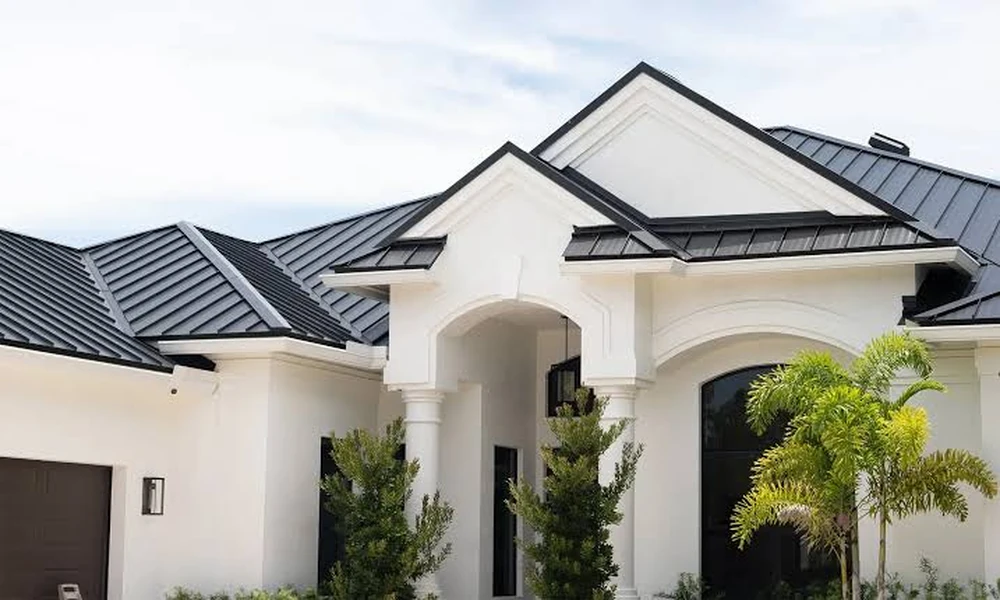
Drive the back roads of Franklin County and you’ll see barns with steel roofs that have shed snow for more than half a century. Those roofs still look sound while the farmhouses beside them have been reshingled two or three times. That contrast is why many homeowners in the valley look seriously at metal when their asphalt roof wears out.
The math isn’t as simple as comparing price per square on day one. A roof plays out over decades, and metal and shingles age in very different ways. To make a fair decision, it helps to follow both options through the years they’ll actually spend on your house.
It also helps to see the materials up close. The design studio at Done Right Exteriors, a roofing company in Chambersburg, keeps ProVia standing seam, corrugated, shake and slate profile metal next to Owens Corning shingle samples. Homeowners can also see 3D renderings of their own house wearing each option, which can settle a choice faster than any brochure.
Choosing a Profile Comes First
“Metal roof” covers several very different products, and the profile decides much of what follows.
Standing seam panels run from ridge to eave, with raised seams that lock together over hidden clips. You won’t see any screws on the roof surface, so there are no exposed holes to wear out. It’s the premium choice and the one most people picture.
Corrugated or ribbed panels are fastened through the face with screws that have rubber washers. They cost less and suit barns, outbuildings and farmhouse styles well. The tradeoff is that thousands of washers age in the sun and need attention over the years.
Stamped steel shingles are pressed to look like cedar shake, slate or clay barrel tile. They let a historic or traditional home get metal’s durability without looking industrial.
Gauge matters too. Residential steel usually comes in 24 or 26 gauge, and a lower number means thicker metal that resists denting and waviness better.
Install Day Sets the Clock
Shingle roofs go on fast. Metal takes more planning. Panels are measured to length, trim is bent to fit, and the underlayment underneath has to handle more than ordinary rain. Steel heats up quickly in the sun and cools fast at night, so moisture can condense on its underside. Most installers use a high temperature synthetic underlayment for this reason.
Metal can sometimes go over one layer of old shingles on top of furring strips, which saves on tear off and disposal. Many experienced crews still recommend removing the old roof, so any rotted decking gets found now and not twenty years later under steel that’s built to last fifty.
Metal also has one advantage on low slopes. Standing seam handles shallow pitches that asphalt can’t handle well, which makes it a common choice for porch roofs and additions that are almost flat.
The First Winter Brings Sliding Snow
Snow sits on a shingle roof until it melts. On metal it slides, sometimes all at once, and a whole slope’s worth can dump onto a walkway in seconds. Snow guards are small brackets or rails that hold the load back so it melts off gradually. The places that need them most are usually:
- above front entries and back doors where people walk
- over decks, porches and lower roofs that would take the impact
- along eaves above gutters, which a sliding sheet of ice can tear loose
- above driveways and spots where cars park
Guards are cheap compared with a crushed gutter or a dented car hood, so plan them during the quote and not after the first storm.
Many people also expect rain on steel to sound like a drum. That’s true on an open barn. Over a solid deck with underlayment and attic insulation, a metal roof generally sounds no louder than shingles. The old belief that metal attracts lightning doesn’t hold up either. Lightning strikes based on height and location, not roofing material, and a metal roof doesn’t burn if it is hit.
Summer Afternoons Under Steel
Steel coated with modern reflective pigments can reflect a large share of the sun’s energy, even in fairly dark colors. Whether a specific product earns cool roof credentials is easy to check, because the Cool Roof Rating Council lists tested roofing products by solar reflectance and thermal emittance. In a climate where heating costs outweigh cooling costs, the energy savings are real but modest. The bigger benefit is often a cooler attic and less heat stress on everything stored up there.
Summer storms are the other thing to think about. Hail that would knock granules off asphalt usually leaves metal watertight. It can still leave cosmetic dents, though, so ask whether a panel carries a Class 4 impact rating and how your insurance policy treats cosmetic damage.
The Fifteen Year Checkup
This is about when the two materials start to separate. An asphalt roof at fifteen years is often halfway through its life. You may notice granules collecting in the gutters, curling tabs on the south slope, and sealant around the vents drying out.
Standing seam at the same age mostly needs a look at its flashings and sealant at penetrations. Exposed fastener roofs are different. Their rubber washers can be cracked and leaking by now, and the fix is to replace screws across the roof. The job isn’t hard, but it’s real maintenance that nobody mentioned at the sale.
The finish matters here as well. Premium paint systems resist chalking and fading for decades, while cheaper polyester coatings can fade noticeably within a few summers.
Forty Years On
Around forty years, the comparison becomes very clear. A well-installed standing seam roof with a good finish is often only in middle age at that point. In the same span, an asphalt roof has usually been torn off and replaced once, and sometimes it’s nearing its second replacement. Each replacement brings new labor costs, more waste sent to landfills, and a few days of hammering overhead.
That’s where the difference in cost turns around. Metal often costs two to three times as much as architectural shingles at installation, but if one metal roof outlasts two shingle roofs, the cost per year can come out even or favor steel. Durable metal roofs have also become a selling point when homes go on the market.
Where Shingles Still Make Sense
Metal isn’t automatically the right choice. If you expect to sell within a few years, you probably won’t stay long enough to recover the extra cost. On roofs with many valleys, dormers and intersecting slopes, metal can get expensive quickly because every angle needs custom flashing. Some neighborhoods and historic districts also restrict what roofs can look like. And a high-end architectural shingle installed with matched components and a strong warranty is still a respectable thirty year roof.
The useful question is less which material is better in general and more which one matches how long you plan to stay, how your house is shaped, and how you feel about maintenance. If you answer those three honestly, the choice between metal and shingles usually becomes clear.

Comments are closed.