Tag

Contractor

Browsing

If you’re considering replacing your windows, finding a reliable and experienced contractor is essential. With so many options available, I understand how challenging it can be to choose the right company for your home improvement project. That’s why I recommend Ultimate Home Solutions, a trusted name in window installation Wheaton IL, and the surrounding areas. Their reputation for quality work and attention to detail makes them an excellent choice for homeowners seeking dependable window replacements.

Expertise You Can Trust

Since 1989, Ultimate Home Solutions has been providing high-quality exterior remodeling services. Their team specializes in window installations, roof replacements, and siding upgrades, ensuring that each project is handled with precision and care. Over the years, they’ve partnered with leading manufacturers, offering products that meet rigorous standards for durability and energy efficiency. What sets them apart is their commitment to craftsmanship, backed by a lifetime warranty on both materials and labor. This kind of assurance isn’t something you’ll find with just any contractor, which is why they’re a standout option.

Their expertise in window replacements covers various styles, including casement, double-hung, bay, and picture windows. If you want windows that improve energy efficiency while enhancing curb appeal, they’ve got you covered. Whether you’re looking for classic styles or modern designs, they can provide options that fit your home’s unique architecture.

Tailored Solutions for Your Home

One of the things I appreciate about Ultimate Home Solutions is their personalized approach to every project. They understand that no two homes are the same, so they offer tailored solutions to meet specific needs. Whether you want energy-efficient vinyl windows or elegant wood frames, they’ll guide you through the selection process, helping you choose the best materials and styles for your home.

Beyond just offering great products, they ensure a smooth, hassle-free installation process. From the initial consultation to the final inspection, their team works closely with homeowners, keeping them informed every step of the way. Their attention to detail and dedication to customer satisfaction are reasons why so many homeowners in Wheaton trust them with their exterior remodeling projects.

Comprehensive Range of Services

When upgrading your windows, it’s often a good time to think about other exterior improvements. Ultimate Home Solutions provides more than just window installations—they also handle door replacements, siding upgrades, roofing, and gutter systems. Their siding options, which range from low-maintenance vinyl to high-durability composite, are designed to improve both the look and efficiency of your home.

Roofing is another critical service they offer. Specializing in asphalt shingles, they provide long-lasting solutions that protect your home year-round. If you’re dealing with an old roof or considering an upgrade, their team can perform thorough inspections, recommend repairs, or handle complete replacements as needed.

Their gutter services are worth noting, too. Properly installed gutters play a vital role in protecting your home from water damage. Ultimate Home Solutions offers custom-fit gutters with optional guards, ensuring efficient water management and reducing the need for frequent maintenance.

Why Homeowners Trust Ultimate Home Solutions

I’ve seen plenty of home improvement companies over the years, but not all of them deliver the level of quality and reliability that Ultimate Home Solutions consistently provides. Their long-standing reputation, combined with their comprehensive warranties and attention to detail, makes them a top choice for window installations and other exterior projects.

Another reason to choose them is their dedication to using high-quality products from trusted manufacturers like Andersen, Pella, and Marvin. These partnerships ensure that every installation meets high standards for performance and longevity.

For homeowners in Wheaton IL and nearby areas, working with Ultimate Home Solutions means peace of mind. They take the stress out of home improvements by offering expert advice, reliable service, and lasting results. Whether you’re replacing old windows or upgrading your entire exterior, they have the experience and resources to get the job done right.

Start Your Project with Confidence

If you’re ready to enhance your home with new windows, doors, or siding, I suggest reaching out to Ultimate Home Solutions. Their professional team is ready to help you bring your vision to life, offering personalized solutions and high-quality installations. For window installation Wheaton IL and nearby areas, they remain a trusted name with a proven track record.

By choosing them, you’re investing in a company that values quality, durability, and customer satisfaction. With decades of experience and a strong local presence, they can provide the expert guidance and dependable service you need for your home improvement project. Whether you’re focused on energy efficiency, style, or both, they’ll work with you to create results that last.

Want to refurbish your Auckland bathroom? Bathroom remodeling requires skill. They guarantee results with their expertise. They will observe all construction codes if you hire them to renovate. Their broad contractor network guarantees high-quality supplies and workmanship. Trust them to do the project without worry. Avoid DIY bathroom remodeling and engage pros for satisfaction. Hiring bathroom renovation experts ensures quality. The expertise of Auckland bathroom renovation professionals is a bonus. Project experts have years of training and know what works best. 

Hiring experts ensures project management and experience. A professional team will plan, design, source materials, and arrange bathroom renovation trades. Time is saved and calms stress, letting you concentrate. Professionals aim for perfection. They have high-quality materials and tools that DIYers may not. They devote attention to every detail of your bathroom remodel to meet or surpass industry standards. Bathroom renovations need talent. These experts have solved problems before, so choose them. Their expertise expedites renovations. A competent bathroom renovation company values quality. Their specialists know all bathroom remodeling details. 

Contractor Network Access 

Success in Auckland bathroom makeovers requires a contractor network. When employing specialists, trust their skills and experience to finish your work. A network of contractors makes it easier to find successful bathroom renovators. The contractor network saves time and effort when finding professionals. Instead of spending hours researching and confirming contractors, your network can recommend them based on their past experiences. Not time-saving. It also provides you confidence that industry colleagues have endorsed them. A contractor network offers diverse knowledge. Plumbing, tiling, electrical work, and woodwork are popular bathroom renovations. Hire experts in these fields to manage every aspect of your remodeling. 

Materials and Craftsmanship Matter 

To succeed in bathroom renovations in Auckland, you need quality materials and craftsmanship. Hiring people who value materials and craftsmanship is key. You can trust competent bathroom renovation contractors to use high-quality, long-lasting materials. These experts can help you choose bathroom products and finishes that look beautiful and last.A nice finish takes skill. Experts pay attention to every detail for a seamless bathroom renovation. That your project is in good hands is assured by their expertise. High-quality materials and skilled craftsmanship are essential when picking Auckland bathroom renovation pros. When their skill meets excellent materials, expect more than you expect. After evaluating quality materials and craftsmanship, let’s examine project timelines. 

Contract Completion on Time 

If timely completion is important, communicate timetables and expectations to contractors. Timing counts with bathroom remodels. Bathroom renovations take time and disrupt your routine, so do it well. Explaining your timelines and requirements helps Auckland bathroom remodeling specialists appreciate your urgency and meet your deadlines.On-time project completion doesn’t eliminate issues. Stays on budget. Renovation delays can cost labor and materials. Project-delivery experts ensure deadlines are met by working efficiently. 

Conclusion

Professionals guarantee bathroom remodeling. Trusting specialists with your bathroom makeover ensures success. Auckland bathroom renovations need pros to finish and meet expectations. Auckland has many bathroom renovation contractors; however, some are incompetent. Bathroom renovation experts work meticulously. Renovation experts can address any situation. Bathroom renovations involve planning and execution. Bathroom designers will work with you to understand your concept. They can advise on layout, fittings, and materials. Their experience can help you build a stylish, affordable bathroom. These experts have suppliers and craftspeople in addition to their knowledge. This simplifies material procurement and ensures reliable subcontractors. An Auckland bathroom renovation professional will handle the task from start to end. Their expertise saves on time and money. It also  reduces stress and exceeds expectations.

Installing a home lift is a significant investment that can greatly enhance your quality of life by improving accessibility, convenience, and overall home value. However, before moving forward with such an installation, it’s essential to carefully consider the various cost factors involved. Understanding these elements will help you make an informed decision and ensure that you get the best value for your money.

Here are the key cost factors to consider before installing a home lift:

1. Type of Lift

The type of lift you choose will significantly impact the overall cost of the installation. There are various types of home lifts, including hydraulic lifts, traction lifts, vacuum lifts, and pneumatic lifts, each with different features and price ranges.

  • Hydraulic lifts are generally more affordable than traction lifts but may require additional maintenance over time.
  • Traction lifts tend to be more expensive upfront due to their more complex mechanical systems and higher installation requirements.
  • Vacuum and pneumatic lifts are often more cost-effective in terms of installation but may offer fewer design and load capacity options.

The type of lift that suits your needs will depend on factors such as the number of floors, the available space, and your budget.

2. Size and Design of the Lift

The size of the lift is a crucial factor in determining the cost. Larger lifts that can accommodate more people or provide more space for mobility devices (like wheelchairs) will typically cost more than smaller, simpler models. Additionally, custom design features—such as luxury finishes, glass panels, or advanced controls—can add to the price.

It’s important to consider your specific needs and whether you’ll require a lift that can accommodate future needs, such as accessibility for elderly family members or wheelchair users. Opting for a standard design will be more cost-effective, but custom designs will increase the price.

3. Installation Costs

The installation process for a home lift can vary greatly depending on your home’s structure, the complexity of the lift system, and the type of lift you select. Some homes may require significant structural modifications, such as widening doorways, reinforcing the floor, or creating a shaft for the lift, which can add to installation costs.

For instance, installing a hydraulic lift in a home without an existing shaft or pit may require extensive modifications, which can be more expensive. On the other hand, some lift systems are designed to be more adaptable, requiring minimal changes to the home’s structure.

4. Electrical and Mechanical Requirements

Home lifts typically require a dedicated electrical connection, so it’s important to factor in the costs of wiring, electrical outlets, and possibly upgrading your home’s electrical system to meet the lift’s requirements. This can be especially important if your current electrical setup is outdated or insufficient for the lift’s energy needs.

In addition, some lifts require special mechanical components, such as hydraulic pumps, counterweights, or drive systems. These systems must be maintained regularly, and their installation may also add to the overall cost of the project.

5. Maintenance and Operating Costs

Like any mechanical system, home lifts require ongoing maintenance to ensure safe and efficient operation. Regular maintenance will help to prevent expensive repairs and ensure that your lift continues to function smoothly.

  • Routine inspections are typically recommended every 6 to 12 months, which can cost anywhere from $150 to $500, depending on the type of lift.
  • Repairs (e.g., replacing parts or fixing electrical issues) may add additional costs, especially for high-end lifts with complex systems.

The operating costs (e.g., energy consumption) also need to be considered, as some lifts consume more electricity than others. While hydraulic lifts are generally energy-efficient, larger, more powerful lifts might have higher operational costs.

6. Brand and Quality of the Lift

The brand and quality of the lift are important considerations when budgeting for installation. Premium, well-established brands may come with higher upfront costs, but they often offer more reliable products and better after-sales support. Lower-cost brands or off-brand lifts may be less expensive initially, but they may require more frequent maintenance or repairs, ultimately increasing long-term costs.

Be sure to weigh the potential long-term savings and reliability of higher-end models against the initial lower cost of budget options.

7. Location and Accessibility

The location of your home and its accessibility can also affect the overall cost of installation. If you live in a remote area or a location where specialized contractors are needed, the installation costs may be higher due to travel expenses and limited access to skilled professionals.

Additionally, depending on where you live, permits and local building codes may influence the cost. Some regions may require specific approvals or inspections before a lift can be installed, which could involve extra fees.

8. Warranty and Insurance

When calculating the total cost of installing a home lift, don’t forget to factor in the cost of a warranty and potential insurance premiums. A solid warranty will protect you from expensive repair costs in the event of system failures, while insurance may be necessary to cover potential accidents or damages related to the lift.

Warranties often cover parts and labor for a certain period, typically between 1 to 5 years, and extended warranties may be available for an additional cost.

9. Resale Value

Installing a home lift can increase the value of your property, especially if your home is multi-story or designed for accessibility. In the long term, this added value can offset the initial installation costs, making it a smart investment if you plan to sell your home in the future.

However, the exact impact on resale value will depend on the local market, the quality of the lift, and whether potential buyers see the lift as a valuable feature rather than a personal preference.

Conclusion

Before committing to a home lift installation, it’s crucial to carefully consider the many cost factors involved, including the type of lift, installation requirements, ongoing maintenance, and energy consumption. By understanding these home elevators cost upfront, you can make a more informed decision that fits both your functional needs and budget. While a home lift can be a significant investment, it offers long-term benefits in terms of accessibility, convenience, and potentially even your property’s value.


Historical Use of Asbestos in Construction

For much of the 20th century, asbestos was a go-to material in construction. Its heat resistance, durability, and affordability made it a favorite for builders. From the late 1800s to the 1970s, asbestos was used in everything from insulation to fireproofing. By the time its dangers were widely recognized, it was already present in millions of buildings. Even today, many older commercial properties still contain asbestos materials, a legacy of its widespread use.

Common Locations of Asbestos in Buildings

Asbestos isn’t just in one spot—it’s scattered throughout many areas of older buildings. Some of the most common locations include:

  • Ceiling tiles and sprayed-on acoustic materials.
  • Insulation around boilers, pipes, and ducts.
  • Flooring materials like vinyl tiles and adhesives.
  • Fireproofing materials on steel beams and structural components.

Even areas like decorative plaster or wall panels might hide asbestos. Its presence is often invisible to the naked eye, making professional assessment crucial.

Statistics on Asbestos Presence in U.S. Buildings

The numbers are staggering. It’s estimated that around 3.5 million buildings in the U.S. still contain asbestos materials. According to the Environmental Protection Agency, about 20% of public and commercial buildings have asbestos, and in many cases, the materials are damaged. This damage increases the risk of fibers becoming airborne, posing a health hazard. Additionally, older buildings from the 1960s and earlier are particularly likely to contain asbestos in friable forms, such as sprayed-on coatings.

Health Risks Associated with Asbestos Exposure

Diseases Linked to Asbestos Inhalation

Asbestos exposure is dangerous because it can lead to severe health complications over time. The most alarming condition caused by asbestos is mesothelioma, a rare but aggressive cancer affecting the lining of the lungs or abdomen. Additionally, asbestos is known to cause lung cancer, as well as other cancers including those of the throat, stomach, and kidneys. Non-cancerous conditions like asbestosis—a progressive lung disease caused by scarring—are also common. Even minimal exposure can increase the risk of these diseases, making asbestos a serious concern for anyone who comes into contact with it.

How Asbestos Fibers Enter the Body

When asbestos-containing materials are disturbed, tiny fibers become airborne. These fibers are invisible to the naked eye but can easily be inhaled or swallowed. Once inside the body, they embed themselves into tissues, causing inflammation and scarring. Over time, this can lead to the development of diseases, sometimes decades after the initial exposure. Workers in industries like construction or maintenance are particularly vulnerable, especially if they handle materials like insulation or fireproofing that contain asbestos.

Long-Term Impacts of Asbestos Exposure

The long-term effects of asbestos exposure are severe and often irreversible. Diseases like mesothelioma and asbestosis may take 20 to 40 years to manifest, meaning many individuals are unaware of their condition until it is advanced. Chronic respiratory issues, reduced lung function, and even death are potential outcomes. For those exposed in workplaces, the risks extend to family members, as fibers can be carried home on clothing or tools. Managing asbestos exposure early and effectively is crucial to prevent these life-altering outcomes.

Identifying Asbestos in Commercial Properties

Visual Indicators of Asbestos Materials

Recognizing asbestos visually can be tricky because it often blends seamlessly into construction materials. Common places to check include insulation, ceiling tiles, and old flooring. Asbestos-containing materials (ACMs) might appear as fibrous or flaky, but this isn’t always the case. One key visual clue is the age of the building—structures built before the 1980s are more likely to contain asbestos. However, visual identification alone is not reliable, and professional testing is recommended.

Professional Asbestos Testing Methods

Testing for asbestos requires specialized techniques to confirm its presence. Professionals typically take samples of suspected materials and analyze them in a lab. Methods like polarized light microscopy (PLM) and transmission electron microscopy (TEM) are commonly used. These tests can identify the type of asbestos present, such as chrysotile or crocidolite, and its concentration. Hiring a certified asbestos inspector ensures accurate results and compliance with safety regulations.

Common Misconceptions About Asbestos Identification

There are several myths about identifying asbestos that can lead to dangerous assumptions. For instance, many believe that all white insulation is asbestos, but materials like rock wool can look similar. Asbestos wool insulation, for example, is distinct due to its finer, softer texture compared to alternatives. Another misconception is that asbestos is only found in insulation—it can also be in walls, flooring, and even adhesives. Relying solely on visual cues or outdated information can put occupants at risk.

Regulations Governing Asbestos in Commercial Buildings

Overview of Federal Asbestos Regulations

Federal laws play a significant role in managing asbestos in commercial properties. The Environmental Protection Agency (EPA) oversees regulations like the National Emission Standards for Hazardous Air Pollutants (NESHAP), which aim to control asbestos emissions during activities like renovation or demolition. NESHAP mandates that certified inspectors assess buildings for asbestos before any construction work begins. Additionally, the Occupational Safety and Health Administration (OSHA) requires employers to establish an Operations and Maintenance (O&M) program to manage asbestos-containing materials (ACM) safely. These programs are designed to minimize the risk of fiber release and protect workers.

Role of OSHA and EPA in Asbestos Management

Both OSHA and the EPA have distinct yet complementary roles. OSHA focuses on workplace safety, ensuring that employees working in or around asbestos are adequately trained and protected. This includes setting exposure limits and requiring protective equipment. Meanwhile, the EPA enforces rules to prevent asbestos fibers from contaminating the environment, particularly during building renovations or demolitions. For example, the EPA’s air toxics regulation for asbestos is designed to reduce fiber release during handling activities, safeguarding both public health and the environment.

State and Local Asbestos Compliance Requirements

State and local governments often have their own asbestos regulations, which can be stricter than federal laws. These rules may require additional testing, specific removal procedures, or detailed recordkeeping. Building owners must stay informed about these regulations to avoid penalties and ensure safety. For instance, some states mandate that only licensed professionals handle asbestos abatement projects, further emphasizing the importance of compliance at all levels of governance.

Safe Management of Asbestos in Old Commercial Buildings

Encapsulation and Enclosure Techniques

Managing asbestos in older buildings doesn’t always mean removing it. In fact, one of the safest approaches is to leave the material undisturbed if it’s in good condition and not releasing fibers. Encapsulation involves applying a sealant to asbestos-containing materials (ACMs) to prevent fibers from becoming airborne. Another option, enclosure, involves building a barrier around the asbestos material to isolate it. These methods are cost-effective and reduce the immediate risk of exposure, but they require regular inspections to ensure the materials remain intact.

Routine Maintenance to Prevent Fiber Release

Even small maintenance tasks can disturb asbestos if not handled carefully. For instance, HVAC cleaning or floor polishing can accidentally release asbestos fibers. Property owners should establish a maintenance plan that includes:

  • Regular inspections to monitor the condition of ACMs.
  • Training for maintenance staff on how to recognize and avoid disturbing asbestos materials.
  • Strict protocols for handling areas with known asbestos presence.

Routine assessments help ensure asbestos safety for everyone in the building, from employees to visitors.

When to Consider Professional Abatement

While encapsulation and proper maintenance can manage asbestos risks, there are situations where abatement is necessary. If the material is damaged or if renovations are planned, professional removal may be the only safe option. Certified asbestos abatement contractors follow strict regulations to remove or contain asbestos without endangering occupants or workers. Hiring professionals ensures compliance with OSHA and EPA guidelines and minimizes long-term health risks.

Renovation and Demolition in Asbestos-Containing Buildings

Legal Requirements for Renovation Projects

Renovating buildings with asbestos-containing materials (ACM) involves strict adherence to regulations to protect both workers and the public. Federal rules, like the National Emission Standards for Hazardous Air Pollutants (NESHAP), mandate that asbestos inspections must be conducted before any renovation begins. These inspections must be performed by certified asbestos inspectors to ensure compliance. Additionally, the Asbestos Hazard Emergency Response Act (AHERA) requires that only licensed professionals handle asbestos materials during renovation projects. Failure to meet these requirements can lead to severe penalties and health risks.

Steps to Ensure Worker Safety During Demolition

Demolition activities pose a high risk of asbestos fiber release, making worker safety a top priority. To minimize exposure, the following steps should be implemented:

  1. Conduct a thorough asbestos survey to identify all ACM in the building.
  2. Use proper engineering controls, such as negative pressure enclosures, to contain fiber release.
  3. Equip workers with personal protective equipment (PPE), including respirators and disposable coveralls.

Employers must also provide training on safe handling practices and ensure compliance with Occupational Safety and Health Administration (OSHA) standards.

Hiring Certified Asbestos Abatement Contractors

When dealing with asbestos during renovation or demolition, hiring certified abatement contractors is essential. These professionals are trained to handle ACM safely and effectively. They can determine the best course of action, whether it’s removal, encapsulation, or enclosure. According to South Coast AQMD Rule 1403, specific work practices are required to minimize asbestos emissions, ensuring both compliance and jobsite safety. Always verify the contractor’s certifications and experience before starting any project.

Modern Alternatives to Asbestos in Building Materials

Eco-Friendly Insulation Options

Builders today have a variety of insulation materials that are not only safe but also environmentally friendly. One popular choice is cellulose, which is made from recycled paper products. This material is not only effective at insulating but also poses no health risks, unlike asbestos. Another option is polyurethane foam, which provides excellent thermal insulation and is easy to apply. Lastly, sheep wool insulation has gained traction for being sustainable and biodegradable, making it a great option for eco-conscious projects.

Non-Asbestos Fireproofing Materials

Fireproofing is essential in construction, and modern alternatives to asbestos excel in providing safety. Amorphous silica fabrics, for example, are highly heat-resistant and versatile. Mineral wool, derived from natural stone or recycled materials, is another effective choice for fireproofing walls and ceilings. Additionally, intumescent coatings are now widely used; these coatings expand when exposed to heat, forming a protective barrier that slows down fire spread.

Advancements in Safe Construction Practices

The construction industry has embraced safer methods and materials to replace asbestos. For instance, fiber cement boards are now widely used for their durability and resistance to moisture and fire. High-performance polymers and composites have also become popular for their strength and lightweight properties. Moreover, ongoing innovations continue to introduce new materials that are both safe and efficient, ensuring that builders no longer need to rely on hazardous substances like asbestos.

The Economic Impact of Asbestos in Commercial Real Estate

Costs of Asbestos Testing and Abatement

Managing asbestos in commercial real estate can be expensive. Testing alone can cost property owners hundreds to thousands of dollars, depending on the building’s size and the number of suspected areas. If asbestos is confirmed, abatement methods such as encapsulation, enclosure, or full removal can drive costs even higher. For larger buildings, these expenses can escalate into the tens of thousands. Failing to address asbestos risks can lead to even greater financial consequences, such as fines or lawsuits. Owners should always weigh the long-term savings of proper asbestos management against the upfront costs.

Impact on Property Value and Marketability

The presence of asbestos can significantly affect a property’s marketability. Buyers often hesitate to purchase properties with known asbestos issues due to the perceived risks and future expenses. As a result, the property’s value may drop by as much as 5% to 20% compared to similar asbestos-free buildings. Lingering asbestos concerns can also make it harder to secure financing, as some lenders may require remediation before approving loans. Property owners should consider these factors when evaluating the potential return on investment for their buildings.

Financial Assistance for Asbestos Management

While dealing with asbestos can be costly, there are financial resources available to ease the burden. Some states offer grants or low-interest loans to assist with asbestos testing and abatement. Additionally, tax deductions for environmental cleanup costs may apply in certain cases. Owners should consult local and federal programs to identify potential funding opportunities. Proactively seeking financial support can make asbestos management more manageable and reduce the strain on operational budgets.

Raising Awareness About Asbestos in Commercial Spaces

Educational Programs for Building Owners

Educating building owners about asbestos is a critical step in reducing risks. Many owners are unaware of the hidden dangers lurking in older materials, so targeted educational programs can fill this gap. These programs should focus on topics like identifying potential asbestos-containing materials, understanding health risks, and legal responsibilities. Workshops and informational sessions can be particularly effective, allowing owners to ask questions and engage directly with experts. Additionally, printed guides and digital resources can reinforce this knowledge.

Community Initiatives to Promote Safety

Community-based efforts play an essential role in raising awareness about asbestos dangers. Local governments and organizations can collaborate on campaigns to inform the public, especially tenants and workers in older commercial buildings. These initiatives might include distributing flyers, hosting public seminars, or even offering free or low-cost asbestos inspections. Highlighting the importance of proactive safety measures can encourage more people to take action. For example, a community might organize a “Safety Awareness Week” to spotlight asbestos risks and solutions.

Resources for Asbestos Information and Support

Access to reliable information is key for anyone dealing with asbestos concerns. Government agencies, such as OSHA and the EPA, provide detailed guidelines and support services. Nonprofit organizations can also offer valuable resources, including hotlines, brochures, and online tools for identifying asbestos risks. It’s important to ensure that these resources are widely accessible, whether through local libraries, community centers, or dedicated websites. Providing a centralized list of contacts and services can make it easier for individuals to find the help they need.

Future Outlook on Asbestos Regulation and Use

Trends in Asbestos Legislation

Asbestos regulation has come a long way, but it’s still evolving. Many countries have outright banned asbestos, yet in the United States, its use is limited but not fully prohibited. Recent years have seen tighter restrictions, such as the EPA’s 2019 Final Rule, which requires evaluation of certain asbestos-containing products before they can re-enter the market. This patchwork of regulations highlights ongoing challenges in achieving a comprehensive ban. Moving forward, lawmakers are expected to focus on closing loopholes and addressing legacy asbestos in older buildings.

Global Efforts to Ban Asbestos

Globally, the push to eliminate asbestos is gaining momentum. Over 60 countries, including the European Union, have implemented full bans. However, nations like Russia and China still produce and export asbestos on a large scale. International organizations and advocacy groups are working to promote awareness and encourage stricter global policies. The disparity in regulations makes it clear that a unified approach is still a distant goal.

Innovations in Asbestos Detection and Removal

Advances in technology are offering new ways to identify and manage asbestos. For instance, modern tools like portable spectrometers and AI-driven analysis are making detection faster and more accurate. In the field of removal, researchers are developing safer and more efficient abatement techniques, such as chemical neutralization of asbestos fibers. These innovations not only improve safety but also reduce costs, making asbestos management more accessible for property owners.


Additional Help


Dolman Law

Gori Law

Tor Hoerman Law

Mesothelioma Lawyer Center

Mesothelioma Guide

Weitz and Luxenberg

Lawfirm.com

Sokolove Law Group

Mesothelioma Hope

Robert King Mesothelioma Law Services

Lanier Law Firm

Mesothelioma Fund

Mesothelioma Help

Mesothelioma.Net

Mesothelioma Hub


For painting tasks, the majority of homeowners work with expert wallcovering and painting contractors. For them, there are significantly more advantages to using commercial painting services than disadvantages. Compared to painting a small room, painting an entire structure requires more skill, takes longer, and poses greater health and safety hazards. You can rely on expert painters to finish your painting project with skill. 

Superior Finish 

In order to attract tenants or guests, buildings need to appear appealing. The first thing guests will notice about your building in Walnut Creek is an unpolished paint job. Your outside and interior walls will look great if you hire a business painter. Professional painters adhere to correct painting processes and utilize high-quality paints. This results in a high-quality, long-lasting finish for your walls.

Save Time and Meet Deadlines

Your paint work Bay-Valley Painting in Walnut Creek will be completed more quickly if you hire a professional painter. Additionally, they provide you with more time to focus on other facets of your life, such as your career and family. Expert painters are also able to plan their painting projects around your time. 

Conserve Funds

By employing appropriate painting methods, a professional house painter in Walnut Creek helps their customers save money. By doing this, they are able to steer clear of the expensive errors that amateurs make. You can avoid spending your painting cash on repairs for errors and damage by working with a professional. Additionally, you will not have to worry about wasting money on the wrong materials. 

Seek Professional Guidance 

Varied messages are conveyed by varied wall textures and colors. The colors and tones of the living room and nursery should be different. The appropriate paint colors and finishes for your house might be suggested by a qualified painting contractor in Walnut Creek

Prevent Damage to Structures

They might find mold, mild deterioration, or other structural issues with your building during the assessment. They could recommend high-quality coatings that shield your walls from mildew, moisture, and structural deterioration. 

Professional painters may be more expensive than typical home painters since they have more training and expertise. But given the time and money they will ultimately save; they are well worth the extra cost. 

Keeping your roof in optimal condition is essential to protect your home and ensure safety from weather-related damage. In Mesquite, TX, homeowners have access to trusted roofing services through Built To Last Roofing. You can visit website for comprehensive roofing solutions, offering repairs, maintenance, and more.

Key Qualities of Reliable Roofing Solutions

When selecting a roofing company, it’s important to consider certain qualities that ensure lasting and dependable service:

  1. Experience in the Local Area:
    • A roofing company with a history of working in Mesquite, TX, is familiar with common roofing challenges and the effects of local weather on materials and structures.
  2. High-Quality Materials:
    • Reliable contractors use quality materials that withstand weather conditions, providing durability and enhancing the roof’s lifespan.
  3. Transparent and Detailed Estimates:
    • Trustworthy companies provide clear, itemized estimates detailing costs, labor, and materials, helping homeowners make informed decisions.
  4. Comprehensive Services:
    • From routine maintenance to emergency repairs, a versatile roofing provider can handle a wide range of needs, ensuring that your roof stays in excellent condition.

Benefits of Choosing a Local Roofing Company

Roof


Opting for a roofing company in Mesquite offers multiple advantages:

  • Quick Response Times: Local roofers can respond faster to service calls, especially important when handling urgent repairs.
  • Knowledge of Local Regulations: Local contractors are familiar with the building codes and regulations specific to Mesquite, ensuring compliance and quality work.
  • Community Trust: A locally established company often has a proven reputation within the community, making it easier to verify the quality of their work.

Common Roofing Services Offered

Reliable roofing companies typically provide a range of services to help homeowners maintain a secure roof:

  • Roof Inspections: Regular inspections help identify and address potential issues before they escalate, saving on future repair costs.
  • Roof Repairs: Addressing damaged or worn areas promptly ensures that your roof remains protective and avoids larger problems down the line.
  • Roof Maintenance: Routine maintenance, including debris removal and minor repairs, extends the roof’s lifespan and prevents costly issues.
  • Emergency Roofing Services: Quick response to storm or weather-related damage helps prevent further structural problems.

Tips for Choosing the Right Roofing Company

  1. Verify Licensing and Insurance:
    • Confirm that the company is fully licensed and insured to protect yourself from liability and ensure standards are met.
  2. Check Reviews and References:
    • Look for reviews from past clients and request references to get a sense of the company’s reliability and work quality.
  3. Ask About Warranties:
    • A dependable roofing company often provides warranties on materials and workmanship, offering peace of mind for the homeowner.
  4. Evaluate Communication and Professionalism:
    • A company that communicates clearly and maintains professionalism is more likely to provide quality service and a positive experience.

Why Routine Roof Maintenance Matters

Regular roof maintenance helps avoid potential damage that could compromise the safety and structure of your home. Preventative measures, such as clearing gutters and inspecting for wear, help keep the roof in optimal condition, which is particularly important in areas prone to extreme weather changes.

With these insights, you can select a roofing provider who meets your specific needs and offers solutions designed to keep your home safe and secure. Reliable roofing services are an investment in your home’s long-term durability and your peace of mind.

For those who are in the process of planning a self-build project, working out what type of equipment and machinery you need, alongside the schedules and planning stages, takes some time and consideration. One way to ensure that your self-build project runs as smoothly as possible is to look for the services of a construction equipment hire company, allowing you to gain access to a wide range of efficient, safe, and modern equipment to suit an array of tasks on site. With this guidance and support you can hit the ground running and build the perfect home.

What is a self-build home project?

A self-build home project is one where an individual person commissions a house or structure to be built on a piece of land that they own. The intention is that the person commissioning the project will eventually live in the property. The benefits of a self-build home project include:

Greater control – when you are in charge of a self-build project, everything comes from you. The budget, the schedule and timeline, and the people you choose to work with from suppliers to contractors. 

Cost-effective – self-build projects are generally more cost-effective than buying a home that is already built. By choosing well in terms of materials and techniques used, you can build a home that is energy efficient and has better running costs and maintenance processes for the long-term.

Create your dream home – this is the dream, having complete control over the design of the home. You can design the home and the rooms however you wish, including adding different features and extensions.

Benefits of plant hire for self-build home projects

There are several advantages to hiring plant equipment to assist with a self-build home project, and this helps a project to run smoothly and to meet all the criteria that you would expect to see during a regular construction project in terms of quality of models available, the safety processes and range of options.

Why should you choose plant hire services for self-build projects?

No big financial outlay – when purchasing heavy plant equipment there is a large outlay. As it is likely that you only need the machinery for this one-off project this doesn’t make financial sense, so hiring equipment helps to keep costs down.

Flexibility – self-build home projects can often throw up last minute challenges. When working with a plant hire company, you can change your mind about what equipment to use, or tweak plans and use different models to acquire a different finished project.

No maintenance and repair costs – all plant hire is repaired and maintained between hires to ensure that anything hired is in top working condition with every new hire. This saves time and money with minimal downtime related to breakdowns.

The latest and safest models – plant hire companies worth their salt are consistently looking to upgrade and evolve their fleet. This means that for a self-build project, you have access to the latest models in all equipment. This means greater efficiencies, lower emissions, and the safest standards.

Once you have worked out exactly the type and number of construction equipment that you will require for the duration of your self-build home project, the next step is acquiring those items. Working with a plant hire company that you can trust goes a long way to alleviating many of the worries that you may naturally have when working on a self-build project. Of course, you want to build a dream home to live in that is exactly how you want it to be. Whether you are performing all the manual labour yourself and with friends and family, or you are managing the project and hiring contractors to perform the tasks, it is important that you have access to the highest quality materials, equipment and machinery. You can do this by finding the best plant hire company with the experience of working with self-build projects.


Experiencing a fire is devastating. The aftermath is not just about rebuilding physical structures but also restoring a sense of normalcy. Fires leave behind damage that is complex and multifaceted, ranging from structural issues to smoke and soot contamination. This is where professional fire restoration contractors come into play. These professionals possess the knowledge, resources, and expertise required to guarantee a quicker and more effective healing process. Here’s why hiring fire restoration contractors is essential and how they can help you get back on track.

Comprehensive Assessment And Damage Control

Determining the amount of damage is the first stage after a fire. Fire restoration contractors conduct a thorough inspection to determine the areas affected by flames, smoke, and water from firefighting efforts. They spot potential dangers, concealed damage, and structural flaws that the untrained eye would miss. This comprehensive assessment is crucial for creating an effective restoration plan.

Moreover, contractors act quickly to mitigate further damage. For instance, they may board up windows, tarp roofs, or stabilize weakened structures to prevent secondary issues caused by exposure to the elements.

Expertise In Smoke And Soot Cleanup

Smoke and soot residue can cause significant health risks and long-term damage if not addressed properly. These residues penetrate walls, furniture, and ventilation systems, leaving behind unpleasant odors and potentially harmful particles.

Fire restoration contractors use advanced techniques and equipment to clean and deodorize affected areas thoroughly. This includes specialized vacuums, chemical treatments, and thermal fogging to eliminate odors and contaminants. Their expertise ensures your property is safe for reoccupation.

Water Damage Restoration

In many cases, the water used to extinguish a fire causes additional damage. Left untreated, water can lead to mold growth, wood rot, and weakened structural elements. Fire restoration contractors are often skilled in water damage restoration, using dehumidifiers, air movers, and water extraction equipment to dry out the affected areas.

By addressing water damage promptly, these professionals prevent mold infestations and protect your home’s structural integrity, saving you time and money in the long run.

Salvaging And Restoring Belongings

Fires don’t just destroy buildings; they also damage personal belongings. Fire restoration contractors understand the emotional value of your possessions and use advanced techniques to clean and restore salvageable items. This can include furniture, documents, electronics, and family heirlooms.

Using methods such as ultrasonic cleaning and dry cleaning, these professionals ensure your belongings are handled with care, giving you a chance to preserve cherished memories.

Efficient And Cost-Effective Solutions

While some homeowners may attempt DIY restoration, this approach often leads to delays, additional expenses, and incomplete repairs. Fire restoration contractors streamline the recovery process by working efficiently and using their expertise to avoid costly mistakes.

Moreover, many contractors work closely with insurance companies to ensure proper documentation and expedite claims processing. Their familiarity with insurance protocols helps minimize out-of-pocket expenses and ensures you receive the compensation you’re entitled to.

Advanced Tools And Techniques

Fire restoration contractors have access to state-of-the-art tools and industry-leading techniques. From thermal imaging cameras for detecting hidden damage to industrial-grade dehumidifiers and air scrubbers, these resources allow them to tackle complex restoration tasks effectively.

Their use of cutting-edge technology ensures a higher standard of restoration, providing peace of mind that your property is being handled by experts.

Emotional And Practical Support

Managing a fire’s aftermath can be extremely difficult. Fire restoration contractors not only bring technical expertise but also provide emotional reassurance. Their direction and assistance during the healing process lessen tension and free up your time to concentrate on starting afresh. 

Conclusion

Fire restoration contractors are an invaluable resource in the wake of a fire. Their expertise, tools, and experience enable them to tackle even the most complex restoration challenges, ensuring your property is restored safely and efficiently. From assessing damage to cleaning smoke residue and salvaging belongings, these professionals handle every aspect of recovery, allowing you to return to normal life sooner.

The presence of dampness in your home might seem minor at first glance, but if left unaddressed, it can lead to serious consequences. Excess moisture can damage your property over time, making it crucial to take immediate action when you notice signs of dampness. Below, we’ll highlight common areas where moisture issues arise and discuss effective steps to mitigate these problems.

Poorly ventilated spaces, such as basements and crawl spaces, are often hotspots for moisture accumulation. These areas tend to trap damp air, creating ideal conditions for mold to flourish if not properly managed. Tackling moisture issues early can help you prevent expensive repairs and protect your home.

Kitchens and bathrooms are other common culprits for excess moisture due to activities that increase indoor humidity. Ensuring adequate ventilation and routinely checking for leaks or water damage in these spaces is essential. By maintaining proper humidity levels, you can foster a healthier living environment and prevent problems before they start.

Unchecked moisture can lead to mold growth, which poses both health hazards and structural risks. Mold thrives in damp conditions, spreading quickly and exacerbating respiratory issues for those exposed. This makes moisture control a critical factor in maintaining good indoor air quality.

Preventing moisture problems before they escalate is possible with proactive measures. Regulating humidity levels, sealing leaks, and promptly addressing moisture buildup are vital steps to protect your home. For moisture-prone areas like basements, hiring residential concrete contractors can provide effective solutions to keep these spaces dry and free of mold.

Protecting your home from external sources of moisture is equally important. Fixing leaks in your roof or foundation and conducting regular maintenance can prevent water intrusion and minimize the risk of long-term damage. Engaging professional services can ensure these issues are addressed thoroughly and efficiently.

For additional guidance on controlling dampness and implementing preventive measures, expert resources are available to help you safeguard your home against moisture-related problems.

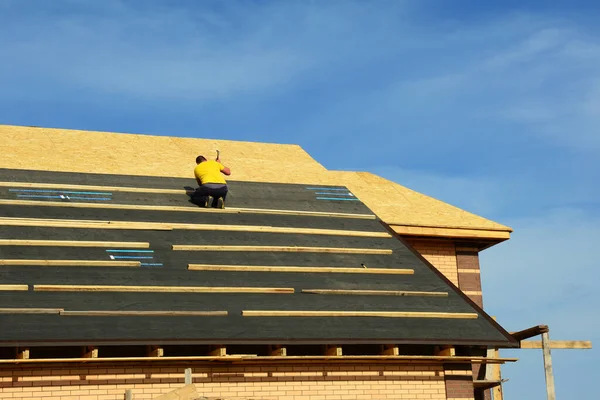
A sturdy and well-maintained roof is essential for any home or building. It protects the structure from the elements and energy efficiency and contributes to the overall aesthetic appeal. This is expertise to identify major problems and recommend the most appropriate solutions for your specific situation. By hiring professionals, you can rest assured that your roof will be installed or repaired correctly the first time, minimizing the risk of future complications.

Professional roofers are trained in safety protocols and have access to the necessary safety gear to minimize risks. Roofer professionals understand the unique challenges posed by the local climate and weather patterns. They can recommend materials and techniques that are best suited to withstand the specific conditions in the area, ensuring that your roof remains durable and long-lasting. These experts also stay up-to-date with the latest industry trends and innovations to offer cutting-edge solutions to improve your roof’s performance and longevity.

  • Cost-effective in the long term

While it might seem more economical to handle roofing projects yourself or hire an inexperienced contractor, this approach can often lead to higher costs in the long run. Professional roofing services may have a higher upfront cost, but they offer value through quality craft, durable materials, and warranties. Properly installed and maintained roofs last longer and require fewer repairs, saving you money over time. Additionally, professional roofers can often source materials at better prices due to their industry connections, reducing your overall project costs.

Roofer Prosper TX services can also help you avoid costly mistakes that might occur with DIY attempts or inexperienced workers. These professionals can accurately assess the condition of your roof, identify underlying issues, and address them promptly. By catching and resolving problems early, you can prevent more extensive damage and expensive repairs down the line.

  • Access to quality materials

Professional roofing services have access to high-quality materials that might not be readily available to the general public. They can recommend and source the best products for your specific needs, and your roof is built to last. These materials often come with manufacturer warranties, providing additional peace of mind and protection for your investment.

  • Increased property value

A well-maintained roof installed by professionals can significantly boost your property’s value. Potential buyers or renters are more likely to be attracted to a home with a sturdy, aesthetically pleasing roof. Professional roofing services can help you choose materials and styles that complement your home’s architecture and enhance its curb appeal, potentially increasing its market value.

  • Warranty and guarantees

Reputable roofing services stand behind their work with warranties and guarantees. This means that if any issues arise due to faulty installation or materials, they will address them at no additional cost to you. This level of protection is not typically available with DIY projects or when working with unlicensed contractors.

  • Environmental considerations

Professional roofers are often well-versed in environmentally friendly roofing options and practices. They can recommend energy-efficient materials and installation techniques to reduce your carbon footprint and lower your energy bills. Additionally, they are equipped to dispose of old roofing materials properly, ensuring that waste is handled responsibly and in compliance with local regulations.

Knowing that your roof has been installed or repaired by experienced professionals using quality materials can alleviate worries about leaks, storm damage, or other roofing issues. This is confidence you to focus on enjoying your home roofing problems looming over you.