Tag

Eco-Friendly Materials

Browsing

Introduction

In today’s modern villas, convenience and luxury go hand in hand — and nothing embodies that blend better than a home elevator. Whether you’re building a new villa or upgrading an existing one, installing an elevator is no longer just about accessibility; it’s about comfort, elegance, and increasing your property’s value.

However, one question most homeowners face is: How do I choose the right villa elevator that fits my budget and space?

This guide will walk you through everything you need to consider — from space-saving designs to cost-effective solutions — so you can make a smart and stylish choice for your dream home.

  1. Understanding the Purpose of Your Villa Elevator

Before diving into designs and budgets, it’s important to understand why you need an elevator.

  • Convenience: Makes daily living easier, especially for multi-floor villas.
  • Accessibility: Ideal for elderly family members or anyone with mobility challenges.
  • Luxury & Aesthetics: Adds a premium look that enhances property value.
  • Future-proofing: Prepares your home for long-term comfort and aging-in-place.

Knowing your purpose helps narrow down which type, size, and technology best fits your lifestyle and budget.

  1. Assessing Your Space: Compact or Spacious Villa?

Your available space determines what kind of elevator system you can install. Modern villa elevators come in various configurations that suit both small and large homes.

For Compact Villas

If your villa has limited space, look for vacuum elevators or shaft-less glass elevators. These models require minimal civil work, can fit into tight corners, and don’t need a separate machine room or pit.

Advantages:

  • Quick installation (2–3 days)
  • Minimal structural modifications
  • 360-degree panoramic view for a luxurious touch

For Spacious Villas

If your villa has room to spare, you can opt for hydraulic, gearless traction, or MRL (Machine Room-Less) elevators. These models provide higher capacity, smoother rides, and advanced customization options.

Advantages:

  • Can handle heavier loads
  • More design and finish options
  • Suitable for villas with multiple floors
  1. Types of Villa Elevators to Consider

When selecting an elevator, you’ll encounter several technology options — each with its own benefits and costs. Let’s explore the main types:

a. Hydraulic Elevators

Hydraulic systems are popular for villas with 2–3 floors. They work using a piston and fluid mechanism, offering a smooth and reliable ride.

Pros:

  • Affordable and durable
  • Smooth, silent operation
  • Doesn’t require overhead space

Cons:

  • Requires a small pit (usually 10 cm)
  • Slightly higher maintenance compared to vacuum lifts
  1. Vacuum (Air-Driven) Elevators

These futuristic elevators operate using air pressure and are ideal for space-conscious homeowners. The transparent cylindrical design adds a modern aesthetic to any villa.

Pros:

  • No shaft, pit, or machine room needed
  • Energy-efficient and eco-friendly
  • 360° panoramic glass design

Cons:

  • Limited cabin capacity (usually up to 3 persons)
  • Higher upfront cost for premium aesthetics
  1. Traction Elevators

These elevators operate using steel ropes and counterweights — offering a high-end performance suited for luxury villas.

Pros:

  • Excellent ride comfort
  • Energy-efficient
  • Suitable for multi-floor villas

Cons:

  • Requires more space for installation
  • Slightly higher initial cost
  1. Machine Room-Less (MRL) Elevators

MRL lifts combine efficiency and elegance. As the name suggests, they don’t need a separate machine room, making them suitable for mid-sized villas.

Pros:

  • Space-saving
  • Lower energy consumption
  • Quiet operation

Cons:

  • Installation may require structural adjustments
  1. Budgeting Smartly: Cost Factors to Consider

The cost of a villa elevator can vary widely depending on technology, customization, and installation requirements. Here’s a breakdown of what influences the price:

Factor Description Cost Impact
Type of Elevator Hydraulic, Vacuum, Traction, MRL Moderate to High
Number of Floors More floors = higher cost Moderate
Design & Finish Glass, steel, or custom finishes High
Load Capacity 2-person, 3-person, or wheelchair-friendly Moderate
Installation Complexity Structural changes, shaft space High
Brand & Country of Origin Imported vs local systems Moderate to High

Average Price Range in the UAE:

  • Vacuum Elevators: AED 95,000 – AED 250,000
  • Hydraulic Elevators: AED 90,000 – AED 160,000
  • Traction Elevators: AED 120,000 – AED 200,000
  • MRL Elevators: AED 100,000 – AED 180,000

Pro Tip:
Always ask for a detailed quotation including installation, maintenance, and warranty coverage — not just the equipment cost.

  1. Design & Aesthetic Considerations

Your villa elevator is not just functional — it’s a design statement. A well-chosen lift can blend seamlessly into your home’s interior design.

Design Options to Explore:

  • Panoramic Glass Cabins: Offer transparency and elegance.
  • Custom Finishes: Choose from stainless steel, wood, or metallic tones.
  • Lighting Options: LED ambient lighting enhances luxury appeal.
  • Smart Controls: Touch panels, voice activation, or app-based controls.

If your villa features modern interiors, go for sleek glass elevators with minimal framing. For traditional villas, wood-finish cabins or gold-accented panels add a royal touch.

  1. Safety and Maintenance Should Never Be Compromised

Regardless of your budget, safety should always be your top priority. A high-quality villa elevator should comply with international standards and come with advanced safety features such as:

  • Emergency stop and alarm system
  • Automatic rescue device (in case of power failure)
  • Overload sensors
  • Smooth landing technology
  • Anti-trap systems

Regular maintenance is equally important to ensure longevity and safety. Choose a supplier who offers annual maintenance contracts (AMC) and on-call technical support.

  1. Energy Efficiency and Eco-Friendly Choices

With growing environmental awareness, energy-efficient elevators are gaining popularity. Vacuum elevators, for example, consume almost zero power while descending and minimal power while ascending.

Look for models that offer:

  • Regenerative drives to reuse energy
  • LED lighting to reduce consumption
  • Eco-friendly materials for sustainability

These choices not only save electricity but also lower long-term operating costs.

  1. Choosing the Right Brand and Installer

When it comes to villa elevators, brand reliability and service quality matter as much as design and price.

Here’s what to check before finalizing:

  • Years of experience in home lift installations
  • Certifications and safety compliance (EN81, ISO, etc.)
  • Local service network and spare parts availability
  • Customer reviews and after-sales service record

Pro Tip:
Opt for a company that offers a turnkey solution — from design consultation and installation to maintenance. This ensures smooth execution and consistent service quality.

  1. Plan for the Future

While planning your elevator, think ahead. If you expect lifestyle changes — such as aging parents, expanding family, or higher floor additions — choose an elevator model that can be upgraded or resized later.

Future-proof designs make your investment last longer and maintain your property’s value over time.

Conclusion

Choosing the right villa elevator is a balance between budget, space, and design. With the wide range of options available today — from panoramic glass vacuum lifts to compact hydraulic systems — every homeowner can find a solution that fits perfectly.

The key is to define your needs clearly, assess your villa’s structure, and partner with a trusted elevator company that prioritizes safety, quality, and aesthetics.

An elevator isn’t just a convenience — it’s an investment in comfort, independence, and the beauty of your home.

Many individuals dream of owning their own home for the rest of their lives, but getting there frequently means making a significant choice: Should you buy an existing home or build your own from scratch? There are good and bad things about each option, but more and more homeowners in New York, especially in Queens and Astoria, are choosing custom homes that fit their needs and tastes. To make your dream home a reality, hire good construction companies in Queens, NY, or skilled new building contractors in Astoria, NY. Let’s look at the pros of building your own home instead of buying one already built.

1. Custom Design and Layout

One of the best things about building a custom house is that you can personalise every part to fit your lifestyle. Everything, from the floor plan and room sizes to the kitchen layouts and storage options, is made to suit your needs. On the other hand, when you buy an existing property, you may have to give up some amenities or pay for expensive modifications to make it what you want. Custom building means you won’t have to make costly changes later because the house is built exactly how you want it.

2. Modern Standards and Energy Efficiency

New homes follow the most recent building norms and standards for energy efficiency. When you hire competent new construction contractors in Astoria, NY, they will use energy-efficient windows, insulation, HVAC systems, and eco-friendly materials in the building. This not only decreases your power expenses, but it also helps the environment. Conversely, older homes may not have contemporary insulation, wiring, or plumbing, and therefore may need a lot of work to reach today’s efficiency standards.

3. Fewer Repairs and Less Upkeep

You won’t have to worry about old roofs, broken plumbing, or out-of-date appliances because custom homes are brand new. When you hire a reliable construction company in Queens, NY, you can rest easy knowing that everything, from the foundation to the fixtures, is constructed to last. Even homes that are in decent shape may have hidden repair bills. These repairs can mount up over time, making what appeared like an inexpensive buy far more expensive in the long run.

4. Better Value When You Sell It Later

Building a home may cost more up front, but it could be worth more in the long run. A custom home that is well-designed, energy-efficient, and up-to-date is likely to be popular with future buyers, especially in booming neighbourhoods like Astoria and all of Queens. Also, because custom houses are often created with the newest materials and technology, they usually don’t need as many renovations in the first 10 to 15 years, which keeps their value over time.

5. Choosing a Lot and Location

When you buy a home already built, you can only choose from the homes currently for sale. On the other hand, building a custom house lets you pick the exact lot and location that fit your lifestyle, whether that’s being close to schools, work, parks, or public transportation. Many construction companies in Queens, NY, can also help you find the right lot and figure out how to deal with zoning rules, especially in cities like New York City that are hard to navigate.

6. Better Quality of Life and Happiness

Living in a space that was made just for you is satisfying. A bespoke house lets you choose everything from the flooring and cabinets to exceptional amenities like home offices or gym rooms. This way, you may live in a way that fits your lifestyle and taste precisely. Astoria NY’s new construction contractors know how important it is to build houses that are unique to each customer. Each project is more than a building; it’s a place of comfort, identity, and happiness.

Custom Built for a Better Future

Buying an existing home may be quicker and easier, but the long-term benefits of creating a bespoke home generally outweigh the early work. Building your dream house is achievable and a better investment in your future with the help of professional construction companies in Queens, NY, and skilled new construction contractors in Astoria, NY. Custom construction is the way to go if you want to take charge of your living space and develop a home that shows who you are.

Building a minimalist house is about embracing sustainability, simplicity, and utility as much as it is about clearing clutter. As more people choose this way of life, demand for appliances that fit perfectly with minimalist design and support environmentally responsible living keeps rising. Essential are simple designs, energy efficiency, and careful engineering; even little needs like a small fan singapore inhabitants value can have a big impact on comfort and energy savings.

Embrace Compact And Functional Designs

Simplicity of existence stresses the need for deliberate decisions. Every appliance has a function and adds to the home’s general visual harmony. Modern environmentally friendly appliances are made with simple designs, neutral colors, and modest profiles so they may easily fit into smaller homes without compromising performance. Nowadays, these types of refrigerators, washing machines, and dishwashers offer complete operation while using less space. Furthermore, resource-wise, compact appliances aid. Smaller refrigerators run on less electricity; induction cooktops provide exact heat control with no energy waste; and high-efficiency laundry machines run on far less water every cycle. The careful mix of form and purpose lets homeowners enjoy modern comforts with a smaller environmental impact while keeping the elegance of a minimalist area.

Prioritize Energy Efficiency And Innovation

Modern environmentally friendly appliances use cutting-edge technologies that maximize functionality while reducing environmental impact, hence surpassing basic electricity savings. Based on real-time needs, smart appliances can track energy consumption, offer recommendations for lower use, and even automatically change operation based on Rechargeable battery systems and solar-powered appliances improve sustainability even more since they provide substitute energy for daily chores. Additionally helping with energy efficiency are creative cooling methods. For instance, a small fan singapore houses usually pick offers focused cooling without the significant energy consumption of air conditioning systems. These small fans retain comfort by allowing enough airflow in a limited area, therefore controlling electricity costs. Small size combined with good functionality makes them perfect additions to any minimalist house.

Enhance Comfort With Sustainable Solutions

Comfort and sustainability are not mutually exclusive anymore. Many contemporary appliances are built from eco-friendly materials; thus, fewer non-renewable resources are used. While cutting total consumption, air purifiers built with biodegradable filters, water-saving faucets, and LED lighting help create a healthier home environment. Furthermore, notable developments have come from heating and cooling systems. Programmable thermostats, double-glazed windows, and energy-efficient heat pumps assist in naturally controlling indoor temperatures, thereby lowering the demand for unnecessary heating or cooling. Without sacrificing sustainability, even tiny appliances like dehumidifiers, space heaters, and environmentally friendly humidifiers can significantly enhance indoor comfort.

Every component of the minimalist house reveals a dedication to both responsibility and style. Homeowners can enjoy the ideal mix of elegance, utility, and environmentally responsible living by selecting appliances that match modern design with environmental awareness.

Finding a reliable construction company is essential when planning a new build, extension, or renovation. Quality craftsmanship, attention to detail, and professional project management ensure that your vision becomes reality. Whether you’re a homeowner looking to expand your space or a business owner upgrading your premises, experienced builders Ashford provide the expertise needed for a successful project.

New Build Construction – From Concept to Completion

Building a new home or commercial property requires careful planning, high-quality materials, and expert execution. Professional builders oversee the entire process, from design consultation and planning permission to construction and finishing touches. With modern techniques and energy-efficient solutions, new builds offer durability, functionality, and long-term value.

Home Extensions – Expanding Your Living Space

A home extension is the perfect solution for homeowners needing more space without moving. Whether it’s a larger kitchen, additional bedrooms, or a new living area, extensions enhance property value and improve lifestyle quality. Skilled builders ensure seamless integration with the existing structure, maintaining architectural consistency and aesthetic appeal.

Renovations & Property Refurbishments

Older properties often require renovations to modernize interiors, improve energy efficiency, and enhance functionality. From minor refurbishments to full-scale property makeovers, builders specialize in transforming outdated spaces into stylish, comfortable, and high-performance environments. Renovations add value to properties while improving structural integrity and design.

Commercial Construction & Business Premises Upgrades

Business owners looking to expand or upgrade their premises require experienced builders who understand commercial construction regulations. From office fit-outs to retail renovations and industrial unit construction, professional builders deliver tailored solutions that meet business requirements while ensuring minimal disruption to operations.

High-Quality Materials & Sustainable Building Practices

Using premium materials and sustainable construction techniques ensures durability and environmental responsibility. Builders focus on energy-efficient designs, eco-friendly materials, and waste reduction strategies. Sustainable building practices not only contribute to a greener environment but also reduce long-term maintenance and energy costs.

Planning Permission & Regulatory Compliance

Construction projects often require planning permission and compliance with local building regulations. Experienced builders navigate the approval process, ensuring all work adheres to legal and safety standards. Handling paperwork, permits, and inspections professionally prevents delays and complications, ensuring smooth project execution.

Bespoke Construction Solutions Tailored to Your Needs

No two projects are the same, which is why builders provide customized solutions to meet client specifications. Whether working on a contemporary home, a heritage property, or a large commercial build, expert craftsmanship and innovative techniques create structures that align with aesthetic and functional goals.

Project Management & Timely Completion

Managing a construction project involves coordinating multiple trades, suppliers, and timelines. Professional builders oversee every aspect, ensuring timely completion and high-quality results. Effective project management minimizes delays, controls costs, and ensures that the final build meets or exceeds expectations.

Conclusion

Whether planning a new build, extension, renovation, or commercial project, working with professional builders Ashford guarantees quality, efficiency, and reliability. From start to finish, expert builders provide seamless construction solutions tailored to your needs. Contact a trusted building company today to bring your project to life with precision and excellence.

As someone with extensive experience in the construction and building materials industry, I’ve learned that selecting the right company for your project can make a significant difference in both the functionality and aesthetic outcome. Aid has consistently proven to be a standout choice for architects, builders, and designers. Their dedication to sustainability, innovative products, and superior quality sets them apart in the competitive market of building materials.

Combining Aesthetics and Functionality

One of the most impressive aspects of Aid’s offerings is their ability to seamlessly blend design and practicality. For instance, their acoustic panel solutions, such as acoustic panel, are designed not only to manage sound effectively but also to enhance the visual appeal of a space. These panels are ideal for environments requiring sound management, like offices, auditoriums, or residential spaces, while maintaining a polished look.

Aid’s expertise is exemplified in projects like Abu Dhabi SeaWorld’s Flamingo Point, where they installed 12mm Polyx™ polyester baffles intricately CNC-cut into wave patterns. This project showcases their ability to create solutions that prioritize both design and performance.

Sustainable Building Practices

Sustainability is no longer an option—it’s a necessity in construction. Aid’s commitment to environmentally responsible practices is reflected in their diverse range of eco-friendly materials. From timber acoustic panels like Timberix™, which are both sound-absorbent and sustainable, to aluminum ceiling systems like Alüm™, their offerings cater to those who value green construction without compromising on quality.

If you’re pursuing LEED certification for your projects, Aid provides materials that align with stringent environmental standards. Their catalog includes detailed specifications and test reports, ensuring that you have all the necessary resources to meet certification requirements efficiently.

Diverse and Innovative Product Range

Aid’s catalog is packed with innovative solutions that cater to various construction needs. Their Fabrix™ fabric system, which combines acoustic performance with stylish designs, is perfect for modern spaces aiming for both comfort and elegance. Additionally, products like their moss wall panels provide a unique touch by blending natural aesthetics with effective sound absorption.

Their high-density acoustic ceiling tiles, such as Ceiling Tile 12 and Ceiling Tile 25, stand out for their seamless integration into commercial and residential spaces. These products offer noise reduction without sacrificing the overall design of the room.

Why Aid Is a Reliable Partner

When it comes to building materials, reliability is paramount. Aid’s commitment to delivering quality products backed by thorough documentation ensures you’re getting exactly what you need for your project. Their dedication to sustainability and innovation is a testament to their forward-thinking approach, making them a preferred choice for architects and builders seeking solutions that meet modern demands.

Whether you’re planning a large-scale commercial project or a more intimate residential design, Aid’s comprehensive product range and dedication to excellence make them a dependable partner. I recommend exploring their offerings to see how they can contribute to your construction goals.

Their unique combination of aesthetic appeal, sustainability, and advanced functionality ensures that they’re not just meeting industry standards—they’re setting new ones.


Outdoor grilling brings people together, but protecting deck surfaces remains essential for long-term enjoyment. Understanding proper deck protection ensures safe cooking while maintaining deck appearance.

Safety first – Deck protection basics

Heat and grease pose significant risks to deck surfaces. Installing proper protection prevents damage and maintains deck integrity. Regular maintenance combined with protective measures creates safe grilling environments.

Understanding heat transfer

Different deck materials react differently to heat exposure. Wood decks particularly need protection from high temperatures that can cause warping or discolouration. Proper barriers prevent heat-related damage while allowing enjoyable cooking experiences.

  • Size and placement considerations – Selecting appropriately sized protection ensures complete coverage under cooking areas. A grill mat for deck use should extend beyond the grill’s footprint, catching spills and protecting surrounding areas from heat exposure. Strategic placement maximizes protection while maintaining deck appearance.
  • Material innovations and durability – Modern protective solutions combine durability with effective protection. Heat-resistant materials prevent temperature transfer while resisting wear from regular use. Quality materials maintain appearance while providing reliable protection.
  • Maintenance and cleaning benefits – Protective measures simplify deck maintenance routines. Using a grill mat for deck areas containing cooking equipment prevents grease absorption and simplifies cleanup. Regular cleaning extends mat life while maintaining deck appearance.
  • Weather considerations and storage – Outdoor cooking areas face various weather conditions. Proper protection withstands environmental challenges while preventing moisture accumulation. Understanding storage requirements ensures long-term effectiveness.
  • Non-slip safety features –  Stability during cooking activities ensures safe operation. Quality protection incorporates non-slip features that maintain position during use. These safety features prevent accidents while protecting deck surfaces.
  • Ventilation and airflow – Proper protection allows necessary airflow while preventing damage. Strategic design features prevent moisture accumulation beneath protective surfaces. This balance maintains deck condition while ensuring safe cooking environments.
  • Aesthetic integration – Modern protection solutions complement deck appearances. Various styles and colours allow seamless integration with existing designs. Thoughtful selection maintains visual appeal while providing the necessary protection.
  • Installation and replacement timing – Regular inspection determines when protection needs replacement. Understanding wear indicators ensures continuous deck safety. Timely replacement maintains effective protection throughout grilling seasons.
  • Multiple grill configurations – Different cooking setups require specific protection approaches. Understanding equipment requirements ensures proper coverage. Adaptable solutions accommodate various grilling arrangements while maintaining deck safety.
  • Seasonal considerations – Protection needs vary throughout the year. Understanding seasonal impacts helps maintain effective protection. Proper care during different weather conditions extends protective measure lifespans.
  • Cost considerations and value – Quality protection represents a valuable investment in deck maintenance. Preventing damage through proper protection saves long-term repair costs. Understanding available options helps balance protection needs with budget considerations.
  • Environmental responsibility – Modern protective solutions incorporate eco-friendly materials. Understanding environmental impact influences protection choices. Responsible selection supports sustainable outdoor living practices.

Through proper protection implementation, deck areas remain safe and attractive for outdoor cooking activities. Understanding protection requirements ensures enjoyable grilling experiences while maintaining deck condition. A combination of regular maintenance and quality protection ensures that outdoor cooking environments remain enjoyable for many years to come.

Transforming a kitchen doesn’t always require a complete overhaul. In Northbrook, homeowners are discovering the magic of cabinet refacing as a cost-effective and stylish solution. This approach breathes new life into tired kitchens, offering a fresh, modern look without the hefty price tag of a full renovation.

Peeling cabinets can be a common eyesore, but expert refacing provides a seamless fix. By replacing only the cabinet doors and veneers, homeowners can achieve a brand-new appearance while preserving the existing framework. It’s an eco-friendly and efficient way to tackle the issue, ensuring that kitchens not only look great but also function optimally.

Choosing professional refacing services in Northbrook means tapping into skilled craftsmanship and innovative design, tailored to individual tastes. This method not only enhances the kitchen’s aesthetic but also boosts home value, making it a wise investment for any homeowner looking to upgrade their space.

What Is Cabinet Refacing?

Cabinet refacing offers a transformative kitchen update by replacing cabinet doors, drawer fronts, and veneer surfaces. Unlike a full renovation, it retains the existing cabinet framework. This option suits those in Northbrook looking for a modern kitchen appearance without extensive costs.

The refacing process includes multiple steps like preparing surfaces, applying new veneers, and installing updated hardware. Professional refacing ensures quality craftsmanship, enhancing both durability and style. Skilled specialists often make precise measurements and use high-quality materials, resulting in a seamless finish.

Individuals considering Cabinet Refacing in Northbrook benefit by choosing eco-friendly materials and reducing waste through minimal cabinet alterations. Opting for refacing can address peeling laminate on cabinet surfaces, enhancing aesthetics and functionality without the hassle of complete replacements.

Benefits Of Expert Cabinet Refacing In Northbrook

Cabinet refacing in Northbrook offers numerous benefits, transforming kitchens with minimal disruption. Professional services ensure durability and aesthetic appeal.

Cost-Effective Kitchen Upgrade

Cabinet refacing presents an economical alternative to full kitchen remodels. By retaining the existing structural framework, homeowners save on both materials and labor costs. This approach allows for significant style updates without the financial burden typically associated with comprehensive renovations.

Aesthetic Improvements

Refacing elevates the kitchen’s appearance by replacing outdated doors, drawer fronts, and veneers. Expertly crafted finishes offer a wide variety of style options to suit personal preferences, from classic to contemporary. This results in a visually appealing kitchen that matches the homeowner’s design vision.

Increased Home Value

Investing in cabinet refacing boosts property value in Northbrook. A well-updated kitchen remains a top priority for potential buyers, enhancing the home’s market appeal. Professional refacing ensures quality, contributing to a higher resale value and quicker sales.

Solutions For Peeling Cabinets

Peeling cabinets can disrupt a kitchen’s appearance. Addressing this issue involves understanding the causes and selecting the right repair method.

Identifying The Causes

Peeling often results from moisture, heat, or poor adhesive quality. Humidity can weaken adhesive bonds, causing the laminate to lift. In kitchens, heat from appliances worsens peeling, especially on cabinet surfaces closest to these sources. Identifying these factors helps in implementing long-lasting solutions.

DIY Fixes Vs. Professional Help

Some may consider DIY methods for fixing peeling laminate cabinets, such as re-gluing loose edges or applying adhesive-backed veneer patches. While this can be cost-effective, it often provides a temporary fix when learning how to fix peeling laminate cabinets. Professional cabinet refacing services in Northbrook offer a durable solution, ensuring peeling cabinets regain their original appearance with expert craftsmanship. This option provides peace of mind and quality results.

Choosing The Right Professionals In Northbrook

Selecting expert professionals is crucial for successful cabinet refacing in Northbrook and solving peeling laminate issues. Skilled craftsmanship ensures durability and aesthetic appeal in kitchen upgrades.

Important Qualities To Look For

  • Experience and Expertise: Companies with a proven track record in cabinet refacing offer assurance of quality work and adherence to updated standards.
  • Portfolio of Work: Reviewing a company’s portfolio helps gauge their style versatility and past success in both refacing and fixing peeling laminate cabinets.
  • Customer Reviews and Testimonials: Positive feedback from previous clients demonstrates reliability and customer satisfaction in completed projects.
  • Certifications and Licenses: Credentials indicate compliance with industry regulations and standards.

Questions To Ask Before Hiring

  • What is the estimated timeline for completion?: Understanding project duration helps set clear expectations.
  • Are eco-friendly materials used in refacing?: Confirming the use of sustainable materials aligns with environmentally conscious goals.
  • What does the warranty cover?: Inquiring about guarantees ensures peace of mind against potential future issues.
  • Can you provide references from recent clients?: Speaking with former customers provides insight into their experiences and satisfaction.

Customer Testimonials And Success Stories

Many homeowners in Northbrook have experienced transformative kitchen changes through cabinet refacing. One satisfied customer, Jane W., described how cabinet refacing turned her outdated kitchen into a modern, stylish space without exceeding her budget. She appreciated the minimal disruption during the process and found the eco-friendly approach appealing.

Another success story involved the Johnson family, who faced the challenge of peeling laminate cabinets. Instead of opting for temporary fixes, their decision to engage a professional service led to stunning results. The new veneer applied during the cabinet refacing process restored their cabinets’ appearance and added to their kitchen’s overall design.

Daniel P., an enthusiastic homeowner, highlighted the craftsmanship displayed by the refacing experts. He noted how their attention to detail and ability to implement his design preferences exceeded his expectations, creating a space he was proud to showcase.

These testimonials underscore the positive impact of cabinet refacing in Northbrook, proving a worthwhile investment that enhances both aesthetics and functionality. By addressing common issues like peeling cabinets with expert solutions, homeowners can enjoy beautifully updated kitchens that align with their style and sustainability goals.

How are you?

I am glad to be able to introduce you to the characteristic advantages of Y-seals and the market trends.

In most European regions, many people will consider the installation of glass doors and glass partitions in the bathroom, mainly to achieve “wet and dry separation”. This makes bathroom glass door seals an indispensable accessory.

Y-shower door seals are an important component for homeowners and wholesalers alike.

It can be a great barrier to bathroom splashes.

In this article, we’ll take a closer look at the unique features of the Y-Shower Door Seal, as well as the current trends affecting its market.

Let’s get on with it!

    1. shape shower seal supplier: www.glassseals.com

What is a Y-Shape Shower Door Seal?

Maybe you are still in a state of ignorance about bathroom glass door seals, so let me tell you more about what glass door seals do.

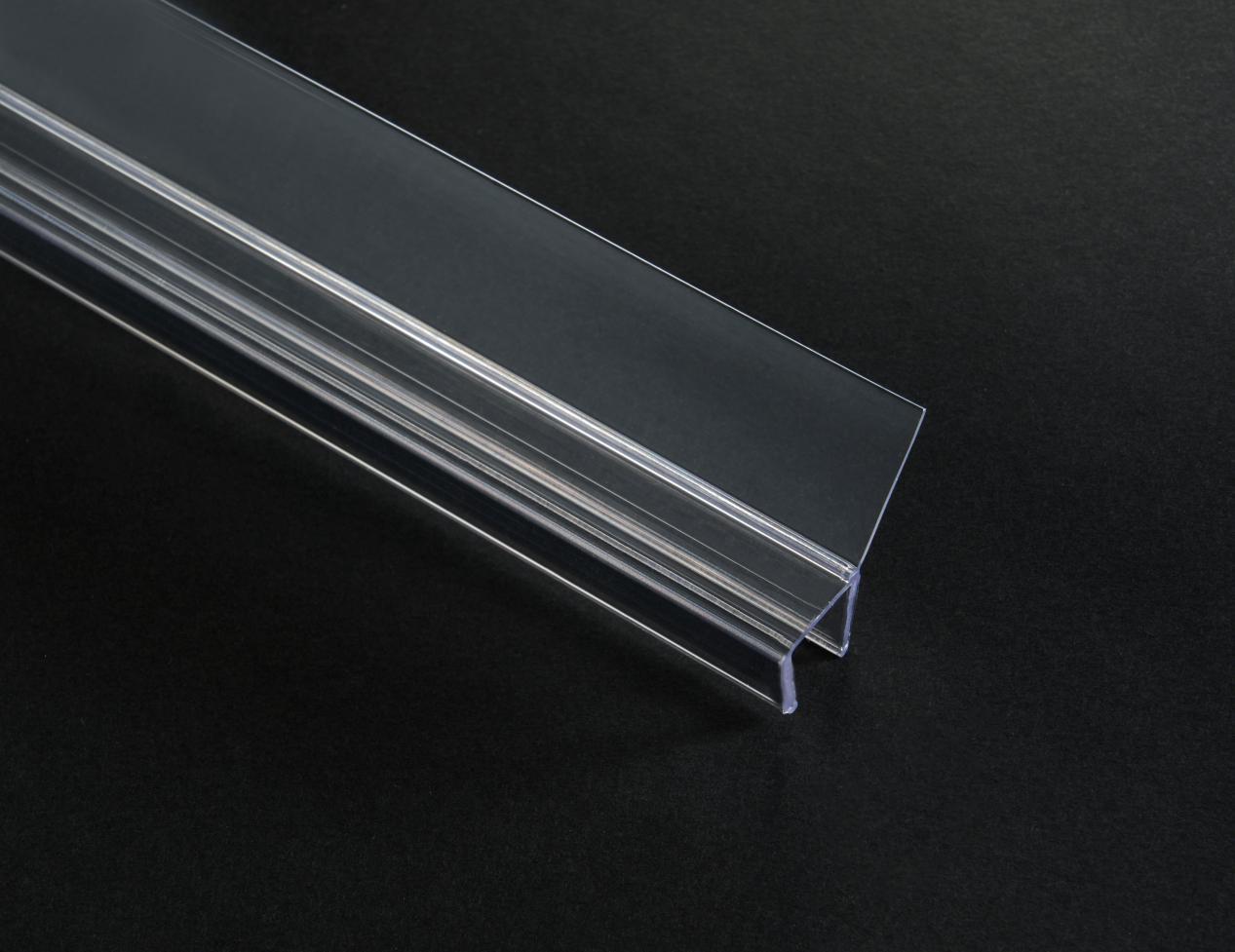
Designed for installation between the shower door and the wall, the Y-shaped shower door seal provides a waterproof barrier against water leakage.

Its unique “Y” design allows for a tight fit, ensuring that water stays inside the shower, thus protecting the surrounding area from moisture damage.

WechatIMG31

Key Features of Y-Shape Shower Door Seals

1. Waterproofing Capabilities

One of the standout features of Y-shape shower door seals is their exceptional waterproofing ability. Made from durable materials like PMMA or PVC, these seals effectively prevent water from escaping, keeping your bathroom dry and safe.

2.Versatile Compatibility

Y-shape shower door seals are designed to fit a variety of shower door styles and sizes. Whether you have frameless or framed doors, these seals can be easily adapted to ensure a proper fit, making them a versatile choice for manufacturers.

woman-8656653_1280

3. Easy Installation

Installation is straightforward, often requiring no specialized tools. Many manufacturers offer self-adhesive options that allow for quick application, making it easy for both DIY enthusiasts and professional contractors to install.

4. Durability and Longevity

These seals are engineered to withstand the harsh conditions of a bathroom environment. They resist mold, mildew, and discoloration, ensuring that they maintain their functionality and appearance over time.

5. Aesthetic Appeal

Beyond functionality, Y-shape shower door seals come in various colors and finishes. This allows homeowners to choose seals that complement their bathroom decor, enhancing the overall aesthetic without compromising on performance.

Market Trends Impacting Y-Shape Shower Door Seal Manufacturers

1. Increased Demand for Customization

As consumers become more discerning about their home improvements, there is a growing demand for customizable shower solutions. Manufacturers are responding by offering Y-shape shower door seals in various sizes and colors, catering to unique customer preferences.

2. Sustainability Concerns

With an increasing focus on sustainability, manufacturers are exploring eco-friendly materials for Y-shape shower door seals. Biodegradable options and recyclable materials are becoming more prevalent, appealing to environmentally conscious consumers.

3. Technological Advancements

Innovation plays a significant role in the development of shower door seals. Some manufacturers are integrating advanced features, such as antimicrobial properties, to enhance hygiene and user safety. This trend aligns with a broader push for health and wellness in home design.

4. Rising DIY Trends

The DIY movement continues to grow, with more homeowners taking on renovation projects themselves. This trend is beneficial for Y-shape shower door seal manufacturers, as easy-to-install options become increasingly attractive to DIY enthusiasts.

5. Global Market Expansion

The global market for shower seals is expanding, driven by increasing home renovation projects and the growth of the real estate sector. Manufacturers are looking to capitalize on this trend by expanding their distribution networks and exploring new markets.

business-6839039_1280

Conclusion

Y-shape shower door seals are an essential component of modern bathrooms, offering a blend of functionality and style. With features like waterproofing capabilities, easy installation, and a variety of aesthetic options, they are a top choice for homeowners and manufacturers alike. As the market evolves, staying informed about trends such as customization, sustainability, and technological advancements will be crucial for manufacturers aiming to thrive in this competitive landscape.

By investing in high-quality Y-shape shower door seals and understanding the dynamics of the market, manufacturers can position themselves for success and meet the needs of today’s discerning consumers.

Choosing between modern home remodel trends and classic styles can be a challenging decision. Each has its unique charm and appeal. On one hand, modern designs bring sleek lines, open spaces, and innovative technology into your home. On the other hand, classic styles evoke a sense of timelessness, filled with ornate details and rich textures that harken back to a different era. While both approaches offer something special, the current preference leans heavily toward modern trends. Why? It’s all about functionality, sustainability, and fitting into the fast-paced lifestyle many people live today. Let’s dive into the key differences and explore why modern remodels might be the better option.

1. Modern Home Remodel Trends vs Classic Styles

Over the past few decades, the conversation around home remodeling has evolved dramatically. Modern home trends are rapidly gaining momentum, offering fresh, innovative designs that cater to contemporary needs. Classic styles, while admired for their historical and artistic value, are increasingly being outpaced by modern approaches that prioritize functionality and sustainability. This shift in preference stems from the practical advantages modern designs bring to the table—think smart home technology, energy efficiency, and minimalistic aesthetics. These features are making modern remodels more attractive, not just for their look but for their long-term benefits as well.

In contrast, classic styles are rooted in tradition. They focus on preserving historical elements and the intricate craftsmanship that comes with it. Though undeniably beautiful, classic designs often lack the adaptability and efficiency of modern homes. Let’s explore the finer points that distinguish modern trends from classic styles, and why modern is taking the lead.

2. Key Features of Modern Home Remodel Trends

One of the hallmarks of modern home remodeling design is its emphasis on minimalism. Clean lines, uncluttered spaces, and simplicity dominate the landscape. This approach doesn’t just look good; it creates a more relaxed environment. Open floor plans have become a staple in modern homes, allowing for greater flow between rooms and making spaces feel larger than they actually are. Modern homes often combine the kitchen, dining, and living areas into one seamless space, which fosters more interaction and flexibility.

Minimalism also means eliminating unnecessary décor, leading to a clutter-free environment. It allows homeowners to focus on essential furniture and decoration, giving each item purpose and meaning.

Integration of Smart Technology

Smart homes are the future, and modern designs are at the forefront of this revolution. Whether it’s voice-activated lighting, smart thermostats, or high-tech security systems, technology is seamlessly woven into the modern home experience. These features not only add convenience but also enhance energy efficiency. For example, smart thermostats can learn your habits and automatically adjust temperatures to save energy. This integration of technology into design is one of the key reasons modern remodels are more appealing to today’s homeowners, offering them more control over their environment.

3. Core Characteristics of Classic Home Styles

Classic homes are synonymous with traditional architectural elements that have stood the test of time. Symmetry, balance, and ornate details such as intricate moldings, wainscoting, and coffered ceilings are the trademarks of classic designs. These homes often draw inspiration from historical periods, including Victorian, Colonial, or Craftsman styles, which highlight hand-carved woodwork, stone fireplaces, and other sophisticated details that scream elegance.

While these features can create a rich and inviting atmosphere, they also come with limitations. The rigidity of these traditional designs often lacks the flexibility of modern layouts, making it difficult to accommodate contemporary living needs.

Use of Natural Materials and Rich Textures

Classic homes focus on using natural materials that add warmth and depth to a space. Expect to see hardwood floors, stone countertops, and brick exteriors that create a sturdy, enduring aesthetic. Rich textures, from velvet drapes to ornate rugs, play a significant role in creating the luxurious atmosphere many associate with traditional home styles. While undeniably beautiful, these materials often require more maintenance, making classic homes more time-intensive to care for compared to their modern counterparts.

4. Energy Efficiency: Modern vs. Classic Homes

Modern homes are engineered with energy efficiency in mind. From the ground up, materials are chosen to minimize energy waste. Double-glazed windows, high-performance insulation, and eco-friendly building materials are just a few examples of how modern homes focus on reducing energy consumption. Solar panels, energy-efficient lighting, and appliances all contribute to lowering utility bills, making these homes not only environmentally friendly but also more cost-effective in the long term.

With smart home technologies, like automated systems for heating and cooling, modern homes can adjust energy usage based on your daily routine, further reducing the carbon footprint. This level of efficiency is hard to match in classic homes without extensive and expensive retrofitting.

Challenges in Making Classic Homes Energy Efficient

Classic homes are often more challenging to retrofit for energy efficiency. Thick walls, small windows, and outdated insulation materials can make it difficult to implement modern energy-saving techniques without altering the home’s aesthetic charm. While it’s possible to add new insulation or replace old windows, these upgrades come at a cost, both financially and in terms of potentially compromising the home’s original character. Classic homes may also struggle to integrate renewable energy sources like solar panels, as these additions can look out of place with traditional architecture.

5. Aesthetic Appeal: Modern Sleekness vs Classic Elegance

Modern homes are all about sleekness. Picture sharp angles, open layouts, and neutral color palettes like whites, greys, and blacks. These elements make spaces feel more expansive and visually uncluttered, promoting a sense of calm. While this minimalist approach might feel sterile to some, it’s often seen as elegant and refined in its simplicity. Modern décor focuses on functionality, with furniture and art pieces often doubling as statement pieces that tie the room together without overcrowding the space.

Ornate and Detailed Beauty of Classic Styles

Classic homes, on the other hand, are admired for their lavish, detailed designs. Crown moldings, ceiling medallions, and antique fixtures are commonplace in traditional interiors. These homes often incorporate bold colors like deep reds and royal blues, paired with luxurious fabrics like velvet and silk. While undeniably beautiful, the ornate nature of classic homes can sometimes feel overbearing, particularly in smaller spaces. It’s this elaborate, almost formal aesthetic that makes classic homes feel more suited to a bygone era, while modern homes fit today’s simpler, fast-paced lifestyle.

6. Functionality and Practicality in Modern Homes

The practicality of modern home designs is what truly sets them apart. In today’s world, homes need to be multifunctional. Modern layouts allow rooms to be adapted to a variety of uses, from home offices to playrooms to yoga studios. Furniture is often designed to be modular, providing flexibility to rearrange spaces as needs change. This adaptability makes modern homes more suited to evolving lifestyles, particularly as more people work from home or pursue different activities without needing to leave the house.

Focus on Sustainability and Eco-Friendly Materials

Sustainability is at the core of modern design. From choosing recycled building materials to installing water-saving fixtures, modern homes prioritize environmental impact. Bamboo flooring, reclaimed wood, and low-VOC paints are becoming the norm in contemporary homes, reducing the overall carbon footprint and promoting a healthier living environment. This eco-conscious approach is one of the reasons modern remodels have surged in popularity, as they align with a growing awareness of environmental responsibility.

7. Cost Comparison: Modern Remodels vs Classic Renovations

Although modern home remodels can be expensive upfront, they offer significant long-term savings. Energy-efficient appliances and materials drastically reduce utility bills. Additionally, the low-maintenance design of modern homes—thanks to their durable materials and minimalistic layouts—means homeowners spend less on repairs and upkeep. Over time, the initial investment pays off through reduced maintenance costs and increased energy savings.

The High Maintenance and Cost of Classic Styles

Classic home renovations are often more costly and labor-intensive. The intricate details that make classic homes so charming often require skilled craftsmen to repair or restore, driving up costs. Materials like hardwood and stone also demand more upkeep, such as regular sealing or refinishing, which adds to the overall maintenance burden. Moreover, retrofitting these homes with modern conveniences like central air conditioning or energy-efficient windows can be both challenging and expensive.

8. Conclusion

When comparing modern home remodel trends and classic styles, the key differences come down to functionality, energy efficiency, and personal preference. Modern homes prioritize sleek, minimalist designs with open spaces and integrated smart technology, offering homeowners greater flexibility, sustainability, and long-term cost savings. The clean lines, adaptability, and eco-friendly materials of modern homes make them more suited to today’s fast-paced and environmentally conscious world.

Classic styles, while undeniably beautiful and rich in history, often fall short when it comes to the practicality and energy efficiency that modern living demands. Their intricate designs and ornate details offer a timeless charm but come with higher costs and maintenance requirements. Ultimately, the choice between modern and classic comes down to lifestyle. For those seeking comfort, efficiency, and low-maintenance living, modern home remodel trends are proving to be the more attractive option in the long run.


When it comes to building or renovating a sustainable home, choosing eco-friendly flooring options is a crucial step towards reducing environmental impact. With an increasing focus on sustainability and a growing demand for environmentally conscious materials, there are now a variety of flooring options available that are not only aesthetically pleasing but also eco-friendly. These options take into consideration factors such as the materials used, manufacturing processes, and the impact on indoor air quality. Here are some of the top eco-friendly flooring options for sustainable homes:

Bamboo Flooring

Bamboo flooring is an excellent choice for eco-friendly homes. Bamboo is a fast-growing grass that can be harvested without causing damage to the plant’s root system. It is a renewable resource and has a shorter growth cycle compared to traditional hardwood trees. Bamboo flooring is durable, versatile, and comes in a wide range of styles and colors. It is also naturally resistant to moisture and pests, making it an ideal choice for areas prone to high humidity.

Cork Flooring

Cork Flooring

Cork flooring is made from the bark of the cork oak tree. The bark is harvested without cutting down the tree, allowing it to regenerate and be harvested again in the future. Cork flooring is a sustainable option that provides excellent insulation, reducing energy consumption and enhancing thermal comfort. It is also naturally antimicrobial and hypoallergenic, making it a great choice for those with allergies or respiratory sensitivities.

Recycled Hardwood Flooring

Using reclaimed or recycled hardwood flooring is another eco-friendly option for sustainable homes. This type of flooring is made from salvaged wood from old buildings, barns, or other structures, giving it a unique and rustic charm. By repurposing old wood, the demand for new timber is reduced, saving trees and minimizing deforestation. Recycled hardwood flooring adds character and history to a home and can be refinished to look as good as new.

Linoleum Flooring

Linoleum flooring is made from natural materials, including linseed oil, wood flour, cork dust, and resins. It is a durable and resilient flooring option that is biodegradable and recyclable. Linoleum is available in a wide range of colors and patterns, allowing for creative design possibilities. It is also easy to clean and maintain, making it a practical choice for high-traffic areas.

Concrete Flooring

Concrete flooring may not be the first option that comes to mind when thinking about eco-friendly flooring, but it can be sustainable when done right. Using recycled materials, such as crushed glass or fly ash, in the concrete mix can significantly reduce its environmental impact. Concrete is a durable and long-lasting option that can be polished or stained to achieve a unique and stylish look. It also has excellent thermal properties, helping to regulate indoor temperature and reduce energy consumption.

Choosing eco-friendly flooring options for sustainable homes is a responsible choice that promotes environmental preservation and reduces the carbon footprint. Bamboo, cork, recycled hardwood, linoleum, and concrete flooring are just a few examples of the many eco-friendly options available today. By selecting these materials, homeowners can create a healthier living environment while contributing to the sustainability of the planet.