Key Highlights
- Understand why surface-level cleaning fails to reach the deep-seated fungal colonies that feed the mites.
- Learn about the role of ambient humidity in Singapore and how it sabotages your DIY efforts.
- Identify how airborne mould spores lead to rapid re-infestation of cleaned areas.
- Discover why typical household cleaners lack the residual power to prevent new mould growth.
Introduction
The discovery of tiny, crawling white specks on your furniture often leads to a frantic trip to the supermarket for every cleaning product available. You spend hours scrubbing, spraying, and wiping, only to find the same “moving dust” returning to the exact same spot 48 hours later. This cycle of frustration is incredibly common for those trying to figure out how to get rid of mould mites in a tropical climate. While DIY efforts are well-intentioned, they often fail because they address only what is visible to the naked eye. In Singapore’s high-humidity environment, mould and its associated mites are persistent survivors. To stop the cycle, you must understand the limitations of standard cleaning and why your chosen mould remover might not be providing the long-term solution your home needs.
1. Failure to Address Sub-Surface Fungal Colonies
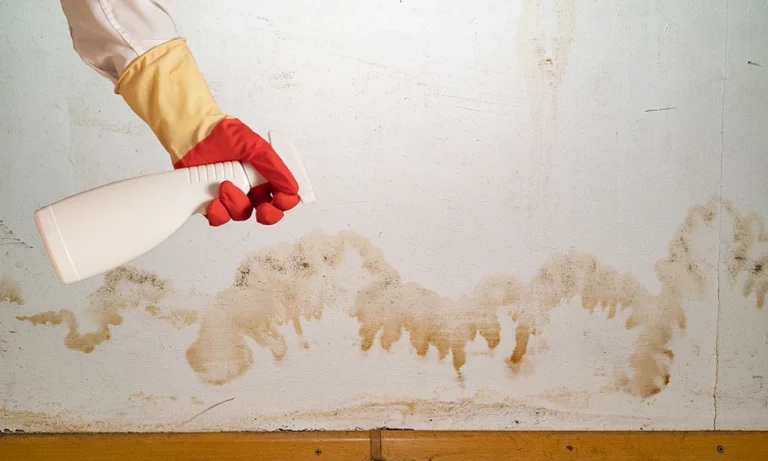
The biggest mistake in DIY cleaning is assuming that if the surface looks clean, the mould is gone. Mould mites feed on fungi, and while you might wipe away the visible mould on the exterior of a cabinet, the fungal “roots” (hyphae) often penetrate deep into porous materials like wood, drywall, and fabric. When you use a standard mould remover, you are often only “beheading” the mould. The internal colony remains alive and continues to grow, quickly sending new spores to the surface.
Because the food source is still present just beneath the surface, the mould mites have no reason to leave. They simply wait in the cracks and crevices until the next crop of fungi emerges. To truly solve the problem of how to get rid of mould mites, the treatment must penetrate the material or the affected item must be professionally remediated. Without reaching the core of the infestation, your cleaning efforts are merely a temporary cosmetic fix that the mites will outlast every time.
2. Ineffective Humidity Control in the Local Climate
You can clean your home until it is spotless, but if the air remains thick with moisture, the mites will return. Singapore’s average humidity is often above 80%, which is well above the 60% threshold where mould begins to flourish. Even if you use a high-quality mould remover, the damp air will immediately begin to settle on the cleaned surface, creating a fresh layer of moisture that invites new fungal growth. This is particularly true in areas with poor ventilation, such as behind wardrobes or in bathrooms.
DIY cleaning often overlooks the environmental factors that allowed the mites to thrive in the first place. If you are not actively using a dehumidifier or improving airflow, you are essentially trying to dry a floor while the tap is still running. The mites are highly sensitive to humidity; they thrive in dampness and die in dry air. Until you manage the ambient moisture levels in your home, no amount of scrubbing will provide a permanent answer to how to get rid of mould mites.
3. Recolonisation via Airborne Mould Spores
When you scrub a patch of mould, you often inadvertently release millions of microscopic spores into the air. These spores are light enough to float on the slightest breeze and can settle on any surface in your home. If your DIY cleaning doesn’t involve proper containment and air filtration, you are effectively spreading the “seeds” of your next infestation. The mites that survived your initial cleaning will simply follow the scent of the new colonies as they pop up in other parts of the room.
Professional remediation involves using HEPA filters and negative air pressure to ensure that spores are captured and removed from the environment. In contrast, a DIY approach often lacks these safeguards. This explains why people often find that after cleaning one area, the mites seem to “move” to a new location. To understand how to get rid of mould mites permanently, you have to realise that the air in the room is just as important as the surfaces you are wiping down.
4. Lack of Residual Antimicrobial Protection
Many household cleaners, including vinegar or bleach-based solutions, are effective at killing mould on contact but have very little residual effect. Once the liquid evaporates or is wiped away, the surface is once again vulnerable to spores landing and growing. Most supermarket mould remover products do not leave behind an “inhibitory layer” that prevents new fungi from taking hold. This is why you see the cycle of regrowth happening so rapidly, often within
days of a major cleaning session.
Professional-grade treatments often include antimicrobial coatings that continue to work long after the specialists have left. These coatings change the surface chemistry of your walls or furniture, making it impossible for mould to anchor itself. Since the mites cannot survive without their fungal food source, these long-lasting treatments are the secret to breaking the cycle. If you find yourself cleaning the same spot every week, it is a clear sign that your current products are not providing the ongoing protection required to keep your home mite-free.
Conclusion
DIY cleaning is often a battle against the symptoms rather than the cause. While it may provide short-term relief, the combination of deep-seated mould roots, high humidity, and airborne spores usually leads to a repeat infestation. Truly clearing your home of mould mites requires a comprehensive approach that combines effective killing agents with environmental control and professional-grade prevention. Stop the endless cycle of scrubbing and look for a solution that addresses the root of the problem.
To permanently clear your home and ensure the mites don’t return, contact Mouldgone today.