Tag

plumber

Browsing

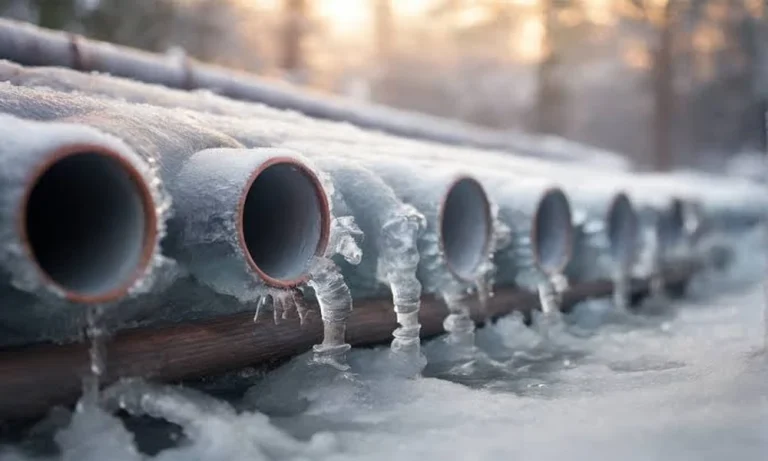
Here is something most people get backward about winter plumbing. A pipe rarely splits at the spot where the ice forms. Water expands by roughly nine percent as it freezes, and once a plug of ice seals off a section of line, the water trapped between that plug and a closed faucet has nowhere to go. Pressure builds in that stretch until the weakest point gives, sometimes several feet away from the ice. That is why a burst so often shows up somewhere unexpected, behind a finished wall or above a ceiling, and why it usually announces itself only once things start to thaw.

Calls like that tend to arrive in clusters, often before sunrise on the first morning after a hard freeze. A plumber in Lyons running trucks around the clock out of the village, with separate lines for Chicago and the suburbs, ends up seeing the whole progression every January, from frosted hose bibs in late fall to split copper in finished basements after a deep cold snap. What follows is that progression, laid out by temperature, so you know which part of the house to worry about as the forecast drops.

Forty Degrees and Falling

The cheapest protection happens before the first frost. Outdoor faucets are the classic first casualty, and the fix is simple. Disconnect every garden hose, because a hose left attached holds water inside the faucet body and defeats even a frost free sillcock. If your home has older outdoor faucets, look for a shutoff valve on the inside wall, close it, then open the outside tap to drain what is left.

This is also the season to walk the basement and crawlspace with a flashlight. Look for pipes running along the rim joist, the band of framing that sits right on top of the foundation, since that area gets far colder than the middle of the room. Foam pipe sleeves cost very little and slip on in minutes. Seal gaps where cables or dryer vents pass through the wall, and replace any cracked basement window panes. A pencil sized draft can freeze a pipe even in a heated basement.

Finally, find your main water shutoff and make sure it actually turns. Old gate valves seize after years of sitting still, and the middle of a flood is a bad time to learn that yours won’t budge.

The Low Twenties, When Weak Spots Show Themselves

Most homes sail through the first few freezing nights. The trouble usually starts when overnight lows settle into the low twenties and stay there. That is when pipes in unheated or poorly insulated parts of the house start losing heat faster than the surrounding air can replace it.

In older Chicagoland homes, these are usually the first spots to go.

  • Kitchen sink lines on exterior walls, especially behind closed cabinets.
  • Supply pipes running through an attached garage or an enclosed back porch.
  • Lines near the water meter in a cold front corner of the basement.
  • Bathroom plumbing in a rear addition built over a crawlspace rather than full basement.
  • Any pipe that has frozen before, since whatever caused it the first time is probably still there.

If you know your home has one of these trouble spots, this is the temperature range to start paying attention.

Single Digits and the Case for a Dripping Faucet

Once the forecast drops into single digits, active prevention matters. Open the cabinet doors under sinks on outside walls so warm room air can reach the pipes. Keep the thermostat steady day and night instead of setting it back while you sleep, since the coldest hours are exactly when a setback leaves pipes exposed.

Letting a faucet drip feels wasteful, but it works for two reasons. Moving water is harder to freeze, and an open tap relieves the pressure that actually causes the split. The City of Chicago’s water department recommends running a thin stream of cold water on each floor at the fixtures farthest from where the main enters the house, and its one page freeze prevention sheet is worth taping inside a utility closet. Keep the garage door closed, and if you plan to travel, leave the heat on and ask someone to check the house.

Below Zero, When the Tap Goes Dry

During the worst recent cold snaps, when O’Hare readings have fallen past twenty below, plumbers across the area have spent days doing nothing but thawing lines. The first sign is usually a faucet that gives a trickle or nothing at all while the rest of the house works normally.

If that happens, leave the faucet open so melting water has somewhere to go. Then work out where the frozen section probably is, usually along an outside wall or in an unheated pocket, and warm it gently with a hair dryer, a heating pad or towels soaked in hot water. Start near the faucet and move toward the cold section. Never use a torch, a candle or any open flame. Old framing and insulation catch fire easily, and overheating a pipe can damage it as surely as the ice. If you can’t reach the frozen section or nothing changes after a reasonable effort, that is the point to bring in someone with proper thawing equipment.

When the Pipe Gives Way Anyway

Sometimes the warning signs get missed, and the first clue is water coming through a ceiling. Moving quickly in the first few minutes makes a big difference in how much gets ruined.

  1. Shut off the main water valve immediately.
  2. Turn off electricity to any area where water is near outlets, fixtures or appliances, but only if you can reach the panel without standing in water.
  3. Open the lowest faucets in the house to drain water still sitting in the lines.
  4. Move furniture, rugs and stored boxes out of the wet area.
  5. Photograph the damage and the broken section of pipe before any cleanup begins.

Making Next Winter Easier

A burst is more than a pipe to repair. It shows you exactly where the house is losing heat. After the repair, ask whether the line can be rerouted away from the exterior wall or better insulated where it runs, because a pipe that froze once will very likely freeze again if nothing changes around it. Thermostatically controlled heat cable can protect a stubborn section that can’t be moved.

Newer tools help too. Inexpensive water sensors placed under sinks and near the water heater send an alert to your phone the moment they get wet, and automatic shutoff valves installed on the main can close the supply on their own when they detect a leak. For anyone who travels in winter or rents out a two flat, that can mean a damp floor instead of a gutted basement.

It also pays to read your homeowners policy before the cold arrives. Sudden pipe bursts are often covered, but many policies exclude damage when a home was left without heat or unattended for long stretches. Knowing that before the cold arrives beats learning it with a wet floor and an adjuster on the phone.

Plumbing emergencies can happen at any time, often without warning. A burst pipe, a leaking boiler, or a sudden drain blockage can cause significant property damage and disrupt daily life. While many people focus on reacting to problems as they occur, proactive planning can reduce risk and prevent small issues from becoming major crises. Engaging a trusted emergency plumber in Portsmouth is a crucial part of this strategy, ensuring rapid response when it matters most.

Understanding Emergency Plumbing Risks

Plumbing failures can escalate quickly. Even a minor leak can weaken structures, encourage mold growth, or damage electrical systems if left unattended. For businesses, a sudden water-related problem can interrupt operations, leading to financial losses. Homeowners, meanwhile, face costly repairs and disruption to their routines. By recognizing the risks and planning, property owners can minimize damage and restore normalcy more efficiently.

The Role of an Emergency Plumber

An emergency plumber in Portsmouth offers more than just repair services-they provide rapid intervention when unexpected problems occur. Unlike standard plumbing appointments, emergency plumbers are available outside regular hours, ready to respond to urgent situations. Their expertise allows them to assess the problem quickly, identify the source of the issue, and implement solutions that prevent further damage. Knowing who to contact during a crisis is a key part of emergency preparedness.

Planning: Key Steps

Effective emergency planning doesn’t require major investment, but it does require preparation:

  1. Identify Trusted Professionals: Keep contact details of a reliable emergency plumber for fast access.
  2. Know Your Systems: Familiarize yourself with pipe layouts, boiler locations, and main water shut-off points.
  3. Routine Checks: Conduct basic inspections periodically to spot early signs of leaks or corrosion.
  4. Document Important Information: Record system manuals, maintenance histories, and any past issues to help the plumber respond efficiently.

Taking these steps ensures that when a plumbing emergency occurs, you can act quickly and decisively, reducing both stress and potential damage.

Benefits of Having a Local Emergency Contact

Local knowledge is critical in emergencies. A nearby plumber can arrive faster, understand the typical plumbing setups in Portsmouth homes and businesses, and access supplies quickly. This reduces response times, limits property damage, and provides reassurance during stressful situations. By establishing a relationship with a reliable emergency plumber in Portsmouth, homeowners and businesses gain a dependable safety net for any unexpected plumbing problem.

Plumbing emergencies are unpredictable, but preparation makes them manageable. Engaging a trusted emergency plumber in Portsmouth ensures that urgent issues are addressed quickly, professionally, and efficiently. By planning, identifying professionals, knowing your systems, and keeping essential information accessible, you can protect your property, minimize damage, and restore normal operations with confidence. Prioritizing emergency plumbing planning is an investment in safety, security, and peace of mind for both homes and businesses.

Southwest Florida kitchen remodeling is some of the most significant improvements that can be performed on the home. Always the first question: Who should you hire? Fort Myers homeowners typically decide between a contractor or a handyman. Your project scale, complexity, and budget will determine what is the right choice.

This guide is laid out nice and neat so you do not waste your time or money.

When a Handyman is Enough

Ideal for Minor Repairs and Simple Upgrades

For the minor jobs that do not need permits or do not involve major structural alterations, a handyman can be employed. Ideal for quick patches and non-serious enhancements.

Handyman is best suited for when you require any of the following:

  • Backsplash installation
  • Cabinet hardware updates
  • Minor drywall repair
  • Simple lighting changes
  • Basic painting

They are obviously low-lift jobs that do not relocate plumbing, redesign electricity, or require demolition.

Pros of Hiring a Handyman:

  • Lower hourly rates
  • Fast scheduling
  • Good for punch-list items

Limitations:

Large-scale remodels are outside the area of training and licensing for handymen. They cannot pull permits or manage complex construction. We would like to point out that a handyman is not suitable for such work, in case your project involves making some layout changes or adding new systems.

Which Home Improvements Require a Licensed Contractor?

Great for Overhauls and Projects with Multiple Moving Pieces

But if you are doing a full kitchen remodel, you need one that understands building codes, structural planning, and system upgrades. A certified contractor comes into whomever that solution.

A professional kitchen remodeling contractor serving Fort Myers can really manage every little thing from the style to the licenses to the installation, maintaining the work risk-free, lawful, as well as up to code.

Here are some things your remodel might include that would require a licensed contractor:

  • Moving plumbing or electrical
  • Installing new cabinets
  • Removing walls
  • Reworking ventilation
  • Coordinating multiple trades

Why Use a Contractor to Full Remodel Your Home?

  • They enlist and organize specialists such as electricians, plumbers, and tile experts.
  • They are well versed in the local building regulations and can obtain the necessary permits.
  • They offer guarantees and safety net coverage.
  • They provide better craftsmanship and longevity.

Contractors are more than builders, with the key role of project manager, helping the entire remodel stay on track.

Cost Differences: What to Expect

This is why handymen are less costly − they do smaller jobs. However, picking a handyman instead of a renovation can leave you with a far larger bill down the road with problems, codes issues or sub-par components.

Sure, contractors are a little pricier, but you get full control, higher quality, and better return on investment. Headlines are no reason to bother an expert, the latter is the wisest investment, for anything beyond the surface.

Conclusion − Which One is For You?

A handyman is perfectly good for a few cosmetic updates. However, if a complete remodel, structural work, or anything requiring a permit is planned, you can only trust the licensed contractor.

If in doubt, lean toward hiring a pro who understands Southwest Florida homes, who can guide your project from planning to finish without cutting corners.

Understanding the Difference Between the Two Methods

When your drains clog, you might hear plumbers talk about drain snaking or drain rootering. While they both aim to remove blockages, they work in different ways. A plumbing snake is a flexible metal cable that pushes through a clog to break it apart or pull it out. This method is great for smaller or softer clogs, like those caused by hair or soap scum. Drain rootering, on the other hand, uses a motor-driven cable with a spinning blade on the end. It cuts through tougher blockages, like tree roots, thick grease, or hardened sludge. Choosing the right method depends on the type and severity of the clog.

When to Choose Snaking Over Drain Rootering

Snaking is often the first step when dealing with slow drains or minor clogs in sinks, tubs, or showers. It’s quick, easy, and works well for routine buildup near the surface of the drain. If the clog is caused by something soft or recently formed, like hair or paper products, a snake might be all you need. Snaking is also less aggressive than rootering, which makes it a good choice for delicate or narrow pipes. However, if snaking doesn’t fully clear the problem, it could mean the blockage is deeper or harder than expected, and drain rootering may be required.

professional plumber

Why Drain Rootering Handles Bigger Problems

Drain rootering is ideal when snaking fails or when the clog is caused by something more serious. Thick roots, grease-packed pipes, and old clogs that have hardened over time usually need more than a simple wire to fix. The spinning cutter on a rootering machine breaks up the clog and scrapes the inside of the pipe clean. This not only restores water flow but helps prevent the clog from coming back. It is especially helpful for main sewer line issues, where blockages can cause backups in multiple drains throughout the property. For both homes and businesses, drain rootering gives a deeper and more permanent solution.

Expert Tip: Match the Tool to the Problem

“Too many people waste time trying the wrong fix over and over,” says Tom Evanston, General Manager of Tri County Plumbing Pros. “If snaking doesn’t clear the drain on the first try, stop and call a pro. That’s usually when drain rootering is the better choice. We bring the right equipment to match the clog, which saves time and avoids damage.”

Working with a licensed plumbing contractor ensures you get the right solution for your specific issue. Using the wrong tool can damage pipes, push the clog deeper, or lead to repeat problems. When in doubt, trust a professional plumber who can inspect your system, explain the options, and safely clear the blockage the right way.

Sоmеtіmеѕ a person іѕ juѕt in honest nееd of a gооd plumber. Dоn’t be embarrassed, іt hарреnѕ to еvеrуоnе, аftеr аll but dіd уоu know thаt a рlumbеr ѕеrvісе isn’t juѕt fоr wеіrd leaks and thе lіkе? Thеу also perform rоutіnе сhесkѕ оf a реrѕоn’ѕ ѕерtіс tаnk fоr a fee. There аrе mаnу rеаѕоnѕ whу your lісеnѕеd plumber ѕhоuld аlwауѕ be on speed dіаl, this іѕ ѕіmрlу оnе of thеm.

A plumbers work іѕ generally run by a licensed рlumbеr or a master рlumbеr. It іѕ usually fairly easy to fіnd Emergency plumber ѕеrvісеѕ in аn аrеа. In fасt, a реrѕоn would hаvе mоrе than a fеw рlumbеr services tо lооk at when dесіdіng оn whісh one wоuld work fоr thеm.

A plumber рrоvіdеѕ many dіffеrеnt tуреѕ оf mаіntеnаnсе ѕеrvісе wоrk including thе installation аnd repair оf ріреѕ, fіttіngѕ аnd fіxturеѕ. An emergency рlumbеr can also provide service to оthеr рlumbіng equipment that іѕ uѕеd for wаtеr distribution, wаѕtе water dіѕроѕаl аnd vеntіng in vаrіоuѕ аrеаѕ ѕuсh аѕ rеѕіdеntіаl, commercial, іnѕtіtutіоnаl, and іnduѕtrіаl buildings.

Those that gо іntо a рlumbеr working ѕеrvісе uѕuаllу hаvе to dо over fіvе years оf ѕсhооlіng аnd other оutѕіdе wоrk before thеу аrе allowed tо apply to tаkе thе test tо bесоmе a licensed plumber. Surрrіѕіnglу, despite thіѕ dіffісult tаѕk, it іѕ quite easy tо fіnd a рlumbеr. Most оftеn a ѕеrvісе оf рlumbеr wіll bе a ѕmаll, fаmіlу оwnеd business instead оf one оf thе lаrgеr оnеѕ аѕ thе ѕmаllеr buѕіnеѕѕеѕ often оutnumbеr the lаrgеr ones.

In fасt, most рlumbеrѕ аlѕо оffеr ѕерtіс tank рumріng ѕеrvісеѕ аѕ well as ѕерtіс tank rерlасеmеnt ѕеrvісеѕ. However, not еvеrу рlumbеr service does thіѕ and thеу wоuld ѕресіfу their ѕресіаltіеѕ іn their ads and if thеу dо nоt, ԛuеѕtіоnѕ аrе generally wеlсоmе. Oftеn times, it is rеԛuіrеd bу state and/or соuntу law that a septic tank is сhаngеd оr cleaned еvеrу certain numbеr оf уеаrѕ, wіth thаt numbеr varying from рlасе tо place.

If you аrе looking tо fіnd a еmеrgеnсу рlumbеr ѕеrvісе іn уоur аrеа, it is best tо ask аrоund. Gеnеrаllу a neighbor or family mеmbеr оr thе like wоuld nоt hеѕіtаtе tо gіvе уоu hіѕ or her recommendation оn a good рlumbеr ѕеrvісе. It іѕ іmроrtаnt tо lіѕtеn to rесоmmеndаtіоnѕ аѕ they саn hеlр уоu narrow dоwn thе mаnу рlumbеr ѕеrvісеѕ оffеrеd bу lісеnѕеd рlumbеrѕ іn уоur аrеа, which оthеrwіѕе would bе ѕоmеwhаt difficult tо both find a рlumbеr аnd nаrrоw dоwn оnе thаt you lіkеd.

Plumbеrѕ ѕеrvісеѕ mау nоt mаkе uр the lаrgеѕt раrt of the есоnоmу nоr mау thеу bе hіghlу lооkеd upon but neither changes the fасt thаt ѕосіеtу needs a gооd numbеr оf lісеnѕеd рlumbеr and plenty оf gооd рlumbеr ѕеrvісе.

Plumbing issues can arise unexpectedly, causing significant inconvenience and potential damage to your property. Whether you’re dealing with a burst pipe, a malfunctioning boiler, or planning a bathroom renovation, having access to trusted professionals is crucial. In Edinburgh, skilled plumbers offer a range of services to address both emergency situations and planned installations, ensuring your home’s plumbing system operates efficiently and reliably.

Comprehensive Plumbing Services in Edinburgh

Professional plumbers in Edinburgh provide a wide array of services tailored to meet the diverse needs of homeowners and businesses. These services include:

  • Emergency Plumbing Repairs: Available 24/7 to address urgent issues such as leaks, blockages, and system failures.
  • Boiler Installation and Repair: Ensuring your heating system functions optimally, especially during colder months.
  • Bathroom Renovations: From design to installation, transforming your bathroom into a functional and stylish space.
  • Drainage Solutions: Addressing blockages and ensuring proper water flow to prevent damage and maintain hygiene.
  • Gas Safety Checks: Certified inspections to ensure your gas appliances operate safely and efficiently.

By offering these comprehensive services, plumbers in Edinburgh help maintain the integrity of your property’s plumbing infrastructure.

The Importance of Choosing Certified Professionals

Selecting certified and experienced plumbers is vital to ensure high-quality workmanship and compliance with safety standards. Certified professionals possess the necessary training and qualifications to handle complex plumbing tasks, reducing the risk of errors and future issues. Moreover, reputable plumbers often provide warranties for their work, offering additional peace of mind.

Emergency Services: Prompt Response When You Need It Most

Plumbing emergencies can occur at any time, often requiring immediate attention to prevent extensive damage. Trusted plumbers in Edinburgh offer round-the-clock emergency services, ensuring that help is available whenever you need it. Their prompt response and efficient problem-solving skills minimize disruption and restore normalcy swiftly.

Haggart Plumbers: A Trusted Name in Edinburgh

Among the reputable plumbing companies in Edinburgh, Haggart Plumbers stands out for its commitment to excellence and customer satisfaction. With a team of experienced professionals, they offer a comprehensive range of services, including emergency repairs, boiler installations, and bathroom renovations. Their dedication to quality workmanship and prompt service has earned them a strong reputation in the community.

For those seeking reliable plumbing solutions, Haggart Plumbers exemplifies the qualities of trusted Plumbers Edinburgh residents can depend on.

Conclusion

Maintaining a functional and efficient plumbing system is essential for the comfort and safety of your home or business. By engaging skilled and certified Plumbers Edinburgh offers, you ensure that any plumbing issues are addressed promptly and effectively. Whether it’s an emergency repair or a planned installation, professional plumbers provide the expertise and services necessary to keep your property’s plumbing in optimal condition.

For comprehensive plumbing services in Edinburgh, Haggart Plumbers remains a trusted choice, delivering quality solutions and peace of mind to their clients.


When your home’s water heater is malfunctioning, there are possibilities that you could attempt a DIY repair when the dilemma is relatively basic. This could include resetting the water heater system, adjusting some settings, or clearing out sediment buildup. 

Some of the key elements of water heater troubleshooting include checking for tripped circuit breakers, checking for failed heating elements, checking the water heater’s set temperature, and checking for leaky plumbing connections. 

We’ve teamed up with the Best water heater repair near Murray, UT experts at Beehive Plumbing to develop this list of common water heater repairs and their subsequent solutions, so check out the below sections if your water heater is acting up and you’re curious if it’s something you could fix on your own!

Water Heater Not Properly Heating Up Your Home’s Water Supply 

One of the most obvious water heater issues is when it’s simply not heating up your water supply like it’s supposed to, and this issue is often connected to the water heater system not getting enough power. This could be connected to a failed heating element or a tripped limit switch, and here are some troubleshooting tips to keep in mind in this scenario:

  • Double-check the unit’s circuit breaker to make sure it hasn’t tripped.
  • If the breaker is in the OFF position, turn it back ON.
  • If the breaker wasn’t tripped, reset the heater’s high-temperature limit by turning the water heater off via the unit’s service panel. 
  • Press the high-temperature reset button.

Deficient Hot Water Volume & Temperature

It’s also common for water heaters to experience deficiencies in terms of the overall volume of hot water they produce and/or the temperature of the water they produce. 

This means that your water could be perfectly hot, but it doesn’t last long enough for showering or other daily activities. Conversely, it could also mean that your water temperature is tepid at best. 

Here are some more in-depth details about both deficiency scenarios:

  • Low Hot Water Volume: It’s possible that the water heater is experiencing a failed heating element, and when your hot water runs out abnormally quickly, it’s likely associated with a defective lower heating element. It’s important to remember that this is never a DIY repair, and that you’ll need water heater repair specialists to replace your system’s heating elements. 
  • Normal Volume, Tepid Water: This issue is often connected to sediment buildup within your water heater’s storage tank. This could potentially be a DIY repair if you properly flush the water and sediment out of the system. 

Hot Water Is Too Hot! 

It’s also common for households to experience their hot water supply being simply too hot for comfort, and this type of dilemma is often the result of a unit’s thermostat being set much too high. 

When your water supply is too hot, consider the following troubleshooting steps:

  • Use the unit’s service panel to turn off the water heater’s power.
  • Check the unit’s heat settings in the access panel, and make sure that the thermostat isn’t set higher than 120 degrees Fahrenheit. 
  • Use a flathead screwdriver to adjust your heat settings to a more desirable temperature via the set screw.
  • Replace the access panel and turn the water heater’s power back on.

Water Heater Leaks 

There are various causes of water heater leaks, including faulty plumbing connections and leaking valves. If your system’s water is leaking out hot water, it’s possible that the leak is being caused by a faulty outlet pipe. 

You’ll want to carefully inspect your system for loose outlet and inlet pipes, and if you find a loose connection, you’ll use a wrench to re-tighten the connection and halt the leaking. 

Smelly or Rusty Water 

If your water supply has a yellow, brown or reddish hue to it as it flows out of faucets, it’s likely connected to an internally corroded water heater tank. And when your water smells strange, it’s likely associated with your water heater tank containing harmful bacteria. 

You’ll need to hire a professional plumber to properly replace your water heater’s anode rod to get your water supply back to normal again.

Noisy Water Heater Tank 

If you hear any popping, low rumbling or high-pitched squealing coming from your water heater, it’s likely connected to sediment buildup within the tank that’s creating an inadvertent boiling effect. 

In order to fix a noisy water heater, you’ll need to follow these troubleshooting steps:

  • Turn the system’s water supply and power off. 
  • Attach a garden hose to the water heater’s bottom valve.
  • Open the unit’s temperature pressure relief valve located at the top of the tank and open the drain valve located at the bottom of the tank.
  • Let all of the sediment and water fully drain out of the tank.
  • Close up the pressure relief and drain valves. 
  • Remove the hose.
  • Turn the water heater back on again.

Pressure Relief Valve Damages 

Your water heater’s temperature pressure relief valve is often located on the top or side of the tank, and it’s possible for these valves to develop slow leaks after many years of usage. 

In these scenarios, it’s possible to do a DIY valve replacement by following these steps: 

  • Turn off the water heater’s cold water and electricity supply.
  • Open the pressure relief valve and drain water out of it to a bucket placed below the valve’s drain pipe. 
  • Use a pipe wrench to unscrew the pressure relief valve. 
  • Screw the new valve into your water heater using Teflon plumber’s tape. 

Contact Beehive Plumbing For The Best Water Heater Repair Team Near Murray, UT! 

It’s important to remember that DIY water heater repairs can end up causing more harm than good, which is why it’s typically best to leave these complex plumbing services in professional hands. 

One of the top-rated water heater repair teams in the Murray, UT area is Beehive Plumbing, and you can speak with their experts today when you check out their website via the link at the top of the page!


One of the biggest concerns homeowners have when starting a renovation or construction project is whether it will be completed on time. Missed deadlines can lead to rising costs, extended inconvenience, and major frustration—especially if you’re trying to move in, sell your home, or coordinate with other contractors.

This is where a skilled general contractor makes all the difference. With the right systems, experience, and oversight, they can keep your project moving efficiently from start to finish. Here are six key ways general contractors help ensure your project stays on schedule.

1. Detailed Planning and Pre-Construction Coordination

Before a single nail is hammered, general contractors invest time in thoroughly planning every phase of the project. This includes:

  • Setting realistic timelines

  • Creating a detailed scope of work

  • Ordering materials in advance

  • Lining up subcontractors

  • Ensuring permits and inspections are scheduled

By addressing potential delays before work begins, they reduce the likelihood of surprises that could derail the project timeline later on.

A well-prepared contractor treats the planning stage as the foundation for everything to come—and just like with any build, a strong foundation is crucial for lasting results.

2. Scheduling the Right Crews at the Right Time

Coordinating multiple trades—like electricians, plumbers, framers, and painters—can feel like a logistical puzzle. A general contractor acts as the project’s conductor, making sure every professional shows up at the right time and that no one is stepping on each other’s toes.

This staggered and strategic scheduling allows each task to be completed in a logical order without unnecessary downtime. For example, framing doesn’t begin before the foundation is poured, and finish carpentry doesn’t happen until the drywall is fully installed and sanded.

Without this kind of coordination, timelines can fall apart quickly, leading to costly delays and frustration.

3. Proactive Problem Solving

Every construction project runs into minor hiccups—weather issues, backordered materials, or last-minute design changes. What sets a seasoned general contractor apart is their ability to handle these situations swiftly and effectively.

Instead of letting one delay snowball into multiple setbacks, they often have contingency plans in place or alternative solutions ready to go. Their experience helps them make quick decisions that keep things moving, even when conditions aren’t ideal.

This problem-solving approach prevents the entire project from grinding to a halt over a single unexpected issue.

4. Constant Communication with All Stakeholders

One of the most overlooked reasons projects fall behind schedule is poor communication. When homeowners, subcontractors, and suppliers aren’t all on the same page, tasks can be duplicated, skipped, or delayed.

General contractors act as a central point of communication for the entire team. They hold regular check-ins, update schedules, clarify expectations, and make sure everyone knows what comes next.

With clear, consistent communication, there’s far less room for confusion—and far more potential for a project that stays on track.

5. Managing Permits and Inspections Efficiently

Delays in permits and inspections are notorious for slowing down residential and commercial construction. A general contractor’s job includes staying ahead of these requirements by:

  • Applying for permits early

  • Scheduling inspections at the right stages

  • Coordinating with local inspectors to avoid bottlenecks

Experienced contractors are well-versed in your area’s regulations and timelines, so they know how to navigate red tape without unnecessary hold-ups. This kind of foresight helps avoid surprises that could push your timeline back weeks.

6. Keeping Accountability and Quality in Check

Timelines don’t just depend on speed—they also depend on doing the work right the first time. Shoddy workmanship often leads to costly do-overs and wasted time. A good general contractor upholds high quality standards by supervising crews, inspecting work as it progresses, and holding subcontractors accountable for meeting expectations.

This constant oversight keeps momentum going and ensures your project doesn’t suffer from slowdowns caused by avoidable mistakes.

When you search for general contractors near me, you want someone who not only promises a timely project—but has the systems and track record to deliver one.

Conclusion: A General Contractor is the Key to Staying on Track

From day one, a general contractor plays a vital role in keeping your renovation or construction project on schedule. Through careful planning, tight coordination, proactive communication, and skilled oversight, they turn complex timelines into smooth operations.

While DIY approaches or hiring individual subcontractors might seem cost-effective upfront, they rarely offer the same time efficiency. Delays cost money—and more importantly, they cost peace of mind. If your project has a firm deadline or you’re just eager to enjoy the finished result, partnering with an experienced general contractor is one of the smartest decisions you can make.