
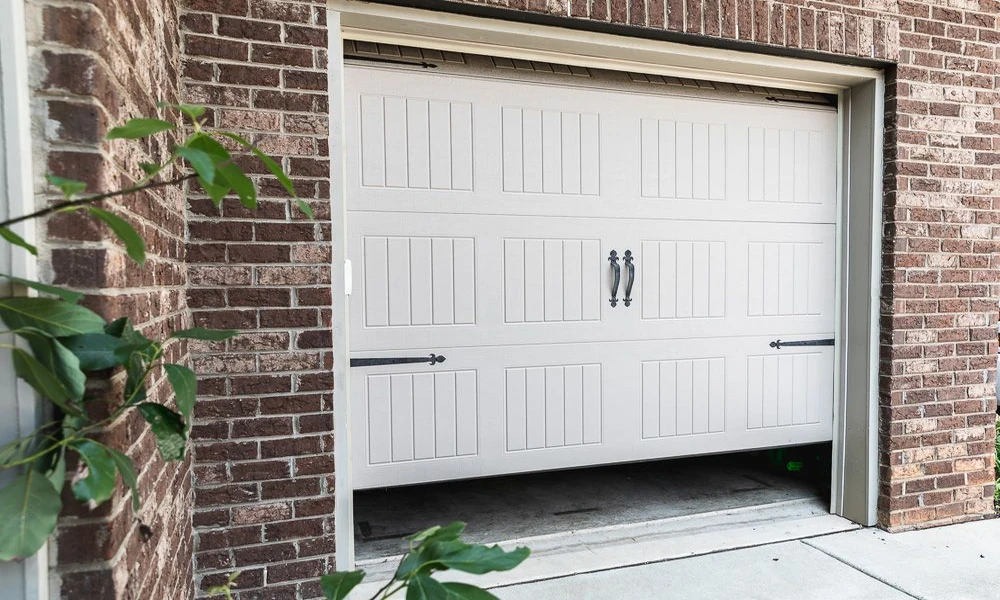
When your garage door opener stops working, it never seems to happen at a convenient moment. Whether you’re running late or trying to keep your home secure, knowing how to quickly troubleshoot the most common problems can save time, money, and frustration.
Understanding Common Electric Garage Door Opener Problems
The first sign of trouble is often right in front of you: your garage door refuses to budge, grinds to a halt halfway, or reverses for no obvious reason. Sometimes the unit makes odd noises or the remote control responds only intermittently. These symptoms typically point to one of three culprits: mechanical issues, electrical failures, or connectivity problems.
Ignoring early warning signs can escalate into bigger headaches. A minor alignment issue today could lead to a burnt-out motor or snapped spring tomorrow. Swift troubleshooting keeps repair costs down and ensures your home stays safe and accessible.
Comparing Types of Garage Door Openers and Their Typical Issues
Not all openers are created equal. Each type has its strengths, and its quirks.
| Opener Type | Key Strength | Common Issues | Notable Brands |
|——————|———————–|——————————-|————————|
| Chain Drive | Heavy-duty, reliable | Noisy operation, chain wear | LiftMaster, Door Doctor|
| Belt Drive | Quiet, smooth action | Belt stretching or slipping | Door Doctor, Genie |
| Wall Mount | Frees ceiling space | Wall vibration, alignment | Door Doctor |
Chain drive openers earn high marks for power, especially with heavy doors, but homeowners often complain about noise and chain maintenance. Belt drive models deliver whisper-quiet performance and require less upkeep, though belt longevity can be an issue over time. Wall mount openers redefine space efficiency but may require extra attention to mounting and alignment.
Diagnostic Techniques: Manual vs. Smart Troubleshooting Tools
Start with your senses. Listen for grinding, clicking, or buzzing. Watch for jerky movement, blinking lights, or a door that reverses without obstruction. Sometimes, simply observing your opener can pinpoint the problem area.
For newer models, smart home features make diagnostics easier. Many Door Doctor electric garage door openers come with apps that track errors, send maintenance alerts, and provide step-by-step troubleshooting guides. With a smartphone in hand, you can often find out if the issue is a sensor error, connectivity loss, or hardware malfunction before grabbing any tools.
Power and Wiring Issues: Basic Checks vs. Professional Repairs
A surprisingly high number of problems stem from power supply hiccups. Always check that the opener is plugged in and that the circuit breaker hasn’t tripped. Inspect the power cord for visible damage. If the wall switch works but the remote doesn’t, the issue may be isolated to the transmitter or batteries.
However, if you notice flickering lights, a burning smell, or repeated circuit tripping, step back. These signs suggest deeper electrical trouble that calls for a professional electrician. Never attempt complex wiring repairs, safety first.
Mechanical Problems: DIY Adjustments vs. Replacement Parts
Misalignment, worn springs, or debris in the tracks are among the most common mechanical culprits. Realign crooked tracks with gentle tapping and clear away any obstructions. Lubricate moving parts sparingly to prevent squeaks and resistance.
Some issues, such as severely worn springs or broken cables, are risky to tackle without training. When in doubt, weigh the risks of DIY against the benefits of professional repair. A quick adjustment is fine, but high-tension components should be left to experts.
Sensor and Safety Feature Troubleshooting: Automated Systems vs. Manual Overrides
Safety sensors, usually mounted near the floor, prevent the door from closing if something is in the way. Dirty sensors can cause a door to reverse unexpectedly. Wipe the lenses clean and make sure both are perfectly aligned.
Different brands take diverse approaches to safety. Some use infrared beams, while others rely on pressure sensors or advanced motion detection. If sensors remain unresponsive after cleaning, consult the opener’s manual for recalibration steps or use the manual override to secure your garage until repairs are made.
Remote Control and Connectivity Problems: Signal Interference vs. Component Failure
An unresponsive remote doesn’t always mean it’s broken. Interference from other wireless devices, drained batteries, or a need for reprogramming are often to blame. Resetting the remote, changing its batteries, or reprogramming it according to the manufacturer’s instructions can restore function.
For Wi-Fi-enabled systems, check your home network. If the opener no longer appears in your smart home app, reboot the router and ensure firmware is up to date. Persistent connection failures may indicate a faulty receiver, warranting expert attention.
Maintenance Strategies: Preventive Care vs. Reactive Repairs
Preventive maintenance beats emergency repairs every time. Inspect hardware monthly. Clean and lubricate moving parts as recommended. Test the auto-reverse function regularly to ensure safety systems work as intended.
If your opener has become unreliable, parts are no longer available, or repair costs exceed half the price of a new unit, it may be time for an upgrade. Modern models offer better security, quieter operation, and seamless smart home integration, making replacement a wise long-term investment.
Addressing issues early and understanding the basic differences between opener types can extend the life of your system and spare you from last-minute panic. For more specialized advice or to explore the latest technology, refer to resources like Door Doctor electric garage door openers to find a solution tailored to your needs.

Comments are closed.