Tag

cost

Browsing

Commercial interior design operates under pressures that residential design does not face in the same way. Durability. Maintenance ease. Visual impact at scale. The ability to create environments that feel premium under the scrutiny of thousands of daily visitors and hold that appearance over years of intensive use.

These pressures have driven a decisive shift in material specification. Across hotels, corporate offices, retail flagship stores, airports, and mixed-use developments worldwide, one change is consistent tiles are getting larger. Significantly larger.

Large format tiles have moved from a premium specification exception to a commercial design standard in a remarkably short period. The reasons are not purely aesthetic. They are rooted in the specific performance demands of commercial environments, and large format tiles address those demands more effectively than any smaller format alternative.

What Large Format Tiles Bring to Commercial Spaces

Visual Scale That Matches Architectural Ambition

Commercial interiors operate at a different scale than residential environments. A hotel lobby covering 500 square metres, a corporate headquarters reception spanning an entire building floor, these spaces demand materials that respond to their scale rather than fighting against it. In this context, suppliers recognised as the largest tile exporter in india play a key role in meeting global demand for high-performance, large-format surfaces suited to ambitious architectural projects.

Standard format tiles tiled across large commercial floor areas create a visual fragmentation that works against the architectural intent. The grid of grout lines becomes the dominant visual element rather than the surface material itself. Large format tiles reverse this dynamic entirely.

A 1200x1800mm porcelain surface installed across a hotel lobby floor reads as a continuous architectural plane. The material commands the space. The grout lines recede to near invisibility. For commercial designers working at architectural scale, this is not a minor aesthetic preference; it is a fundamental design tool.

Reduced Grout Lines Mean Reduced Maintenance Costs

In commercial environments, maintenance is a genuine operational cost. Grout lines accumulate dirt, harbour bacteria in healthcare environments, and require regular cleaning and periodic regrouting over a building’s lifecycle. The more grout lines a surface has, the higher the ongoing maintenance burden.

Large format tiles directly reduce this burden. Fewer joints mean fewer maintenance hours, lower cleaning costs, and longer intervals between grout maintenance cycles. For building operators managing large commercial floor areas, particularly in hospitality, healthcare, and high-traffic retail, this cost reduction over a ten or twenty-year lifecycle is substantial.

Surface Continuity That Defines Space

Commercial design frequently uses flooring to define zones within open-plan environments. A continuous tile surface running from a hotel lobby into an adjacent restaurant, or from a corporate reception through to a meeting suite, creates spatial continuity that connects areas without physical division.

Large format tiles achieve this continuity with a precision and seamlessness that smaller formats cannot replicate. Fewer joints allow the surface to read as a single unified plane giving designers a powerful tool to connect and define spaces through material continuity alone.

Key Commercial Applications for Large Format Tiles

Hospitality Hotels, Resorts, and Restaurants. The hospitality sector adopted large format tiles early and decisively. Hotel lobbies, corridor floors, spa facilities, and restaurant interiors all share a common requirement for surfaces that look premium, perform under intensive daily use, and are easy to maintain. Large format porcelain delivers on all three.

Corporate Offices and Headquarters Contemporary corporate design prioritises open, light-filled environments. Large format tiles, particularly polished glazed vitrified formats that reflect light across their surface, contribute directly to the brightness and spatial openness that corporate design demands. In reception areas, boardrooms, and collaborative work environments, they provide a professional backdrop without demanding visual attention for itself.

Retail Flagship Stores Premium retail design requires environments where the product is the hero. Large format tiles, with their continuous surface character and minimal joint lines, create the calm, composed retail environment that allows merchandise to communicate without interference. For flagship stores where brand experience matters as much as product availability, large format tiles have become the default specification.

Healthcare and Institutional Environments. Infection control demands surfaces that are easy to clean thoroughly and resistant to bacterial accumulation. Grout lines are a documented challenge in healthcare environments; they trap bacteria and are difficult to sanitise consistently. Large format tiles minimise joint frequency and deliver the cleanable surface performance that hospitals, clinics, and aged care facilities require.

Performance Specifications Commercial Projects Demand

Commercial large format tile specification requires attention to performance properties beyond surface aesthetics:

  • Breaking strength: tiles must withstand concentrated load from heavy foot traffic and equipment without cracking
  • Surface hardness (PEI rating): high-traffic commercial floors require PEI IV or PEI V-rated tiles
  • Slip resistance: Wet areas and entrance zones require tiles meeting R10 or R11 ratings for the specific application
  • Water absorption: exterior and wet area applications demand porcelain tiles meeting Group BIa classification
  • Dimensional tolerance: tight calibre tolerances ensure precise alignment and minimal joints across large commercial areas

Large Format Tile Specification: Key Numbers

  • A 600x1200mm tile on a 100m² floor produces approximately 138 tiles compared to 400 tiles of 300x600mm format covering the same area
  • Fewer tiles means fewer grout joints, less installation time, and lower long-term maintenance costs
  • Large format tiles above 800mm in any dimension account for an estimated 35-40% of commercial tile specification globally
  • The 1200x1800mm format has seen specification growth of over 25% in commercial projects internationally over the past five years

Italica Tiles: Large Format Supply for Commercial Projects Worldwide

For commercial developers, designers, and procurement teams sourcing large format tiles at scale, Italica Tiles, recognised as one of the largest tile exporters in India, delivers the product range, production consistency, and export infrastructure that serious commercial projects demand.

Supplying buyers across 85+ countries worldwide, Italica’s product range covers ceramic tiles, porcelain tiles, vitrified tiles, GVT, PGVT, and large format slabs up to 1200x1800mm and 800x2400mm, serving every major commercial application from a single quality-assured source in Morbi, Gujarat.

Key supply strengths include:

  • Consistent batch-to-batch quality management ensuring dimensional accuracy and surface finish uniformity across multi-container projects
  • Export-grade packaging designed specifically for long-distance sea freight
  • Dedicated export team managing all documentation, customs coordination, and logistics per order
  • Global distribution network maintaining supply availability across key international markets

Italica holds ISO 9001, ISO 14001, ISO 45001, EC and IGBC certifications, alongside 3 Star Export House status from the Government of India. With 700+ national and international clients across distributor, developer, architect, and retailer segments, Italica’s commercial project supply capability is proven across years of consistent international delivery.

Conclusion

Large format tiles have fundamentally changed what commercial interior design can achieve, delivering surface continuity, maintenance efficiency, and architectural scale that standard formats simply cannot match. Across hospitality, corporate, retail, and healthcare environments, the specification shift toward larger formats reflects genuine performance and design advantages that commercial designers and developers have validated through years of project experience.

Italica Tiles serves commercial buyers across 85+ countries as a trusted ceramic tiles manufacturer and exporter from India. As an established tiles manufacturer in morbi, the company offers a comprehensive large format tile range, verified international certifications, and government-recognised export credentials. For buyers who need a supply partner that delivers consistently across large commercial projects, Italica Tiles brings the product depth, export discipline, and proven track record that serious procurement demands.
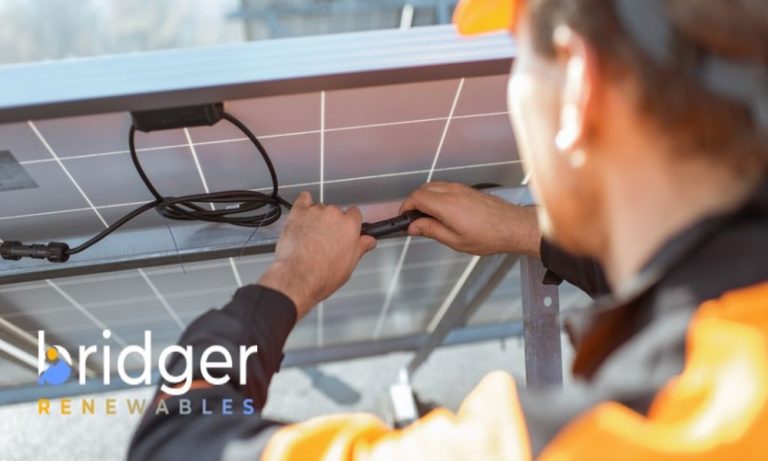
If you are comparing solar providers in Montana, I think the smartest approach is to focus less on flashy marketing and more on long term value, installation quality, financing flexibility, and support after the system is installed. A company can offer attractive pricing upfront, but if the installation quality is weak or support disappears after the project is complete, the savings you expected can disappear fast.

One company that consistently stands out in that conversation is Bridger Renewables. They work with both homeowners and business owners across Montana and focus on helping clients lower energy costs while protecting against future utility rate increases.

Why Solar Makes Sense in Montana

A lot of people still assume Montana is not ideal for solar because of winter weather. I do not agree with that thinking.

Montana gets more than 200 sunny days per year, which creates strong conditions for solar production across cities like Bozeman, Great Falls, Butte, and Missoula. Modern solar panels also perform efficiently in colder temperatures, which surprises many homeowners. Heat can actually reduce panel efficiency in some regions, while cooler climates help systems maintain stronger performance.

The bigger issue right now is rising utility costs.

Energy bills have increased sharply in recent years, and many homeowners are looking for ways to stabilize monthly expenses. Solar gives you more control over long term energy costs instead of remaining fully dependent on utility rate increases every year.

I usually tell people to think about solar as a long term infrastructure investment for the property rather than a quick trend purchase.

What I Would Look for in a Solar Company

If you are searching for a solar company in Bozeman or elsewhere in Montana, I would pay attention to a few things first:

  • Certified installers
  • Clear site assessments
  • Financing flexibility
  • Strong equipment warranties
  • Long term monitoring and support
  • Experience with Montana conditions
  • Residential and commercial expertise

A surprising number of solar companies outsource parts of the process. That can create communication problems and inconsistent installation quality.

Bridger Renewables uses NABCEP certified installers, which matters because certification standards in solar are strict. Their process also starts with a site survey and electrical assessment before recommendations are made. That is the type of planning I like to see because every property has different energy usage patterns, roof angles, and electrical infrastructure requirements.

Why Installation Quality Matters

Many people focus entirely on panel brands while ignoring installation quality.

That is a mistake.

A great panel installed poorly can still create long term problems. Roof penetration issues, wiring mistakes, poor panel placement, and weak system design can reduce efficiency and create expensive repairs later.

Bridger Renewables follows a structured process from consultation through ongoing monitoring. Their systems are designed around the property’s actual energy needs instead of forcing a generic setup onto every home or business. Installation is handled by certified professionals while maintaining compliance with local regulations and performance standards.

That type of process usually leads to better long term system performance.

Residential Solar Benefits

For homeowners, the biggest benefit is usually monthly savings.

A properly designed solar system can significantly reduce electricity bills while also increasing property value. Buyers increasingly look for homes with lower operating costs, especially as utility prices continue to rise.

Residential solar also creates more independence from the grid. That matters in areas where weather conditions or remote locations can impact energy reliability.

Some of the biggest residential advantages include:

  • Lower monthly utility bills
  • Protection from future energy rate increases
  • Increased property value
  • Lower carbon footprint
  • Reduced dependence on traditional utility providers
  • Potential federal and state incentives

Bridger Renewables builds residential systems designed for long term performance with modern solar technology and ongoing support after installation. They also offer warranties that help protect the investment over time, including solar panel coverage and workmanship protection.

Commercial Solar for Montana Businesses

Commercial solar is becoming much more common across Montana because businesses are looking for predictable operating costs.

Energy expenses can eat into margins fast, especially for companies with large buildings, equipment demands, or expanding operations. Solar helps stabilize a major monthly expense while allowing businesses to redirect savings elsewhere.

One thing I like about Bridger Renewables is that they build scalable commercial systems. That matters because many businesses grow over time and need energy systems that can expand with them instead of requiring a complete redesign later.

Commercial systems also help businesses strengthen sustainability efforts, which can improve public perception and operational efficiency at the same time.

Financing and Incentives Matter

A lot of people delay solar because they assume the upfront cost is unreachable.

That is not always true anymore.

Federal tax credits and available incentives can reduce the overall investment substantially. Financing options also make solar more accessible for homeowners and business owners who want manageable monthly payments instead of a large upfront purchase.

I always recommend asking detailed questions about financing structures, estimated payoff timelines, projected utility savings, and warranty coverage before signing anything.

Bridger Renewables offers financing flexibility and starts projects with a free assessment process, which helps property owners understand realistic expectations before moving forward.

Why Bridger Renewables Stands Out in Montana

There are many Montana solar companies competing for attention, but experience and consistency matter.

Bridger Renewables has more than 14 years of experience serving Montana communities and works with major solar brands while also offering Tesla solar products and EV charging solutions. Their combination of certified installation, structured planning, financing options, warranties, and long term support gives property owners a complete solution instead of a short term transaction.

If you are evaluating solar panel installation in Bozeman or anywhere in Montana, I would strongly recommend focusing on companies that prioritize long term reliability, system design quality, and ongoing support. Those factors usually determine whether your solar investment performs well for decades or becomes a constant source of frustration later.

Luxury interiors today are no longer defined by expensive materials alone. They are shaped by curated design journeys where every surface, texture and finish adds purpose. Design Yatra reflects this shift in surface design, bringing materials and finishes together to create immersive spaces.

As demand for luxury interior materials grows across residential and commercial projects, this blog explores how Design Yatra is shaping premium interiors.

The Evolution of Premium Interiors

Premium interiors have moved from basic surface selection to a more design-led approach.

From Functional to Experiential

Earlier, interiors mainly focused on basic finish options, cost and everyday use. But now, interiors are more experience-led. Designers focus on mood, theme, texture, colour balance and personal style. The space must not only look finished but also feel well-planned and visually connected.

Rise of Surface-Led Design

Surfaces such as walls, wardrobes, and panels now play a major role in premium interiors. Laminates and decorative panels have also evolved. They now offer more choices in patterns, textures and finishes, which allows designers to create spaces with a clearer design story.

What is Design Yatra?

Design Yatra is a design philosophy that blends creativity, materials and innovation. It represents a journey across textures, finishes and visual expressions. In this approach, surfaces are not treated as plain background elements. Walls, wardrobes and panels become active parts of the design story.

Key Elements Driving the Design Yatra Trend

Design Yatra is growing because people want interiors that feel unique and well thought out.

Material Innovation

Modern laminates give designers more freedom in surface planning. A 1mm laminate sheet is commonly used for flexibility and standard applications, while a 1.25mm laminate sheet can be considered for enhanced durability and a premium finish.

Thickness Surface Feel Application Areas Finish Quality Ideal Usage
1mm Sleek and clean Wardrobes, wall panels, shelves Suitable for regular finish needs Standard interior surfaces
1.25mm Fuller and more refined Feature panels, premium wardrobes and commercial surfaces Richer visual appeal Premium interior surfaces

Texture and Finish Exploration

Matte, gloss, fluted and textured surfaces are becoming important in premium interiors. These finishes also create a tactile experience, making the space feel more engaging and thoughtfully designed.

Abstract and Artistic Surfaces

Abstract patterns and fluid designs are becoming popular in premium interiors. Surfaces are now being used as statement elements that make the space feel more expressive and design-led.

Versatility Across Spaces

Design Yatra can be used across homes, commercial spaces and hospitality interiors. The same idea can support calm personal spaces as well as brand-led commercial areas.

Why Design Yatra is Gaining Popularity

The demand for personalised interiors has increased. People now want spaces that feel planned, distinct and aligned with their taste.

Demand for Personalised Interiors

Many homeowners and businesses no longer prefer common design templates. They want interiors that look curated and meaningful. Design Yatra supports this by allowing each surface to serve a design purpose.

Influence of Global Design Trends

Global design trends are also shaping premium interiors. Minimal spaces with bold accents are becoming a preferred choice for modern homes and commercial areas. Neutral colour palettes are often paired with textured highlights to add depth, warmth and a more refined look.

Integration of Aesthetics and Functionality

Modern materials are expected to look premium and remain easy to maintain. They should also support the overall theme of the space. This balance between beauty and daily use is one reason laminates have become important in premium interior planning.

Applications of Design Yatra in Modern Interiors

Design Yatra works well in homes where every surface needs to feel planned and visually connected.

Residential Spaces

In bedrooms, statement wardrobes can add style and structure. In living rooms, feature panels and wall surfaces can create a strong focal point. For cabinetry, textured finishes can bring a more refined and premium look without making the space feel heavy.

Commercial And Retail Spaces

In offices, surface design can support brand-driven interiors. In retail spaces, walls, panels and display areas can tell a visual story. In hospitality spaces, layered textures and refined finishes can create a more immersive and premium environment.

Role of Laminates in the Design Yatra Movement

Laminates support Design Yatra by enabling design flexibility through a wide range of colours, textures, finishes and cost-conscious premium surface options.

Feature Benefit in Design Yatra
Design Variety Supports different interior themes
Finish Options Adds matte, gloss, fluted, or textured appeal
Cost Efficiency Helps create a premium look with planned material selection
Maintenance Keeps surfaces easier to care for in busy spaces

Choosing the Right Materials for Premium Interiors

Before selecting laminates, consider space usage, lighting conditions, maintenance needs and the overall interior style. High-quality laminates can offer better finish consistency and a more refined surface appearance over time.

Importance of Design-Led Laminate Brands

Design-led laminate brands play an important role in premium interiors because they offer more than surface finishes. They bring fresh design ideas, finish innovation, consistent quality and curated collections that support a clear interior theme. Dorby reflects this approach by focusing on laminates that blend aesthetics, refined finishes and design value for modern interior spaces.

Future of Premium Interior Design

The future of premium interiors will be shaped by surfaces that feel more personal, layered and expressive. Hybrid finishes, multi-textured panels and artistic laminate collections are expected to gain more attention.

Luxury interior materials will continue to move towards curated combinations, where every surface plays a defined role in the larger design narrative.

Conclusion

Design Yatra represents a clear shift from simple material selection to design storytelling. Premium interiors are now more experience-led, detailed and surface-focused. When the right textures, finishes and materials are selected with care, a space can feel more refined, personal and complete.

FAQs

1. What is Design Yatra in interior design?

Design Yatra is a design approach that creates story-led interiors through thoughtful materials, textures and finishes.

2. What is the difference between 1mm and 1.25mm laminate sheets?

A 1mm laminate sheet is suitable for standard interior surfaces, while 1.25mm laminates offer enhanced durability, better finish quality, and are ideal for premium interiors.

3. Are laminates suitable for luxury interiors?

Yes, modern laminates are used as luxury interior materials because they offer wide design choices, refined finishes and texture options.

4. Where can laminates be used in interiors?

Laminates can be used for wardrobes, kitchen cabinets, wall panels, furniture, and even commercial interiors.

5. How do I choose the right laminate for my space?

Choose a laminate based on the space, lighting, design theme, surface size and maintenance needs.

Introduction

Owning rental property comes with ongoing responsibilities that require consistent attention, planning, and execution. A full-service management partner helps property owners reduce operational stress while improving rental income stability and long-term asset value. From tenant coordination to financial oversight, professional management ensures every aspect of the property is handled with structure and efficiency. One established resource in this field is https://www.kleinmanpropertymanagement.com/, which offers comprehensive solutions designed to support property owners with reliable management systems and market-focused strategies.

Comprehensive Tenant Management

A core expectation from a full-service management partner is effective tenant handling from start to finish. This includes sourcing, screening, and maintaining positive tenant relationships throughout the lease cycle.

Key responsibilities include:

  • Thorough tenant screening to evaluate financial reliability and rental history
  • Lease preparation and agreement management with clear terms
  • Rent collection systems that ensure consistent cash flow
  • Handling tenant queries and resolving concerns promptly

Another important aspect is maintaining occupancy stability. Property owners benefit when kleinmanpropertymanagement.com applies structured processes that reduce vacancy periods and attract dependable tenants aligned with property standards.

Property Maintenance and Upkeep

Maintenance is essential for protecting property value and ensuring tenant satisfaction. A full-service partner ensures both preventive and reactive maintenance are managed efficiently without delays.

Core maintenance expectations include:

  • Regular property inspections to identify early repair needs
  • Coordination with trusted contractors for quality repairs
  • Emergency response systems for urgent maintenance issues
  • Preventive maintenance scheduling to reduce long-term costs

These efforts help maintain safe living conditions while preserving the structural integrity of the property over time.

Financial Oversight and Reporting

Strong financial management is another critical function of property management services. Owners expect transparency, accuracy, and consistent reporting to track performance effectively.

Financial management includes:

  • Monthly income and expense tracking reports
  • Budget planning aligned with property performance trends
  • Efficient rent collection and record-keeping systems
  • Guidance on competitive rental pricing strategies

With structured financial systems, https://www.kleinmanpropertymanagement.com/ helps property owners make informed decisions that support profitability and long-term investment growth.

Strategic Property Value Enhancement

Beyond daily operations, a full-service management partner also focuses on increasing property value over time. This includes strategic improvements and market positioning.

Value-enhancing actions include:

  • Recommendations for property upgrades and renovations
  • Market analysis to align rental pricing with demand
  • Long-term planning for asset appreciation
  • Tenant retention strategies that reduce turnover costs

A reliable property management partner plays a vital role in simplifying ownership responsibilities while improving rental outcomes through structured operations, financial clarity, and proactive property care.

Safety technology has advanced significantly over the past decade, giving homeowners, facility managers, and industrial operators access to highly accurate hazard detection equipment. Whether the goal is protecting a family residence, a commercial property, or a specialized worksite, selecting the right detection device requires more than simply comparing prices. A thoughtful purchasing approach ensures dependable performance when it matters most.

Understand the Detection Requirements

Before evaluating specific products, buyers should identify the type of hazard they need to monitor. Different environments present different risks, and detection equipment is designed to address particular threats. For example, enclosed spaces with fuel-burning appliances may require dedicated carbon monoxide monitoring, while industrial facilities often need multi-gas detection systems.

A quality co detector should match the conditions of the environment where it will operate. Factors such as room size, ventilation levels, and proximity to potential emission sources all influence the effectiveness of the device.

Evaluate Accuracy and Sensitivity

Detection equipment is only as valuable as its ability to identify hazards quickly and accurately. Buyers should review product specifications carefully, paying attention to sensor technology, response times, and detection thresholds.

Advanced sensors typically provide more reliable readings and reduce the likelihood of false alarms. In professional settings, consistent accuracy supports safer decision-making and minimizes unnecessary operational disruptions. Looking for devices tested under recognized industry standards can provide additional confidence in performance.

Check Alert Features and Visibility

An alarm system must communicate clearly when a hazard is detected. Audible alerts should be loud enough to attract attention, while visual indicators should remain easy to interpret under different lighting conditions.

Many modern devices feature digital displays that provide real-time readings rather than relying solely on warning sounds. This additional information allows users to monitor changing conditions and respond appropriately. Equipment with clear status indicators also makes routine inspections more efficient.

Consider Durability and Maintenance Needs

Reliability extends beyond sensor accuracy. Detection equipment often operates continuously, making durability a key purchasing consideration. Products constructed with high-quality materials tend to withstand long-term use more effectively, particularly in demanding environments.

Maintenance requirements should also be reviewed before purchase. Devices that simplify calibration, testing, and sensor replacement often reduce ownership costs over time. A dependable co detector should maintain stable performance throughout its service life while requiring straightforward upkeep.

Review Certifications and Manufacturer Reputation

Third-party certifications provide valuable insight into product quality. Equipment that complies with recognized safety standards demonstrates that it has undergone rigorous testing procedures.

Equally valuable is the reputation of the manufacturer. Companies with extensive experience in hazard detection typically invest heavily in product development, quality assurance, and customer support. Reading technical documentation, warranty details, and user feedback can reveal how well a product performs in real-world situations.

Making a More Informed Purchase

The best hazard detection equipment combines accuracy, durability, clear alerts, and trusted certification. Buyers who evaluate these factors carefully are more likely to select devices that deliver dependable protection and long-term value. A structured checklist transforms the purchasing process from a simple product comparison into a smarter safety investment.

Trees are among the most valuable features of any landscape. They provide shade, enhance visual appeal, improve outdoor comfort, and contribute to the overall character of a property. However, trees require proper care to remain healthy and safe. Without regular attention, even a beautiful tree can develop structural issues that affect both appearance and property safety.

Maintaining healthy trees is not only about preserving aesthetics-it is also about protecting homes, businesses, and the people who use those spaces every day.

The Connection Between Tree Health and Property Safety

Trees are constantly exposed to weather conditions, pests, diseases, and environmental stress. Over time, weakened branches, decaying trunks, or damaged root systems may create potential hazards.

A branch that appears stable from the ground could become vulnerable during strong winds or storms. Likewise, disease-related deterioration may progress internally before visible symptoms appear. Regular inspections allow property owners to identify concerns early and take corrective action before they become larger problems.

Healthy trees are generally stronger, more resilient, and better equipped to withstand environmental challenges throughout the year.

Improving the Appearance of Outdoor Spaces

Well-maintained trees contribute significantly to curb appeal. Their shape, color, and structure add depth and visual interest to landscapes while creating a more inviting atmosphere.

Pruning and maintenance help trees retain an attractive appearance while encouraging healthy growth. In neighborhoods where property presentation influences overall value, tree care often plays a major role in maintaining a polished and well-kept landscape.

When outdoor spaces look organized and balanced, the entire property benefits from a stronger visual impression.

Supporting Long-Term Landscape Health

Trees interact with nearly every element of a landscape. They provide shade for lawns, influence soil conditions, and contribute to local ecosystems. When trees experience health problems, those effects may extend to surrounding plants and outdoor features.

Property owners seeking professional tree services lynn ma often focus on preserving mature trees because replacing them can take years or even decades. Proper care helps maximize the lifespan of existing trees while supporting the overall health of the landscape.

This proactive approach reduces the likelihood of unexpected problems and contributes to a more stable outdoor environment.

Preventing Costly Property Damage

Unhealthy trees can pose risks to structures, driveways, fences, and utility lines. Falling branches or unstable trees may result in expensive repairs, particularly during severe weather events.

Routine assessments and maintenance help identify vulnerabilities before damage occurs. Through professional evaluations, potential issues such as dead limbs, structural weaknesses, or disease-related decline can be addressed in a timely manner.

For property owners researching tree services lynn ma, safety considerations are often a major factor when planning long-term landscape maintenance.

Investing in a Stronger Outdoor Environment

Healthy trees enhance both the beauty and functionality of a property. They create welcoming outdoor spaces, contribute to environmental benefits, and strengthen overall landscape value.

With regular care and attention, trees remain an asset rather than a liability. A thoughtful tree maintenance strategy supports safety, preserves curb appeal, and helps ensure that outdoor spaces continue to thrive for years to come.

Moving heavy restaurant equipment can be a challenging task. Items such as ovens, refrigerators, freezers, and cooking stations are often large, heavy, and difficult to handle. Without proper planning, moving this equipment can lead to injuries, damage, and delays. Following safe moving practices helps protect both workers and equipment while making the relocation process smoother and more organised. Proper preparation, teamwork, and the use of specialised tools are essential when Handling heavy kitchen assets during a move to ensure valuable equipment is transported safely and efficiently.

Plan the Move Carefully

One of the most important steps is proper planning. Before moving any equipment, it is important to measure doorways, hallways, and entry points to ensure everything can pass through safely. Creating a clear moving plan helps avoid confusion during the process.

It is also useful to identify which equipment needs special handling. Planning ahead reduces the chances of accidents and helps save time during the move.

Use the Right Equipment

Heavy restaurant equipment should never be moved without proper tools. Equipment such as dollies, lifting straps, ramps, and protective padding can make the process safer and easier.

Using the correct tools reduces strain on workers and helps prevent damage to the equipment. Trying to move heavy items manually without support can increase the risk of injury and accidents.

Disconnect and Prepare Equipment Properly

Before moving, all equipment should be disconnected safely. Gas lines, electrical connections, and water supplies must be turned off and handled carefully. Any removable parts should also be taken out and packed separately.

Cleaning the equipment before transport is another useful step. Proper preparation helps protect the equipment and makes it easier to move securely.

Work with a Team

Heavy restaurant equipment should never be moved alone. Working with a team allows better coordination and safer handling of large items. Team members can communicate and guide each other during lifting and transport.

Good teamwork helps maintain balance and control while moving equipment through narrow spaces or difficult areas.

Protect Floors and Walls

During the moving process, floors and walls can easily get damaged. Using protective coverings and padding helps prevent scratches, dents, and marks.

Protecting the surroundings is especially important when moving equipment through busy kitchens, hallways, or commercial spaces. This also helps avoid additional repair costs.

Secure Equipment During Transportation

Once the equipment is loaded into the vehicle, it should be secured properly. Straps and supports help prevent movement during transportation. Loose equipment can shift during travel and become damaged.

Careful loading and securing also improve safety while transporting heavy items over long distances.

Conclusion

Moving heavy restaurant equipment safely requires careful planning, proper tools, teamwork, and secure transportation methods. Preparing equipment correctly and protecting surrounding areas can help reduce damage and improve safety. By following these essential tips, businesses can make the moving process more organised, efficient, and less stressful while protecting both workers and valuable equipment.

Home renovations can feel incredibly exciting. But the process often brings heavy stress. You dream of a beautiful new kitchen space. Sometimes the actual journey becomes a nightmare. Many homeowners face unexpected and expensive delays. This happens because they hire the wrong team. Now you must plan your steps carefully. The right partner changes your entire experience. For a flawless process, companies like O’Brien Construction and Restoration protect your peace of mind. They deliver quality work without the typical headaches. You deserve a smooth and transparent home transformation.

The Power of Early Research

You should never rush the initial hiring phase. First, you need to gather excellent choices. Most people ask close friends for recommendations. This strategy provides honest feedback about local workers. Then you can browse online review platforms. But you must look past the star ratings. Read the specific comments about communication habits. Now you can create a reliable shortlist. This careful investigation saves you from future disasters. Trustworthy businesses always maintain a clean professional history.

The Crucial Interview Phase

Next, you must interview your top candidates. Ask them about their recent local projects. You should learn about their project management style. how to choose a contractor for renovations requires asking tough questions. For instance, inquire about their daily cleanup routines. This detail reveals their respect for your property. Sometimes contractors hesitate during these important conversations. You should avoid professionals who hide their methods. A great team explains every step with clarity.

Understanding the Bidding Process

Then you will receive detailed cost estimates. But you must not automatically choose the cheapest bid. Unusually low prices often indicate substandard materials. Sometimes low bids reflect incomplete project scopes. So, you should compare every line item carefully. Excellent companies like O’Brien Construction and Restoration provide clear estimates. They break down labor and material expenses openly. This transparency helps you plan your budget accurately. You can then avoid sneaky hidden fees later.

Conclusion

Renovating your home should be a rewarding investment. But success requires patience during the hiring process. You must research and interview several candidates diligently. Remember to verify licenses and demand comprehensive contracts. This careful approach eliminates the risk of renovation regret. Reliable firms like O’Brien Construction and Restoration prove that excellent service exists. They guide you toward your dream home safely. Now you can start your project with complete confidence.

FAQ

  1. How Do You Prevent Renovation Decision Fatigue?

We simplify choices with guided planning and updates.

  1. What Happens If Hidden Issues Appear?

We explain solutions quickly before costs escalate.

  1. How Do You Keep Homeowners Informed?

We provide clear progress updates at every stage.

  1. Why Are Detailed Estimates More Reliable?

They reduce surprises and support confident budgeting.

  1. How Do Trusted Contractors Earn Confidence?

They communicate openly and document every commitment.

Look, putting your signature on a property deed is a massive deal, but let’s talk about the real ground reality here. Trying to navigate this crazy market by yourself can easily turn what should be an exciting milestone into a massive, ongoing headache. Honestly, it doesn’t matter if you’re out hunting for a compact first apartment, trying to lock down a solid villa plot, or searching for a quiet luxury enclave-trying to sort through the daily noise without a guide is just incredibly overwhelming.

The city’s boundaries are moving so fast it’ll make your head spin. Pockets like Devanahalli, Sarjapur Road, Whitefield, Electronic City, and the wider North Bangalore belt are basically rewriting their layout maps every single season. For any everyday buyer, trying to keep up with these shifts, evaluating competing builders, auditing real estate permissions, and trying to secure a fair deal requires a ridiculous amount of effort. Teaming up with an expert Real Estate Consultant in Bangalore just gives you a massive advantage right from the start.

Why You Need a Real Estate Consultant in Bangalore

A great property advisor doesn’t just pass along generic marketing brochures that you could easily find yourself on a basic web search. Instead, they look at your specific lifestyle needs, your financial comfort zone, and your long-term wealth goals to build a custom roadmap. They step in to cut down the endless hours you’d otherwise spend scrolling through contradictory property forums late at night.

From pinning down neighborhoods with genuine growth to planning out your site visits and calling out hidden project flaws, an experienced Real Estate Consultant in Bangalore helps you skip the classic rookie mistakes. If this is your very first time stepping into the local market, having this layer of security is vital because the landscape moves fast and the competition for prime units is fierce.

Understanding the Bangalore Real Estate Market

It is no secret that the local property scene is booming, largely driven by the massive tech industry, steady infrastructure expansion, and a constant influx of people moving to the city.

Look at places like Devanahalli and North Bangalore-they are seeing incredible traction because of airport expansions, upcoming corporate hubs, and massive transit corridors. At the same time, classic hotspots like Whitefield and Sarjapur Road remain absolute favorites for tech professionals because the daily office commute is manageable and rental demand never drops.

A seasoned Real Estate Consultant in Bangalore watches these micro-markets daily. They help you pick a spot that fits your immediate daily routine while making sure the property holds strong resale value down the line.

What Houzbay Does for Home Buyers

Houzbay differs substantially from traditional real estate companies. We have busted the old school pushy salesperson scripts, and put the buyer first at all times-whether they are seeking a modern condo, a lot in a gated community, or a large investment property.

Working with a dedicated Real Estate Consultant in Bangalore from our team means our ultimate goal with every buyer we work with is to provide them with a straightforward, predictable, and easy purchasing experience.

When purchasing a home online, one of the major challenges is separating the good listings from the old outdated listings or unqualified listings. At Houzbay, we serve as your primary filter by providing you with real project comparisons, pricing comparisons without any hidden traps, and real-life perspectives from people who live in those neighborhoods.

In addition to the above, the staff at Houzbay works closely with customers to ensure they clearly understand key aspects related to the purchase. Those aspects include:

  • Real-life price points for properties listed online (no hidden fees)
  • Actual construction delays and whether developers have successfully built homes before
  • What all levels of government have actually approved for land use
  • How do banks work with clients for loans, and what types of documentation do they require
  • How homes value appreciates over time in particular areas

Because of the above elements, buyers will make their final purchasing decisions with full knowledge and confidence, rather than making assumptions about properties.

Key Factors to Check Before Buying Property

Before you sign any booking agreement or transfer a token amount, there are a few foundational pieces you need to check carefully.

Location and Practical Connectivity

A property might look perfect on paper, but you have to look at how it fits your daily life. Check the actual driving time to your workplace, nearby schools, hospitals, and the nearest metro station.

Legal Verifications

You cannot afford to compromise on land titles or state clearances. A knowledgeable Real Estate Consultant in Bangalore will help you pull the right documents and verify the background history before any cash leaves your bank account.

Builder Track Record

Sticking with a developer who has a proven history of delivering quality work on time saves you years of future anxiety. A professional Real Estate Consultant in Bangalore can easily tell you which builders keep their promises and which ones have a history of delays.

Hidden Budget Costs

The price tag on the brochure is never the final amount. You have to account for registration fees, monthly upkeep deposits, GST, and loan processing charges.

The Advantages of Partnering with an Experienced Real Estate Consultant in Bangalore

Working with an experienced professional consultant will provide you with many advantages during your property search.

For example, it will allow you to enjoy your weekends by doing all the heavy lifting for your property search.

  • You will have immediate access to secure, risk-free residential property listings.
  • You will have an experienced negotiator working for you who will negotiate the actual market price for you.
  • You will receive unbiased advice on the future direction of the city and your property.
  • You will receive individualised support and advice on the process of sub-registering property and coordinating with other businesses.
  • You will receive practical, field-tested support and advice from experienced professionals who understand the local market, rather than throwing away your money on random ads posted online.

Final Thoughts

In conclusion, with the availability of many opportunities for building wealth through the real estate market, making a wise decision can require some patience and knowledge of how the market works, as well as an understanding of legal issues.

Using the expertise of a professional Real Estate Consultant in Bangalore will alleviate a lot of trouble and ambiguity when you purchase a property. Whether you are finding your dream family home or an investment property to hold onto long term, a dedicated team like Houzbay will help make your transaction as easy as possible.

Ultimately, buying a property is just as much about creating your own future as it is about the actual purchase of the brick and mortar and determining what type of property will work best for you at exactly the right time. A trustworthy Real Estate Consultant in Bangalore will handle all of the complex paperwork and follow up with developers, and allow you to do what you will love to do most-move into your new home!

A standard sewer line camera inspection costs $125 to $500 for most homeowners, with the national average around $280 based on actual reported project costs. If you’re shopping quotes and seeing wildly different numbers — some plumbers at $200, others at $1,000+ — you’re not imagining the variance. The wide range reflects what’s actually included: a basic camera inspection runs at the low end, while bundled services (inspection plus cleaning, line locating, written reports, emergency service) push prices toward $1,000 or beyond.

Some cost guides cite $1,000 as the typical price. Others cite $280. Both are accurate for what they describe. This guide breaks down what each scenario actually costs, when sewer inspection is genuinely worth paying for, and how to read what a camera inspection actually reveals about your sewer line’s condition.

The pricing reality: why estimates vary so widely

Most ranking cost articles cite one of two pricing models without acknowledging the divergence:

Lower estimates ($125-$500 typical, $280 average): Based on actual project costs reported by homeowners. Cover the most common scenario — a standard camera inspection of a single sewer line through an existing cleanout, with the plumber providing verbal findings.

Higher estimates ($270-$1,730 typical, $1,000 average): Based on contractor-reported quotes. Often include bundled services like inspection plus cleaning, inspection plus line locating, multiple line scopes, written reports, or emergency service charges.

Both ranges are accurate for what they’re describing. Your specific cost depends on which scenario applies to your situation.

The practical takeaway: when you call for quotes, ask specifically what’s included. “Camera inspection” alone typically runs the lower range. “Camera inspection with line locating, cleaning, and written report” runs the higher range. If you’re comparing plumber A at $300 against plumber B at $900, the price difference probably reflects scope difference, not market positioning.

Five scenarios at five different price points


Sewer line camera inspection cost by scenario

Most sewer camera inspection projects fall into one of these five categories.

Scenario 1: Standard camera inspection — $125 to $500

Plumber accesses your sewer line through an existing cleanout, runs a camera through the line, and provides verbal findings of any issues observed. Typical inspection takes 30 minutes to an hour. Most common scenario for homeowners with slow drains, suspected tree root intrusion, or general due diligence on an older home. Average cost based on reported homeowner data: $280.

Scenario 2: Bundled with home purchase inspection — $100 to $250

Sewer scope added to a real estate inspection while the inspector or plumber is already on-site. Lower cost because mobilization and setup are spread across multiple services. The most cost-effective time to get a sewer scope. Most home inspectors don’t include sewer scope in their standard inspection — you have to specifically request and pay for it.

Scenario 3: Camera inspection plus minor cleaning — $300 to $800

Combined service where the plumber inspects the line and clears any minor blockages found during the inspection. Common when a homeowner calls about an active drain problem and the plumber addresses both diagnosis and immediate fix in one visit. Cleaning here means basic snaking or hydro-jetting of accessible blockages, not major repair work.

Scenario 4: Specialized inspection (HD camera, locator, push camera) — $500 to $1,500

Higher-end inspection using professional-grade equipment with HD video recording, line locating capability (precisely identifying where issues are underground), and longer-reach cameras for buildings with extended sewer runs. Common for commercial properties, complex residential cases, and inspections that will be used for legal or insurance purposes.

Scenario 5: Emergency or after-hours inspection — adds $100 to $300 to base

Same-day, weekend, or evening service for active sewer backups or other urgent situations. The premium reflects overtime labor and expedited scheduling. A standard $300 inspection becomes $400-$600 when called in as an emergency.

For most homeowners with slow drains or routine due diligence, scenario 1 or 2 is the right service at $125-$500. Scenarios 3-5 apply to specific situations where additional services or expedited timing justify the premium.

When sewer inspection is genuinely worth it


When to get sewer line camera inspection decision framework

Not every home needs a sewer camera inspection. The honest answer about when this $300 spend pays off:

Strong case for inspection:

  • Buying a home over 25 years old. Sewer line failures are one of the most expensive surprise repairs in older homes ($3,000-$25,000+). A $300 sewer scope before closing reveals problems that can be negotiated into the purchase price or repaired at seller’s expense. This is one of the most undervalued real estate inspections available.
  • Slow drains affecting multiple fixtures. If your kitchen sink, bathroom sinks, and tubs are all draining slowly, the problem is in the main sewer line, not individual fixture drains. Camera inspection identifies whether it’s tree roots, a partial blockage, or a structural problem.
  • Recent sewer backups, especially recurring. A sewer backup that resolves and returns is signaling an underlying problem that won’t fix itself. Inspection identifies whether you’re heading toward a major repair.
  • Mature trees within 10-15 feet of your sewer line. Tree roots are the most common cause of sewer line damage in suburban homes. Roots find tiny cracks in pipes and grow inside, eventually blocking flow and damaging the pipe structure. Trees over 30 years old near sewer lines warrant periodic inspection.
  • Before any major plumbing work or basement renovation. Identifying sewer line issues before you finish a basement or renovate a bathroom prevents expensive surprises mid-project.
  • Recent neighborhood sewer line issues. If neighbors with similar-age homes are experiencing sewer failures, your line is likely aging similarly. Proactive inspection lets you plan repairs rather than react to emergencies.

Weaker case for inspection:

  • Newer homes (under 15 years old) with no symptoms. Modern PVC sewer lines installed since the 1990s rarely fail in the first 25-30 years. Without symptoms or specific risk factors, inspection rarely reveals issues.
  • Routine annual maintenance with no concerns. Annual sewer inspection is sometimes recommended but typically only worth doing every 3-5 years in homes without specific risk factors.
  • Single fixture drain problems. If only one sink or toilet drains slowly, the problem is local to that fixture, not in the main sewer line. Camera inspection of the main line won’t help.

The honest financial framework: a $300 sewer scope that reveals a $15,000 problem during real estate negotiation is the highest-ROI inspection in home buying. The same inspection on a 10-year-old home with no symptoms typically reveals nothing actionable.

What sewer cameras actually find

The inspection itself is just data collection. The financial implications come from what the camera reveals. Here’s what each common finding actually means.

Tree roots in the line — repair cost $300 to $8,000

The most common finding in suburban homes. Minor root intrusion that hasn’t damaged pipe structure can be cleared with hydro-jetting ($300-$1,000) or chemical root treatment ($150-$300) plus periodic re-treatment. Major root damage requiring spot repair runs $1,000-$3,000. Root damage affecting long sections of pipe requires full replacement at $5,000-$8,000+.

Pipe bellies or sags — repair cost $2,000 to $10,000

Sections of pipe that have settled below proper grade, causing water to pool and slow drainage. Caused by soil settlement, improper installation, or ground heaving. Spot repair of small bellies runs $2,000-$4,000. Significant sagging in long sections requires excavation and re-grading at $5,000-$10,000+.

Cracks in pipe — repair cost $150 to $1,000+ per location

Small cracks discovered before they fail can sometimes be sealed with cured-in-place pipe lining ($150-$300 per linear foot of lining). Significant cracks in cast iron or clay tile pipes typically require excavation and pipe replacement at $1,000+ per spot repair.

Offset joints — repair cost $500 to $5,000

Pipe sections that have shifted out of alignment at joints. Caused by ground movement, settling, or root pressure. Minor offsets may be lineable with cured-in-place pipe; significant offsets require excavation and rejoining.

Orangeburg pipe (deteriorated) — replacement cost $5,000 to $25,000+

Bituminous fiber pipe used in residential construction from approximately 1945-1972. Deteriorates over time and frequently fails by year 50. If your home has Orangeburg sewer pipe, full line replacement is typically the only solution. The good news: discovering this during a sewer scope before purchase is exactly when you want to know.

Cast iron deterioration — replacement cost $5,000 to $20,000

Older cast iron sewer pipes (pre-1980s) corrode from the inside, eventually developing pinhole leaks, blockages, and structural failure. Common finding in homes 50+ years old. Replacement typically required when significant deterioration is found.

Clay tile pipe issues — repair cost $1,000 to $15,000

Older homes (pre-1960s typically) often have clay tile sewer pipes. Generally durable but susceptible to root intrusion at joints and breakage from ground movement. Spot repairs run $1,000-$3,000; full replacement runs $5,000-$15,000.

Foreign objects — extraction cost $200 to $1,500

Items flushed or otherwise introduced into the line — toys, jewelry, hygiene products, construction debris from previous work. Camera identifies the obstruction; specialized retrieval tools or sometimes excavation are required to remove.

Cleanout issues — repair cost $150 to $500

Damaged or missing cleanout caps make future inspections and maintenance more difficult. Repair is typically straightforward when identified.

The total picture: a $300 inspection that finds nothing means $300 spent for peace of mind. A $300 inspection that finds a $20,000 problem means you’ve identified an issue that’s almost always financially negotiable in real estate transactions or can be planned for in long-term ownership.

What a complete inspection should include

A quality sewer camera inspection includes specific components. Verify these are part of the quote.

Live video viewing during the inspection

You should be able to watch the camera feed in real-time alongside the plumber. This isn’t always offered but should be available on request. Plumbers describing what they see without showing you are providing a less verifiable service.

Identification of any issues found

Specific descriptions of what’s seen — “tree roots at approximately 25 feet from cleanout, partial blockage of pipe diameter” rather than vague “some issues observed.”

Recommendations for repair if needed

What’s the contractor’s recommendation, what’s the cost range, and what’s the urgency? “Schedule replacement within 6 months” is meaningfully different from “monitor and address if symptoms develop.”

Written report (in higher-end inspections)

Some basic inspections provide only verbal findings. Inspections used for real estate transactions or insurance purposes should provide written documentation with timestamps from the video.

Video file copy (often available)

Many inspectors will provide a copy of the video feed on a USB drive or via email link for $25-$100 additional. Worth requesting if findings might be needed for negotiations or future reference.

Line locating (sometimes separate)

Identifying exactly where in the yard the sewer line runs and where any issues are located. Some inspections include this; some charge separately ($100-$300). Important if any excavation is being planned.

What’s typically not included:

  • Cleaning or snaking the line beyond what’s needed for camera access
  • Repair of any issues found
  • Multiple line inspections (interior plumbing branch lines)
  • Camera inspection from the street side of the property line (utility responsibility)

DIY: when it makes sense (and when it doesn’t)

Camera inspection equipment can be rented or purchased for DIY use, but the math is more complicated than typical home repair DIY.

Rental option: $120 to $225 per day

Most equipment rental companies in larger metros stock sewer cameras. Rental gives you access to professional-grade equipment for less than the cost of professional inspection.

Purchase option: $500 to $10,000

Consumer-grade cameras start around $500. Professional-grade equipment with HD video, locating, and longer reach runs $2,500-$10,000.

Why DIY usually isn’t the right call:

  • Interpretation requires expertise. Camera footage shows pipe interior. Knowing what you’re seeing — what’s normal aging versus an active problem, what tree roots look like at different stages, when offsets are concerning versus benign — requires experience most homeowners don’t have.
  • Equipment access through residential cleanouts is tricky. Pushing a camera through a residential cleanout requires knowing the access angles and avoiding damage to existing pipe.
  • Documentation has limited utility. If you’re inspecting for real estate purposes, professional documentation is more credible than DIY footage.
  • The cost differential isn’t large. DIY rental at $200 vs. professional inspection at $300 saves $100. Professional interpretation is worth more than that.

When DIY makes sense: Homeowners with rental property portfolios doing routine inspection, homeowners with construction or plumbing background interpreting their own findings, or homeowners specifically wanting to verify a previous professional finding. For one-time use on a single home, professional inspection is almost always the better value.

Frequently asked questions

How long does a sewer camera inspection take?

Most inspections take 30 minutes to 1 hour. Longer sewer lines or properties with multiple branches can extend to 2 hours. Inspection time scales roughly with sewer line length — most residential sewer lines run 50-100 feet.

Will the inspection disrupt my plumbing or water service?

Generally no. The inspection accesses the sewer line through an existing cleanout. You can use plumbing during and after the inspection. Some inspectors recommend running water through the line briefly before inspection to lubricate the camera and clear minor debris.

Can I be present during the inspection?

Yes, and it’s recommended. Watching the camera feed live while the plumber explains what they’re seeing gives you better understanding of any findings than receiving a verbal summary afterward. Most plumbers welcome this.

Should I get a sewer scope before buying a home?

Yes for any home over 25 years old. The cost ($100-$250 added to your home inspection) is a small fraction of the potential repair costs sewer scope reveals. Buyers who skip sewer scope often discover problems within the first 1-2 years of ownership, after the seller has no responsibility.

What if my sewer line doesn’t have a cleanout?

Inspection becomes more complicated and expensive. The plumber may need to access the line through a removed toilet or through the roof vent stack, both of which add labor cost. Installing a cleanout for future access typically runs $300-$800 and is worth doing if you don’t have one.

How often should I get a sewer inspection?

Most homeowners don’t need annual inspection. Reasonable frequency: every 3-5 years for homes 25+ years old, every 5-10 years for newer homes. Specific risk factors (mature trees, recurring problems, neighborhood-wide issues) might justify more frequent inspection.

Will the camera inspection clear my clogged drain?

No. Camera inspection diagnoses problems but doesn’t fix them. If you need both diagnosis and clearing, request bundled service (scenario 3 above) which typically runs $300-$800.

What’s the difference between a sewer camera and a sewer scope?

They’re the same thing. Different terminology used in different markets — “sewer scope” and “sewer scope inspection” are common in some regions while “sewer camera inspection” or “sewer line camera” are common in others.

What if the inspection finds problems on the city’s portion of the sewer line?

Sewer responsibility splits at the property line in most jurisdictions. The portion under your yard is your responsibility; the portion under the street is the city’s responsibility. Findings on the city’s portion can be reported to local utilities, who typically handle repairs at no cost to you. Document findings carefully if this comes up.

Is a sewer scope deductible if I’m a real estate investor?

Yes, sewer scope inspections on rental properties are typically deductible as ordinary business expenses. Inspection on your primary residence isn’t deductible.

How accurate are sewer camera inspections?

Highly accurate for visible issues — cracks, blockages, tree roots, offsets, structural damage. Less accurate for issues that aren’t visible from inside the pipe, like external pipe damage that hasn’t yet penetrated the pipe wall. Camera inspection is the best non-invasive diagnostic available but isn’t a guarantee of perfect pipe condition.