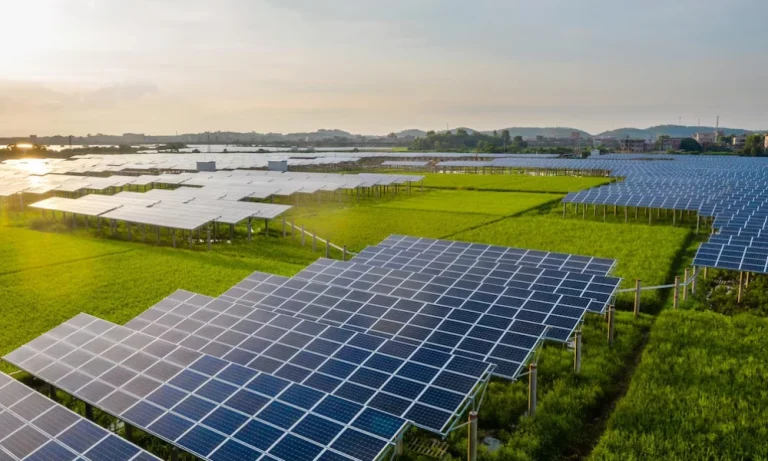
Solar energy generation is typically strongest when sunlight is available during the day, while household electricity demand can continue into the evening and other periods when solar production is lower. Solar batteries Perth households use can provide a way to store some of the electricity generated by a solar system for later use. Understanding how storage works alongside solar generation can help explain how electricity can be managed within a property.
Understanding Solar Energy Generation
Solar panels generate electricity when sunlight reaches their photovoltaic cells. The amount of electricity produced can change throughout the day because of sunlight intensity, weather conditions, shading, panel orientation, and other factors.
During periods of strong solar production, the electricity generated may be greater than the property’s immediate demand. Without storage, surplus electricity may be exported to the grid or managed according to the property’s existing energy arrangement.
Why Energy Storage Matters
Energy storage provides another way to manage electricity generated during periods of solar production. Instead of requiring all generated electricity to be used immediately, some of the available energy can be stored for later use.
This can help align solar generation with household electricity demand. For example, electricity generated during the middle of the day can potentially remain available for use during the evening, when solar panels are no longer producing electricity.
How Solar Batteries Store Electricity
A solar battery receives electricity generated by the solar system and stores it for later use. The battery system works with other components, including the solar panels and inverter, to manage the movement of electricity.
When the battery is charging, available electricity is directed into the storage system. The battery’s capacity determines how much energy it can hold, while its operating characteristics influence how that stored energy can be used within the property.
Using Stored Energy After Solar Production
When solar production decreases, stored electricity can be supplied to household appliances and other electrical loads. This can allow energy generated earlier in the day to remain useful after sunlight becomes unavailable.
The way stored electricity is managed depends on the system configuration and household energy requirements. A battery may be programmed or managed to charge and discharge according to specific operating conditions.
Factors That Affect Battery Capacity
Battery capacity is an important consideration when evaluating energy storage. The required capacity can depend on household electricity consumption, solar system size, daily energy patterns, and the amount of electricity intended for storage.
Battery performance can also be influenced by operating conditions, charging and discharging patterns, and the characteristics of the equipment. Understanding these factors can help establish realistic expectations about available stored energy.
Considering Storage as Part of a Solar System
Battery storage should be considered alongside the rest of the solar system rather than as an isolated component. Solar panels, inverters, batteries, electrical connections, and monitoring equipment need to work together as part of the overall setup.
Households can assess their energy consumption and solar generation patterns to determine how storage may fit into their electricity arrangements. This approach can provide a clearer understanding of how stored energy could be managed throughout the day.
Managing Solar Energy Across Different Periods
Battery storage changes how solar-generated electricity can be used by creating an opportunity to retain energy for periods when solar production is lower. Considering generation, storage capacity, household demand, and system configuration together can help properties make more practical use of solar electricity throughout different times of the day.
If you are comparing solar providers in Montana, I think the smartest approach is to focus less on flashy marketing and more on long term value, installation quality, financing flexibility, and support after the system is installed. A company can offer attractive pricing upfront, but if the installation quality is weak or support disappears after the project is complete, the savings you expected can disappear fast.
One company that consistently stands out in that conversation is Bridger Renewables. They work with both homeowners and business owners across Montana and focus on helping clients lower energy costs while protecting against future utility rate increases.
Why Solar Makes Sense in Montana
A lot of people still assume Montana is not ideal for solar because of winter weather. I do not agree with that thinking.
Montana gets more than 200 sunny days per year, which creates strong conditions for solar production across cities like Bozeman, Great Falls, Butte, and Missoula. Modern solar panels also perform efficiently in colder temperatures, which surprises many homeowners. Heat can actually reduce panel efficiency in some regions, while cooler climates help systems maintain stronger performance.
The bigger issue right now is rising utility costs.
Energy bills have increased sharply in recent years, and many homeowners are looking for ways to stabilize monthly expenses. Solar gives you more control over long term energy costs instead of remaining fully dependent on utility rate increases every year.
I usually tell people to think about solar as a long term infrastructure investment for the property rather than a quick trend purchase.
What I Would Look for in a Solar Company
If you are searching for a solar company in Bozeman or elsewhere in Montana, I would pay attention to a few things first:
Certified installers
Clear site assessments
Financing flexibility
Strong equipment warranties
Long term monitoring and support
Experience with Montana conditions
Residential and commercial expertise
A surprising number of solar companies outsource parts of the process. That can create communication problems and inconsistent installation quality.
Bridger Renewables uses NABCEP certified installers, which matters because certification standards in solar are strict. Their process also starts with a site survey and electrical assessment before recommendations are made. That is the type of planning I like to see because every property has different energy usage patterns, roof angles, and electrical infrastructure requirements.
Why Installation Quality Matters
Many people focus entirely on panel brands while ignoring installation quality.
That is a mistake.
A great panel installed poorly can still create long term problems. Roof penetration issues, wiring mistakes, poor panel placement, and weak system design can reduce efficiency and create expensive repairs later.
Bridger Renewables follows a structured process from consultation through ongoing monitoring. Their systems are designed around the property’s actual energy needs instead of forcing a generic setup onto every home or business. Installation is handled by certified professionals while maintaining compliance with local regulations and performance standards.
That type of process usually leads to better long term system performance.
Residential Solar Benefits
For homeowners, the biggest benefit is usually monthly savings.
A properly designed solar system can significantly reduce electricity bills while also increasing property value. Buyers increasingly look for homes with lower operating costs, especially as utility prices continue to rise.
Residential solar also creates more independence from the grid. That matters in areas where weather conditions or remote locations can impact energy reliability.
Some of the biggest residential advantages include:
Lower monthly utility bills
Protection from future energy rate increases
Increased property value
Lower carbon footprint
Reduced dependence on traditional utility providers
Potential federal and state incentives
Bridger Renewables builds residential systems designed for long term performance with modern solar technology and ongoing support after installation. They also offer warranties that help protect the investment over time, including solar panel coverage and workmanship protection.
Commercial Solar for Montana Businesses
Commercial solar is becoming much more common across Montana because businesses are looking for predictable operating costs.
Energy expenses can eat into margins fast, especially for companies with large buildings, equipment demands, or expanding operations. Solar helps stabilize a major monthly expense while allowing businesses to redirect savings elsewhere.
One thing I like about Bridger Renewables is that they build scalable commercial systems. That matters because many businesses grow over time and need energy systems that can expand with them instead of requiring a complete redesign later.
Commercial systems also help businesses strengthen sustainability efforts, which can improve public perception and operational efficiency at the same time.
Financing and Incentives Matter
A lot of people delay solar because they assume the upfront cost is unreachable.
That is not always true anymore.
Federal tax credits and available incentives can reduce the overall investment substantially. Financing options also make solar more accessible for homeowners and business owners who want manageable monthly payments instead of a large upfront purchase.
I always recommend asking detailed questions about financing structures, estimated payoff timelines, projected utility savings, and warranty coverage before signing anything.
Bridger Renewables offers financing flexibility and starts projects with a free assessment process, which helps property owners understand realistic expectations before moving forward.
Why Bridger Renewables Stands Out in Montana
There are many Montana solar companies competing for attention, but experience and consistency matter.
Bridger Renewables has more than 14 years of experience serving Montana communities and works with major solar brands while also offering Tesla solar products and EV charging solutions. Their combination of certified installation, structured planning, financing options, warranties, and long term support gives property owners a complete solution instead of a short term transaction.
If you are evaluating solar panel installation in Bozeman or anywhere in Montana, I would strongly recommend focusing on companies that prioritize long term reliability, system design quality, and ongoing support. Those factors usually determine whether your solar investment performs well for decades or becomes a constant source of frustration later.
A solar pool heater costs $2,500 to $7,500 installed for most homeowners, with the national average around $4,500. Smaller systems on smaller pools start as low as $1,500. Premium systems with name-brand panels, freeze protection, and 20-year warranties can reach $12,000. The wide range reflects three real differences — collector type (glazed vs. unglazed), system size (matched to your pool), and whether you’re paying for premium components and professional installation or going with a basic DIY-friendly setup.
The bigger question for most homeowners isn’t what a solar heater costs — it’s whether it’s worth buying at all. Solar pool heaters work brilliantly in sun-rich climates with long pool seasons. They work poorly in cloudy climates with short seasons. The “two to three year payback” figure that appears across cost articles is real for some homeowners and misleading for others, depending entirely on how you currently heat your pool. This guide breaks down what each system type actually costs, when solar makes financial sense, and how to compare it honestly to gas and electric heat pump options.
Three system scenarios, three different price points
Solar pool heater cost by system type
Solar pool heating systems fall into three categories at different price points.
Scenario 1: DIY-friendly unglazed mat system — $1,500 to $3,500
Polypropylene mats laid on a roof, ground rack, or fence. The pool’s existing pump pushes water through the mats, where the sun warms it before returning it to the pool. Cheapest option. Best for warm climates with long sun exposure where high efficiency isn’t critical. DIY installation is genuinely possible for homeowners with basic plumbing skills. Mat lifespan typically 10-15 years.
Scenario 2: Standard glazed collector system, professional install — $2,500 to $6,500
Glass-covered solar collectors with copper or aluminum tubing inside. More efficient than unglazed mats, especially in cooler weather. Professional installation includes mounting, plumbing connections to the pool circulation system, an automatic controller that activates the heater when sun is available and pool temperature is below target, and any necessary roof or rack work. Most homeowners land here. System lifespan typically 15-25 years.
Scenario 3: Premium branded system — $6,500 to $12,000
Name-brand systems from Heliocol, Thermax, FAFCO, or similar manufacturers, with extended warranties (12-20 years on panels, sometimes lifetime), freeze protection for cold-climate use, and integrated automation. Higher upfront cost; significantly longer expected lifespan and more reliable cold-weather operation. Best for primary residences in marginal climates or homeowners who want minimal maintenance for decades.
The Angi national average sits at $4,500, which falls squarely in scenario 2. EnergySage’s $2,500-$6,500 range covers scenarios 1 and 2. Heliocol-specific pricing of $6,500-$7,000 lands at the entry point of scenario 3. The right number for your situation depends on which system level matches your needs and climate.
Glazed vs. unglazed collectors
The single biggest technical decision is collector type. Most pieces present this as a preference; it’s actually a climate-driven decision.
Unglazed collectors (polypropylene mats or panels) — typically $20-$25 per square foot of collector area
Black plastic with internal water channels. No glass cover. Cheaper to manufacture and install. Highly efficient on warm sunny days. Less efficient when ambient air temperature is below 75°F because heat escapes from the open surface. Best for warm climates (Florida, Texas, Arizona, southern California, Hawaii) and for use during peak summer months only.
Glazed collectors (glass-covered) — typically $30-$40 per square foot of collector area
Glass-covered panels with copper or aluminum tubing inside. The glass traps heat the way a greenhouse does, allowing efficient operation even in cooler weather. More expensive to manufacture and install. Best for moderate climates (Carolinas, mid-Atlantic, Pacific Northwest, northern California, Mountain West) and for extending the swimming season into spring and fall.
For a typical residential pool, you need solar collector area equal to roughly 50-100% of pool surface area. A 14×28 pool (392 sqft) needs 200-400 sqft of collectors. At $20-$40 per square foot, that’s $4,000-$16,000 just for collector hardware before installation labor.
The honest summary: in Florida and similar climates, unglazed mats are the right choice unless you specifically want shoulder-season use. In moderate climates, glazed collectors justify their cost premium. In cold climates with snow exposure, glazed collectors with proper freeze protection are the only viable option.
When solar makes financial sense (and when it doesn’t)
Most cost articles cite a “2 to 3 year payback period” for solar pool heaters. This is sometimes true and frequently misleading. The honest math depends on five variables.
What you currently spend on pool heating
A homeowner spending $2,000 per year on gas heating recovers a $4,500 solar investment in roughly 2.5 years. A homeowner who currently doesn’t heat their pool at all has a “payback” of infinity in pure dollar terms — the solar heater extends the swimming season but doesn’t replace any spending.
Your climate
A solar heater in Phoenix produces 250+ days of useful heat per year. The same system in Seattle produces maybe 100 days. The annual heating value of the system varies 2-3x by climate, which dramatically affects payback math.
Your pool size
Larger pools require larger solar systems but also have more water to heat. The system-to-pool size relationship is roughly linear, so payback math doesn’t change much based on size — but absolute upfront costs scale with pool surface area.
Your existing heating setup
Replacing a gas heater you currently use saves significant money (gas heating runs $300-$500 per month during use). Replacing an electric heat pump saves moderate money ($150-$300 per month). Adding solar to an unheated pool saves nothing on utility bills.
Solar incentives in your area
Federal solar tax credit (30% through 2032) and state-specific rebates can reduce effective system cost by 30-50% in some jurisdictions. The credit applies to solar pool heaters but is often missed by homeowners who don’t know it qualifies.
Realistic payback estimates by scenario:
Florida homeowner currently using gas heat: 2-3 years
Florida homeowner currently unheated: Infinite in pure dollars; pays back in extended swimming season
Texas homeowner currently using electric heat pump: 3-5 years
Pacific Northwest homeowner with marginal sun exposure: 7-12 years or never
Cold climate with seasonal use only: Generally not financially justified
The honest framework: solar pool heating is a strong financial decision in sunny climates where you’re already heating the pool. It’s a lifestyle decision (extending swim season) in climates where you don’t currently heat. It’s typically not a strong financial decision in cloudy or cold climates regardless of current heating method.
Solar vs. gas vs. electric heat pump
Solar vs gas vs electric heat pump 10-year cost comparison
For a homeowner weighing heating options, the honest comparison runs across upfront cost, operating cost, and 10-year total cost.
Solar thermal: Upfront $2,500-$7,500. Operating cost $50-$150 per year (just pump electricity). 10-year cost $3,000-$9,000 typical. Best when sun exposure is good and existing pump can run extra hours.
Gas heater: Upfront $1,500-$4,000. Operating cost $1,500-$4,000 per year depending on use and gas prices. 10-year cost $16,500-$44,000 typical. Best when fast heating is needed and operating cost isn’t the priority. Disadvantages: cost climbs with gas prices, environmental impact, and shorter equipment lifespan (7-12 years).
Electric heat pump: Upfront $3,500-$8,000. Operating cost $700-$2,000 per year. 10-year cost $10,500-$28,000 typical. Best in moderate climates where ambient air temperature stays above 50°F most of the swimming season. Disadvantages: doesn’t work efficiently in cool weather, cost climbs with electricity prices.
The 10-year math heavily favors solar in suitable climates
A solar system at $4,500 with $1,000 in lifetime operating cost ($5,500 total) versus a gas heater at $2,500 upfront with $25,000 in operating costs ($27,500 total) is a $22,000 difference over a decade.
The 30-year math favors solar even more
Gas heaters typically need replacement at 8-12 years. Electric heat pumps last 10-15 years. Solar systems last 20-25 years. By year 30, you’ve likely replaced the gas heater 2-3 times and the heat pump twice while still running the original solar system.
Roof considerations
Most solar pool heaters mount on a roof — typically the south-facing slope for maximum sun exposure. This creates considerations homeowners should understand before committing.
Roof condition matters
Solar collectors should be installed on roofs with at least 15-20 years of remaining life. Installing a 25-year solar system on a 10-year-old roof means removing the panels in 5-10 years for re-roofing, then reinstalling. The removal/reinstall costs $1,500-$4,000 — meaningful enough that some homeowners replace the roof first.
Roof orientation
South-facing slopes deliver the most sun exposure. East or west-facing slopes work but with reduced efficiency (typically 80-90% of optimum). North-facing slopes don’t work for solar pool heating in the northern hemisphere — too little sun.
Roof slope
Steep slopes (steeper than 45°) work best for cold-climate winter use. Moderate slopes (15-30°) work best for warm-climate summer use. Most residential roofs fall in the moderate range, which is fine for typical pool heating applications.
Alternative mounting
If your roof isn’t suitable, ground-mounted racks, fence-mounted systems, or pool-equipment-area installations are options. Ground mounting requires more space but avoids roof considerations entirely.
Roof penetrations
Most systems require some roof penetrations for mounting hardware and plumbing. These are sealed but represent potential leak points. Heliocol’s clamp system is one of the few that mounts without roof penetration; if leak risk is a concern, ask about no-penetration options.
Solar thermal vs. solar PV for pool heating
These are different technologies often confused.
Solar thermal (this article’s topic): Direct heating of pool water using sun-warmed collectors. Highly efficient — converts roughly 70-80% of sunlight to useful heat. Single-purpose: heats your pool. Cost $2,500-$7,500 typical.
Solar photovoltaic (PV) powering an electric heat pump: Solar panels generate electricity, which runs a conventional electric heat pump. Less efficient end-to-end (PV panels convert ~20% of sunlight to electricity, heat pump converts that to heat). Multi-purpose: PV panels can power the home’s other electrical needs. Cost much higher upfront ($15,000-$30,000+ for sufficient PV capacity) but provides whole-home electricity benefits.
For pool heating specifically, solar thermal is generally the more cost-effective choice because of the efficiency advantage. For homeowners adding solar PV anyway for whole-home electrification, using PV-generated electricity for an existing or new heat pump can make sense as part of a larger energy strategy.
Maintenance reality
Solar pool heating systems are low-maintenance compared to gas or electric heaters but not zero-maintenance.
What requires occasional attention:
Visual inspection of collectors annually for damage from hail, debris, or UV degradation
Checking automatic controller calibration every 2-3 years
Plumbing connection inspection for leaks
Freeze protection verification before winter (in cold climates)
Replacement of failed sensors or controllers ($150-$500 if needed)
What can fail and what it costs:
Polypropylene mat damage: typically $400-$1,200 to replace damaged sections
Glazed panel cracking: $200-$800 per panel for replacement
Controller failure: $150-$500 for replacement unit
Pump issues: not specific to solar heating, same as any pool circulation issue
Annual maintenance cost expectation: $50-$150 if everything is working correctly. $400-$1,500 if components need replacement, which typically happens once or twice over the system’s 20-year lifespan.
For comparison: gas heaters typically require $150-$300 annual service plus $1,000-$3,000 in major repairs over their 10-year lifespan. Electric heat pumps require $100-$250 annual service plus similar major repair patterns.
Permits, codes, and HOA considerations
Three checks before installation.
Permits
Most jurisdictions require electrical permits for the controller installation. Some require plumbing permits for the pool circulation modifications. Some require structural review for roof-mounted systems. Permit costs range from $100-$500 typically.
HOA approval
Many homeowners associations have rules about visible solar installations. Federal solar rights laws prevent HOAs from outright banning solar (in most states), but they can dictate placement and aesthetic requirements. Verify approval before signing a contract.
Tax credits and incentives
The federal solar investment tax credit (30% through 2032) applies to solar pool heaters as well as solar electric. State and local incentives vary widely. Database of State Incentives for Renewables and Efficiency (DSIRE) is the standard resource for current incentives. Worth investigating before purchase — incentives can reduce effective system cost by 30-50%.
Frequently asked questions
How long does solar pool heater installation take?
Typical residential installation takes 1 to 3 days. Roof-mounted systems take longer than ground or fence-mounted. Initial system commissioning and controller setup adds another half day. Most installations are completed within a week of contract signing depending on contractor scheduling.
Will a solar heater extend my swimming season?
Yes, that’s the primary benefit in most climates. A solar heater typically extends the comfortable swimming season by 2-4 months in temperate climates — adding April-May at the start and September-October at the end. In sun-rich climates with already-long seasons, it adds smaller season extensions but reduces existing heating costs significantly.
Can solar heat my pool to a specific temperature?
Solar systems heat to a temperature ceiling determined by sun availability, water temperature, and outside air temperature. A typical solar heater can maintain pool temperature 10-15°F warmer than ambient water temperature would otherwise be. In hot climates this means 85-90°F pool water; in moderate climates 78-82°F is typical. Solar can’t override physics — on cloudy days the system produces little heat regardless of how the controller is set.
Do I need a separate pump for the solar heater?
No, in most installations. The pool’s existing circulation pump pushes water through the solar collectors during sunny hours when the controller activates the bypass valve. This means slightly higher pump runtime ($30-$75 additional electricity per year) but no separate equipment.
Will a solar pool heater work in winter?
In most US climates, no. Pools aren’t typically heated for winter use anyway. Cold-climate pool owners winterize the pool and drain the solar system before freezing temperatures arrive. In warm climates (south Florida, Hawaii, southern California coast), solar heaters can extend pool use into winter months but with reduced efficiency due to shorter days and lower sun angles.
How much roof space do I need?
Solar collector area should equal 50-100% of pool surface area. A 14×28 pool (392 sqft) needs 200-400 sqft of collectors. A 16×32 pool (512 sqft) needs 250-500 sqft. Larger pools or cooler climates need closer to 100% collector-to-pool ratio.
Does a solar pool heater add to my home’s value?
Yes, modestly. Zillow data suggests homes with solar features sell for 4-6% more than comparable homes without. The value increase rarely matches the install cost dollar-for-dollar but combined with the operating cost savings during ownership, the financial picture is generally positive.
Will my homeowners insurance cover the solar heater?
Typically yes, as part of the home’s overall coverage, but notify your insurer and verify. Some insurers require specific safety features or installation by licensed contractors. Some provide discounts for solar installations.
Should I add solar heating to my existing pool, or is it only for new pools?
Both work. Adding solar to an existing pool typically costs the same as including it in new construction — the solar system installation is independent of the pool itself. The only consideration is whether your existing pool circulation pump has adequate capacity to push water through the solar collectors.
What about solar pool covers?
A solar cover (also called a solar blanket) is a different product — a floating bubble-wrap-style cover that traps heat from direct sun absorption. Cheap ($100-$500) and useful for retaining heat overnight. Often used in combination with solar heaters to maximize total heating effect. Not a substitute for an active solar heating system but a useful supplement.
Choosing the right roof for a commercial building is an important decision. The roof affects safety, energy use, maintenance costs, and long-term value. Two common options are commercial metal roofing and flat roofing. Each has its own strengths, so the best choice depends on your needs.
What Is Commercial Metal Roofing?
Commercial metal roofing uses strong metal panels placed over a sloped structure. It is known for its durability and long lifespan.
Metal roofs are designed to handle heavy rain, strong winds, and even fire. They also reflect sunlight, which can help reduce cooling costs in hot weather.
What Is Flat Roofing?
Flat roofing is commonly used on commercial buildings. It has a low slope, which makes it look flat but still allows water to drain.
Flat roofs are often used because they are affordable and easy to install. They also provide extra space for HVAC systems, solar panels, or other equipment.
Durability and Lifespan
Metal roofs are very durable and can last for decades with proper care. They resist weather damage and need fewer repairs over time.
Flat roofs usually have a shorter lifespan. They may need more frequent maintenance, especially to prevent leaks or water pooling.
Maintenance Needs
Metal roofs require less maintenance. Occasional inspections and basic care are usually enough to keep them in good condition.
Flat roofs need more regular attention. Because water can collect on the surface, drainage and sealing must be checked often.
Cost Differences
Flat roofs are usually cheaper to install. This makes them a good option for businesses with a tight budget.
Metal roofs cost more upfront, but they may save money over time due to lower maintenance and longer lifespan.
Energy Efficiency
Metal roofs reflect sunlight, which helps keep buildings cooler and reduces energy costs.
Flat roofs can also be energy efficient if they are properly insulated or coated, but they may not perform as well as metal roofs in hot climates.
Choosing the Right Roof
The best roofing option depends on your building type, budget, and long-term goals. Both systems have benefits when installed correctly.
At RoofElite, we help commercial property owners compare metal roofing and flat roofing options to find the best fit. We provide honest advice, quality materials, and expert installation. We focus on durability, performance, and long-term value. When you work with RoofElite, we are committed to protecting your building with roofing solutions that are strong, reliable, and built to last.
This post was written by a professional at RoofElite. https://roof-elite.com/ is one of the top metal roof companies near you, proudly serving Central Florida with fully licensed and insured service. As licensed roofers near you, we specialize in metal, shingle, tile, and flat roofing. Known for exceptional craftsmanship and lasting results, we’re among the best roofers near you for installation, repairs, and more. Trust RoofElite for durable, high-quality roofing solutions.
Looking for ways to stay cool in the summer and warm in the winter without harming the planet? Eco-friendly HVAC systems might be the green solution your home or business needs.
As energy costs rise and sustainability becomes more important, more homeowners are turning to energy-efficient and environmentally friendly HVAC options. But what exactly are your choices, and are they worth the investment?
Let’s explore the green HVAC solutions that are both good for the environment and great for your wallet.
Why Energy Efficiency Matters
Did you know that heating and cooling account for nearly half of a home’s energy use? That is why choosing an energy-efficient HVAC system can make a huge difference. But how do you know which system is efficient?
Start by looking at the SEER rating, or Seasonal Energy Efficiency Ratio. The higher the SEER rating, the more efficient the system. Also, consider units with variable-speed technology, which adjusts power based on your home’s needs, saving energy while keeping you comfortable.
And don’t overlook smart thermostats. These programmable devices let you control your HVAC system more precisely, so it only runs when you really need it.
Renewable Energy Options
What if your HVAC system could run on natural resources? With renewable energy solutions, that is exactly what happens.
Geothermal heat pumps use stable underground temperatures to heat and cool your home. These systems are incredibly efficient and can last much longer than traditional units. Solar-powered HVAC systems are another option, using solar panels to power your heating and cooling and drastically reducing your energy bills.
Another green alternative is hydronic heating, which uses water to transfer heat efficiently with minimal emissions.
Smart HVAC Choices For Modern Homes
If your home does not have ductwork, consider ductless mini-split systems. These units eliminate the energy loss associated with ducts and are perfect for zoned temperature control.
Heat pumps are another versatile and eco-friendly choice. They work by transferring heat rather than generating it, offering efficient cooling in summer and heating in winter.
Want even more control? A zoning system allows you to customize temperatures in different parts of your home. No more heating rooms you never use.
Other Green Practices That Help
To boost your system’s performance, make sure your home has eco-friendly insulation and proper ventilation. These improvements help your HVAC system work less while keeping your space comfortable.
For those wanting the best of both worlds, dual fuel systems combine an electric heat pump with a gas furnace for energy-efficient performance no matter the season.
Ready To Make The Green Choice?
Contact SWAN Plumbing, Heating & Air Conditioning, INC to learn how we can help you make the switch to eco-friendly HVAC system comfortably.
Home renovations present a great chance to enhance sustainability while cutting costs. By carefully choosing materials to repurpose, recycle, or upgrade, homeowners can create environmentally friendly spaces that reflect their personal style and values.
Focusing on sustainability during remodeling projects benefits both your wallet and the planet. For example, old cabinets can be transformed into additional storage solutions or incorporated into new layouts, reducing waste. Instead of discarding outdated fixtures, consider donating them to local charities or bringing them to recycling centers that accept reusable materials.
Bathrooms are perfect for eco-friendly improvements. Old tiles can be repurposed in inventive ways, and fixtures like sinks, bathtubs, and toilets can be refurbished, prolonging their use and keeping them out of landfills.
Flooring materials also offer excellent opportunities for recycling. Hardwood floors can be refinished or repurposed into custom furniture, while worn carpets can be cut down into rugs or used in smaller spaces.
Windows and doors can find new life as decorative frames, distinctive headboards, or other creative design features that add character to your home.
Incorporating renewable energy sources is another impactful step toward eco-conscious living. Installing solar panels as part of a larger sustainability strategy can lower utility bills and promote greener habits.
Finally, don’t underestimate the value of restoring old furniture. Pieces such as chairs, tables, and desks can be repaired, reupholstered, or redesigned, giving them a fresh look and adding charm to your home’s décor.
By following these approaches, home renovation projects can help save money, minimize waste, and support a more sustainable lifestyle.
Situated in the heart of Sussex, North Mundham is a picturesque village that seamlessly blends rural charm with contemporary conveniences. The new homes for sale in North Mundham offer potential homeowners the unique opportunity to enjoy the tranquility of the countryside along with the luxuries of modern design and sustainability. This article will explore the distinctive features of these homes and why North Mundham could be the ideal location for your new residence.
Discovering North Mundham’s Countryside Charm
Historical Significance and Natural Beauty
North Mundham is steeped in history, with landmarks and scenic landscapes that tell stories of the past. The village is surrounded by rich farmland and natural reserves, offering stunning views and a peaceful environment that is perfect for those seeking a break from the city’s pace.
A Tight-Knit Community
The community in North Mundham is welcoming and close-knit, characterized by frequent social gatherings and community events. Living here means becoming a part of a supportive and friendly neighborhood where people look out for each other, adding a warm sense of belonging to your life.
Features of the New Homes in North Mundham
Contemporary Architecture with a Rural Touch
The new homes in North Mundham are designed to harmonize with the natural surroundings while providing all the modern amenities. These houses feature spacious layouts, large windows, and natural materials, creating a light-filled, airy environment that respects the rural aesthetics while ensuring comfort and style.
Energy Efficiency and Sustainability
Developers of these new homes place a strong emphasis on sustainability and eco-friendly living. Many homes are fitted with renewable energy sources such as solar panels, high-efficiency heating systems, and other green technologies that contribute to a reduced carbon footprint and lower utility bills.
Investment Opportunities and Lifestyle Enhancement
Steady Property Value Growth
The calm and beauty of North Mundham make it an appealing option for homebuyers and investors alike. The consistent demand for rural properties, especially those offering modern amenities, ensures that investment in this area is likely to appreciate, yielding beneficial returns in the long run.
Ideal for Families and Professionals
Whether you are raising a family or looking for a serene home office environment, North Mundham provides an excellent backdrop. The local schools are well-regarded, and the community is safe and nurturing. Professionals can find solace and inspiration in the quiet beauty of the countryside while enjoying connectivity to urban centers via nearby transport links.
Why Choose North Mundham?
Proximity to Nature
Living in North Mundham allows direct access to the outdoors, where you can engage in hiking, cycling, and various nature-related activities right at your doorstep. The connection to nature not only enhances your physical well-being but also contributes to mental health and relaxation.
Community Involvement and Security
The opportunity to be part of a connected community where you can participate in local traditions and activities helps forge strong relationships and fosters a secure, inclusive environment for all residents.
Conclusion: Embrace Country Living with a Modern Twist
The new homes for sale in North Mundham offer a perfect blend of rural charm and modern innovation. By choosing North Mundham, you are not just buying a house; you are choosing a lifestyle enriched by nature, supported by a warm community, and enhanced with modern conveniences. Explore what these beautiful homes have to offer and find your own piece of paradise in the delightful surroundings of North Mundham.
More households are looking for eco-friendly outdoor lighting options as environmental concerns continue to grow. Because of their fashionable appearance and energy economy, horizontal lights have become a popular option in this area. The advantages of environmentally friendly outdoor lighting are examined in this article along with the several kinds of horizontal lights that are available, the significance of energy efficiency, installation advice, and maintenance suggestions.
The Advantages of Sustainable Outdoor Lighting
Eco-friendly horizontal outdoor light has many uses, such as sustainability of the environment, security, and beauty. Conventional lighting fixtures often use excessive amounts of electricity, which raises utility costs and increases carbon emissions. Energy-efficient horizontal lights, on the other hand, make use of cutting-edge technology like solar power and LEDs. In addition to using less power, these lights last longer, requiring fewer replacements and producing less trash. Additionally, using environmentally friendly lighting may improve outdoor areas’ aesthetic appeal and your home’s overall ambiance.
Horizontal Light Types
There is a perfect complement for any outdoor scene thanks to the wide variety of patterns and shapes available for horizontal lighting. Common varieties include path lights, outdoor sconces, and wall-mounted lamps. Horizontal lights put on the wall may provide visual appeal and safety by illuminating patios and entrances. Outdoor sconces provide useful illumination and are perfect for emphasizing architectural details. Path lights provide atmosphere and security by lining gardens and sidewalks. Solar energy, which captures sunlight to give illumination without increasing electricity demand, can power several of these lighting solutions.
The Value of Energy Efficiency
An important factor to take into account when choosing outdoor lighting is energy economy. Products that maximize lighting while using the least amount of energy are becoming more and more popular as a result of the worldwide drive for sustainability. When compared to conventional incandescent or halogen bulbs, horizontal lights—especially those using LED technology—can drastically reduce energy usage. Furthermore, smart technology features like motion sensors and dimmers are often included with energy-efficient lighting alternatives. These elements help to maximize energy consumption by making sure that lights are only turned on when necessary.
Installation Advice for Best Results
To get the most out of eco-friendly horizontal lights, proper installation is necessary. To choose the best spots for light installation, start by evaluating your outside area. For even lighting and less glare, make sure the lights are positioned at the proper height. Place solar-powered lights in locations that get enough sunshine all day long if you plan to use them. To make sure that hardwired lights are securely and successfully linked to your home’s electrical system, it could also be beneficial to have an expert do the installation.
Suggestions for Maintenance
For your eco-friendly outdoor lighting to last and function well, maintenance is essential. Frequent fixture cleaning will stop dust and debris from blocking light. Additionally, frequently inspect solar panels to make sure they are clean and operating efficiently. Maintaining the energy efficiency of your outdoor lighting system also involves replacing any damaged bulbs or fixtures as soon as possible. Homeowners may take advantage of a beautifully lighted outdoor area and help create a more sustainable future by following these maintenance guidelines.
Milton Keynes, often celebrated for its modernist vision and expansive green spaces, is witnessing a significant transformation in its residential landscape. The new houses for sale in Milton Keynes, Buckinghamshire, are setting the standard for future living, combining innovative design with sustainability. This blog explores the burgeoning development projects and why they are attracting both investors and families alike.
A Fresh Take on Urban Development
Architectural Innovation
New developments in Milton Keynes are not just about building homes; they’re about creating a lifestyle. Architects are pushing boundaries, incorporating elements like large windows for natural light, energy-efficient systems, and open floor plans that promote a modern, agile way of living. These features not only enhance the aesthetic appeal of the properties but also their functional value.
Green Living
In response to growing environmental concerns, the new developments are focusing on sustainability. Features such as solar panels, green roofs, and advanced insulation methods are commonplace. Moreover, the integration of green spaces within these developments offers residents a slice of nature right at their doorstep, aligning with Milton Keynes’ vision of living in harmony with the environment.
The Community Aspect
Family-Friendly Facilities
Understanding the dynamics of family life, developers in Milton Keynes are incorporating facilities that cater to all ages. This includes everything from parks and playgrounds for children to fitness centres and community halls for adults, fostering a strong sense of community. The emphasis is on creating environments where families can thrive and lead healthy, active lives.
Connectivity and Accessibility
Milton Keynes is renowned for its superb infrastructure and the new developments are strategically placed to capitalise on this. With excellent transport links, residents can easily commute to London or any other parts of the country. Additionally, the developments are typically located close to essential services such as supermarkets, schools, and healthcare facilities, adding to the convenience.
Investment Opportunities
Market Growth
The housing market in Milton Keynes is robust, driven by continuous growth and development. Investing in a new home here is not just about securing a place to live, but also about making a smart financial decision. The demand for property continues to rise, making it a promising area for long-term investment.
Incentives and Support
To attract potential buyers and investors, various incentives such as help-to-buy schemes and competitive mortgage rates are offered on new properties. These incentives, coupled with the potential for property value appreciation, make investing in Milton Keynes an attractive proposition.
Navigating Your Purchase
Finding the Right Property
With a range of new developments in the pipeline, finding the right property can be daunting. Prospective buyers should consider factors like proximity to work, the quality of local schools, and community amenities. Engaging with reputable real estate agents who specialise in new developments can provide invaluable guidance.
Planning for the Future
When considering a property purchase, think about long-term suitability. As Milton Keynes continues to develop, the area surrounding your home might evolve significantly. Ensure that this aligns with your future needs and lifestyle aspirations.
The rise of new developments in Milton Keynes Buckinghamshire is an exciting phase for this thriving city. Whether you’re a first-time buyer looking to step onto the property ladder, or an investor seeking lucrative opportunities, the new houses for sale here offer something unique. With a focus on innovative design, sustainability, and community living, Milton Keynes is truly defining the future of urban development.
Solar energy systems are an excellent way to protect the environment and save money while making your home more self-sufficient. However, deciding to install a solar energy system is a significant investment for your home. So, what will it cost you? How long will it last? Are you aware of the maintenance requirements for solar panels?
These are all important questions to consider before purchasing a solar energy system. Fortunately, maintaining solar panels is easier than you might think! Here’s everything you need to know about taking care of your solar power system.
What Causes Solar Panels to Degrade?
When solar panels start losing efficiency, it’s known as degradation. This can happen due to damage or obstructions on the panels. Even with proper maintenance, degradation will occur over time.
Typically, your manufacturer’s warranty will guarantee 90% efficiency for the first 10 years and 80% efficiency for the following 20 years. Solar panels are initially designed to operate at 100% efficiency.
How to Repair Solar Panels
If your solar panels become damaged or cloudy, you can fix them. Over time, you may notice clouding on the surface of the solar cells, which prevents sunlight from reaching them and generating power.
Simply rinsing the panels won’t be enough to clean them—you’ll need something to remove the clouded plastic layer. Surprisingly, clear nail polish can be a handy solution for small solar cells. Apply a thin layer of clear nail polish over the affected solar cells, being careful to avoid other surfaces.
Can Solar Panels Be Recycled?
Even though solar panels are durable, they will eventually need to be replaced after about 20 years. But what happens to old solar panels? Can they be recycled?
The answer is yes! Solar panels are indeed recyclable, and their plastic covers can be repurposed into other products. However, the reality is more complicated. While solar panels can be recycled, finding a recycling facility in the United States can be challenging. Fortunately, many recycling companies do accept solar panels.
Solar Energy Systems Available Now
In conclusion, a solar power system is a long-lasting investment. With proper maintenance, your solar panels can continue producing energy for decades. If you’re ready to install a reliable solar energy system in your home or office, ESD Solar is here to help. Contact us today to schedule a consultation and start your journey to clean energy!
This post was written by Daniel Massaad, owner and expert solar technician at Energy Solutions Direct! ESD is the top choice for solar panel installation Cape Coral FL! Our licensed and certified contractors are masters of their craft; with years of experience servicing the great Tampa Bay area and beyond, the choice is simple. ESD excels at offering you the best in solar value!