Tag

Modern Homes

Browsing

Noce brown travertine is one of the most versatile and visually captivating natural stones used in contemporary architecture and interior design. Recognized for its rich earthy tones, warm character, and timeless appeal, this stone brings nature’s charm into any space, whether modern, rustic, or Mediterranean in style. As homeowners and designers increasingly look for materials that combine durability with organic beauty, noce brown travertine has become a top choice for floors, walls, patios, and decorative applications.

In this article, we explore the most popular and effective uses of this celebrated stone, along with ideas on how to incorporate its natural elegance into your home.

The Warm and Natural Look of Noce Brown Travertine

The beauty of noce brown travertine lies in its deep, earthy color palette, which ranges from walnut and chocolate to taupe and sandy beige. These warm tones create a cozy, inviting atmosphere that enhances both indoor and outdoor environments.

Key features include:

• Natural veining and movement
• Rich, warm color variations
• Soft, porous texture for rustic authenticity
• A matte finish that feels organic and grounded
• High durability suitable for heavy-use areas

This combination of aesthetics and performance makes it an ideal stone for homeowners looking to achieve a natural yet luxurious look.

Travertine for Modern Flooring Designs

Flooring is one of the most common applications for noce brown travertine, thanks to its strength, slip resistance, and warm appearance. Whether polished, honed, tumbled, or brushed, the stone adapts beautifully to various design aesthetics.

Popular flooring uses include:

• Living rooms with a warm, earthy base
• Hallways and entryways that feel naturally welcoming
• Kitchens where durability meets style
• Bathroom floors with spa-like appeal
• Large open-concept spaces needing visual unity

Its rich shades hide dirt and wear better than lighter stones, making it practical for high-traffic areas.

Stunning Bathroom Applications

Bathrooms benefit greatly from the natural elegance of noce brown travertine. The stone’s soft brown tones create a soothing, relaxing environment perfect for spa-inspired designs.

Ideal uses include:

• Shower walls and floors
• Bathtub surrounds
• Vanity tops and wall cladding
• Mosaic accents paired with lighter stones
• Rustic walk-in showers with textured finishes

Travertine helps achieve a natural, wellness-focused aesthetic that feels luxurious yet grounded.

Kitchen Designs That Stand Out

Noce brown travertine brings warmth and character into kitchen spaces. Its earthy tones pair beautifully with wood cabinetry, stainless-steel appliances, and modern minimalist interiors.

Kitchen design ideas using noce brown travertine include:

• Backsplashes with tumbled or mosaic tiles
• Large-format floor tiles for a cohesive design
• Countertops in honed or brushed finish
• Feature walls that add texture and depth
• Combining noce travertine with cream or beige tiles for balance

The stone’s versatility makes it an excellent choice for both rustic farmhouse kitchens and sleek contemporary spaces.

Elevating Living Spaces with Travertine Accent Walls

Accent walls made from noce brown travertine add visual interest and natural texture to living rooms, dining areas, and bedrooms. Whether installed in stacked stone form or as traditional tiles, they create a warm, inviting focal point.

Common accent wall placements include:

• Behind a fireplace
• In the dining area
• As a bedroom headboard wall
• In open-plan living rooms
• In entryway features

The warm brown tones create a sense of comfort and sophistication.

Travertine in Outdoor Spaces

One of the strongest advantages of noce brown travertine is its suitability for outdoor environments. Its natural slip resistance and weather durability make it a preferred material for patios, pool decks, and garden pathways.

Outdoor uses include:

• Patios with rustic or Mediterranean flair
• Pool coping and surrounding tilework
• Walkways and garden paths
• Outdoor kitchens and barbecue areas
• Facades and exterior wall cladding

The stone blends beautifully with greenery, natural landscapes, wood furniture, and metal accents.

Creating a Mediterranean Aesthetic

Mediterranean-style design is one of the most popular trends associated with noce brown travertine. Its warm tones and earthy texture perfectly reflect the aesthetics of Italian, Spanish, and Greek architecture.

To achieve this look, designers often use:

• Tumbled travertine for a weathered, old-world feel
• Mixed tile formats for visual movement
• Warm terracotta and beige tones
• Wrought iron accents and archway details
• Stone mosaics as borders or decorative inserts

The result is a timeless environment that feels sun-kissed, warm, and inviting.

Combining Travertine with Other Materials

Another growing design trend is mixing noce brown travertine with contrasting materials to create depth and harmony.

Popular combinations include:

• Travertine + wood for organic warmth
• Travertine + marble for luxury contrast
• Travertine + glass for contemporary brightness
• Travertine + metal for industrial balance
• Travertine + lighter neutral tiles for modern elegance

These combinations highlight the stone’s rich texture while keeping interiors visually balanced.

Maintaining Noce Brown Travertine

Proper care helps preserve the timeless beauty of noce brown travertine. Routine maintenance includes:

• Sealing the surface regularly
• Cleaning with pH-neutral stone cleaners
• Avoiding acidic products
• Wiping spills immediately
• Using mats or rugs in high-use areas

Travertine is durable by nature and maintains its natural charm for decades with the right maintenance.

Conclusion

Noce brown travertine is one of the most versatile and naturally beautiful stones available for modern homes. Its rich earthy tones, unique texture, and durability make it perfect for indoor flooring, bathrooms, kitchens, accent walls, and outdoor installations. Whether you’re designing a rustic retreat or a contemporary living space, noce brown travertine brings character, warmth, and timeless appeal to any project.

With its ability to blend seamlessly into a wide range of design styles, this natural stone remains a top choice for homeowners and designers looking to create elegant, nature-inspired environments.

Looking for ways to stay cool in the summer and warm in the winter without harming the planet? Eco-friendly HVAC systems might be the green solution your home or business needs. 

As energy costs rise and sustainability becomes more important, more homeowners are turning to energy-efficient and environmentally friendly HVAC options. But what exactly are your choices, and are they worth the investment?

Let’s explore the green HVAC solutions that are both good for the environment and great for your wallet.

Why Energy Efficiency Matters

Did you know that heating and cooling account for nearly half of a home’s energy use? That is why choosing an energy-efficient HVAC system can make a huge difference. But how do you know which system is efficient?

Start by looking at the SEER rating, or Seasonal Energy Efficiency Ratio. The higher the SEER rating, the more efficient the system. Also, consider units with variable-speed technology, which adjusts power based on your home’s needs, saving energy while keeping you comfortable.

And don’t overlook smart thermostats. These programmable devices let you control your HVAC system more precisely, so it only runs when you really need it.

Renewable Energy Options

What if your HVAC system could run on natural resources? With renewable energy solutions, that is exactly what happens.

Geothermal heat pumps use stable underground temperatures to heat and cool your home. These systems are incredibly efficient and can last much longer than traditional units. Solar-powered HVAC systems are another option, using solar panels to power your heating and cooling and drastically reducing your energy bills.

Another green alternative is hydronic heating, which uses water to transfer heat efficiently with minimal emissions.

Smart HVAC Choices For Modern Homes

If your home does not have ductwork, consider ductless mini-split systems. These units eliminate the energy loss associated with ducts and are perfect for zoned temperature control.

Heat pumps are another versatile and eco-friendly choice. They work by transferring heat rather than generating it, offering efficient cooling in summer and heating in winter.

Want even more control? A zoning system allows you to customize temperatures in different parts of your home. No more heating rooms you never use.

Other Green Practices That Help

To boost your system’s performance, make sure your home has eco-friendly insulation and proper ventilation. These improvements help your HVAC system work less while keeping your space comfortable.

For those wanting the best of both worlds, dual fuel systems combine an electric heat pump with a gas furnace for energy-efficient performance no matter the season.

Ready To Make The Green Choice?

Contact SWAN Plumbing, Heating & Air Conditioning, INC to learn how we can help you make the switch to eco-friendly HVAC system comfortably.


When it comes to enhancing the aesthetic and functionality of living spaces, tilt and turn windows emerge as a top choice for homeowners and designers alike. These versatile windows offer a unique blend of style and practicality, making them an appealing option for modern homes. With their dual-action mechanism, tilt and turn windows provide exceptional ventilation and easy cleaning, setting them apart from traditional window designs.

Beyond their practical benefits, tilt and turn windows also contribute to improved energy efficiency. Their snug fit and advanced sealing technology help reduce energy costs by minimizing drafts and heat loss. Whether you’re renovating or building anew, these windows can add a touch of sophistication and efficiency to any room, making them a smart investment for the future. Discover how tilt and turn windows can transform your space, combining elegance with cutting-edge functionality.

Understanding Tilt and Turn Windows

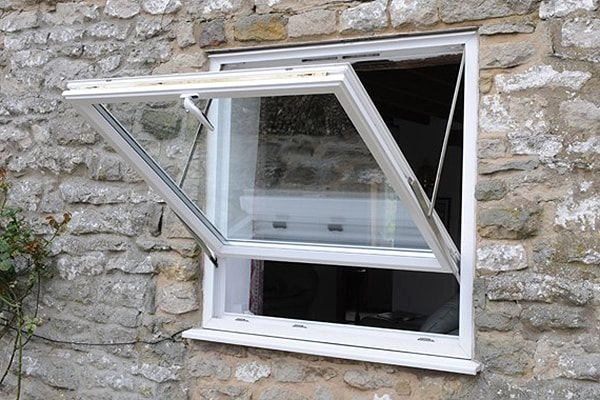
Tilt and turn windows offer versatile functionality, making them an innovative choice for modern spaces. Their unique design allows the sash to tilt inward for ventilation or swing fully open for access, unlike traditional windows. With improved ventilation, indoor air quality increases which enhances comfort.

These windows use precision engineering for a tight seal when closed, contributing to energy efficiency. Homeowners benefit from reduced energy costs due to minimized heat loss and drafts. Moreover, tilt and turn windows are easy to clean since they open wide from the inside, eliminating the need for external cleaning methods.

Durability is another advantage, achieved through robust materials like vinyl or aluminum. Apex windows and other high-quality models incorporate security features such as multipoint locking systems to enhance safety. As a result, these windows not only offer functional benefits but also an added layer of protection for homes.

For those searching for Tilt and Turn Windows for Sale, a variety of options cater to diverse design preferences and functional needs. From energy efficiency to security, their multiple advantages make them a worthwhile investment for any homeowner considering window upgrades.

Key Features of Tilt and Turn Windows

Tilt and turn windows offer unique attributes that enhance their appeal to homeowners. Their design combines functionality, aesthetics, and efficiency.

Dual Functionality

Tilt and turn windows operate with a dual-action mechanism, providing two distinct opening options. Users can tilt them inward for ventilating spaces without fully opening the window, a feature useful in all seasons. For full access, these windows swing inward, making cleaning hassle-free and enhancing ventilation when needed most.

Modern Aesthetics

These windows complement modern architecture with sleek lines and minimalist designs. They seamlessly fit into various styles, adding a contemporary touch to any home. Available in numerous finishes and frames, tilt and turn windows cater to diverse design preferences, including standard homes or luxury renovations in the US market.

Energy Efficiency

Designed with advanced sealing technology, tilt and turn windows minimize air leakage, boosting energy conservation. Their airtight fit reduces drafts and helps maintain indoor temperatures, cutting heating and cooling costs. Made from insulating materials like vinyl or aluminum, these windows enhance overall energy efficiency in American homes.

Advantages of Tilt and Turn Windows

Tilt and turn windows offer several benefits that make them an excellent choice for improving indoor environments and enhancing home security.

Improved Ventilation

Their intelligent mechanism allows tilt and turn windows to offer superior ventilation. Tilting the window inward at the top enables a gentle airflow while maintaining security. This ventilation method facilitates air circulation without the draft typically associated with open windows. As a result, rooms receive fresh air even during inclement weather, maintaining indoor comfort and air quality.

Enhanced Security

Security features, such as multipoint locking systems, significantly increase the safety of tilt and turn windows. These systems help prevent unauthorized access, offering peace of mind to homeowners. The secure tilt position also permits ventilation without compromising safety, a critical consideration for those valuing security in residential spaces.

Easy Maintenance and Cleaning

Tilt and turn windows simplify maintenance and cleaning tasks. When swung open inward, these windows provide easy access to both sides of the glass, eliminating the need for dangerous exterior cleaning methods. This feature saves time and effort during routine maintenance, contributing to their appeal. Their design ensures longevity by easing the upkeep process, potentially proving more economical over time.

Perfect for those seeking reliable and easy-to-use solutions, tilt and turn windows are ideal for American homeowners. Their blend of ventilation, security, and maintenance benefits aligns with contemporary living demands.

Design and Customization Options

Tilt and turn windows offer extensive design flexibility to suit diverse tastes. Manufacturers provide a multitude of colors and finishes, allowing homeowners to match or contrast the window frames with the existing decor. Various materials, including wood, aluminum, and vinyl, offer different aesthetic and performance characteristics.

Available sizing options accommodate both standard and custom dimensions, ensuring a perfect fit for any architectural requirement. Incorporating additional features like tinted or frosted glass enhances privacy or adds a decorative element. Customizable grid patterns further personalize the windows to align with traditional or modern styles.

Maximizing functionality, tilt and turn windows integrate features like built-in blinds or insect screens. These add-ons provide convenience without compromising the window’s sleek appearance. By choosing options tailored to specific needs, homeowners can achieve both practicality and style.

Installation Considerations

Tilt and turn windows possess unique attributes that require attention during installation. Accurate measurements ensure a snug fit, crucial for maximizing energy efficiency and operational ease. Many providers, including Apex Windows, offer comprehensive measurement and installation services to guarantee precision.

Surface preparation before fitting is essential, as uneven areas could affect the window’s performance. Installers must ensure that all surfaces are clean and leveled to support the window frame’s integrity. High-quality fitting materials, like specialized adhesives and sealants, aid in creating a robust, energy-efficient barrier against air and water infiltration.

Correct adjustment of the hardware is necessary post-installation to maintain the windows’ dual functionality. Professionals check the hinges and locking mechanisms for smooth operation and secure closure. apex windows ensures that these adjustments are handled with expertise, optimizing the lifespan and performance of the windows.

When aligning with building codes and regional standards, it’s important to consider factors like wind load ratings and thermal performance. Choosing such windows for sale that meet these standards helps enhance property value while complying with safety regulations.


In the realm of home improvement, windows often play a pivotal role in enhancing both aesthetics and functionality. Tilt and turn windows have emerged as a popular choice among homeowners seeking versatility and modern design. These innovative windows offer a unique blend of style and practicality, making them an attractive option for those looking to upgrade their living spaces.

Tilt and Turn Windows provide exceptional ventilation and security, two critical factors for any home. Their design allows for dual functionality: tilting inward for gentle airflow or swinging open like a door for maximum ventilation. This flexibility not only improves indoor air quality but also offers peace of mind with enhanced security features.

Moreover, the sleek, contemporary look of tilt and turn windows complements a variety of architectural styles. Their ease of use and low maintenance requirements further add to their appeal, making them a smart investment for any homeowner aiming to combine elegance with efficiency.

Understanding Tilt and Turn Windows

Tilt and turn windows offer a unique blend of practicality and style. Known for their functionality and modern appeal, these windows are gaining popularity among American homeowners.

What Are Tilt and Turn Windows?

Tilt and turn windows combine the features of both casement and hopper windows. They open inward in two distinct ways: tilting from the top for ventilation and turning to swing open like a door. This dual action design provides excellent airflow control and security options.

How Do They Work?

Tilt and turn windows use an advanced hinge and locking mechanism. When the handle is turned to the “tilt” position, the top of the window tilts inward, allowing fresh air while maintaining security. In the “turn” position, the window swings open from the side, enabling easy cleaning and emergency egress. GEALAN Window Systems, a popular choice, often incorporates these mechanisms, enhancing durability and functionality.

Benefits of Tilt and Turn Windows

Tilt and Turn Windows

Tilt and turn windows offer several advantages, making them a favored option for modern homes. Their design provides solutions for common homeowner concerns about ventilation, security, and energy efficiency.

Enhanced Ventilation

Tilt and turn windows allow superior airflow management. By tilting the window inward, users can enjoy gentle, draft-free ventilation. This feature is suitable for keeping rooms comfortable without causing a disturbance from sudden gusts of wind. Swinging the window open offers increased ventilation, similar to traditional casement windows. This dual functionality ensures adaptable ventilation for year-round comfort.

Improved Security

These windows enhance home security with their robust design. The advanced tilt mechanism prevents forced entry, offering peace of mind to homeowners. When locked in the tilt position, intruders find it challenging as the windows remain secured by internal hinges. This robust security feature provides an effective deterrent while still allowing for ventilation.

Energy Efficiency

Tilt and turn windows contribute to energy savings. Their tight seals prevent drafts and heat loss, maintaining indoor temperatures. Vinyl and other insulating materials commonly used in their construction improve thermal performance. This energy efficiency helps reduce heating and cooling costs, benefiting both homeowners and the environment.

Design and Aesthetic Appeal

Tilt and turn windows boast a modern design that enhances the visual appeal of any home. Their sleek frames and clean lines contribute to a contemporary look that complements various architectural styles.

Versatile Design Options

These windows offer a variety of designs to suit different preferences. Frames can be customized in terms of color, material, and finish to match the home’s existing decor. GEALAN Window Systems, for instance, provide options that pair functionality with style, allowing homeowners to select features that align with their aesthetic vision. This versatility in design makes tilt and turn windows a popular choice for renovations and new builds alike.

Modern Aesthetic

The minimalist design of tilt and turn windows provides a crisp, uncluttered appearance. Their large glass surfaces maximize natural light, creating bright, inviting interiors. The unobtrusive mechanisms and slim profiles blend seamlessly into the design, emphasizing the glass while ensuring an elegant look. These features make tilt and turn windows an excellent fit for modern homes, where both style and functionality are key considerations.

Comparison With Traditional Windows

Tilt and turn windows present distinct advantages over traditional window designs, offering enhanced versatility and adaptability in modern homes.

Functionality and Versatility

Traditional windows, such as double-hung and sliding types, offer limited opening options, often restricting ventilation and access. In comparison, tilt and turn windows excel in functionality by allowing dual opening methods. The tilt feature permits moderate airflow while maintaining security, and the turn option provides a wide, unobstructed opening for maximum ventilation and easy maintenance. This flexible design adapts to various weather conditions and user preferences. Integrating versatile designs such as those from GEALAN Window Systems ensures homeowners benefit from advanced operation and user-friendliness while enhancing home functionality.

Cost-Effectiveness

Despite a potentially higher initial investment, tilt and turn windows offer long-term cost benefits over traditional models. Their energy-efficient seals and insulative materials contribute to reduced heating and cooling expenses, often leading to savings on utility bills. Additionally, the durable construction minimizes maintenance needs, lowering upkeep costs over time. Although traditional windows may appear more budget-friendly initially, the efficiency and durability of tilt and turn windows provide better value in the long run. Investing in these advanced designs ultimately results in financial advantages and enhanced comfort for homeowners.

Installation and Maintenance

Installing tilt and turn windows offers ease and reliability. Their unique design simplifies the process, making them an attractive choice for homeowners seeking modern updates.

Ease of Installation

Tilt and turn windows feature a straightforward installation process. They come with pre-fitted frames that align easily, allowing installers to secure them quickly in a variety of wall materials such as brick or wood. This design minimizes installation time and reduces the potential for errors, making them suitable for both professional and DIY projects. Additionally, reputable brands like GEALAN Window Systems often provide detailed instructions and support, ensuring the installation process is smooth and efficient.

Longevity and Durability

Tilt and turn windows are known for their long-lasting performance. They use durable materials like uPVC and aluminum, which resist weathering and require minimal maintenance. These materials reduce warping, rust, and other common issues seen in traditional windows. High-quality mechanisms are employed, ensuring smooth operation over time. Routine maintenance tasks like cleaning hinges and oiling handles are simple, allowing homeowners to enjoy their windows without significant upkeep. With the right care, these windows can last several decades, maintaining their aesthetic appeal and functional benefits.

Why Sofa Cum Beds are Perfect for Hosting Guests?

Modern homes are increasingly opting for dual-purpose furniture, and one piece stands out for its practicality: the sofa cum bed. Designed to function as both a sofa and a bed, these versatile pieces are especially popular in smaller homes and apartments where every square inch matters. A sofa cum bed not only saves space but also offers an ideal solution for hosting overnight guests comfortably, even without a dedicated guest room. Here, we’ll explore how a sofa cum bed can transform your living area into a welcoming retreat for guests, offering convenience without compromising on style.

What is a Sofa Cum Bed, and How does It Work?

At its core, a sofa cum bed combines the best of two worlds: seating by day and a bed by night. With simple transformation mechanisms, these pieces can shift from a sofa into a bed in seconds. Whether you’re choosing a fold-out style, a pull-out design, or a modular configuration, the sofa cum bed is designed to be effortless to use. For hosts, this means being able to quickly convert a room or corner into a comfortable sleeping area, making it ideal for guests.

Advantages of Using a Sofa Cum Bed for Guests

Sofa cum beds are a popular choice among homeowners due to their versatility. Here are several advantages:

  • Space-Saving Solution

Sofa cum beds are ideal for conserving space, making them suitable for smaller homes, flats, or rooms with multiple functions. Instead of dedicating an entire room to guests, you can maximise your living area without sacrificing comfort.

  • Convenience and Flexibility

With a sofa cum bed, you can instantly switch between seating and sleeping arrangements as needed. This convenience is especially useful when hosting guests for holidays or gatherings, as it lets you create a bedroom without the need for extra furniture.

  • Stylish Addition to Any Room

Modern sofa cum beds come in various styles, fabrics, and designs, meaning they fit seamlessly into any décor. From sleek minimalist designs to plush options with character, sofa cum beds are as attractive as they are functional, enhancing your living space’s aesthetics.

Features to Look for in a Guest-Friendly Sofa Cum Bed

Not all sofa cum beds are created equal, and a few key features can make all the difference in guest comfort:

  • Comfort

A guest’s comfort should be a top priority. Look for sofa cum beds with a supportive mattress that ensures good sleep quality and comfortable seating. High-density foam, memory foam, or innerspring mattresses can all enhance comfort, providing restful nights and easy seating.

  • Size and Capacity

Consider the available space in your room and the typical number of guests you expect. Sofa cum beds come in sizes from single to queen, so choose one that best fits your needs and spatial constraints.

  • Durability and Materials

High-quality construction is essential, especially if you plan to use the sofa cum bed frequently. Opt for durable frames, such as metal or hardwood, and fabrics that withstand wear, like stain-resistant or washable materials.

  • Ease of Use

Ensure the transformation mechanism is user-friendly, making it easy for guests to switch from sofa to bed. A sofa cum bed with a smooth and simple folding or pull-out mechanism is ideal, as it ensures the setup is hassle-free.

Types of Sofa Cum Beds for Different Hosting Needs

When choosing a sofa cum bed, consider the different types available, each catering to unique requirements:

  • Foldable Sofa Cum Beds

 These models are usually more compact and are perfect for minimal spaces. They are lightweight and can be quickly folded out when needed, making them ideal for sporadic guest visits.

  • Pull-Out Sofa Cum Beds

Offering a more permanent bed frame, pull-out models are ideal for frequent hosting. They provide a higher level of comfort and sturdiness, as the bed frame supports the mattress fully.

  • Modular Sofa Cum Beds

 These versatile pieces can be rearranged according to the room’s layout, offering flexibility and added seating options. Modular sofa cum beds are perfect for larger living spaces or open-plan layouts.

Setting Up the Perfect Guest Area with a Sofa Cum Bed

Once you’ve selected the right sofa cum bed, it’s time to make the space as inviting as possible for your guests:

  • Choose the Right Spot

Position the sofa cum bed in a way that doesn’t obstruct movement within the room. Place it in an area with easy access, ideally near outlets or lighting for convenience.

  • Enhance Comfort with Bedding Essentials

 A quality mattress topper, soft sheets, and plush pillows can make a significant difference in comfort. Add a cosy blanket or duvet, and consider extra throws to accommodate different temperature preferences.

  • Add Personal Touches

Make your guests feel at home by setting up a small bedside table, adding a reading lamp, and including a charging station for devices. These details show consideration and add convenience.

  • Storage Solutions for Guest Essentials

Many sofa cum beds offer built-in storage, which can be handy for keeping extra bedding or guest essentials like towels and toiletries. Alternatively, nearby shelves or baskets can serve the same purpose, providing storage space that keeps the area tidy.

Caring for and Maintaining Your Sofa Cum Bed

To ensure your sofa cum bed remains comfortable and functional over time, regular maintenance is key:

  • Regular Cleaning and Maintenance

Dust, vacuum, or clean the fabric regularly, depending on the material. For fabrics, look for washable covers to make upkeep easier. Leather options may require occasional conditioning to maintain their quality.

  • Check Mechanisms Periodically

Whether it’s a fold-out or pull-out model, check the mechanism periodically to ensure it remains smooth and functional. Lubricate hinges if needed to avoid squeaks or jams.

  • Protective Covers and Maintenance Tips

To keep the mattress in top condition, use a mattress protector, especially if the bed is used frequently. Protective covers are also a great way to keep the upholstery fresh and stain-free.

Conclusion

In summary, a sofa cum bed is an excellent investment for those who want to host guests comfortably without compromising on space or style. Its versatility, practicality, and wide range of designs make it a valuable addition to any home. When choosing a sofa cum bed, prioritise comfort, durability, and ease of use to ensure your guests enjoy a restful and pleasant stay. A high-quality sofa cum bed not only enriches your home’s functionality but also ensures that you’re always prepared for a company with a space-saving, stylish, and comfortable solution.

An electrical panel, popularly referred to as a breaker box, is a central connection point of a home’s electrical system. It controls electricity flow to various sections within the house, ensuring devices, lights, and appliances receive the correct power amount. Nonetheless, as time passes, electrical demands rise because contemporary houses have more electronic devices and appliances. Whenever an electrical panel is dilapidated or overloaded, you will notice that it cannot support these scaled-up demands, leading to exposure to various risks.

For efficiency at home and to avoid any potential risks from outdated or overloaded electrical panels, homeowners can perform an electrical panel upgrade. Neglecting electrical panel services poses severe risks to your home and your family.

  1. Fire Hazards

The first risk that is evident in delaying an Electrical Panel Upgrade is electrical fires. Older panels do not integrate into the load that modern homes require. Consequently, circuits can become crowded and generate too much heat, causing wiring to spark. Discharge of such sparks can cause the felling of nearby flammable materials, causing a fire.

Some old panels do not contain breakers. Instead, they contain fuses. That can be dangerous because fuses are more likely to blow in case there is an overload. The worst thing is that some people swap blown fuses with higher-capacity fuses. On the other hand, breakers have the capacity of tripping or shutting the circuit off when there is an overload, offering better protection.

  1. Inconsistent Power Supply

A delayed electrical panel upgrade leads to constant flickering lights, power outages, and unstable power in some rooms or parts of the house. You might experience this when using multiple appliances or high-energy devices. Older panels cannot handle an overload of electrical demand that turns power supply volatile, damaging appliances and making life challenging. Electrical panel upgrading can minimize these disruptions, increasing your power supply reliability.

  1. Increased Costs

Continuing to use old electrical panels can increase costs over time. One can imagine the constant call for servicing for appliances affected by power surges or fluctuating electrical currents. Also, an old-fashioned system is not energy-efficient, leading to costly bills.

Other expenses that may arise include insurance costs. Not replacing an older panel may lead to higher premium or complete exclusion of coverage in the event that a problem related to the electrical system leads to a fire or some other damage to the house. Upgrading your panel ensures compliance with modern safety standards. That may sometimes lead to lower insurance costs.

  1. Non-compliance with Electrical Codes

Electrical codes change with time because of new technology and safety requirements arising from industry advancements and new demands. Older electrical panels lack the current code standards. That is a problem in some locations where you may face penalties for not correcting this, or you cannot sell a house with such installations. Although most people may not be contemplating selling their property anytime soon, upgrading to the correct electrical system is safer and increases the home value.

Conclusion

There is so much to lose when you fail to get an exemplary electrical panel installed in your home. From energy wastage to the possibility of electrical fires and higher costs in appliance damages, the risks are real and are bound to escalate with time. Upgrading your electrical panel ensures that your electrical system at home is secure and capable of handling modern consumption. Besides, it is an assurance since it eliminates the risks of fires, enhances energy use, and ensures you meet the set safety requirements per the current standards. Taking time to have an electrical panel upgrade today can prevent future damages, improve the safety of your house, and promote efficient use of energy.

Choosing between modern home remodel trends and classic styles can be a challenging decision. Each has its unique charm and appeal. On one hand, modern designs bring sleek lines, open spaces, and innovative technology into your home. On the other hand, classic styles evoke a sense of timelessness, filled with ornate details and rich textures that harken back to a different era. While both approaches offer something special, the current preference leans heavily toward modern trends. Why? It’s all about functionality, sustainability, and fitting into the fast-paced lifestyle many people live today. Let’s dive into the key differences and explore why modern remodels might be the better option.

1. Modern Home Remodel Trends vs Classic Styles

Over the past few decades, the conversation around home remodeling has evolved dramatically. Modern home trends are rapidly gaining momentum, offering fresh, innovative designs that cater to contemporary needs. Classic styles, while admired for their historical and artistic value, are increasingly being outpaced by modern approaches that prioritize functionality and sustainability. This shift in preference stems from the practical advantages modern designs bring to the table—think smart home technology, energy efficiency, and minimalistic aesthetics. These features are making modern remodels more attractive, not just for their look but for their long-term benefits as well.

In contrast, classic styles are rooted in tradition. They focus on preserving historical elements and the intricate craftsmanship that comes with it. Though undeniably beautiful, classic designs often lack the adaptability and efficiency of modern homes. Let’s explore the finer points that distinguish modern trends from classic styles, and why modern is taking the lead.

2. Key Features of Modern Home Remodel Trends

One of the hallmarks of modern home remodeling design is its emphasis on minimalism. Clean lines, uncluttered spaces, and simplicity dominate the landscape. This approach doesn’t just look good; it creates a more relaxed environment. Open floor plans have become a staple in modern homes, allowing for greater flow between rooms and making spaces feel larger than they actually are. Modern homes often combine the kitchen, dining, and living areas into one seamless space, which fosters more interaction and flexibility.

Minimalism also means eliminating unnecessary décor, leading to a clutter-free environment. It allows homeowners to focus on essential furniture and decoration, giving each item purpose and meaning.

Integration of Smart Technology

Smart homes are the future, and modern designs are at the forefront of this revolution. Whether it’s voice-activated lighting, smart thermostats, or high-tech security systems, technology is seamlessly woven into the modern home experience. These features not only add convenience but also enhance energy efficiency. For example, smart thermostats can learn your habits and automatically adjust temperatures to save energy. This integration of technology into design is one of the key reasons modern remodels are more appealing to today’s homeowners, offering them more control over their environment.

3. Core Characteristics of Classic Home Styles

Classic homes are synonymous with traditional architectural elements that have stood the test of time. Symmetry, balance, and ornate details such as intricate moldings, wainscoting, and coffered ceilings are the trademarks of classic designs. These homes often draw inspiration from historical periods, including Victorian, Colonial, or Craftsman styles, which highlight hand-carved woodwork, stone fireplaces, and other sophisticated details that scream elegance.

While these features can create a rich and inviting atmosphere, they also come with limitations. The rigidity of these traditional designs often lacks the flexibility of modern layouts, making it difficult to accommodate contemporary living needs.

Use of Natural Materials and Rich Textures

Classic homes focus on using natural materials that add warmth and depth to a space. Expect to see hardwood floors, stone countertops, and brick exteriors that create a sturdy, enduring aesthetic. Rich textures, from velvet drapes to ornate rugs, play a significant role in creating the luxurious atmosphere many associate with traditional home styles. While undeniably beautiful, these materials often require more maintenance, making classic homes more time-intensive to care for compared to their modern counterparts.

4. Energy Efficiency: Modern vs. Classic Homes

Modern homes are engineered with energy efficiency in mind. From the ground up, materials are chosen to minimize energy waste. Double-glazed windows, high-performance insulation, and eco-friendly building materials are just a few examples of how modern homes focus on reducing energy consumption. Solar panels, energy-efficient lighting, and appliances all contribute to lowering utility bills, making these homes not only environmentally friendly but also more cost-effective in the long term.

With smart home technologies, like automated systems for heating and cooling, modern homes can adjust energy usage based on your daily routine, further reducing the carbon footprint. This level of efficiency is hard to match in classic homes without extensive and expensive retrofitting.

Challenges in Making Classic Homes Energy Efficient

Classic homes are often more challenging to retrofit for energy efficiency. Thick walls, small windows, and outdated insulation materials can make it difficult to implement modern energy-saving techniques without altering the home’s aesthetic charm. While it’s possible to add new insulation or replace old windows, these upgrades come at a cost, both financially and in terms of potentially compromising the home’s original character. Classic homes may also struggle to integrate renewable energy sources like solar panels, as these additions can look out of place with traditional architecture.

5. Aesthetic Appeal: Modern Sleekness vs Classic Elegance

Modern homes are all about sleekness. Picture sharp angles, open layouts, and neutral color palettes like whites, greys, and blacks. These elements make spaces feel more expansive and visually uncluttered, promoting a sense of calm. While this minimalist approach might feel sterile to some, it’s often seen as elegant and refined in its simplicity. Modern décor focuses on functionality, with furniture and art pieces often doubling as statement pieces that tie the room together without overcrowding the space.

Ornate and Detailed Beauty of Classic Styles

Classic homes, on the other hand, are admired for their lavish, detailed designs. Crown moldings, ceiling medallions, and antique fixtures are commonplace in traditional interiors. These homes often incorporate bold colors like deep reds and royal blues, paired with luxurious fabrics like velvet and silk. While undeniably beautiful, the ornate nature of classic homes can sometimes feel overbearing, particularly in smaller spaces. It’s this elaborate, almost formal aesthetic that makes classic homes feel more suited to a bygone era, while modern homes fit today’s simpler, fast-paced lifestyle.

6. Functionality and Practicality in Modern Homes

The practicality of modern home designs is what truly sets them apart. In today’s world, homes need to be multifunctional. Modern layouts allow rooms to be adapted to a variety of uses, from home offices to playrooms to yoga studios. Furniture is often designed to be modular, providing flexibility to rearrange spaces as needs change. This adaptability makes modern homes more suited to evolving lifestyles, particularly as more people work from home or pursue different activities without needing to leave the house.

Focus on Sustainability and Eco-Friendly Materials

Sustainability is at the core of modern design. From choosing recycled building materials to installing water-saving fixtures, modern homes prioritize environmental impact. Bamboo flooring, reclaimed wood, and low-VOC paints are becoming the norm in contemporary homes, reducing the overall carbon footprint and promoting a healthier living environment. This eco-conscious approach is one of the reasons modern remodels have surged in popularity, as they align with a growing awareness of environmental responsibility.

7. Cost Comparison: Modern Remodels vs Classic Renovations

Although modern home remodels can be expensive upfront, they offer significant long-term savings. Energy-efficient appliances and materials drastically reduce utility bills. Additionally, the low-maintenance design of modern homes—thanks to their durable materials and minimalistic layouts—means homeowners spend less on repairs and upkeep. Over time, the initial investment pays off through reduced maintenance costs and increased energy savings.

The High Maintenance and Cost of Classic Styles

Classic home renovations are often more costly and labor-intensive. The intricate details that make classic homes so charming often require skilled craftsmen to repair or restore, driving up costs. Materials like hardwood and stone also demand more upkeep, such as regular sealing or refinishing, which adds to the overall maintenance burden. Moreover, retrofitting these homes with modern conveniences like central air conditioning or energy-efficient windows can be both challenging and expensive.

8. Conclusion

When comparing modern home remodel trends and classic styles, the key differences come down to functionality, energy efficiency, and personal preference. Modern homes prioritize sleek, minimalist designs with open spaces and integrated smart technology, offering homeowners greater flexibility, sustainability, and long-term cost savings. The clean lines, adaptability, and eco-friendly materials of modern homes make them more suited to today’s fast-paced and environmentally conscious world.

Classic styles, while undeniably beautiful and rich in history, often fall short when it comes to the practicality and energy efficiency that modern living demands. Their intricate designs and ornate details offer a timeless charm but come with higher costs and maintenance requirements. Ultimately, the choice between modern and classic comes down to lifestyle. For those seeking comfort, efficiency, and low-maintenance living, modern home remodel trends are proving to be the more attractive option in the long run.


Common Signs of Hidden Leaks

Unexplained Increase in Water Bills

An unanticipated rise in water bills often flags a hidden leak within your plumbing system. A steady increase without a corresponding rise in usage should prompt a professional inspection.

Musty Odors

Persistent musty or moldy smells can be a strong indicator of moisture issues due to hidden leaks. These odors are particularly suspect when they occur in areas that should not be damp.

Sounds of Running Water

The sound of running water when all taps are off should raise immediate concerns. This can be the first hint of a leak somewhere in your home.

Tips on How to Listen for and Locate the Source:

  • Listen attentively during quiet hours, possibly at night, to detect any unusual water noises.
  • Check the water meter while all water use is halted. If the meter changes, you likely have a leak.
Damp Spots or Discoloration

Unexplained damp spots or areas of discoloration on floors, walls, or ceilings are clear signs of moisture problems, often caused by hidden leaks.

Significance of Visual Indicators: Areas that remain damp can weaken structural components like joists and studs, leading to costly repairs.

Mildew or Mold on Non-Shower Walls

Finding mildew or mold on walls, especially those not regularly exposed to water like in showers, is a critical indicator of a hidden leak.

Health Implications and Urgency: Mold can cause respiratory issues and allergic reactions. Addressing leaks quickly minimizes health risks and property damage.


Using Tools to Detect Hidden Leaks

Moisture Meters

Using a moisture meter is relatively straightforward:

  1. Turn on the device: Ensure it is calibrated according to the manufacturer’s instructions.
  2. Select the appropriate setting: Depending on the material you are testing.
  3. Place the meter on different areas of the wall or floor: Pay special attention to places where pipes run and areas near plumbing fixtures.

Areas where moisture meters are particularly useful include under sinks, around toilets and bathtubs, and in basements—common sites for leaks in residential settings.

Infrared Cameras

Infrared cameras provide a more high-tech approach to detecting hidden leaks by visualizing variations in temperature. These cameras can identify cooler spots in walls, floors, and ceilings, which often indicate the presence of a leak. The benefits of using infrared cameras include:

  • Non-invasive detection: There is no need to open up walls or disrupt household activities.
  • Immediate visualization: You can see the problematic areas in real-time, allowing for quicker decision-making.


When to Call a Professional Plumber

Here’s a guide to recognizing those situations and the benefits of relying on professional leak detection services.

Situations That Require the Expertise of a Licensed Plumber

  1. Persistent Issues: If you’ve noticed ongoing symptoms of a leak—such as consistent musty odors, mold patches, or unexplained spikes in your water bill—it’s time to call a professional. These signs might indicate a deeper, more complex problem that DIY methods can’t resolve.
  2. No Obvious Source: When the signs of a leak are apparent but the source remains elusive, a professional plumber can use advanced diagnostic tools and their expertise to uncover hidden problems that are not readily accessible or visible.
  3. Complex Plumbing Systems: Modern homes, especially those in Oceanside with sophisticated plumbing systems, including multiple bathrooms, water-based appliances, and irrigation systems, can benefit from a professional’s understanding of complex networks.
  4. After Using Detection Tools: If you’ve employed moisture meters or infrared cameras and have found potential issues, a professional plumber can further investigate, confirm, and repair any leaks with precision.

Heating and air conditioning are essential for keeping our homes comfortable. Here are some interesting facts about these systems:

Know more about jadex heating and air conditioning

Expensive Early Air Conditioners: In the 1940s, a window AC unit cost about Rs. 26,000. In today’s terms, that’s like spending around Rs. 2,60,000!

Humidity and Temperature: When your home has lower humidity, it feels colder compared to when it’s more humid.

Costly Installations: Poorly installed heating and air conditioning systems in big cities can cost building owners a lot of money each year. 

Ancient Romans’ Heating: The ancient Romans were the first to use home heating systems. Their system, called a “hypocaust,” sent heat through the floors and walls of homes.

Myth About Closing Vents: Closing air vents to lower your utility bill is a myth. It increases energy consumption and puts pressure on the compressor, which can cause the system to break down.

HVAC System Lifespan: A properly installed and maintained HVAC system can last 15 to 25 years, depending on the manufacturer and how well it’s taken care of.

Air Conditioning in Theatres: Movie theatres were some of the first places to have air conditioning. 

Heat Tolerance: Since the invention of air conditioning, our heat tolerance has decreased. A hot day feels more uncomfortable now than it did in the past.

Ice Power: When air conditioners first became available to consumers, their cooling capacity was measured in Ice Power, referring to how many blocks of ice it would take to produce the same amount of cooling.

First Motivation for AC: The first air conditioner was created in 1902 by Willis Carrier for a publishing company. It was designed to control humidity, which was affecting the ink and paper.

Modern Homes and AC: Today, about 90 per cent of new single-family homes in the US are built with air conditioning.

The First Home with Complete Air Conditioning: The first fully air-conditioned home was constructed in Minneapolis in 1913. Sadly, the owner, Charles Gates, passed away before he could enjoy it.

Presidential AC: Herbert Hoover was the first US President to have air conditioning. He installed it in the Oval Office in 1929 for Rs. 22 lakh.

Humidity Control: Air conditioners do more than just cool the air; they also remove humidity. 

Fans and Cooling: Fans don’t cool the air. They create a “wind chill effect” by evaporating sweat and lowering your body temperature.

First Car AC: The first car with optional air conditioning was introduced in 1939. It was expensive and unpopular because the system took up half the trunk space!

Heat-Related Deaths: Research shows that the chance of dying on extremely hot days has decreased by more than 80 per cent over the last 50 years, thanks to the rise in air conditioning.

Updating HVAC Systems: Upgrading your HVAC system can save energy and money. 

These facts show how far heating and air conditioning technology has come and how important it is in our daily lives.

In recent years, homeowners have increasingly sought sustainable and environmentally friendly materials for their home improvement projects. Linoleum flooring, with its impressive eco-friendly credentials, is experiencing a resurgence in popularity. This article explores why linoleum flooring is a superb choice for those aiming to make environmentally conscious decisions without sacrificing style or durability.

What is Linoleum Flooring?

A Time-Tested Eco-Friendly Material

Linoleum is made from natural materials, including linseed oil, cork dust, tree resins, and wood flour, all mounted on a jute or canvas backing. Unlike vinyl, which is synthetic, linoleum offers a wholly organic and biodegradable option, which has minimal impact on the environment during production and after its useful life.

Environmental Benefits of Linoleum Flooring

Sustainable Ingredients

The raw materials used in linoleum flooring are renewable. Linseed oil comes from flax plants, which are abundantly grown in various regions, and cork dust is a byproduct of the cork industry, which means that no additional resources are exhausted. These sustainable practices make linoleum one of the greenest flooring options available.

Biodegradable and Recyclable

At the end of its life, linoleum can be either composted or recycled, reducing landfill waste. This ability to decompose naturally or be re-used in other products highlights the ecological advantages of choosing linoleum over more pollutive alternatives.

Low Emissions

Linoleum flooring is associated with low levels of volatile organic compounds (VOCs), improving indoor air quality. This makes it a healthier choice for homes, particularly in spaces where air quality is a concern such as bedrooms or children’s rooms.

Style Meets Sustainability

Versatile Designs

Modern manufacturing techniques mean that linoleum is available in a wide array of colours, patterns, and styles. Today’s linoleum can easily adapt to any decor style, from contemporary minimalist to traditional. This versatility allows homeowners to enjoy style together with sustainability.

Durability and Resilience

Linoleum is not only eco-friendly but also incredibly durable. It is resilient to impacts, scratches, and wear, making it ideal for high-traffic areas like kitchens and hallways. Its lifespan often exceeds that of conventional flooring materials, making it a cost-effective choice in the long term.

Installation and Maintenance

Easy to Install and Maintain

Linoleum flooring is relatively easy to install, whether professionally or as a DIY project. Maintenance requires just basic care – regular sweeping and occasional mopping with mild detergent, which sustains its look and functionality for many years.

Linoleum flooring presents an attractive, sustainable, and practical solution for modern homes. Its low environmental impact, combined with its durability and range of design options, makes it an ideal choice for environmentally conscious homeowners. By choosing linoleum, you can enjoy a beautiful flooring solution that aligns with values of sustainability and responsible living.